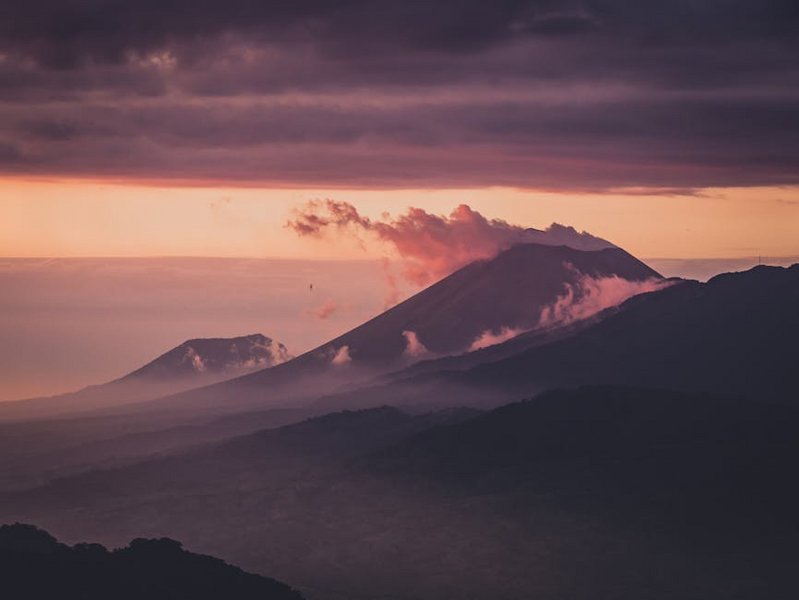
Nicaragua Leon Volcano Boarding – Descend an Active Volcano
Nicaragua Leon volcano boarding offers an exhilarating adventure where you sled down the slopes of Cerro Negro, one of Central America’s youngest and most active volcanoes. This unique extreme sport combines hiking up volcanic terrain with a thrilling descent reaching speeds up to 30 miles per hour on specialized boards. Our guide covers essential planning tips, safety protocols, budget considerations, and cultural insights for your volcanic adventure.
Essential Volcano Boarding Information
Volcano boarding originated near Leon, Nicaragua, as a local adventure activity that gained international popularity over the past two decades. Cerro Negro stands at 728 meters (2,388 feet) and has erupted more than twenty times since its formation in 1850, making it one of the hemisphere’s most active volcanoes. The volcanic landscape features black sand slopes and occasional steam vents that create dramatic photographic opportunities.
This adventure sport requires moderate physical fitness as participants hike approximately 45 minutes up the volcano before descending. Local tour operators provide all necessary equipment including protective suits, goggles, and wooden sleds specifically designed for volcanic terrain. The entire experience typically lasts 3-4 hours from pickup to return, with actual boarding time varying based on weather conditions and group size.
What Makes Volcano Boarding Unique
Several factors distinguish this activity from other adventure sports worldwide.
- Cerro Negro provides the only regularly operated volcano boarding experience globally, with volcanic ash creating ideal sliding conditions unlike any sand dune.
- The combination of hiking an active volcano and descending at high speeds creates a multi-sensory adventure unavailable elsewhere in Central America.
- Local guides share geological knowledge and safety protocols developed through thousands of descents on this specific volcanic terrain.
- Budget option ($25-35 USD) covers basic transportation, equipment rental, and guide services through smaller local operators, ideal for solo travelers comfortable with simpler arrangements.
- Mid-range option ($35-50 USD) includes higher-quality protective gear, smaller group sizes, bottled water, and sometimes post-tour refreshments, offering the best value for most visitors.
- Premium option ($55-80 USD) provides private transportation, professional photography services, combination tours with other attractions, and premium safety equipment, suitable for special occasions.
- Nicaraguan Tourism Board
- Lonely Planet Nicaragua Guide
Safety Protocols and Requirements
Reputable operators enforce strict safety measures including mandatory protective gear and comprehensive briefings before ascent. All participants must wear provided jumpsuits, goggles, gloves, and helmets to shield against volcanic debris during the descent. Guides accompany groups throughout the experience and demonstrate proper boarding techniques at the summit.
Physical requirements include the ability to hike uphill for 45-60 minutes carrying your board in tropical heat averaging 85°F (29°C). Operators typically restrict participation to ages 12+ and require signed waivers acknowledging the activity’s inherent risks. Medical facilities remain available in Leon city, approximately 30 minutes from the volcano’s base.
Geological Background of Cerro Negro
Cerro Negro emerged suddenly in April 1850, making it one of the youngest volcanoes in Central America and part of the Cordillera de los Maribios volcanic chain. The volcano’s most recent eruptions occurred in 1992 and 1995, depositing fresh volcanic material that created the ideal boarding surfaces available today. Seismic activity continues to be monitored by Nicaraguan geological authorities, with tours operating only during stable periods.
Planning Your Nicaragua Leon Volcano Boarding Trip
Organizing your Nicaragua Leon volcano boarding adventure requires attention to seasonal timing, operator selection, and physical preparation. The dry season from November through April provides optimal conditions with minimal rainfall and clearer visibility across the volcanic landscape. Research reputable companies with certified guides, proper insurance coverage, and well-maintained equipment before booking your descent.
Budget approximately $30-45 USD per person for standard volcano boarding tours including transportation, equipment, and guide services. More comprehensive packages including photography services or combination tours with other attractions may cost $60-80 USD. Book at least 2-3 days in advance during peak season (December-March) when tour availability becomes limited.
Best Time to Visit for Volcano Boarding
Visit between December and February for ideal volcano boarding conditions with temperatures ranging from 75-85°F (24-29°C) and minimal rainfall. These months offer the clearest views of surrounding volcanoes and the Pacific Ocean from Cerro Negro’s summit. Early morning tours around 6:00 AM provide cooler hiking temperatures before afternoon heat peaks.
Shoulder seasons in November and March still offer good boarding conditions with occasional brief afternoon showers. The rainy season from May to October presents challenging conditions with slippery trails and frequent tour cancellations due to heavy rainfall. December through February also coincides with northern hemisphere winter, making it popular among international visitors.
Budget Planning and Costs
Consider these three budget tiers when planning your volcanic adventure.
Essential Preparation Checklist
Proper preparation ensures a safer and more enjoyable volcano boarding experience.
Wear closed-toe athletic shoes with good traction, lightweight breathable clothing, and apply high-SPF sunscreen before departure. Bring a small backpack with 1-2 liters of water, snacks, and a change of clothes since the volcanic dust permeates everything. Confirm your booking details including pickup location and time the evening before your scheduled tour.
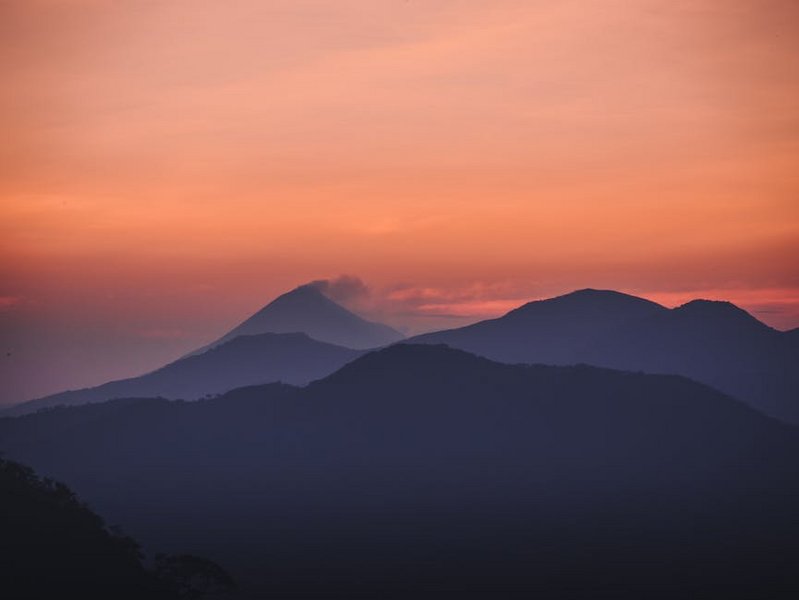
Alt: “cerro-negro-volcano-boarding-descent-adventure”
Leon Region Attractions and Activities
Leon offers numerous cultural and adventure opportunities beyond volcano boarding, serving as Nicaragua’s intellectual and revolutionary heart. The city features magnificent colonial architecture including Central America’s largest cathedral, UNESCO World Heritage sites, and fascinating political murals depicting the country’s history. Surrounding areas contain additional volcanic landscapes, pristine Pacific beaches, and traditional villages preserving local crafts.
Adventure seekers can explore multiple volcanic complexes within the Maribios volcanic chain, each offering distinct hiking experiences and panoramic viewpoints. Nearby Poneloya and Las Peñitas beaches provide surfing opportunities, seafood restaurants, and sunset viewing just 30 minutes from Leon’s city center. The region’s dry tropical forest ecosystem supports diverse wildlife including howler monkeys, tropical birds, and iguanas.
Must-See Leon Highlights
León Cathedral (Basílica de la Asunción) dominates the central plaza with its distinctive white façade and offers rooftop tours with panoramic city views. The cathedral’s construction began in 1747 and continued for more than a century, blending baroque and neoclassical architectural styles. Visitors can explore the crypt containing the tomb of poet Rubén Darío and numerous other historical figures.
Museo de la Revolución provides compelling insights into Nicaragua’s Sandinista revolution through guided tours, historical photographs, and preserved artifacts. The museum occupies a former presidential palace and features balconies with excellent views of Leon’s main square. Allow 1-2 hours for a comprehensive visit, with English-speaking guides available for approximately $5 USD.
Hidden Gems and Local Favorites
El Fortín de la Paz offers sunset views over Leon from a historic hilltop fortress located just north of the city center. This lesser-known site provides quieter alternative to crowded cathedral rooftops and features remnants of 19th-century military architecture. Local families frequent the area in late afternoons, creating opportunities for authentic cultural interactions.
Telica Volcano provides overnight hiking and camping experiences with opportunities to observe glowing lava within its crater. This active volcano stands 1,061 meters (3,481 feet) tall and features a continuously degassing crater that creates spectacular night viewing. Tours typically depart Leon in afternoon hours and include camping equipment, meals, and experienced guides.
Surfing and Beach Activities
Las Peñitas beach community offers consistent Pacific waves suitable for beginner and intermediate surfers, with board rentals available for $10-15 USD daily. The beach maintains a relaxed atmosphere with numerous seafood restaurants serving fresh ceviche and grilled fish at reasonable prices. Sunset boat tours through the Juan Venado Island Nature Reserve depart regularly, showcasing mangrove ecosystems and diverse bird species.
Practical Nicaragua Travel Information
Leon serves as an accessible destination with multiple transportation options connecting it to Managua and other Nicaraguan cities. Augusto C. Sandino International Airport (MGA) in Managua receives international flights from major US hubs including Miami, Atlanta, and Houston. From Managua, travelers can reach Leon via shuttle services, public buses, or private transportation in approximately 1.5-2 hours.
Accommodation options range from budget hostels starting at $10 USD nightly to boutique hotels around $60-80 USD, with most properties concentrated in Leon’s historic center. The city’s compact layout makes it easily navigable on foot, while taxis provide affordable transportation for longer distances within the urban area. Spanish language skills prove helpful though many tourism industry workers speak basic English.
| Accommodation Type | Features and Location | Price Range (USD) |
|---|---|---|
| Budget Hostels | Dormitory beds, shared bathrooms, common areas, central locations | $8-15 per night |
| Mid-Range Hotels | Private rooms, air conditioning, breakfast included, swimming pools | $35-60 per night |
| Boutique Properties | Colonial architecture, restaurant services, tour desk, garden courtyards | $65-100 per night |
| Vacation Rentals | Full apartments, kitchen facilities, multiple bedrooms, residential areas | $50-120 per night |