New Zealand Marlborough Grape Harvest Experience
Participating in the New Zealand Marlborough Grape Harvest offers a hands-on immersion into the world-renowned wine region responsible for vibrant Sauvignon Blanc. This seasonal adventure connects you directly with the land and people who craft some of the globe’s most celebrated wines, far beyond a standard tasting tour. You’ll gain practical vineyard knowledge while contributing to the annual cycle of one of New Zealand’s most iconic industries.
Discovering Marlborough’s Wine Country
Marlborough, located at the northeastern tip of New Zealand’s South Island, is the country’s largest and most famous wine region. Its climate features high sunshine hours, cool nights, and low rainfall, creating ideal conditions for crisp, aromatic white wines. The region’s modern wine story began in the 1970s, transforming sheep pastures into a global powerhouse.
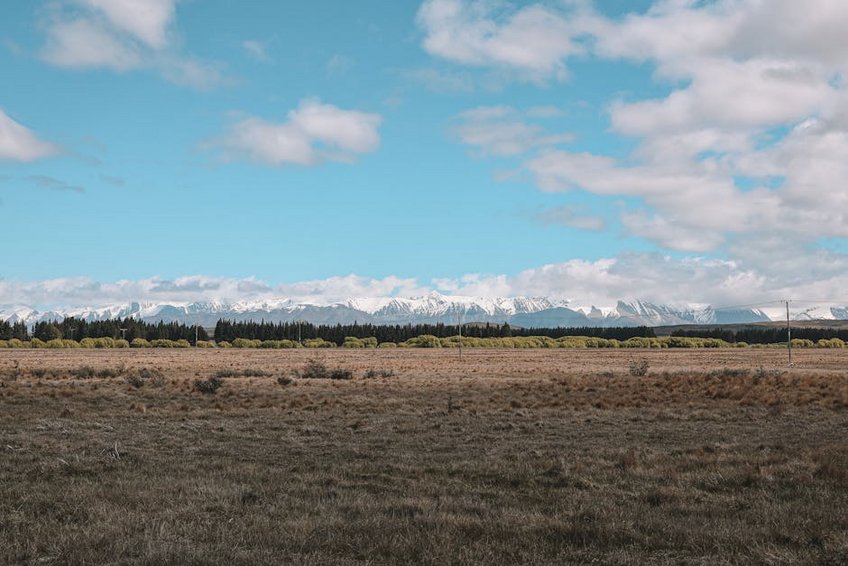
The landscape is defined by wide, flat plains bordered by dramatic mountain ranges, with the Wairau and Awatere River valleys serving as the primary vineyard corridors. Over 35,000 hectares are now under vine, with Sauvignon Blanc accounting for nearly 80% of the plantings. This dominance shapes the entire local economy and culture.
Why the Harvest is Unique
Unlike many European regions, Marlborough’s harvest is a massive, concentrated operation fueled by both advanced technology and manual skill.
- The harvest window is relatively short and intense, typically running from late February through April, creating a bustling, high-energy atmosphere throughout the valley.
- A unique combination of machine harvesting for large-volume blocks and careful hand-picking for premium parcels means visitors can experience different aspects of viticulture.
- The international crew of seasonal workers, alongside local teams, fosters a vibrant, community-oriented environment in the region’s towns like Blenheim and Renwick.
- Budget/Working Traveler: Earn $22-25 NZD (~$13-15 USD) per hour picking. Shared worker accommodation costs $150-200 NZD (~$90-120 USD) weekly. Food and a modest rental car split between a group keeps weekly expenses under $500 NZD (~$300 USD) after accommodation.
- Mid-Range Visitor: Plan $200-350 USD per night for a vineyard cottage or boutique hotel. Harvest tour experiences cost $75-150 USD per person. Dining and wine tasting budgets add $100-150 USD daily. A two-week trip can cost $3,000-5,000 USD.
- Luxury Experience: Stay at a luxury lodge like The Marlborough for $800+ USD/night. Book private, full-day harvest immersion with a chief winemaker ($500+ USD). Include helicopter tours of the valleys and curated dining. A week can exceed $10,000 USD.
- Marlborough New Zealand Official Tourism Site
- New Zealand Winegrowers – Marlborough Region
Understanding the Grape Varieties
While Sauvignon Blanc is the undisputed star, Marlborough successfully cultivates several other varieties. Pinot Noir is the second major player, used for both elegant still wines and traditional-method sparkling wines. Aromatic whites like Pinot Gris and Riesling also thrive in the cooler sub-regions and later harvest periods.
Each variety has its own ripening timeline, with Pinot Noir often picked earlier than Sauvignon Blanc. This staggering allows wineries to manage cellar logistics and workers to potentially move between different vineyard blocks. The choice to hand-pick is often reserved for Pinot Noir and sparkling wine bases, where whole-bunch integrity is crucial.
The Harvest Workflow
From vineyard to crusher, the process is a finely tuned operation. It begins with constant sampling and lab analysis to determine optimal sugar (Brix) and acid levels for each block. Once the call is made, picking crews or machines mobilize quickly, often starting at dawn to get fruit into the winery while it’s still cool.
The fruit is transported in large bins to the winery receiving area, where it is weighed, sampled for quality, and then processed. For Sauvignon Blanc, this usually means immediate crushing, pressing, and cooling of the juice to capture those signature fresh, grassy aromas. The speed of this chain is critical to quality.
Alt: “marlborough-vineyard-dawn-harvest-crew-picking-grapes”
New Zealand Marlborough Grape Harvest – Planning Your Trip
Successful participation requires aligning your visit with the precise harvest window and securing arrangements early. The season’s start and end can shift by one to two weeks depending on spring weather and summer warmth. Most harvest employment and specific tourist activities are advertised from November onwards for the coming autumn.
Your experience level will dictate opportunities; many paid picking jobs require a working holiday visa and often some prior experience. For casual visitors, numerous wineries and tour operators offer harvest-themed experiences, from guided picking tours to “crush pad” workshops where you can help destem fruit. Booking these at least a month in advance is wise.
Accommodation in Blenheim and Renwick becomes scarce and more expensive during peak harvest, as the population swells with seasonal workers. Renting a car is highly recommended for flexibility, as vineyard locations are spread out and public transport is limited. Pack for variable weather, including sturdy, waterproof boots, sun protection, and layers.
Best Time to Visit for the Harvest
The core harvest period generally spans from late February to mid-April. For the absolute peak of Sauvignon Blanc action, target the first three weeks of March. Daytime temperatures typically range from 65-75°F (18-24°C), with cool nights dropping to 45-55°F (7-13°C). This is the busiest, most energetic time to visit.
The earlier weeks (late Feb) might see more Pinot Noir activity, while later April visits could coincide with the tail end of the season and the beautiful autumn color change in the vines. Shoulder seasons offer slightly easier booking and a more relaxed pace, but you risk missing the full intensity of the main harvest crush.
Budget Planning and Costs
Your budget depends heavily on whether you’re working or purely visiting.
Essential Preparation Checklist
Pack functional clothing for all conditions: durable work pants, moisture-wicking shirts, a wide-brimmed hat, high-SPF sunscreen, and a quality rain jacket. Absolutely essential are a pair of broken-in, waterproof work boots with good ankle support, as vineyard terrain is uneven and often muddy. Bring work gloves to protect your hands.
Ensure your travel insurance covers any planned manual labor. If seeking paid work, secure the appropriate New Zealand work visa well in advance. Book all accommodation and rental vehicles at least three months before a March visit. Download offline maps of the Wairau Valley, as cell service can be patchy among the vines.
Top Harvest Activities and Vineyard Experiences
Beyond picking grapes, Marlborough offers immersive ways to connect with the harvest. Many premier wineries run “Behind the Scenes” tours during autumn, taking you into the winery during fermentation. You can witness, and sometimes even participate in, tasks like punch-downs for Pinot Noir or checking fermenting tanks.
Several companies offer harvest-focused bike tours, allowing you to pedal the flat vineyard trails between tasting rooms and see the action in the fields. For a more sensory experience, seek out blending workshops where you can craft your own version of Sauvignon Blanc from different vineyard batches, guided by a winemaker.
Must-See Highlights
Visit Cloudy Bay for an iconic, if polished, view of a major player during the busy season; book their vineyard tour in advance. Brancott Estate Heritage Centre offers stunning panoramic views of the valley and insightful tours explaining the region’s history. Their restaurant is ideal for a harvest-season lunch.
For a hands-on feel, smaller, family-run estates like Framingham or Te Whare Ra often provide a more intimate glimpse into harvest operations. A guided tour of the Wairau River valley floor reveals the subtle differences in terroir that winemakers consider when deciding the pick order for various blocks.
Hidden Gems and Local Favorites
Venture to the Awatere Valley, a slightly higher, cooler, and windier sub-region. Wineries like Saint Clair Family Estate’s Awatere cellar door offer stunning mountain views and distinctively zesty, mineral-driven Sauvignon Blanc. The pace here feels slower than the main Wairau Valley.
In Renwick, visit the local supermarket in the evening to see crews of pickers shopping, offering a real slice of harvest life. The “Soundshell” in Blenheim’s Seymour Square sometimes hosts free community events for seasonal workers. Also, explore the Marlborough Farmers’ Market for incredible local produce that inspires the region’s cuisine.
Photography and Scenic Spots
For iconic shots, head to the Wither Hills Farm Park at sunrise. The elevated trails provide breathtaking views over the quilt of vineyards with morning mist settling in the valleys. The rows of vines, especially with autumn colors beginning, create stunning leading lines for photography.
The Dry Hills area offers beautiful vistas looking back toward Blenheim and the Richmond Ranges. For close-up detail, seek permission from a winery to photograph the grape sorting line or the bustling activity at the crusher. The golden light of late afternoon, known as the “golden hour,” beautifully illuminates the vine leaves and worker activity.
Practical Travel Information
Getting to Marlborough is straightforward, with multiple air and land options. The most convenient gateway is Woodbourne Airport (BHE), located just west of Blenheim, with direct flights from Auckland, Wellington, and Christchurch. Many international travelers fly into Christchurch (CHC) or Wellington (WLG) and enjoy a scenic drive or coach trip to the region.
Once in Marlborough, a rental car is nearly essential for exploring the vineyards at your own pace. The main viticultural areas are spread along the SH6 and SH63 highways. While some wineries are clustered close to Renwick, many of the most interesting estates are scattered, making taxis an expensive and inefficient option for a full day of exploring.
| Accommodation Type | Best For | Price Range/Night (USD) |
|---|---|---|
| Vineyard Cottage | Couples & immersive experience; often includes vineyard views. | $180 – $400 |
| Boutique Hotel/B&B | Mid-range travelers; personalized service in Blenheim/Renwick. | $120 – $250 |
| Motel/Holiday Park | Budget visitors & workers; kitchen facilities, often in town. | $70 – $130 |
| Luxury Lodge | Splurge experience; world-class dining, spas, and guided activities. | $800+ |