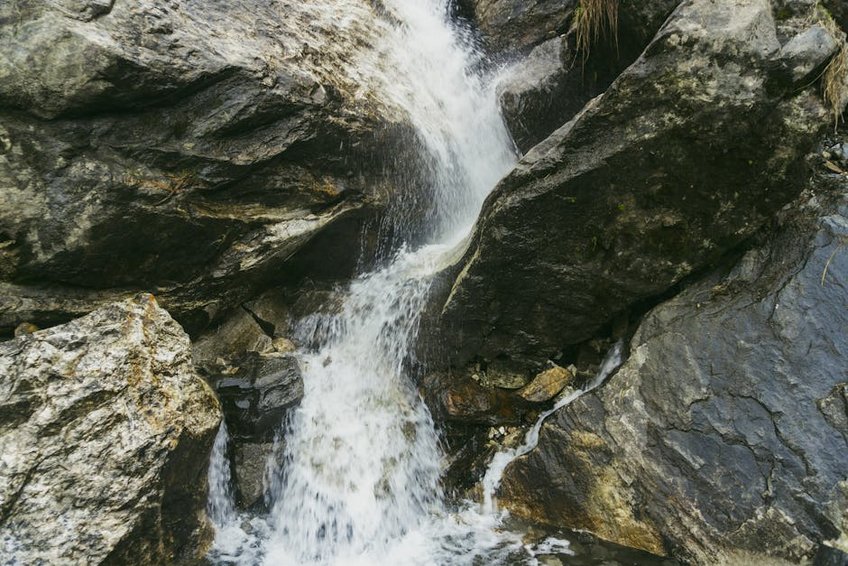
Nepal Annapurna Base Camp Trek: Himalayan Adventure Guide
The Nepal Annapurna Base Camp Trek delivers stunning Himalayan vistas and cultural immersion. You traverse diverse landscapes from subtropical forests to glacial moraines over 7-14 days. This guide provides essential planning tips, seasonal advice, and cultural insights for your journey.
Essential Trek Information
The Annapurna region features dramatic altitude changes and rich biodiversity. You pass through traditional Gurung and Magar villages with unique customs. Spring and autumn offer the best weather conditions for trekking.
What You Need to Know
Understand these key aspects before embarking on your adventure.
- Altitude ranges from 1,130 meters in Nayapul to 4,130 meters at base camp, requiring proper acclimatization days during ascent.
- Trekkers need permits including ACAP and TIMS cards, available in Kathmandu or Pokhara for approximately $30 USD total.
- The standard route covers 110-130 kilometers round trip, typically completed in 7-10 days depending on fitness level and itinerary.
- Budget trekking costs $400-600 including teahouse stays, local meals, and independent travel without guides, saving on porter fees.
- Mid-range packages cost $800-1,200 with certified guides, better accommodation, and included permits for enhanced comfort and safety.
- Luxury experiences reach $1,500-2,500 featuring premium lodges, helicopter options, and western meal choices throughout the journey.
- Nepal Tourism Board
- Trekking Agencies’ Association of Nepal
Key Physical Requirements
Good cardiovascular fitness enables enjoyable trekking days averaging 5-7 hours. Previous hiking experience helps manage steep sections and altitude effects. Regular walking with a loaded daypack prepares you for trail demands.
Altitude sickness prevention requires slow ascent rates and hydration. Descend immediately if symptoms like headache or nausea persist despite rest. Acclimatization days in Ghorepani or Deurali reduce risks significantly.
Trek Difficulty and Preparation
Moderate fitness levels suffice for this trek with proper training. The trail involves stone steps, suspension bridges, and variable weather conditions. Hiring guides enhances safety and cultural understanding.
Training should include stair climbing and hill walking with weight. Break-in hiking boots thoroughly before departure to prevent blisters. Pack layers for temperature swings from 15°C to -10°C (59°F to 14°F).
Nepal Annapurna Base Camp Trek – Planning Your Trip
Detailed preparation ensures a successful Himalayan adventure. Book guides and teahouses 2-3 months early for peak seasons. Comprehensive travel insurance must cover high-altitude trekking and emergency evacuation.
Physical training should emphasize endurance over 4-6 weeks pre-trek. Include backpack carrying during long walks. Mental preparation for basic accommodations and variable weather completes your readiness.
Best Time to Visit Annapurna Base Camp
October-November provides clear skies and stable weather for mountain views. Day temperatures range 10-20°C (50-68°F) at lower elevations. This peak season offers vibrant rhododendron blooms in spring.
March-May features warmer conditions with occasional afternoon showers. September and December present quieter trails with colder nights. Monsoon months June-August bring leeches and obscured vistas.
Budget Planning and Costs
Consider these budget ranges for different travel styles.
Essential Preparation Checklist
Pack waterproof layers, insulated jacket, and quality hiking boots. Include first aid supplies, water purification tablets, and headlamp. Trekking poles reduce knee strain on descents.
Secure Nepalese visa upon arrival or online beforehand. Obtain required trekking permits from official offices. Arrange airport transfers and initial hotel stays in Kathmandu or Pokhara.
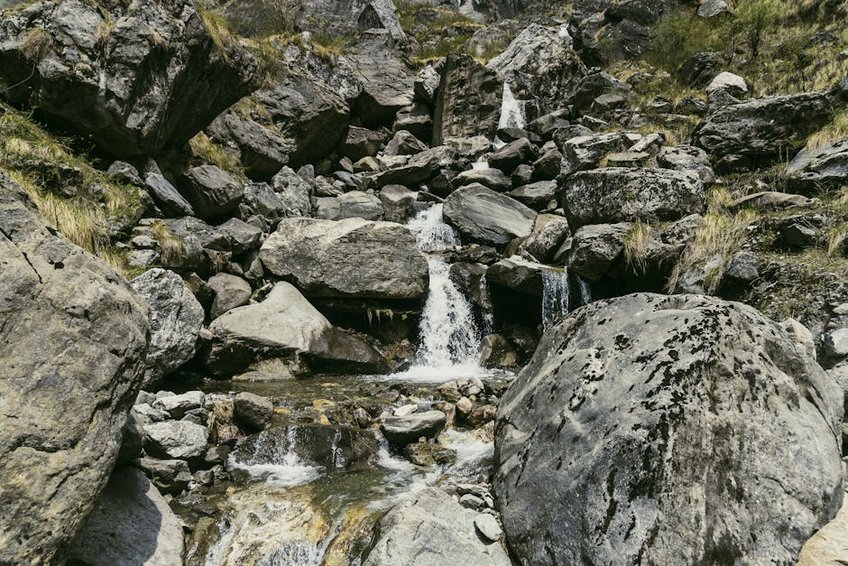
Alt: “annapurna-base-camp-himalayan-mountains-sunrise-view”
Top Attractions and Activities
Machhapuchhre Base Camp delivers breathtaking close-up mountain perspectives. The Annapurna Sanctuary reveals amphitheater-style glacial surroundings. Cultural interactions in Chhomrong and other villages enrich the experience.
Natural hot springs in Jhinu Danda provide muscle relief after trekking days. Poon Hill sunrise offers panoramic views of Dhaulagiri and Annapurna ranges. These highlights reward the physical effort invested.
Must-See Highlights
Machhapuchhre (Fishtail Mountain) appears dramatically throughout the trek. Its distinctive shape dominates the skyline from multiple vantage points. Morning light creates spectacular photo opportunities.
The Annapurna Sanctuary opens suddenly after ascending Modi Khola valley. This natural amphitheater contains multiple peaks over 7,000 meters. Spend extra time here absorbing the scale.
Poon Hill requires pre-dawn climb from Ghorepani but rewards with sunrise over 8000-meter peaks. The viewpoint accommodates many trekkers comfortably. Bring warm layers for the early morning wait.
Hidden Gems and Local Favorites
Ghandruk village preserves traditional Gurung culture and architecture. The museum details local history and customs. Stay overnight for authentic village experiences.
Deurali Pass offers quieter alternative views compared to Poon Hill. Fewer trekkers visit this section, providing solitude. The rhododendron forests here bloom spectacularly in spring.
Trekking Routes and Variations
The classic route starts from Nayapul with gradual ascent through Ulleri. Alternative approaches from Phedi or Kimche reduce initial climbing. Most itineraries include overnight in Ghorepani for Poon Hill.
Extensions to Tadapani or Ghandruk add cultural depth. The Mardi Himal route offers less crowded alternatives. All paths converge at Chhomrong before base camp ascent.
Practical Travel Information
Pokhara serves as the gateway city with equipment shops and tour operators. From there, taxis reach trailheads in 1-2 hours. Kathmandu connections require 6-8 hour drive or 25-minute flight.
Teahouses provide basic accommodation and meals along the route. Standards improve with altitude as options decrease. Book ahead during busy seasons between October and November.
| Accommodation Type | Features and Services | Price Range (USD) |
|---|---|---|
| Basic Teahouses | Shared rooms, common bathrooms, dal bhat meals | $5-15 per night |
| Standard Lodges | Private rooms, attached bathrooms, menu choices | $20-40 per night |
| Comfort Lodges | Heated rooms, hot showers, western food | $50-100 per night |
| Luxury Options | Premium amenities, guided tours, flight packages | $150-300 per night |