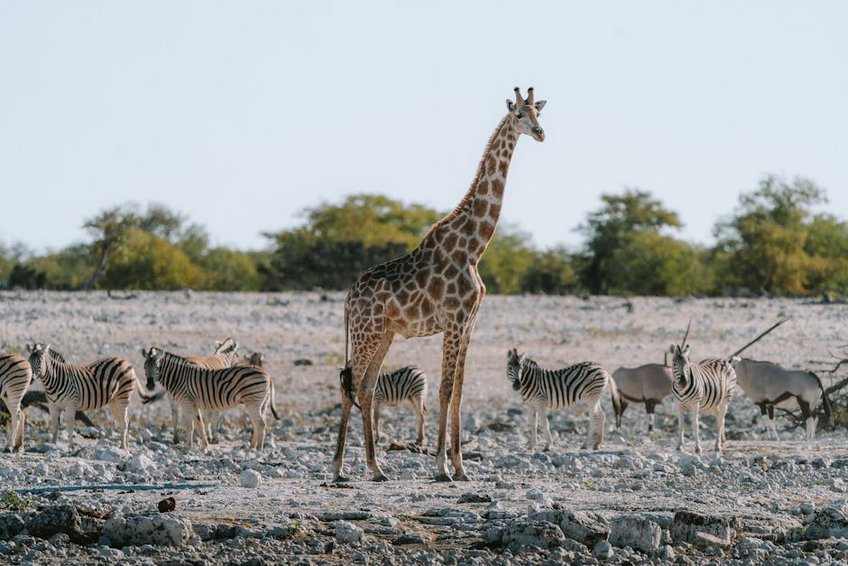
Namibia Etosha January Wildlife: A Summer Safari Spectacle
Witnessing Namibia Etosha January wildlife offers a distinct, vibrant safari experience centered on the park’s immense, gleaming salt pan. The summer rains transform the arid landscape, drawing massive herds and their predators to dynamic, rain-filled waterholes for spectacular game viewing. This guide details the unique seasonal conditions, optimal wildlife tracking strategies, and essential planning for a successful summer safari adventure.
Essential Information About Etosha National Park
Etosha National Park spans 22,270 square kilometers in northern Namibia, anchored by the vast Etosha Pan. This mineral pan, covering about 23% of the park, becomes a shallow lake during the rainy season, dramatically altering the ecosystem. The park’s unique geography supports diverse habitats from saline desert to savanna woodlands.
Established as a game reserve in 1907, Etosha is one of Africa’s oldest and most significant conservation areas. Its network of over 30 managed waterholes provides reliable wildlife viewing opportunities year-round. The park is divided into three main tourist areas: Okaukuejo, Halali, and Namutoni, each with its own character and resident wildlife.
Understanding the Summer Ecosystem
The park’s ecology shifts fundamentally with the January rains. Key changes create unique viewing conditions.
- Water is widespread, scattering animals across the landscape away from the main waterholes, requiring more strategic driving to locate concentrations of game.
- Lush vegetation provides ample grazing but also thicker cover, making some animals slightly harder to spot compared to the bare winter months.
- The birdlife explodes into activity, with thousands of migratory birds, including flamingos, arriving at the newly filled Etosha Pan, creating unparalleled birdwatching.
- Budget Camping: $50-80 per person per day. Includes campsite fees in rest camps (like Okaukuejo), self-catering, and a personal or rental vehicle. You’ll book activities separately, such as guided game drives from the camp.
- Mid-Range Lodge Safari: $250-450 per person per day. Includes comfortable lodge accommodation just outside the park (e.g., near Anderson Gate), all meals, scheduled game drives in open vehicles, and park entry fees. This offers great value and expert guides.
- Luxury Guided Tour: $600-1,000+ per person per day. Features exclusive lodges or premium camp stays inside private concessions bordering Etosha, all-inclusive gourmet meals, private guided drives, and specialized wildlife tracking experiences.
- Namibia Tourism Board Official Site
- Namibia Meteorological Services
Key Wildlife Species to Spot
Etosha is famously home to four of the African Big Five, lacking only the buffalo. January is particularly special for seeing newborn animals. Many herbivores, like impala and wildebeest, time their birthing season to the rainy period when food is abundant, though this also attracts heightened predator activity.
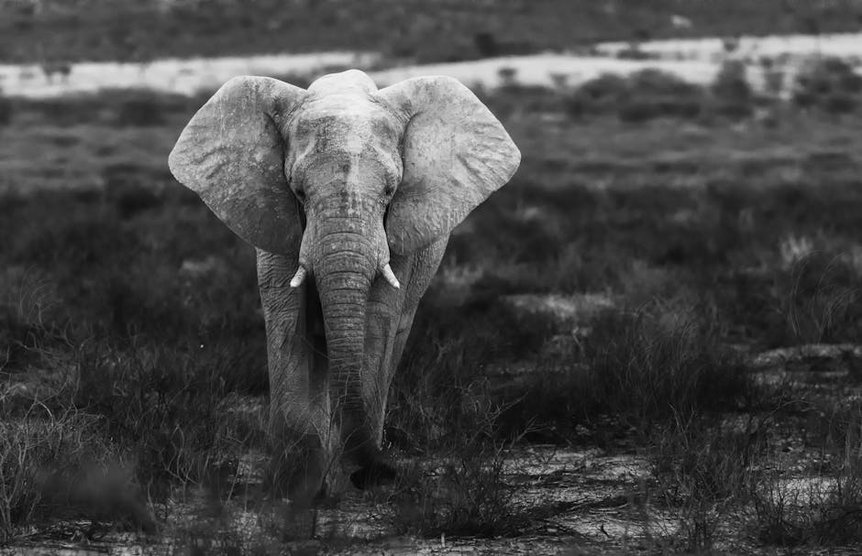
Elephant herds are a common and majestic sight, often seen cooling off and playing at waterholes. The park also supports healthy populations of the rare black rhino, best spotted at night at the floodlit waterholes of Okaukuejo or Halali rest camps. For more context on African safari planning, the Namibia Tourism Board offers excellent resources.
Park Logistics and Zones
Navigating Etosha requires understanding its gate systems and camp locations. The park opens at sunrise and closes at sunset, with times strictly enforced. Visitors must reach their booked rest camp or exit gate before closing time.
Each of the three main rest camps offers different amenities, from the famous rhino-viewing waterhole at Okaukuejo to the historic German fort at Namutoni. Driving between camps reveals changing landscapes and wildlife concentrations, with Halali situated in a prime central location.
Alt: “etosha-national-pan-summer-rains-wildlife-waterhole-scene”
Namibia Etosha January Wildlife – Planning Your Trip
Your January safari success hinges on embracing the wet season’s unique rhythm. Wildlife behavior changes as animals disperse across the freshly watered park. This requires a flexible approach, focusing on areas where game naturally congregates, like the edges of the Etosha Pan or specific lesser-known waterholes that retain appeal.
Planning must account for daily afternoon thunderstorms, which are common but usually brief. These rains cool the air and create stunning photographic light. You’ll need to balance game drives around these showers, often finding the most active animal movement in the early mornings and late afternoons between rains.
Best Time to Visit for Summer Game Viewing
January falls in the peak of Namibia’s rainy season, offering a lush, green panorama. Daytime temperatures are hot, averaging 86-95°F (30-35°C), while nights are warm at around 68°F (20°C). Afternoon rains are frequent but typically short, clearing the dust from the air for incredible visibility and photography.
The month offers a trade-off: fewer tourist crowds than the dry winter season but more challenging wildlife spotting due to dispersed water sources and thicker foliage. The prime viewing hours are from 6:00 AM to 10:00 AM and again from 4:00 PM until park gate closure, as animals are most active during the cooler parts of the day.
Budget Planning and Costs
A safari budget varies widely based on accommodation choice and tour style. Park conservation fees are an additional daily cost.
Essential Preparation Checklist
Packing for a January safari requires lightweight, breathable clothing in neutral colors, a high-quality waterproof jacket, and sturdy closed shoes. Binoculars are absolutely essential for spotting distant animals in the thicker summer brush. A DSLR or mirrorless camera with a zoom lens (200-400mm minimum) is recommended for photography.
Ensure you have valid travel insurance covering medical evacuation. Book your park accommodation and vehicle permits months in advance, as space is limited. If self-driving, a 4×4 vehicle is not mandatory for main roads but provides access to more remote tracks, especially after rain. Carry ample water, sunscreen, and a first-aid kit in your vehicle.
Top Attractions and Safari Activities
The primary activity is self-guided or guided game drives along the park’s extensive network of gravel roads. The strategy differs from dry season drives; focus on areas where water might be concentrated, like the Fischer’s Pan area or the Nebrownii waterhole. Patience is key, as animal movements are less predictable.
Night drives, booked through the rest camps, provide a chance to see nocturnal creatures like aardvarks, porcupines, and genets. Visiting the floodlit waterholes at Okaukuejo or Halali after dark is a free activity that often yields sightings of black rhino, elephant, and large predators coming to drink.
Must-See Highlights and Waterholes
Okaukuejo Waterhole is world-famous, especially after sunset, for regular black rhino and elephant visits. The Etosha Pan Lookout offers a breathtaking, otherworldly view of the vast white plain, which may have a shallow layer of water in January, attracting flamingos. These are accessible from the main roads near the respective rest camps.
Halali Camp’s waterhole is smaller and often less crowded, providing a more intimate viewing experience. The Salvadora waterhole, on the route between Halali and Namutoni, is known for large elephant herds and frequent lion activity. Plan to spend at least an hour at a productive waterhole to observe animal interactions and behaviors.
Hidden Gems and Lesser-Known Areas
For a sense of solitude, explore the roads southeast of Namutoni towards the Andoni Plain. This area can be excellent for spotting cheetah in the early morning. The Chudob waterhole, east of Halali, is a reliable spot for seeing greater kudu and is often overlooked by the main tourist traffic.
Consider spending time at the Klein Namutoni waterhole right outside the fort at Namutoni Camp; it’s easily accessible and often has unexpected visitors. The network of tracks around the Okondeka mountains can also yield rewarding sightings, as the rocky terrain attracts different species.
Birdwatching Bonanza in January
January is a premier month for birding, with the Etosha Pan potentially hosting thousands of flamingos and pelicans if there is sufficient water. Over 340 bird species have been recorded in the park. The rainy season brings migratory birds from Europe and other parts of Africa, making the avifauna exceptionally diverse.
Look for raptors like the pale chanting goshawk and the majestic secretary bird stalking through the grass. The calls of the red-crested korhaan and the swarms of quelea finches add to the vibrant soundscape. A good bird guidebook and a pair of binoculars are indispensable for this aspect of the summer safari.
Practical Travel Information and Logistics
Most international travelers fly into Windhoek’s Hosea Kutako International Airport (WDH). From Windhoek, it’s a 4.5 to 5-hour drive north to the entrance gates of Etosha. Car rental agencies in Windhoek offer 2WD sedans, 4×2 SUVs, and proper 4×4 vehicles. For January conditions, a 4×2 SUV with good ground clearance is usually sufficient for all main park roads.
Accommodation inside the park is managed by Namibia Wildlife Resorts and books up extremely fast. Alternatives include a wide range of private lodges and guest farms on the southern (Anderson Gate) and eastern (Von Lindequist Gate) borders of Etosha. These often offer higher comfort levels and included guided drives.
| Accommodation Type | Key Features & Location | Price Range (USD per night) |
|---|---|---|
| NWR Rest Camp (e.g., Okaukuejo) | Inside park, floodlit waterhole, basic chalets or campsites, restaurant, pool. | $120 – $250 |
| Border Lodge (e.g., near Anderson Gate) | Just outside park, comfortable rooms, pool, restaurant, guided tour desk. | $150 – $300 |
| Premium Safari Lodge (Private Concession) | Luxury tents/chalets, all-inclusive, private guided game drives, exclusive areas. | $600 – $1,200 |
| Self-Catering Campsite | Inside park rest camps, shared ablutions, power points, braai (BBQ) facilities. | $30 – $50 |