Myanmar Bagan January Temperatures: Your Perfect Winter Escape Guide
Visiting Bagan in January offers travelers the ideal balance of pleasant weather and accessible cultural exploration. The Myanmar Bagan January temperatures average a comfortable 68°F to 89°F (20°C to 32°C), with minimal rainfall and consistently clear skies, creating near-perfect conditions for temple hopping and sunrise photography. This guide provides detailed seasonal insights, activity planning for the dry season, and essential tips to maximize your visit during this prime travel window.
Bagan: An Ancient City of Temples
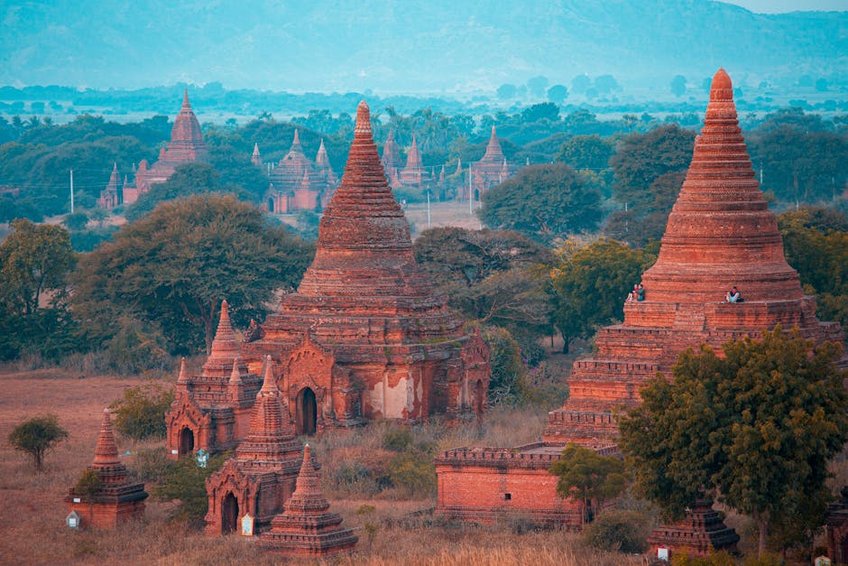
Bagan stands as one of Southeast Asia’s most significant archaeological sites, featuring over 2,000 surviving temples, pagodas, and monasteries across a 26-square-mile plain. The city served as the capital of the Pagan Kingdom from the 9th to 13th centuries, during which Buddhist architecture flourished. Its cultural landscape provides a profound historical journey through Myanmar’s spiritual heritage.
Recognized as a UNESCO World Heritage Site, Bagan’s preservation efforts balance conservation with sustainable tourism. The dry, arid climate has helped protect the brick structures for centuries. Exploring this vast complex requires strategic planning, especially regarding transportation and timing, to fully appreciate its scale and spiritual ambiance.
Geographical and Climatic Context
Located in Myanmar’s central dry zone along the Irrawaddy River, Bagan experiences a tropical semi-arid climate. This region receives significantly less rainfall than coastal areas, resulting in dusty plains and hardy vegetation. The dry season, spanning from November to April, brings predictable weather patterns ideal for exploration.
- Dry Zone Characteristics: Expect low humidity, scant rainfall (typically under 0.2 inches in January), and persistent dust. The landscape appears golden-brown, with tamarind and palm trees providing minimal shade.
- River Influence: The Irrawaddy River moderates temperatures slightly near its banks and offers scenic boat tours. Mornings often feature light mist rising from the water before dissipating quickly.
- Sun Intensity: Despite pleasant air temperatures, the sun radiates intensely with a high UV index. Sun protection remains crucial throughout daytime hours.
- Budget Traveler ($35-50/day): Stay in basic guesthouses in Nyaung-U, use bicycle rentals ($3/day) for transport, eat at local tea shops, and visit free smaller temples. Your major expense will be the $25 Bagan Archaeological Zone fee.
- Mid-Range Traveler ($80-150/day): Book comfortable hotels in New Bagan with pools, enjoy guided e-bike tours ($15-20), dine at quality restaurants, and take a sunset boat cruise ($10-15). Consider a shared balloon ride ($350-400).
- Luxury Traveler ($250+/day): Choose boutique heritage hotels with temple views, private guides, charter balloon flights ($500+), fine dining experiences, and private car transfers with driver.
- Myanmar Ministry of Hotels and Tourism
- UNESCO World Heritage Centre – Bagan
Historical Significance and Preservation
Bagan’s construction peaked between the 11th and 13th centuries under King Anawrahta, who established Theravada Buddhism as the state religion. Subsequent monarchs continued building pagodas as acts of merit, creating the dense architectural field visible today. Major earthquakes in 1975 and 2016 caused damage, leading to ongoing international restoration projects.
Modern preservation efforts focus on structural stabilization using traditional materials and techniques. Authorities restrict climbing on most temples to prevent erosion, though designated viewing platforms exist. Your visit directly supports these conservation initiatives through the mandatory archaeological zone fee.
Cultural Etiquette for Temple Visits
When entering temple complexes, dress modestly by covering shoulders and knees. Remove shoes and socks before walking on temple platforms and interiors. Speaking quietly and refraining from loud laughter shows respect for worship spaces still used by local Buddhists.
Photography is generally permitted, but avoid using flash on interior frescoes. Always ask permission before photographing monks or local devotees. Donate small amounts at donation boxes if you wish, but avoid handing money directly to individuals at religious sites.
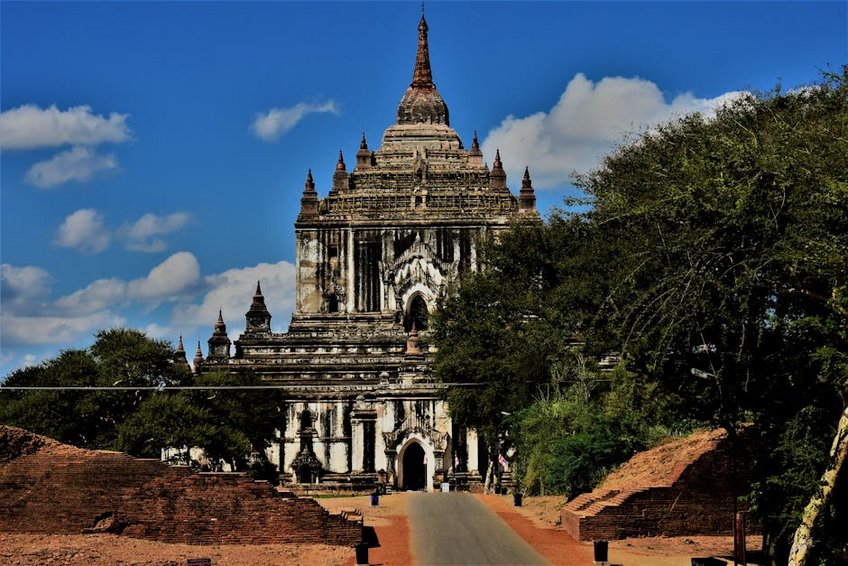
Alt: “bagan-myanmar-ancient-temples-sunrise-hot-air-balloons”
Myanmar Bagan January Temperatures – Planning Your Trip
January represents the climatic sweet spot for a Bagan adventure, with the Myanmar Bagan January temperatures providing optimal comfort for extensive exploration. The cool, dry weather allows for full days of activity without the exhaustion that comes with hotter months. You’ll experience clear skies almost guaranteed, making it the best month for iconic balloon flights and uninterrupted panoramic views.
This peak season demands advance planning for accommodations and experiences. Hotels in popular areas like New Bagan and Nyaung-U fill weeks ahead, especially for rooms with premier temple views. Booking your hot air balloon ride requires reservation months in advance due to limited capacity and high demand during this perfect weather window.
Best Time to Visit Bagan
The absolute best time for temple exploration is between late November and late February, with January offering the most reliable conditions. Daytime highs average 86°F (30°C), dropping to pleasant lows around 68°F (20°C) at night. Rainfall is virtually nonexistent, with less than 0.1 inches expected for the entire month.
Shoulder seasons in November and February see slightly warmer temperatures but remain excellent alternatives. March begins the hot season with temperatures climbing above 95°F (35°C). The wet season from May to October brings lush greenery but challenging mud, limited access to dirt paths, and frequent afternoon downpours.
Budget Planning and Costs
January falls within peak season, so expect rates 20-30% higher than other months. Your budget should account for the premium weather conditions and increased tourist activity.
Essential Preparation Checklist
Pack light, breathable clothing for daytime but include a light jacket for cooler mornings and evenings. Sturdy, comfortable shoes you can easily remove are essential for temple visits. A wide-brimmed hat, high-SPF sunscreen, and quality sunglasses are non-negotiable for sun protection.
Ensure your passport has at least six months validity and check Myanmar visa requirements for your nationality. US citizens need an e-visa ($50). Purchase travel insurance covering medical evacuation. Book domestic flights to Nyaung U Airport (NYU) from Yangon or Mandalay at least two months ahead for January travel.
Experiencing Bagan’s Temples and Landscapes
The sheer scale of Bagan’s temple complex can feel overwhelming without a strategic approach. Focus on different zones each day to appreciate architectural diversity while avoiding temple fatigue. Sunrise and sunset provide not only spectacular photography opportunities but also more comfortable temperatures for exploration.
While the famous hot air balloon rides offer breathtaking perspectives, ground-level exploration reveals intricate details. Hire a knowledgeable guide for at least one morning to understand historical context and discover lesser-known sites. The experience transforms from visual spectacle to meaningful cultural engagement.
Must-See Temple Highlights
Ananda Temple, built in 1105, represents Bagan’s architectural masterpiece with its gilded spire and four standing Buddha statues. Visit early morning to avoid crowds and witness perfect lighting on its white-washed walls. This active monastery requires respectful attire and offers cooler interior spaces during midday heat.
Shwesandaw Pagoda, known as the “sunset temple,” provides panoramic views from its upper terraces. Arrive 90 minutes before sunset to secure a viewing spot during January’s peak season. The climb involves steep steps, but the 360-degree vista across the plains justifies the effort.
Dhammayangyi Temple, Bagan’s largest structure, showcases impressive brickwork and mysterious sealed passages. Explore its massive corridors during late afternoon when the sun creates dramatic shadows. Local legend suggests the king built it to atone for his murderous sins.
Hidden Gems and Local Favorites
Venture to lesser-visited temples like Payathonzu with its unique triple shrines and surviving 13th-century murals. Located south of the main tourist circuit, it offers quiet contemplation without crowds. The nearby Thambula Temple features well-preserved frescoes depicting Buddhist legends.
Discover local life at Nyaung U Market, where vendors sell everything from tropical fruit to thanaka powder. Visit around 8 AM to see morning rituals and sample traditional breakfast snacks. Engaging with friendly vendors provides cultural interaction beyond temple photography.
Sunrise Viewing Strategies
January’s clear, dry atmosphere creates consistently spectacular sunrises with minimal haze. Popular viewing platforms at Shwesandaw or Pyathada Paya get crowded. Consider lesser-known options like North Guni Temple for a more private experience.
For a unique perspective, some e-bike operators offer sunrise tours ending with breakfast at local tea shops. Alternatively, book a morning balloon flight for the ultimate aerial view as the sun illuminates thousands of temples simultaneously. Remember that temperatures can dip to 65°F (18°C) before dawn, so bring layers.
Practical Travel Information and Logistics
Reaching Bagan requires connecting through Myanmar’s main gateways. Most international travelers fly into Yangon (RGN) or Mandalay (MDL), then take a domestic flight, bus, or private car to Bagan. January’s dry weather makes all transportation options reliable, though road journeys can be dusty.
Accommodation clusters in three main areas: Nyaung-U (budget, near airport and market), Old Bagan (archaeological zone, mid-range to luxury), and New Bagan (developed area with restaurants and mid-range hotels). Each location offers different advantages depending on your priorities and budget.
| Accommodation Area | Features & Atmosphere | Price Range/Night (USD) |
|---|---|---|
| Nyaung-U | Near airport & train station, local markets, budget guesthouses, convenient for early transport | $25 – $60 |
| Old Bagan | Inside archaeological zone, temple views, luxury resorts, restricted development, serene atmosphere | $120 – $400+ |
| New Bagan | Modern facilities, diverse restaurants, mid-range hotels, family-friendly, slightly removed from main sites | $50 – $150 |
| Riverfront | Irrawaddy River views, boutique properties, boat access, quieter location, fewer dining options | $80 – $250 |