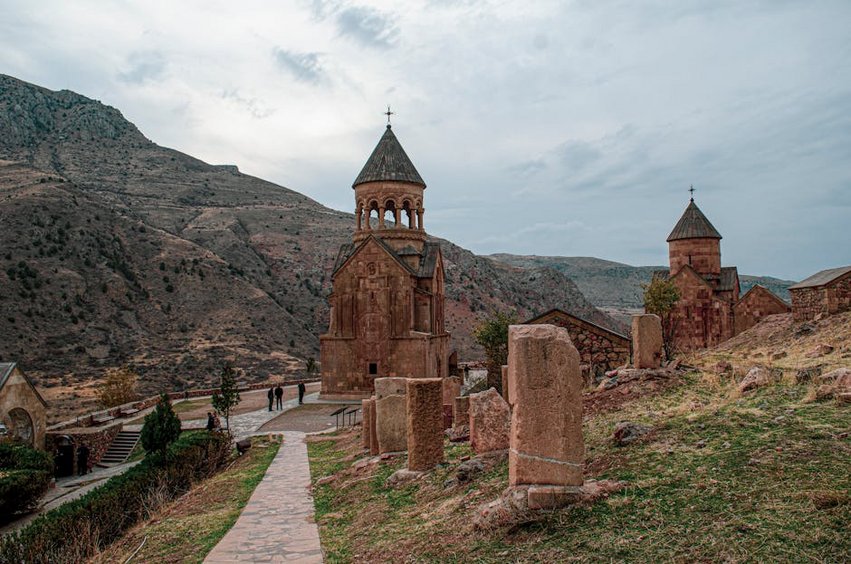
Monastery Routes in Armenia: Exploring Ancient Spiritual Landscapes
Armenia’s monastery routes weave through dramatic mountain passes and serene valleys, connecting over a thousand years of Christian heritage. These stone sanctuaries showcase unique architectural styles like the Armenian cross-dome, often built in locations chosen for both defensive security and spiritual contemplation. This guide details the major routes, practical logistics for independent exploration, and cultural insights for visiting these UNESCO-recognized sites respectfully.
Essential Information: Armenia’s Monastic Heritage
Armenian monastic architecture developed from the 4th century AD, following the nation’s adoption of Christianity as a state religion in 301 AD. These complexes served as religious centers, scholarly hubs, and fortresses during turbulent periods. Their remote locations protected manuscripts and traditions, preserving a distinct cultural identity through centuries.
Key architectural elements include the central dome, the gavit (narthex), and intricate stone carvings called khachkars. Monasteries like Geghard feature structures hewn directly from solid rock. The integration of buildings with their natural surroundings creates a powerful aesthetic harmony, emphasizing a connection between faith and landscape.
Visiting these sites requires understanding their ongoing religious significance. Many remain active places of worship for the Armenian Apostolic Church. Travelers should dress modestly, speak quietly within church walls, and observe local customs during services. Photography is generally permitted but always check for signs prohibiting it in specific chapels.
Historical Context and UNESCO Recognition
Several complexes are protected by UNESCO for their outstanding universal value. These sites demonstrate the evolution of Armenian ecclesiastical architecture and its influence across the region.
- Monasteries of Haghpat and Sanahin: These 10th-century foundations in northern Lori province represent the peak of Armenian religious architecture, famed for their scriptoria and libraries that fostered medieval learning.
- Monastery of Geghard and the Upper Azat Valley: Partially carved from the adjacent mountain, this 13th-century complex houses sacred relics and showcases spectacular rock-cut churches and tombs.
- Cathedral and Churches of Echmiadzin and the Archaeological Site of Zvartnots: The spiritual center of Armenia, featuring the Mother Cathedral of Holy Etchmiadzin (4th century) and the ruins of the circular Zvartnots Temple.
- Budget Traveler ($40-60/day): Stay in hostels or guesthouses ($15-25/night), use marshrutkas and shared taxis ($5-15/day), eat at local eateries ($10-15/day), and visit mostly free monastery sites. This style requires flexibility and patience with public transport schedules.
- Mid-Range Traveler ($80-120/day): Book comfortable 3-star hotels or B&Bs ($40-70/night), hire a private driver for day trips ($50-80/day split between 2-4 people), enjoy restaurant meals ($20-30/day), and include guided tours at key sites. This offers the best balance of comfort and value.
- Luxury Traveler ($200+/day): Stay in boutique hotels or high-end resorts ($100-150/night), utilize a private car and guide for the entire route ($100-150/day), dine at top-rated restaurants ($40-60/day), and enjoy curated experiences like private manuscript viewings. This ensures maximum convenience and depth.
- Armenia Tourism Committee Official Site
- UNESCO World Heritage Centre – Armenia
Key Architectural Features to Identify
Recognizing common elements enriches the visit. The central dome symbolizes the vault of heaven, supported by four massive pillars within the church. Exterior facades often feature blind arcades and carved geometric patterns. The gavit, a unique Armenian feature, is a square hall used for gatherings and burials, typically with a central roof opening.
Khachkars, or cross-stones, are UNESCO-listed intangible cultural heritage. Each one is a unique work of art, with lace-like carvings of crosses, rosettes, and botanical motifs. The finest examples can be seen at Noravank and Goshavank. Note the intricate detail and the name of the carver often inscribed at the base.
The Role of Monasteries in Armenian Culture
Beyond religion, these complexes were centers of art, science, and education. They housed scriptoria where monks meticulously copied and illuminated manuscripts. Universities operated within monastic grounds, teaching theology, philosophy, medicine, and music. This scholarly tradition was crucial for preserving the Armenian language and history during foreign rule.
Today, monasteries are national symbols of resilience and cultural endurance. Pilgrimages to sites like Khor Virap, with its stunning view of Mount Ararat, remain deeply meaningful. Visiting during a major feast day, like Vardavar, offers a vibrant glimpse into living traditions that continue to shape Armenian identity.
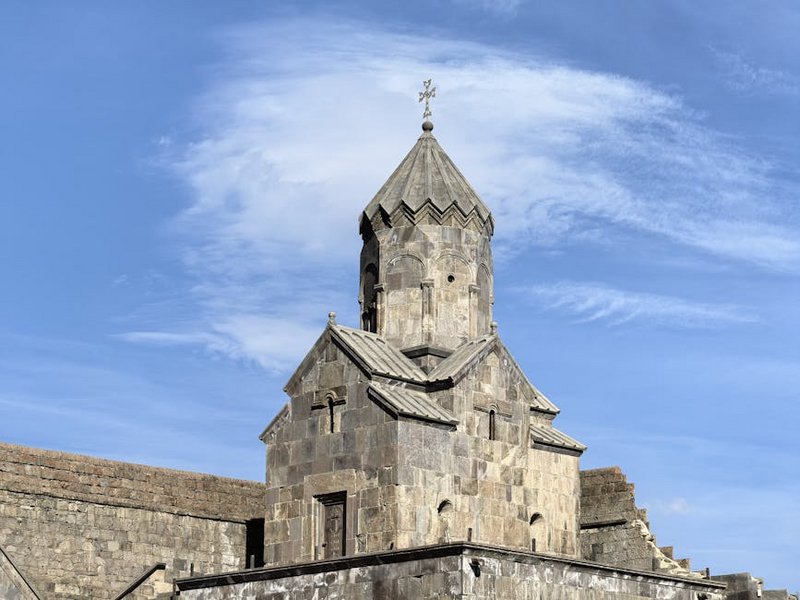
Alt: “geghard-monastery-rock-cut-chapel-armenia-mountain-valley”
Monastery Routes in Armenia – Planning Your Pilgrimage
Designing your monastery routes in Armenia involves selecting geographic clusters to minimize travel time. The country’s compact size allows you to visit several major sites from a single base, like Yerevan or Dilijan. Focus on one or two regions per day to appreciate each location without rushing. Road conditions vary, so renting a sturdy vehicle or hiring a knowledgeable driver is recommended for remote areas.
A realistic budget for a week-long pilgrimage starts at approximately $800 per person, excluding international flights. This covers mid-range hotels, rental car or private driver services, museum entry fees, and daily meals. Costs decrease significantly for budget travelers using marshrutkas (shared minivans) and guesthouses. Many monastic sites request a small donation for maintenance, so carry local currency in small denominations.
Your itinerary success depends on seasonal planning. Spring (May-June) and autumn (September-October) offer mild temperatures between 60-75°F (15-24°C) and vibrant landscapes. Summer visits require early starts to avoid heat and larger tourist groups at popular stops. Winter transforms the routes into a challenging but stunning snowscape, with some high-altitude roads closed.
Best Time to Visit Armenian Monasteries
The ideal months for exploring monastery routes are May, June, September, and October. Daytime temperatures range from a pleasant 65-80°F (18-27°C), and rainfall is minimal. These conditions are perfect for hiking between sites in areas like the Dilijan National Park. The landscapes are lush in spring and golden in autumn, providing exceptional photographic opportunities against the ancient stonework.
Shoulder seasons like April and November see fewer visitors and lower accommodation prices, with temperatures of 50-65°F (10-18°C). Be prepared for sudden weather changes in the mountains. July and August can be hot, exceeding 86°F (30°C) in the Ararat Valley, but are viable if you plan indoor visits during midday. Winter offers a serene, solitary experience, though access to Tatev via cable car may be limited.
Budget Planning and Costs
Costs vary based on travel style and group size. The following breakdown provides a clear framework for daily expenses in USD.
Essential Preparation Checklist
Pack for variable mountain weather, even in summer. Essential items include layered clothing, a waterproof jacket, sturdy walking shoes with good grip for uneven stone paths, a headscarf for women (for entering churches), and a reusable water bottle. Bring sun protection, as many sites have little shade. A power bank for your phone is crucial for navigation and translation apps in remote areas.
Required documents include a passport valid for six months beyond your stay. U.S. and EU citizens receive a 180-day visa on arrival. Purchase comprehensive travel insurance covering medical evacuation. Book rental cars and drivers well in advance, especially for autumn visits. Download offline maps of Armenia on Google Maps or Maps.me, as cellular service can be unreliable in valleys.
Top Monastery Routes and Itineraries
Armenia’s monastic sites are grouped into natural geographic circuits. The northern route focuses on the forested landscapes of Lori and Tavush regions, featuring the UNESCO twins of Haghpat and Sanahin. The southern route descends through the rugged Vayots Dzor province toward the breathtaking Tatev monastery, accessible by the world’s longest reversible cable car. The central circuit includes sites easily reached from Yerevan, like the iconic Khor Virap with Mount Ararat views.
Each route offers a distinct atmosphere and historical narrative. Combining a northern and southern itinerary over 7-10 days provides a comprehensive experience. Allow at least two hours at each major complex to explore the churches, surrounding chapels, and cemeteries. Early morning or late afternoon visits yield the best light for photography and fewer tour buses.
Respectful visitation is paramount. Maintain a quiet demeanor, dress conservatively (covering shoulders and knees), and avoid turning your back to the altar when leaving the main sanctuary. Men should remove hats inside churches. If you encounter a service in progress, observe quietly from the back or outside; participation in communion is reserved for baptized Armenians.
Northern Route: Haghpat, Sanahin, and Akhtala
The Lori region hosts some of Armenia’s most impressive medieval architecture. Start in Alaverdi, then ascend to Haghpat Monastery (10th-13th centuries), renowned for its scriptorium and acoustically perfect gavit. Sanahin Monastery, a short drive away, means “this one is older than that one” and features a celebrated library building and intricate khachkars. The route showcases the harmonious blend of architecture with the Debed River Gorge landscape.
Include a stop at Akhtala Fortress, a 10th-century stronghold with a richly frescoed church. The vivid Byzantine-style paintings from 1205 are a rarity in Armenia. The nearby town of Dilijan, “Armenia’s Switzerland,” serves as an excellent base. Use it to explore additional forest-hidden monasteries like Goshavank and Haghartsin, which are part of the Dilijan National Park trails.
Southern Route: Tatev, Noravank, and Khor Virap
This dramatic route traverses the Selim Pass and Vayots Dzor’s wine region. The pinnacle is the 9th-century Tatev Monastery, reached via the Wings of Tatev aerial tramway over the Vorotan Gorge. The complex includes a swinging column (Gavazan) that functioned as a seismometer. Noravank Monastery, set amidst stunning red rock cliffs, is famed for its two-story Surb Astvatsatsin church and ornate stone carvings by master Momik.
Khor Virap, located near the Turkish border, is the legendary imprisonment site of St. Gregory the Illuminator. Its deep underground pit is accessible by ladder. The monastery offers the country’s most iconic view of Mount Ararat. This southern circuit can be completed in 2-3 days from Yerevan, with overnight stays in towns like Goris or Yeghegnadzor to break up the journey.
Central Route: Geghard, Garni, and Echmiadzin
This accessible day trip from Yerevan contrasts pagan and Christian history. Start at the Garni Temple, a perfectly preserved 1st-century Roman-style Hellenistic temple. Then proceed to Geghard Monastery, a UNESCO site partially carved from the cliff face. The name means “spear,” referring to the Holy Lance relic once housed here. Explore the awe-inspiring rock-cut chambers and listen for choral music echoing in the caves.
Continue to the spiritual center of the Armenian Church in Vagharshapat (Echmiadzin). The Mother Cathedral, founded in 303 AD, is considered the oldest cathedral in the world. The treasury museum displays priceless relics, including a fragment of Noah’s Ark. This route requires a full day, with lunch available at local homes near Garni serving authentic Armenian lavash baked in tonirs (underground ovens).
Practical Travel Information
Transportation options range from public marshrutkas to private drivers. Renting a car provides maximum flexibility, though navigating Yerevan traffic and rural roads requires confidence. Major international rental agencies operate at Zvartnots International Airport (EVN). For the most stress-free experience, especially on the winding southern roads, hiring a local driver-guide is a worthwhile investment. They provide invaluable historical context and handle logistics.
Accommodation spans from Yerevan’s luxury hotels to family-run guesthouses in villages like Dilijan and Goris. Booking.com and Airbnb offer wide selections. Staying in a guesthouse provides authentic interaction with locals and often includes home-cooked meals. For monastery routes, choose bases that minimize daily backtracking; Dilijan for the north, Yeghegnadzor for the south, and Yerevan for central sites.
| Transportation Method | Key Features & Best For | Approximate Daily Cost (USD) |
|---|---|---|
| Rental Car | Maximum flexibility, requires international license, parking challenges in cities. | $30-50 + fuel |
| Private Driver | Local expertise, door-to-door service, includes commentary and route planning. | $60-100 (split between group) |
| Marshrutka (Minivan) | Very affordable, connects major towns, no fixed schedule (leaves when full). | $5-15 per segment |
| Taxi (Intercity) | Convenient for specific point-to-point trips, negotiate price before departure. | $20-50 per trip |