Mexico City Travel Guide: Explore the Heart of Mexican Culture
Planning your trip with a comprehensive Mexico City travel guide is the first step to unlocking one of the world’s most dynamic capitals. CDMX blends ancient Aztec ruins with cutting-edge contemporary art, offering an unparalleled urban adventure where history lives on every street corner. This guide provides the essential logistics, cultural insights, and local secrets to navigate its vibrant neighborhoods, world-class cuisine, and astonishing museums confidently.
Essential Mexico City Information
Mexico City, known locally as CDMX, is the capital of Mexico and one of the largest metropolitan areas in the world. Founded in 1325 by the Mexica people as Tenochtitlan, its history spans empires, from the Aztec to the Spanish colonial. Today, it’s a bustling megalopolis sitting at an altitude of 7,350 feet, which can affect some visitors with mild altitude sickness during their first days.
The city is divided into 16 boroughs, with key tourist areas concentrated in the central and southern parts. Spanish is the official language, though English is widely spoken in hotels, tourist attractions, and upscale restaurants. The Mexican Peso (MXN) is the currency, and while credit cards are accepted in most establishments, carrying some cash for markets and smaller vendors is wise.
Climate and Weather Patterns
Understanding the climate is crucial for packing appropriately.
- The city enjoys a subtropical highland climate with mild temperatures year-round, averaging 66°F (19°C).
- The dry season runs from November to April, offering sunny days with cool nights, perfect for exploration.
- The rainy season spans May to October, with short, intense afternoon showers that rarely disrupt full days of travel.
- Budget travelers can manage on $40-$60 USD per day by staying in hostels, eating primarily at markets and street stalls, using public transport, and visiting free attractions like the Zócalo and Sunday museum entries.
- Mid-range visitors should budget $100-$180 USD daily for comfortable boutique hotels, a mix of casual and nice restaurants, occasional taxis, and paid entry to major museums and guided tours.
- A luxury experience starts at $300+ USD per day, covering five-star hotels in Polanco, fine dining, private drivers, and exclusive experiences like a private tour of the Frida Kahlo Museum.
- Mexico Tourism Board
- Mexico City Government Portal
- UNESCO: Historic Centre of Mexico City
Visa and Entry Requirements
Entry requirements are straightforward for many international travelers. U.S., Canadian, and EU passport holders do not need a visa for tourist visits of up to 180 days. You will receive a tourist card, or FMM, upon arrival by air or land, which you must keep safe and present upon departure. Always ensure your passport is valid for at least six months beyond your planned exit date from Mexico.
Safety and Navigating the City
Mexico City is generally safe for tourists who exercise standard urban caution. Petty theft like pickpocketing can occur in crowded areas such as markets and on the Metro. Use authorized taxi services or ride-sharing apps like Uber and DiDi for secure transportation, especially at night. Research neighborhoods in advance and stay in well-trafficked, tourist-friendly zones like Polanco, Roma, and Condesa for a worry-free experience.
Alt: “mexico-city-historic-center-zocalo-palace-fine-arts”
Mexico City Travel Guide – Planning Your Trip
Effective planning transforms a good visit into a great one in this sprawling metropolis. Your Mexico City travel guide should account for the city’s sheer size and diverse offerings, balancing iconic sights with local immersion. Prioritize neighborhoods based on your interests, book key attractions in advance, and build an itinerary that includes downtime to acclimate to the altitude. Allocate your budget across accommodation, dining, and experiences to maximize value.
Consider purchasing a Mexico City Pass for discounted entry to several major museums and attractions. Download offline maps and translation apps to navigate with ease, as English signage is not universal. Most importantly, build flexibility into your schedule to discover hidden plazas, spontaneous markets, and the incredible street food that defines daily life here.
Best Time to Visit Mexico City
The absolute best time for a visit is during the dry season, from late November through April. Daytime temperatures are consistently pleasant, ranging from 70-75°F (21-24°C), with chilly nights dipping to 45°F (7°C). This period has minimal rain, ensuring clear skies for exploring ruins and open-air markets. The weeks around Easter and Christmas are particularly vibrant with festivals but also more crowded.
Shoulder months like May and October offer a good compromise with fewer tourists and lower hotel rates. Be prepared for occasional rain showers in the late afternoon. The rainy summer months bring lush, green scenery and cultural events, though humidity is higher and showers are a daily occurrence.
Budget Planning and Costs
A daily budget can vary dramatically based on your travel style.
Essential Preparation Checklist
Pack layers regardless of the season, including a light jacket for cool evenings and rain gear if visiting in summer. Comfortable walking shoes are non-negotiable for exploring cobblestone streets and massive archaeological sites. Bring sunscreen and a hat for protection against strong sun at high altitude, and consider packing altitude sickness medication like Diamox if you’re sensitive.
Ensure you have travel insurance that covers medical emergencies and trip interruption. Notify your bank of your travel plans to use credit cards without issues. Finally, learn a few basic Spanish phrases; a simple “por favor” (please) and “gracias” (thank you) go a long way in showing respect and enhancing your interactions with locals.
Top Attractions and Cultural Highlights
The historic center, a UNESCO World Heritage site, is the undeniable heart of the Mexican capital. Here, the enormous Zócalo main square is flanked by the Metropolitan Cathedral and the National Palace, home to Diego Rivera’s monumental murals. A few blocks away, the ruins of the Templo Mayor offer a profound glimpse into the Aztec empire that once ruled this very ground. These sites collectively narrate the layered history of CDMX.
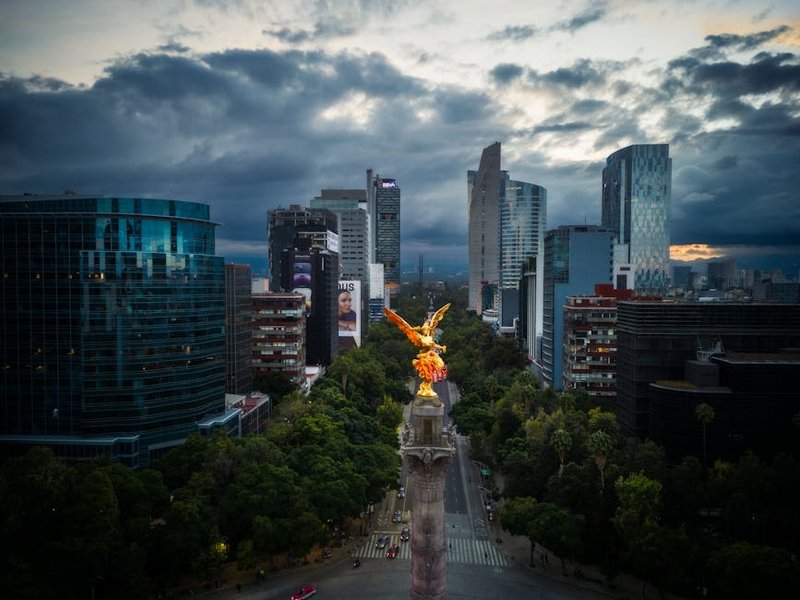
Beyond the center, the city’s cultural wealth is staggering. The National Museum of Anthropology in Chapultepec Park is arguably the world’s finest museum dedicated to Mesoamerican civilizations. The elegant Paseo de la Reforma boulevard, modeled after European avenues, is dotted with monuments and leads to the iconic Angel of Independence. Each neighborhood offers a distinct personality, from the artistic vibe of Coyoacán to the sleek modernity of Polanco.
Must-See Historical Sites
The Pyramid of the Sun and Moon at the ancient city of Teotihuacán, located just an hour outside the city, are an unmissable day trip. Climbing these massive structures provides breathtaking views and a tangible connection to pre-Hispanic history. Entrance costs about $5 USD, and hiring a guide on-site is highly recommended to understand the site’s significance. Go early in the morning to avoid crowds and the midday heat.
In the southern borough of Coyoacán, the Frida Kahlo Museum, or Casa Azul, is a pilgrimage site for art lovers. The vibrant blue house where Kahlo lived and worked displays her personal artifacts, iconic paintings, and haunting prosthetic devices. Tickets must be purchased online well in advance, with prices around $15-20 USD. The charming neighborhood itself, with its cobblestone streets and lively plazas, is worth an afternoon of exploration.
Hidden Gems and Local Favorites
Venture to the canals of Xochimilco, a UNESCO site often called the “Mexican Venice.” Here, you can rent a colorful trajinera boat for a few hours, float past “floating gardens,” and enjoy mariachi music and food from passing boats. It’s a festive, uniquely local experience, especially on weekends. For a quieter alternative, visit the Dolores Olmedo Museum in Xochimilco, which houses an impressive collection of Kahlo and Rivera works in a beautiful hacienda setting.
Discover the Biblioteca Vasconcelos, a stunning and futuristic public library that is an architectural wonder. Often called the “megalibrary,” its open shelves and suspended design create a surreal atmosphere. Admission is free, and it’s a peaceful retreat from the city bustle. Similarly, the Luis Barragán House and Studio in Tacubaya, another UNESCO site, offers guided tours into the revolutionary world of one of Mexico’s most celebrated architects.
Art and Museum Exploration
Beyond the Anthropology Museum, CDMX’s art scene is world-class. The Museo Soumaya in Polanco, with its shimmering, asymmetrical facade, houses a vast private collection spanning 30 centuries, including the largest assemblage of Rodin sculptures outside France. Admission is free. For contemporary art, the Museo Jumex, right next door, presents cutting-edge exhibitions from Mexico and beyond in a striking geometric building designed by David Chipperfield.
The Palacio de Bellas Artes is both an architectural masterpiece and the country’s premier cultural venue. Its stunning Art Nouveau and Art Deco interior features murals by Rivera, Siqueiros, and Orozco. Check the schedule for performances by the Ballet Folklórico, a spectacular showcase of Mexican dance and music. The building’s top-floor cafe offers one of the best views of the adjacent Alameda Central park.
Practical Travel and Accommodation Information
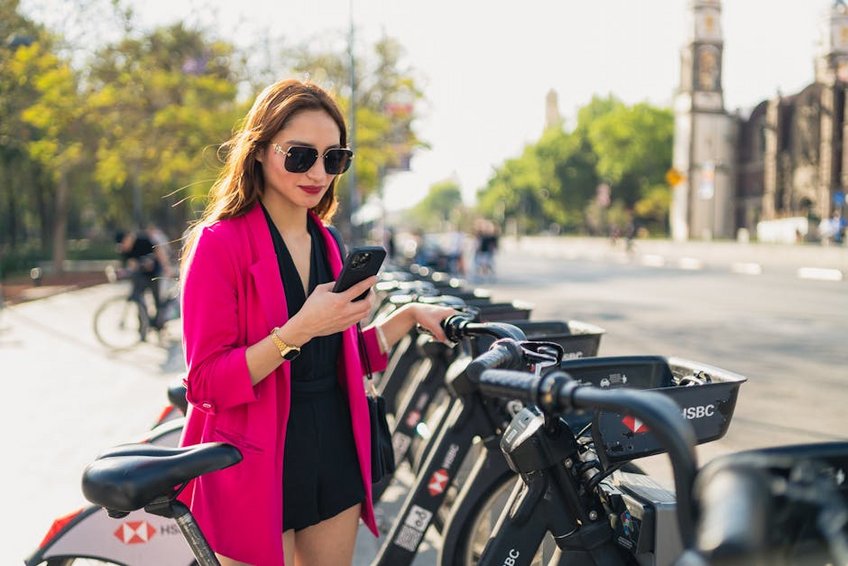
Navigating the urban expanse requires a smart mix of transportation options. The Mexico City Metro is incredibly efficient and cheap (about $0.25 USD per ride), connecting most major tourist areas via 12 lines. For above-ground travel, metrobuses use dedicated lanes and are faster than regular buses. Ride-sharing apps are affordable and reliable for direct point-to-point trips, especially at night or when carrying shopping.
Accommodation choices are abundant and cater to all styles. The central neighborhoods of Roma and Condesa are ideal for first-time visitors, offering walkable streets, great restaurants, and a bohemian atmosphere. Polanco provides upscale luxury and designer shopping, while Coyoacán offers a quieter, village-like feel steeped in history. Book your hotel at least two months in advance for peak season visits to secure the best rates and locations.
| Accommodation Type | Best Neighborhoods & Features | Avg. Price Range/Night (USD) |
|---|---|---|
| Budget Hostel | Centro Histórico or Roma Norte; dorm beds, social atmosphere, free walking tours | $15 – $30 |
| Boutique Hotel | Condesa or Roma; design-focused, rooftop terraces, local restaurant recommendations | $80 – $180 |
| Business Hotel | Reforma Avenue; modern amenities, fitness centers, reliable concierge services | $100 – $220 |
| Luxury Hotel | Polanco; five-star service, fine dining, spa facilities, chauffeur services | $250 – $600+ |