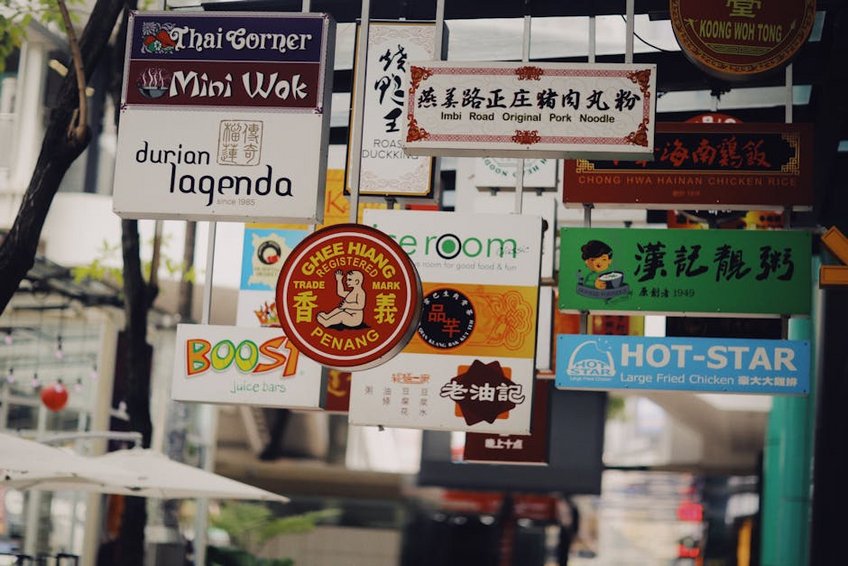
Malaysia Penang Street Food Guide
Your Malaysia Penang street food guide unlocks one of Asia’s most celebrated culinary destinations, a compact island where Chinese, Malay, Indian, and Nyonya flavors converge at bustling hawker centers. From the smoky woks of Georgetown’s evening stalls to the morning vendors serving aromatic bowls of laksa, Penang offers an accessible and affordable gastronomic adventure where dishes often cost less than $5. This guide provides practical strategies for navigating the hawker scene, identifying must-try signature dishes, and experiencing local food culture like a seasoned traveler.
Essential Penang Food Culture
Penang’s food identity, declared a UNESCO World Heritage site for its cultural significance, developed over centuries as a key Straits Settlement trading port. Migrant communities from Southern China, India, and the Malay archipelago brought their culinary techniques, creating a unique Peranakan or Nyonya cuisine characterized by complex spice pastes and coconut milk. Today, this heritage thrives in open-air complexes and along five-footways where generations-old family recipes are served daily.
The island’s hawker food scene operates on a vibrant ecosystem of morning, afternoon, and night markets, each with its own specialties and atmosphere. Vendors often specialize in just one or two dishes perfected over decades, ensuring remarkable consistency and quality. Understanding this rhythm helps you plan your eating itinerary to catch specific dishes at their peak freshness and availability.
Core Cuisine Influences
Recognizing the four main culinary pillars enhances your tasting experience.
- Chinese: Dominates the scene with Hokkien, Cantonese, and Teochew staples like Char Koay Teow (stir-fried rice noodles with shrimp and bloody cockles) and Hokkien Mee (prawn noodle soup), often utilizing pork and seafood.
- Malay: Features bolder, spicier flavors with dishes like Nasi Kandar (steamed rice with curry) and Satay (skewered grilled meat), using halal ingredients like beef, chicken, and mutton.
- Indian: Brings vibrant vegetarian options and flatbreads, including Roti Canai (flaky, griddle-fried bread with dhal) and Banana Leaf Rice, centered in Little India around Market Street.
- Peranakan (Nyonya): A fusion of Chinese ingredients with Malay spices, producing labor-intensive dishes like Assam Laksa (sour fish noodle soup) and Curry Kapitan (chicken curry).
- Budget Eater: $15-25 USD daily covers 3-4 hawker meals, local drinks, and street snacks. Focus on rice and noodle dishes from established stalls, drink local Kopi O or Teh Tarik ($0.80-1.50), and use Grab transport for longer distances.
- Mid-Range Explorer: $30-50 USD daily allows for tasting more premium items like crab dishes, visiting higher-end coffee shops, and including dessert specialties. This budget accommodates taxi transport between food neighborhoods and the occasional sit-down restaurant meal.
- Luxury Foodie: $75+ USD daily enables private food tours, reserved tables at famous stalls, and dining at acclaimed Peranakan restaurants. This tier includes air-conditioned vehicle transport, premium accommodation near food hubs, and tasting menus showcasing rare Nyonya dishes.
- Tourism Malaysia Official Site
- Penang Foodie Blog
How Hawker Centers Work
Penang’s hawker centers are self-service food courts with communal seating and numerous individual stalls. You typically find a table first, note its number, then order directly from various vendors who will deliver food to your location. Payment is made per stall upon delivery, so carrying small Malaysian Ringgit notes (RM5, RM10) is essential for convenience and speed.
Popular centers like Gurney Drive or New Lane operate from late afternoon until midnight, while morning specialists like Air Itam Market thrive from sunrise until early afternoon. Hygiene standards are generally good, with most vendors displaying their license from the local council. Observing where locals queue remains the most reliable indicator of quality and taste.
Key Food Neighborhoods
George City’s historic core contains the highest concentration of legendary stalls within walking distance. Armenian Street and Chulia Street are epicenters for night hawker fare, while Lebuh Kimberley is famous for its evening Hokkien mee and oyster omelet stalls. Venturing to suburban areas like Air Itam or Batu Ferringhi offers a more local experience with specific pilgrimage-worthy dishes.
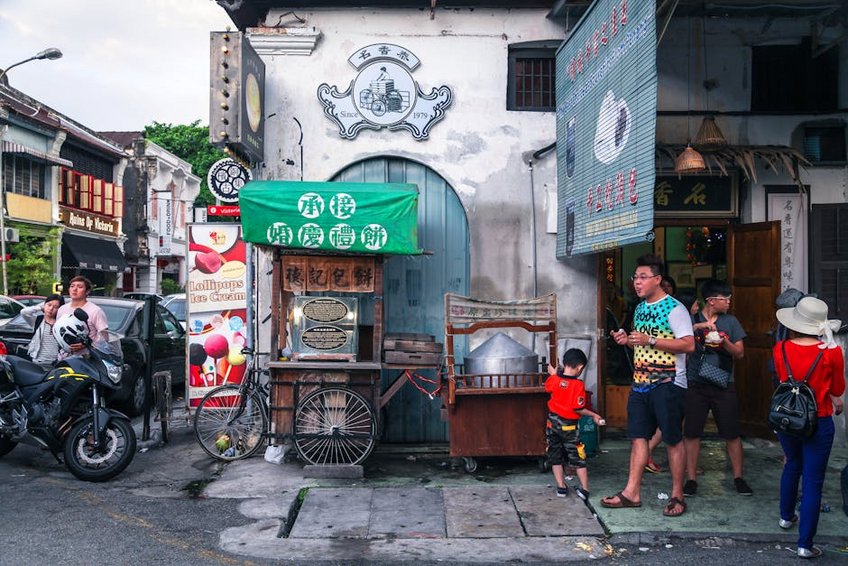
Alt: “georgetown-penang-hawker-stall-char-koay-teow-wok”
Malaysia Penang Street Food Guide – Planning Your Trip
Planning your Penang street food adventure requires timing, strategy, and an understanding of local logistics. The island’s tropical climate means it’s hot year-round, but seasonal rainfall can affect your ability to dine alfresco at open-air centers. Your itinerary should balance famous must-try dishes with exploratory wandering in heritage neighborhoods where hidden gems operate.
Allocate at least three full days for a comprehensive tasting tour, allowing time for multiple meals per day with breaks in between. Staying in central George City provides walking access to many top stalls and reduces reliance on taxis during peak evening hours when traffic congests around popular food areas. Booking accommodations with strong air conditioning offers a welcome respite between food excursions.
Best Time to Visit Penang for Food
The optimal food tourism window falls between November and February, when the northeast monsoon’s rainfall is lower and temperatures average 82-90°F (28-32°C). These cooler, drier months make exploring outdoor hawker centers more comfortable, though you’ll encounter more tourist crowds. Major festivals like Chinese New Year (January/February) offer special seasonal foods but cause some famous stalls to close for several days.
Shoulder seasons from March to April and June to August see higher humidity and occasional afternoon thunderstorms, but hawker centers operate normally. The rainy season peaks from September to October, with short, intense downpours that might temporarily disrupt outdoor dining. Regardless of timing, morning and late-night eating sessions typically avoid the heaviest rainfall.
Budget Planning and Costs
Penang is extraordinarily affordable for food-focused travel, with most dishes priced between $1-4 USD.
Essential Preparation Checklist
Pack lightweight, breathable clothing suitable for hot, humid weather and sudden rain showers. Comfortable walking shoes are non-negotiable for navigating George City’s streets and hawker centers. Include hand sanitizer or wet wipes, as facilities may have basic soap provisions, and a small umbrella or rain jacket for tropical downpours.
Ensure you have a functional international data plan or local SIM card for using Grab (Southeast Asia’s Uber) and Google Maps to locate stalls. No special visas are required for US or EU passport holders for stays under 90 days. While tap water is treated, stick to bottled or filtered water, and consider travel insurance covering food-related illness, though instances are rare at reputable stalls.
Top Hawker Dishes and Must-Try Experiences
Penang’s culinary landscape features iconic dishes that have achieved legendary status among food lovers worldwide. Each specialty has its own history, preferred vendors, and optimal time for consumption. A successful tasting journey involves trying these benchmark dishes while remaining open to spontaneous discoveries at lesser-known stalls where flavors might surprise you.
Prioritize dishes that are uniquely Penang-based, as versions elsewhere in Malaysia often differ significantly in preparation and ingredient quality. The island’s access to fresh seafood from the Malacca Strait, particular varieties of noodles, and locally grown herbs contribute to distinctive flavors hard to replicate. Allocate stomach space wisely by sharing dishes with travel companions to maximize variety.
Signature Dishes You Cannot Miss
Char Koay Teow represents Penang’s most famous export: flat rice noodles stir-fried in pork fat with shrimp, bloody cockles, bean sprouts, egg, and chili paste. The best versions come from smoky woks at decades-old stalls like Siam Road Char Koay Teow, where the “wok hei” (breath of the wok) flavor is paramount. Expect to pay RM 8-12 ($1.70-2.50) and queues lasting 30+ minutes during peak hours.
Assam Laksa offers a completely different taste profile—a sour, fish-based broth made with mackerel, tamarind, lemongrass, and chilies, served with thick rice noodles and garnished with pineapple, mint, and onion. The most acclaimed bowl comes from Air Itam Market’s Penang Assam Laksa stall, operating since the 1950s. This dish is typically a daytime meal, costing RM 6-8 ($1.30-1.70), with many vendors selling out by early afternoon.
Hokkien Mee (Penang Prawn Mee) features yellow noodles and rice vermicelli in a deeply flavored broth made from pork bones and prawn shells, topped with shrimp, pork slices, and boiled egg. Favorite stalls include Union Street Prawn Noodle and Hong Kee Bamboo Charcoal Mee, with prices ranging RM 7-10 ($1.50-2.10). This noodle soup is commonly enjoyed as a breakfast or lunch item, showcasing the local preference for savory morning meals.
Hidden Gems and Local Favorites
Beyond the tourist favorites, Penangites cherish dishes like Pasembur, a Malaysian salad with shredded vegetables, fried dough, tofu, and seafood topped with a sweet-spicy peanut sauce. Cecil Street Market’s stall serves an excellent version for RM 6-10 ($1.30-2.10). This refreshing dish provides a cool contrast to heavier fried foods and is especially popular during hotter afternoon hours.
Lor Bak, a Penang-style meat roll, consists of five-spice marinated pork wrapped in bean curd skin, deep-fried, and served with dipping sauce. Coupled with other items like fried shrimp rolls and tofu, it makes a perfect sharing platter. Try it at Kheng Pin Cafe on Jalan Sri Bahari during morning hours before they sell out. This establishment operates on limited hours, typically from morning until early afternoon.
Sweet Treats and Beverages
Complete your meals with local desserts like Cendol, shaved ice with green rice flour jelly, coconut milk, and palm sugar syrup, often topped with red beans. Penang Road’s Famous Teochew Cendol is the institution, with constant lines for their RM 3-4 ($0.65-0.85) bowls. For something warmer, try traditional biscuits from local bakeries or Nyonya kuih (colorful steamed cakes) available at morning markets.
Beverage culture revolves around Kopi (coffee) and Teh (tea), prepared with condensed milk and strained through a sock filter. Order “Kopi O” for black coffee with sugar, “Kopi C” for coffee with evaporated milk, or “Teh Tarik” for pulled tea. These cost RM 2-4 ($0.40-0.85) at most hawker stalls and provide essential caffeine for food crawls. Fresh fruit juices and local beers like Tiger complete the drinking options.
Practical Travel Information for Penang
Reaching Penang is straightforward via Penang International Airport (PEN), with direct flights from Kuala Lumpur, Singapore, Bangkok, and regional hubs. The airport is 18 km (11 miles) south of George City, with taxi fares fixed at RM 40-50 ($8.50-10.50) or Grab rides costing approximately RM 25-35 ($5.30-7.40). Alternatively, arrive by long-distance bus or train to Butterworth, then cross via the ferry or bridge to the island.
Getting around George City’s food hubs is best done on foot during daytime, as many famous stalls cluster within a 1-2 km (0.6-1.2 mile) radius. For farther destinations like Air Itam or Batu Ferringhi, use the Grab ride-hailing app, which offers transparent pricing and air-conditioned cars. Public buses are inexpensive but slower, with routes covering major tourist areas from the Komtar bus terminal.
| Accommodation Type | Best Areas & Features | Price Range (Nightly USD) |
|---|---|---|
| Budget Guesthouses | Love Lane, Chulia Street; basic rooms, shared bathrooms, excellent location for night markets | $15-35 |
| Mid-Range Hotels | George City Heritage Zone; restored shophouses, private bathrooms, breakfast included | $45-90 |
| Luxury/Boutique | Eastern & Oriental Hotel, Seven Terraces; historic properties, pools, fine dining options | $120-300+ |
| Beach Resorts | Batu Ferringhi; seaside location, multiple restaurants, requires transport to city food spots | $80-200 |