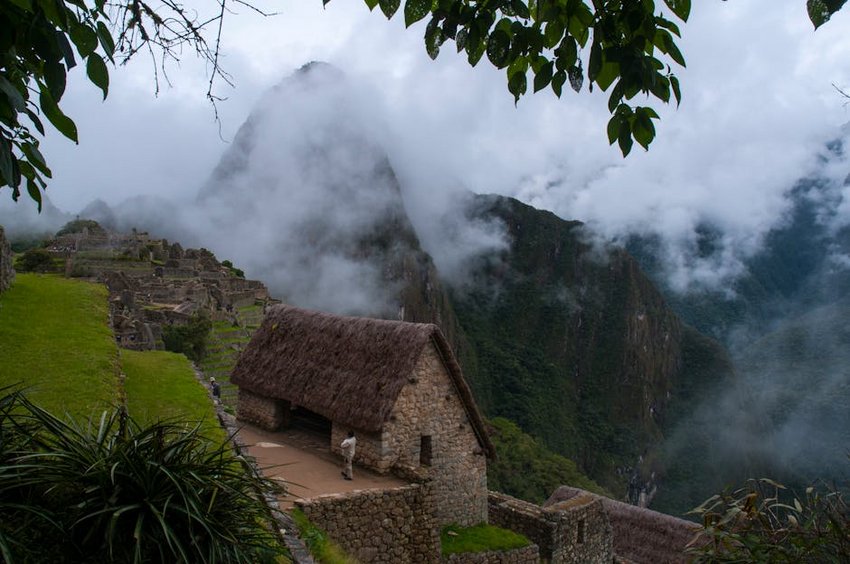
Machu Picchu Hiking Trail Guide: Navigate the Ancient Inca Paths
The Machu Picchu Hiking Trail Guide unlocks access to one of South America’s most iconic archaeological wonders through ancient footpaths winding through cloud forests and high Andes passes. This comprehensive resource details permit requirements, altitude acclimatization strategies, and route variations from the classic Inca Trail to lesser-known alternatives like Salkantay. You’ll discover practical logistics for securing bookings months ahead while maximizing your experience across Peru’s Sacred Valley landscapes.
Essential Inca Trail Information
The Inca Trail network served as the primary transportation system for the Inca Empire between the 15th and 16th centuries, connecting Cusco to Machu Picchu. These stone-paved pathways traverse multiple microclimates from high mountain passes at 4,215 meters to subtropical cloud forests. Modern conservation limits daily hiker numbers to 500 people including guides and porters.
All trekkers must hike with licensed operators who handle permit acquisition through the Ministry of Culture’s electronic system. The classic route covers 26 miles over four days with three mountain passes exceeding 4,000 meters elevation. You’ll encounter original Inca stairways, tunnels, and archaeological sites like Wiñay Wayna before the Sun Gate arrival.
Historical Significance and Architecture
Inca engineers constructed these trails without wheeled transportation or iron tools, using precisely cut stones that withstand earthquakes. The network facilitated rapid communication through chasqui runners who could relay messages 240 kilometers daily. Many original structures remain intact due to sophisticated drainage systems and earthquake-resistant construction techniques.
- Book permits precisely five months before your intended departure date through authorized tour operators, as permits sell out rapidly during peak season from May to September.
- Acclimatize in Cusco or Sacred Valley towns for two to three days before starting any high-altitude trek to minimize altitude sickness risks above 3,000 meters.
- Pack layered clothing for temperature variations from freezing nights to warm days, including waterproof gear for sudden mountain showers during rainy season from November to March.
- Budget operators charge $650-800 USD for basic services including permits, tents, food, and porters, ideal for experienced backpackers comfortable with simpler accommodations and larger groups up to 16 people.
- Mid-range tours cost $900-1,200 USD featuring better guide-to-client ratios, quality camping equipment, hotel nights in Cusco, and Vistadome train tickets with panoramic windows for the return journey.
- Luxury experiences range $1,500-2,000 USD with upgraded dining tents, sleeping pads, private bathrooms, expert guides, and additional services like massage therapists and photography assistance throughout the trek.
- Peruvian Ministry of Tourism
- Cusco Regional Tourism Authority
Trail Difficulty and Physical Preparation
The classic Inca Trail presents moderate to challenging terrain with steep ascents and descents on original stone steps that test knee joints. Dead Woman’s Pass reaches 4,215 meters where oxygen levels drop to approximately 60% of sea level conditions. Train with stair climbing and weighted backpack hikes for three months preceding your adventure.
Most operators classify the trek as difficulty level 7/10 requiring good cardiovascular fitness and previous multi-day hiking experience. Daily hiking distances range from 5 to 9 miles with elevation changes up to 1,000 meters between campsites. Porters carry main luggage while you manage daypacks with essentials.
Conservation Regulations and Responsible Tourism
Strict regulations protect the UNESCO World Heritage site from overtourism and environmental degradation. All waste must be carried out, with human waste deposited in designated toilet tents at campsites. Single-use plastics became prohibited in 2018 to reduce trail pollution from thousands of annual visitors.
Licensed operators must follow specific carrying capacity rules for porters with weight limits of 20 kilograms including their personal gear. Choose companies certified by the Porter Protection Law ensuring fair wages and proper equipment. Your tourism dollars directly support local communities when selecting ethically operated tours.
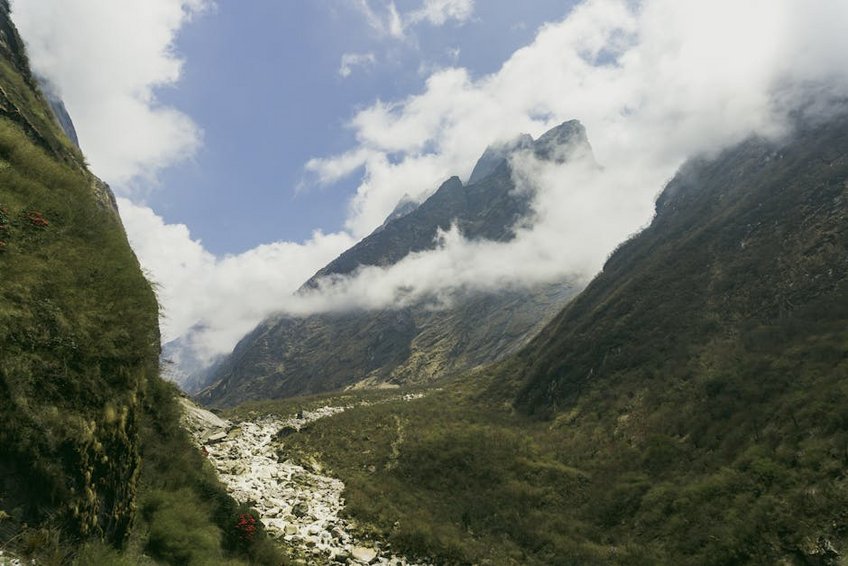
Alt: “inca-trail-machu-picchu-mountain-pass-hikers”
Machu Picchu Hiking Trail Guide – Planning Your Adventure
Successful Machu Picchu trekking requires meticulous planning around permit availability, seasonal weather patterns, and physical preparation timelines. The Peruvian government releases permits exactly five months in advance with specific departure dates selling within hours for popular months. Coordinate flights to Cusco with adequate acclimatization days before your scheduled trek start date.
Budget between $650-$2,000 USD depending on tour operator quality, group size, and included amenities like hotel nights and train tickets. Luxury options feature upgraded camping equipment, gourmet meals, and extra porters while budget choices maintain basic safety standards. Always verify operator licensing through official tourism authorities before payment.
Physical preparation should emphasize cardiovascular endurance through running or cycling combined with strength training for legs and core muscles. Practice hiking with your intended backpack weight on inclined terrain simulating Andean conditions. Break in hiking boots thoroughly before departure to prevent blisters during multi-day trekking.
Best Time to Visit Machu Picchu for Hiking
Dry season from May to September offers optimal hiking conditions with minimal rainfall and clear mountain views, though temperatures drop below freezing at high camps. Daytime temperatures range from 50-68°F (10-20°C) while nighttime temperatures can reach 23°F (-5°C) at elevation. This peak period requires booking six months ahead for permit security.
Shoulder months of April and October provide good conditions with fewer crowds and lower prices, though occasional rain showers occur. Wet season from November to March features lush vegetation but challenging muddy trails and frequent cloud cover obscuring views. February sees full trail closure for maintenance.
Budget Planning and Costs
Consider these three budget tiers when planning your Inca Trail experience:
Essential Preparation Checklist
Pack broken-in waterproof hiking boots, moisture-wicking clothing layers, a 30-liter daypack, and high-SPF sunscreen for intense equatorial sun exposure. Essential gear includes trekking poles for steep descents, headlamps for pre-dawn starts, and refillable water bottles with purification tablets. Test all equipment before departure.
Secure comprehensive travel insurance covering high-altitude trekking and emergency evacuation with minimum coverage of $100,000 USD. Arrange necessary vaccinations for yellow fever and typhoid while carrying altitude sickness medication like acetazolamide. Learn basic Spanish phrases for communicating with guides and porters along the route.
Top Attractions and Trekking Experiences
The Sacred Valley delivers breathtaking landscapes beyond Machu Picchu itself, with numerous archaeological sites and ecological zones accessible through various hiking routes. Each trail offers unique perspectives on Inca engineering and Andean ecosystems from high puna grasslands to cloud forests teeming with orchids and hummingbirds. You’ll encounter local communities maintaining traditional weaving and farming practices.
Classic four-day itineraries include visits to significant ruins like Patallacta, Runkurakay, and Phuyupatamarka with expert explanations of their ceremonial purposes. The final sunrise arrival through Inti Punku (Sun Gate) provides the iconic first view of Machu Picchu spread across the mountain ridge. Additional time exploring the citadel reveals sophisticated urban planning.
Must-See Highlights Along the Trails
Dead Woman’s Pass presents the trek’s highest point at 4,215 meters with panoramic views across the Vilcabamba mountain range, requiring steady pacing and proper hydration. The Inca site Wiñay Wayna features impressive agricultural terraces and ceremonial baths just two hours before Machu Picchu, often visited during final descent days.
Inti Punku (Sun Gate) marks the traditional entrance to Machu Picchu where morning light illuminates the ruins spectacularly at sunrise. The Temple of the Sun within Machu Picchu demonstrates precise astronomical alignment with winter solstice sunlight. Huayna Picchu Mountain offers challenging additional climbs with permits for breathtaking overhead perspectives.
Hidden Gems and Local Favorites
The less-crowded Lares Trek traverses authentic Quechua communities where you can observe traditional textile production and purchase directly from weavers. This route features stunning glacial lakes and hot springs at 3,200 meters elevation near the town of Lares. It requires moderate fitness with maximum altitude of 4,400 meters.
Vinicunca Rainbow Mountain has emerged as a popular day hike from Cusco, showcasing striated mineral deposits creating vibrant colors at 5,200 meters elevation. The Salkantay Trek approaches Machu Picchu from the opposite direction with views of the sacred Salkantay Mountain towering at 6,271 meters. Both alternatives avoid permit limitations of the classic route.
Alternative Trekking Routes Comparison
The Salkantay Trek spans five days covering 46 miles with higher altitude challenges but spectacular diversity from snowy passes to jungle environments. This route costs $400-600 USD without permit restrictions, making it accessible with shorter planning timelines. You’ll cross the 4,600-meter Salkantay Pass before descending to tropical zones.
Lares Trek emphasizes cultural immersion over archaeological sites, visiting remote villages where tourism revenue directly supports community development. This three-day journey reaches 4,400 meters maximum elevation with more gradual acclimatization opportunities. The Inca Jungle Trail combines biking and rafting with hiking for adventure seekers.
Practical Travel Logistics and Accommodation
Cusco serves as the primary gateway city with international connections through Lima, requiring overnight stays for altitude adjustment before trek departure. Alejandro Velasco Astete International Airport (CUZ) receives flights from major Peruvian cities with travel time from Lima approximately 1.5 hours. Arrange airport transfers through your tour operator for seamless logistics.
Accommodation options range from budget hostels in Cusco’s San Blas neighborhood to luxury hotels in the historic center near Plaza de Armas. Post-trek recovery often includes overnight stays in Aguas Calientes town with natural hot springs. Booking.com and Airbnb offer numerous verified properties with English-speaking hosts.
| Trail Option | Duration and Features | Price Range (USD) |
|---|---|---|
| Classic Inca Trail | 4 days, 26 miles, licensed guides, original Inca sites | $650-2,000 |
| Salkantay Trek | 5 days, 46 miles, high altitude, diverse ecosystems | $400-600 |
| Lares Trek | 3-4 days, cultural focus, hot springs, weaving villages | $350-550 |
| Inca Jungle Trail | 4 days, biking/rafting combo, lower elevation | $300-500 |