Macau Travel Guide: Culture, Casinos, and Culinary Gems
This Macau travel guide navigates the unique fusion of Portuguese and Chinese heritage defining Asia’s premier entertainment hub. You’ll discover historic UNESCO sites within walking distance of dazzling modern resorts, creating a compact destination packed with contrast. We cover essential planning, from visa logistics for US passports to budgeting your days between world-class dining and cultural exploration across the peninsula and islands.
Essential Macau Information
Macau operates as a Special Administrative Region of China, maintaining its own legal and immigration systems separate from the mainland. This former Portuguese colony returned to Chinese administration in 1999, preserving a distinct cultural blend visible in its architecture, cuisine, and bilingual signage. Visitors experience this history alongside a booming economy driven by gaming and tourism.
The territory comprises the Macau Peninsula, connected to Zhuhai in mainland China, plus the islands of Taipa and Coloane, now linked by reclaimed land called Cotai. This Cotai Strip hosts most major integrated resorts. While Mandarin and Cantonese dominate, Portuguese remains an official language, and English is widely understood in tourist and business areas, simplifying navigation.
Key Facts and Entry Requirements
Understanding entry protocols and basic facts ensures a smooth arrival.
- Visa Policy: US, UK, Canadian, and EU passport holders receive a 30-day visa-free entry stamp upon arrival. Ensure your passport has at least one blank page and six months’ validity remaining from your entry date.
- Currency: The Macanese Pataca (MOP) is the local currency, pegged to the Hong Kong Dollar (HKD). HKD is universally accepted at a 1:1 rate, making it convenient to use Hong Kong dollars throughout your stay without exchanging.
- Language and Connectivity: Portuguese and Chinese are official languages. English is common in resorts. Purchase a local SIM card at the airport or use your provider’s international data plan, as free public Wi-Fi is available in most hotels, casinos, and shopping malls.
- Budget Traveler ($60-100 USD/day): Stay in a guesthouse in the Macau Peninsula area, use public buses, and focus on free attractions like the Historic Centre. Meals consist of local cafes and street food. This budget excludes casino spending and major paid shows.
- Mid-Range Traveler ($150-300 USD/day): This allows for a 4-star hotel on Taipa, taxi rides between districts, a mix of casual and one fine-dining meal, and tickets to a major show like the House of Dancing Water. You can comfortably experience both culture and resort amenities.
- Luxury Traveler ($400-800+ USD/day): Stay at a premium suite on the Cotai Strip (e.g., The Londoner, Wynn Palace), dine at Michelin-starred restaurants, use private car transfers, and enjoy VIP access to clubs and gaming areas. This budget accommodates high-end shopping and exclusive experiences.
- Macao Government Tourism Office (MGTO)
- UNESCO World Heritage Centre – Historic Centre of Macao
Understanding Macau’s Dual Identity
The city’s charm stems from its layered identity. In the Historic Centre, a UNESCO World Heritage site, you walk cobblestone streets past pastel-colored churches and Chinese temples. Just kilometers away, the Cotai Strip mirrors Las Vegas with monumental hotel-casinos. This juxtaposition means you can savor a Portuguese egg tart near a 16th-century ruin before watching a high-tech water show at a mega-resort.
This blend extends to daily life. Many residents speak a unique Macanese patois and celebrate both Chinese and Catholic holidays. Your itinerary should balance time between these worlds. Mornings suit cultural exploration in cooler temperatures, while evenings come alive with neon lights and entertainment. The compact size makes switching between atmospheres remarkably easy.
Geography and Climate Overview
Macau’s subtropical climate means hot, humid summers and mild, drier winters. Summer months from June to September see average highs of 86-90°F (30-32°C) with high humidity and occasional typhoons, which can disrupt ferry services. The pleasant season runs from October to December, with temperatures between 68-79°F (20-26°C) and lower rainfall, ideal for walking tours.
Winter, from January to March, is mild, with temperatures ranging from 57-68°F (14-20°C), though it can feel cooler with humidity. Always carry an umbrella or light rain jacket, as showers can occur unexpectedly. The territory is small, at just over 12 square miles, so most attractions are accessible via short taxi rides or efficient public buses, eliminating the need for complex transit planning.
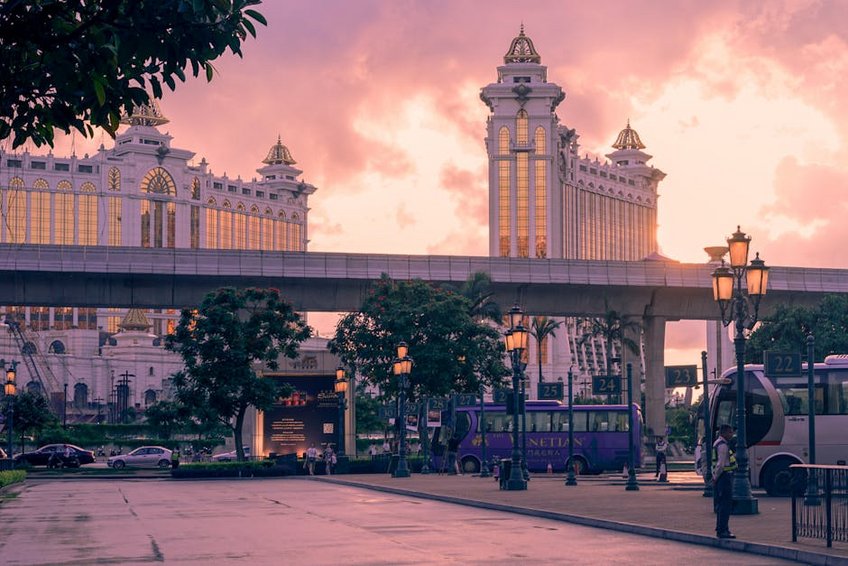
Alt: “macau-historic-center-senado-square-portuguese-architecture-unesco”
Macau Travel Guide – Planning Your Trip
Effective planning for this destination hinges on balancing its dual offerings. Allocate days to explore the dense cultural sites on the Peninsula and separate time for the resort experiences on Cotai. Your budget will vary dramatically based on whether you stay in a historic guesthouse or a five-star casino hotel, though mid-range options offer excellent value, especially on weekdays.
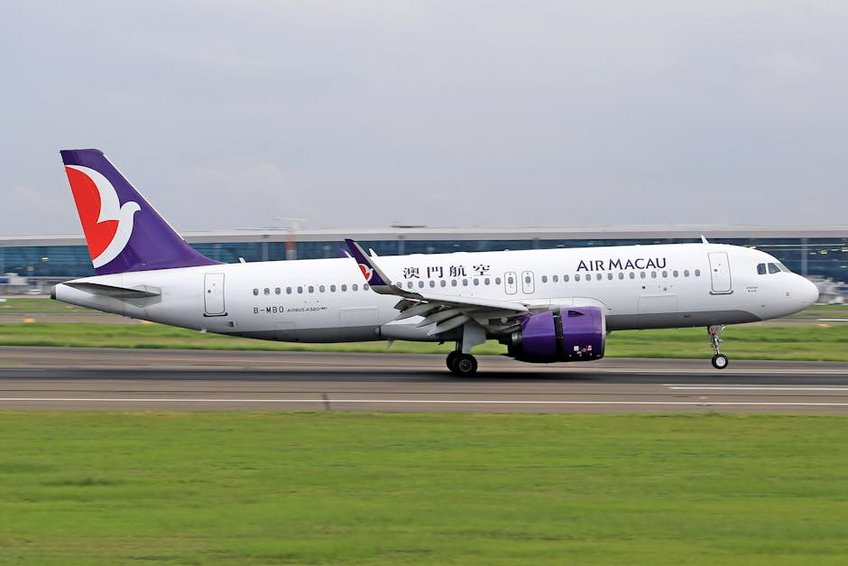
Booking flights into Hong Kong International Airport (HKG) often provides the best value and schedule flexibility. From there, a 70-minute ferry or the new Hong Kong-Zhuhai-Macau Bridge transport brings you directly into the territory. For a seamless arrival, pre-book your ferry ticket online to avoid queues, especially during weekends or Chinese holidays when demand surges.
Best Time to Visit Macau
The optimal months for a visit are October through early December. During this period, you’ll enjoy pleasant weather with average temperatures of 70-77°F (21-25°C) and minimal rain, perfect for exploring outdoor UNESCO sites. Crowds are manageable compared to the peak summer and major holiday periods, and hotel rates are often more favorable than during the cooler winter festival season.
Avoid the first week of October (Chinese National Day Golden Week) and the Chinese New Year period (late January or February), when mainland tourist numbers skyrocket, causing crowded attractions and inflated prices. If you visit in summer, plan for indoor activities and resort amenities, accepting the heat and humidity while taking advantage of potential hotel deals.
Budget Planning and Costs
Daily costs vary widely based on accommodation and dining choices.
Essential Preparation Checklist
Pack comfortable walking shoes with good grip for cobblestone streets and air-conditioned resort complexes. Clothing should be versatile: light layers for summer, a warmer jacket for winter, and a smart-casual outfit for upscale dining venues that may enforce a dress code. Power adapters are Type G (British 3-pin) or Type F (European 2-pin), so bring a universal adapter.
Ensure your passport is valid for at least six months. While no vaccinations are mandatory, routine shots should be up-to-date. Book popular restaurants, especially Michelin-starred or famous local eateries, at least two weeks in advance. Download a reliable map app like Google Maps or Maps.me, as they work well for navigation despite the dense urban environment.
Top Attractions and Cultural Experiences
The Historic Centre of Macau, a UNESCO World Heritage site, forms the cultural heart of the peninsula. This interconnected zone includes over twenty monuments and public squares, such as the ruins of St. Paul’s, the Mount Fortress, and Senado Square. You can easily explore this area on foot in half a day, immersing yourself in four centuries of cultural exchange.
Beyond history, the city’s iconic skyline is an attraction itself. Visit the Macau Tower for panoramic views and adventure activities like the world’s highest commercial bungee jump. The integrated resorts on Cotai, including The Venetian Macao and City of Dreams, are destinations offering shopping, entertainment, and dining beyond their gaming floors. Each resort features unique free attractions, like the performance lake at Wynn Palace.
Must-See Highlights
The Ruins of St. Paul’s, the facade of a 17th-century church, is the territory’s most famous landmark. Arrive early in the morning to avoid the thick crowds and get a clear photo. Right behind it, explore the Mount Fortress, which houses the Macau Museum offering excellent historical context across three floors. Admission to the museum is around $2.50 USD.
Senado Square, with its wave-patterned cobblestones, is the central public plaza surrounded by pastel-colored neo-classical buildings. It leads to other key sites like the Holy House of Mercy and St. Dominic’s Church. For a unique panorama, take the short hike up Guia Hill to the Guia Fortress and Lighthouse, a peaceful retreat from the city bustle with fantastic views across the peninsula.
Hidden Gems and Local Favorites
Venture to Coloane Island for a quieter, village-like atmosphere. Here, you’ll find the classic Lord Stow’s Bakery, credited with creating the Portuguese egg tart as it’s known today. Walk along the tree-lined Seac Pai Van coastal path or visit the colorful A-Ma Cultural Village. This area offers a stark contrast to the glitz of Cotai and is perfect for a half-day escape.
Explore the old “Three Lamps District” in the Macau Peninsula, a traditional neighborhood less frequented by tourists. Wander its markets and authentic local eateries. For an unusual museum, visit the Macau Tea Culture House for a serene look at Chinese tea traditions. These spots provide a more grounded experience of local life beyond the major tourist trails.
Museum and Temple Exploration
Macau’s museum scene is compact but insightful. The Macau Museum, as mentioned, is essential. For art, the Macau Museum of Art in the Cultural Centre offers five floors of Chinese and Western works. The Maritime Museum illustrates the city’s seafaring history. Many museums are closed on Mondays, so plan your visits accordingly, and combo tickets can sometimes offer savings.
Chinese temples remain active cultural hubs. The A-Ma Temple, dedicated to the seafaring goddess Mazu, predates the city’s Portuguese founding. The Kun Iam Temple is another serene site. When visiting, observe local customs: make a small donation if you wish, avoid touching religious artifacts, and dress respectfully by covering shoulders and knees, though strict dress codes are not heavily enforced.
Practical Travel Information and Logistics
Navigating the territory is straightforward due to its small size. Taxis are plentiful and relatively inexpensive for short trips, though be prepared for potential queues at hotels and attractions. Ride-hailing apps are not as prevalent as in other regions. The public bus system is extensive and efficient, with most routes costing about $0.75-1.00 USD per trip; have exact change in MOP or HKD.
Free shuttle buses operated by the major casinos and hotels are arguably the most convenient transport for tourists. They run frequently between the ferry terminals, airport, and different resorts, and you do not need to be a guest or gamble to use them. Strategically using these shuttles can connect you to key areas at no cost, saving significant transportation money.
| Accommodation Type | Best For / Key Features | Price Range (USD/night) |
|---|---|---|
| Historic Guesthouse | Budget travelers, cultural immersion, central Peninsula location near UNESCO sites. | $40 – $80 |
| Mid-Range Hotel (Taipa) | Good value, balance between Cotai resorts and old city, often includes pool and amenities. | $90 – $180 |
| Luxury Resort (Cotai Strip) | Entertainment focus, premium dining, designer shopping, world-class shows and pools. | $200 – $500+ |
| Serviced Apartment | Longer stays, families, self-catering option, more space than standard hotel rooms. | $150 – $300 |