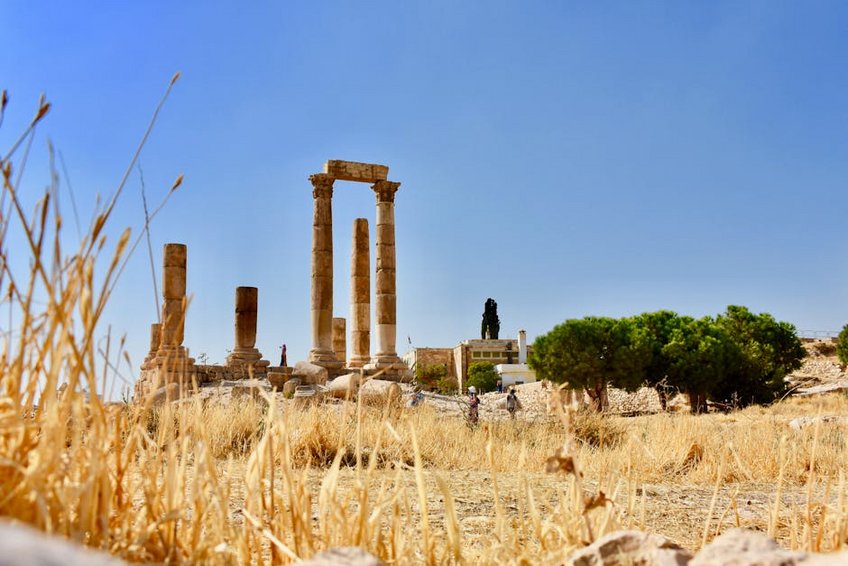
Lebanon Baalbek Roman Temples: Ancient Marvels Await
Exploring the Lebanon Baalbek Roman Temples immerses you in one of the Roman Empire’s grandest architectural achievements, featuring colossal stone blocks and intricate carvings that have endured for millennia. Your visit reveals the Temple of Jupiter’s towering columns and the beautifully preserved Temple of Bacchus, set against Lebanon’s Bekaa Valley with Mount Lebanon providing a dramatic backdrop. This guide covers optimal visiting seasons, ticket details, transportation from Beirut, and cultural etiquette to maximize your experience at this UNESCO World Heritage site.
Essential Baalbek Temple Information
Baalbek’s origins trace back to Phoenician times before Roman transformation into Heliopolis, City of the Sun, around 15 BCE under Emperor Augustus. The complex expanded over two centuries, incorporating temples dedicated to Jupiter, Bacchus, and Venus alongside the distinctive hexagonal forecourt. Roman engineers employed massive stone blocks, including the famous Trilithon stones weighing 800 tons each, demonstrating advanced construction techniques.
Historical Significance and Timeline
Understanding Baalbek’s layered history enhances appreciation for its architectural marvels and cultural importance across civilizations.
- Phoenician Era (3000-64 BCE): Original settlement dedicated to god Baal, with archaeological evidence showing continuous worship site development.
- Roman Period (64 BCE-636 CE): Major construction phase creating Heliopolis, incorporating local deities into Roman pantheon with Jupiter Heliopolitanus as chief god.
- Byzantine to Ottoman Eras (636-1918): Temple conversion to churches and fortresses, earthquake damage in 1759, and European rediscovery during 19th century excavations.
- Budget travelers spend $25-40 using public transportation from Beirut, entrance fees, and local street food while skipping guided tours.
- Mid-range visitors allocate $65-100 for private driver, professional guide, restaurant meal, and combined ticket including Baalbek Museum access.
- Luxury experiences cost $150-250 featuring VIP guided tours, premium photography permits, fine dining, and boutique hotel stays in the Bekaa Valley.
- Lebanon Ministry of Tourism
- UNESCO World Heritage Centre
Architectural Highlights and Features
Roman architects designed Baalbek as their largest temple complex, exceeding even Rome’s constructions in scale and ambition. The Great Court measures 135m by 113m with altars, towers, and sacrificial pits arranged for elaborate religious ceremonies. Corinthian columns rise 22 meters high on the Temple of Jupiter podium, while the Temple of Bacchus showcases exceptional preservation with detailed interior reliefs.
UNESCO World Heritage Status
UNESCO designated Baalbek as a World Heritage site in 1984, recognizing its outstanding universal value as a masterpiece of Roman architecture. The organization provides conservation funding and technical assistance for structural stabilization and visitor management programs. Ongoing preservation work includes documentation, seismic monitoring, and controlled tourism access to protect the delicate stonework.
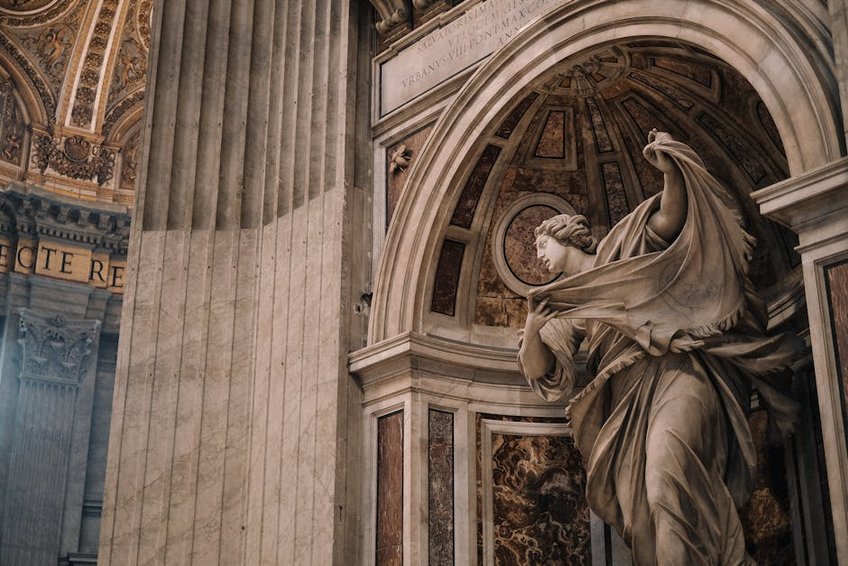
Alt: “baalbek-roman-temples-jupiter-columns-lebanon-valley”
Planning Your Lebanon Baalbek Roman Temples Visit
Organizing your Lebanon Baalbek Roman Temples excursion requires attention to seasonal weather patterns, security considerations, and advance ticket purchases for smooth access. Spring and autumn deliver ideal conditions with comfortable temperatures between 60-75°F (15-24°C) and minimal rainfall interfering with exploration. Allocate 4-6 hours minimum for thorough temple viewing, museum visit, and nearby restaurant lunch to appreciate the scale properly.
Best Time to Visit Baalbek
April through June offers peak conditions with daytime temperatures 68-77°F (20-25°C), wildflowers blooming across the Bekaa Valley, and manageable tourist numbers before summer heat. July and August bring intense heat reaching 95°F (35°C), though early morning visits before 10 AM provide reasonable comfort with fewer crowds. September to November delivers pleasant 65-80°F (18-27°C) weather with harvest festivals in surrounding vineyards creating additional cultural opportunities.
Budget Planning and Costs
Baalbek visit expenses vary significantly based on transportation choices, guide services, and dining preferences during your excursion.
Essential Preparation Checklist
Pack comfortable walking shoes with good traction for uneven stone surfaces, sun protection including hat and sunscreen, and layered clothing for temperature shifts. Carry Lebanese pounds for entrance fees (15,000 LBP or ~$10), vendor purchases, and restroom facilities requiring small change. Verify current security conditions through your embassy, purchase travel insurance covering Lebanon, and download offline maps since cellular service can be unreliable in the valley.
Top Attractions and Temple Exploration
Baalbek’s monumental scale becomes apparent approaching the Temple of Jupiter, where six remaining columns tower above the complex creating an unforgettable first impression. The Temple of Bacchus stands as the world’s best preserved Roman temple with complete cella walls, intricate ceiling carvings, and monumental doorway measuring 13 meters high. Wandering through the Propylaea, Great Court, and hexagonal forecourt reveals the sophisticated ceremonial progression designed for ancient worshippers.
Must-See Temple Complexes
The Temple of Jupiter features the largest Roman columns ever built, with original 19-meter columns reduced to six after earthquakes and stone repurposing. Its massive podium contains the Trilithon stones, three 800-ton limestone blocks that continue puzzling engineers with their transportation and placement methods. The adjacent Temple of Bacchus impresses with complete architectural elements including ornate doorframes, interior niches, and ceiling panels depicting Roman mythology scenes.
The Round Temple or Temple of Venus displays unique circular design with scalloped dome niche, though its smaller scale contrasts with the grand Jupiter and Bacchus structures. Baalbek Museum houses important artifacts discovered during excavations including statues, inscriptions, and scale models showing the original temple complex appearance. Don’t miss the Quarry located 800 meters away where an unfinished 1,000-ton stone block illustrates Roman construction techniques.
Hidden Gems and Local Insights
Local guides often point visitors to the lesser-visited Temple of the Muses behind the main complex, featuring distinctive acoustic properties perfect for ancient performances. The underground passageways beneath the Great Court reveal storage chambers and service corridors used by temple priests during ceremonies and rituals. Nearby, the medieval Arab fortifications built into Roman walls provide panoramic views across the Bekaa Valley toward Mount Lebanon.
Photography Tips for Ancient Ruins
Early morning light between 7-9 AM creates dramatic shadows highlighting temple textures while avoiding harsh midday sun that flattens architectural details. Use wide-angle lenses (16-35mm) for capturing the scale of columns and courtyards, with polarizing filters to reduce glare on limestone surfaces. For unique perspectives, position yourself at the Temple of Bacchus doorway looking outward or capture the Jupiter columns against sunrise or sunset skies.
Practical Travel Information
Reaching Baalbek involves a 2-hour drive from Beirut through the Mount Lebanon range, with multiple transportation options catering to different comfort and budget levels. Accommodation ranges from basic guesthouses in Baalbek town to luxury resorts in nearby Zahle, though most visitors day-trip from Beirut where lodging quality and variety excel. Security checkpoints operate throughout the Bekaa Valley, requiring passport presentation and occasional vehicle inspections.
| Category | Options/Features | Price Range (USD) |
|---|---|---|
| Transportation | Public minibus from Cola Station, private taxi, organized tour with guide | $5-80 |
| Accommodation | Baalbek guesthouses, Zahle hotels, Beirut luxury options with pool | $30-200 |
| Entrance Fees | Basic temple access, combined ticket with museum, photography permit | $10-25 |
| Guided Services | Audio guide, licensed English guide, specialized archaeology expert | $15-100 |