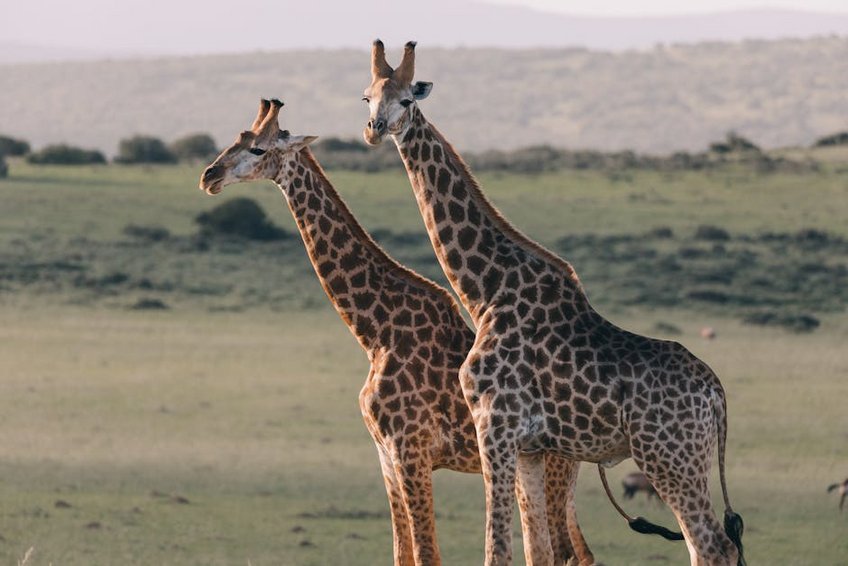
Kenya Masai Mara January Safari: Prime Wildlife Viewing in the Green Season
Embarking on a Kenya Masai Mara January safari places you in one of Africa’s most celebrated ecosystems during its lush, vibrant season. The landscape is refreshingly green following the short rains, attracting massive herds and their predators to nutrient-rich grasslands. This guide covers essential planning, from tracking the Great Migration’s resident herds to navigating the seasonal weather for an optimal wildlife experience.
Essential Masai Mara Safari Information
The Masai Mara National Reserve is a premier wildlife destination in southwestern Kenya, bordering Tanzania’s Serengeti. It spans over 1,500 square kilometers of savannah, riverine forest, and rolling hills. This ecosystem is part of the larger Serengeti-Mara region, famous for the annual movement of over two million animals.
January falls within the reserve’s green season, characterized by warm days and sporadic afternoon showers. These rains transform the plains into a verdant paradise, creating stunning photographic backdrops. Wildlife is abundant and widely dispersed, as water sources are plentiful across the reserve.
Access is primarily through two airstrips: Keekorok and the busier Mara Serena. Most visitors arrive via a scheduled 45-minute flight from Nairobi’s Wilson Airport. The reserve is managed by local county councils, with conservation efforts deeply integrated with neighboring Maasai community lands.
Understanding the January Wildlife Dynamics
Contrary to popular belief, the Mara is a year-round destination. While the famed river crossings occur from July to October, January offers a unique wildlife spectacle.
- The Great Migration’s mega-herds are typically in the Southern Serengeti during January, calving. However, significant resident populations of wildebeest, zebra, and Thomson’s gazelle remain in the Mara.
- This is an excellent time for predator action. Lions, cheetahs, and leopards are highly active, taking advantage of the dense cover and abundant prey. Sightings of playful cubs are common.
- Birdwatching is exceptional, with over 450 species recorded. Many Palearctic migrants are present, and resident birds are in vibrant breeding plumage, making it a paradise for ornithologists.
- Budget Safari ($250-$400 per person/day): Includes shared minivan transport, basic tented camps outside the reserve, and scheduled game drives. Meals and park fees are usually included. This option focuses on value and essential wildlife viewing.
- Mid-Range Safari ($400-$700 per person/day): Features stays in comfortable lodges or permanent tented camps inside the reserve or conservancies, 4×4 Land Cruiser vehicles, and more personalized service. All meals, drinks, and two daily game drives are standard.
- Luxury Safari ($700-$1,500+ per person/day): Offers premium lodges and boutique camps with exceptional service, gourmet dining, and private guides. Includes exclusive activities like hot air balloon rides, bush dinners, and guided walking safaris in private conservancies.
- Kenya Tourism Board
- Mara Triangle Conservancy
- Maasai Mara Wildlife Conservancies Association
Key Geographical Areas in the Reserve
The reserve is divided into several key sectors, each offering different experiences. The Musiara Marsh and Rhino Ridge areas in the northeast are renowned for lion pride territories and black rhino sightings. The central Mara Triangle, managed by a non-profit conservancy, is known for its efficient management and stunning riverine landscapes along the Mara River.
The Talek and Sekenani regions near the eastern gates offer a mix of conservancy and reserve access. These areas often have a higher density of camps and lodges. For a more exclusive experience, the private conservancies bordering the reserve, like the Naboisho or Olare Motorogi, provide guided walks and night drives not permitted within the national reserve itself.
Weather and Climate Conditions
January weather is generally warm and pleasant. Daytime temperatures range from 75°F to 85°F (24°C to 29°C), while nights and early mornings can be cooler, around 55°F to 60°F (13°C to 16°C). Afternoon rain showers are common but usually short-lived, lasting an hour or two.
These intermittent rains keep the dust down and the air fresh, enhancing visibility for photography. The landscape is incredibly green, with wildflowers in bloom. It is advisable to pack a lightweight waterproof jacket and waterproof bags for camera gear, as showers can appear swiftly.
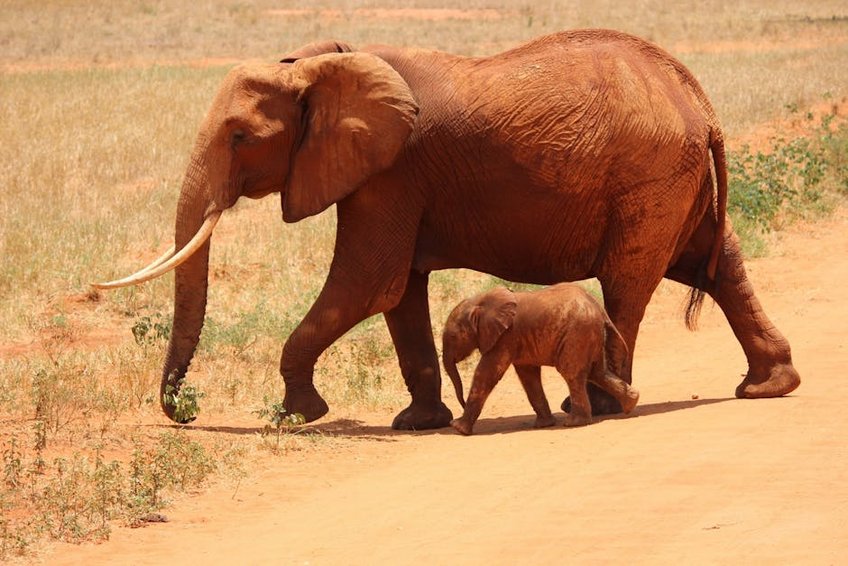
Alt: “masai-mara-january-green-plains-wildebeest-herds”
Kenya Masai Mara January Safari – Planning Your Trip
Organizing a January visit requires balancing flexibility with key bookings. This period is after the peak holiday rush, so availability is generally good, and rates are more favorable than during the high season from July to October. You should secure international flights and your preferred safari camp at least three to four months in advance for the best selection.
A typical safari day starts before dawn with a coffee or tea delivered to your tent, followed by an early morning game drive when predators are most active. You return to camp for a full brunch, have time to relax during the midday heat, and then head out for an afternoon drive that extends into the early evening. Some private conservancies also offer night drives and guided bush walks.
Your choice between a national reserve experience and a private conservancy stay will shape your trip. The reserve offers vast, open landscapes, while conservancies provide exclusive activities and limited vehicle numbers. Many travelers opt for a split itinerary to enjoy both environments.
Best Time to Visit for a January Safari
The entire month of January is superb for wildlife viewing in the Masai Mara. The first two weeks often see slightly lower tourist numbers following the December holidays. Weather patterns are consistent, with warm, sunny days interspersed with refreshing afternoon showers that rarely disrupt travel plans.
Temperatures remain comfortable for extensive game drives. If your schedule is flexible, early January can offer marginally better lodge availability. The landscape is at its most lush and photogenic throughout the month, with clear skies after rain showers providing spectacular lighting for photography.
Budget Planning and Costs
Safari costs vary dramatically based on accommodation style, tour operator, and included activities.
Essential Preparation Checklist
Packing correctly is crucial for comfort. Essential items include neutral-colored clothing (khaki, green, beige), a warm layer for chilly morning drives, a wide-brimmed hat, high-SPF sunscreen, and broken-in walking shoes. A quality pair of binoculars (8×42 or 10×42) and a camera with a zoom lens (at least 200-400mm) are highly recommended for wildlife viewing.
Documentation includes a passport valid for at least six months beyond your travel date. Most visitors require a Kenyan eVisa obtained online before travel. Comprehensive travel insurance with medical evacuation coverage is non-negotiable. Consult your doctor about recommended vaccinations, including Yellow Fever, and malaria prophylaxis is strongly advised for the Mara region.
Top Wildlife Attractions and Safari Activities
January in the Masai Mara delivers diverse and thrilling wildlife encounters beyond the migration river crossings. The resident herbivore populations are substantial, supporting healthy predator numbers. Game drives across the open plains frequently reveal lions, cheetahs, and hyenas on the hunt or resting in the shade.
The Mara River, though not hosting large crossings, is still a hub of activity. Hippo pods are abundant in the deeper pools, and large crocodiles bask on the banks. Birdlife is particularly spectacular, with species like the secretary bird, lilac-breasted roller, and various eagles and vultures easily spotted.
Must-See Wildlife Highlights
The Big Five—lion, leopard, elephant, buffalo, and rhino—are all present. Lion sightings are almost guaranteed, with several famous prides like the Marsh Pride or the Ridge Pride frequently seen. Leopard sightings, while always special, are common in the riparian forests along the Talek and Mara Rivers.
Large elephant herds move through the woodlands, and buffalo gather in massive groups on the plains. The endangered black rhino is the most elusive, but dedicated guides in the Mara Triangle or on conservancy lands know the best areas to search for them. Patience is key for this particular sighting.
Hidden Gems and Specialized Experiences
Venture beyond standard game drives for unique perspectives. A hot air balloon safari at dawn provides a breathtaking aerial view of the waking plains and wildlife below, typically concluding with a champagne bush breakfast. This experience costs approximately $450-$500 per person and requires advance booking.
In the private conservancies bordering the reserve, you can participate in guided walking safaris. Accompanied by an armed Maasai guide, you’ll learn to track animals, identify plants and insects, and appreciate the smaller details of the ecosystem. Night drives in these conservancies reveal nocturnal creatures like bushbabies, aardvarks, and porcupines.
Cultural Visits to Maasai Villages
A visit to an authentic Maasai manyatta (homestead) offers cultural insight. Reputable tours are arranged through your camp or lodge, ensuring the community directly benefits. You may witness traditional dancing, learn about their pastoralist lifestyle, and see intricate beadwork.
It is respectful to ask permission before taking photographs of people. A visit typically involves a small fee ($20-$30 per person), which supports community projects like schools or health clinics. This exchange provides meaningful context to the land you are exploring on your wildlife drives.
Practical Travel and Accommodation Information
Logistics for a Masai Mara safari are straightforward with proper planning. Most visitors fly from Nairobi to one of the Mara airstrips, where camp staff will meet them. Road transfers from Nairobi are also possible but involve a 5-6 hour drive on partly rough terrain, often making the flight the preferred choice.
Accommodation ranges from basic mobile camps to ultra-luxurious permanent lodges. Key considerations include location (reserve vs. conservancy), type of vehicle used for game drives, and guide expertise. Booking through a reputable tour operator specializing in East Africa can streamline the process and provide valuable advice.
| Accommodation Type | Key Features & Experience | Price Range (USD per night) |
|---|---|---|
| Economy Tented Camp | Basic shared facilities, safari tents, group game drives in minivans, located outside reserve gates. | $150 – $250 |
| Classic Safari Lodge | Permanent structures, ensuite bathrooms, swimming pool, daily 4×4 game drives, located inside the reserve. | $400 – $700 |
| Luxury Boutique Camp | Spacious tents with decks, gourmet dining, private guides, exclusive conservancy location enabling night drives & walks. | $800 – $1,200 |
| Ultra-Luxury Camp | Villa-style tents with plunge pools, personalized butler service, helicopter transfers, bespoke activity planning. | $1,500+ |