Petra January Visit: A Complete Winter Travel Guide
A Petra January visit offers a dramatically different and often more rewarding experience than the crowded peak seasons. Winter months transform the ancient city with crisp, clear air and the possibility of light snow dusting the rose-red sandstone, creating breathtaking photographic conditions you won’t see in summer. This guide details how to prepare for the cooler weather, navigate the site comfortably, and take full advantage of the smaller crowds and unique seasonal atmosphere at one of the world’s most iconic archaeological treasures.
Essential Information About Petra
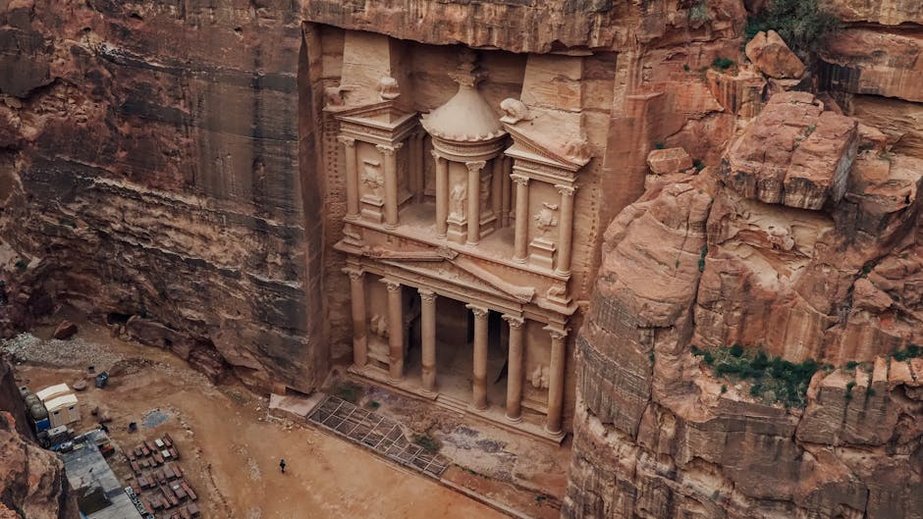
Petra, a UNESCO World Heritage Site since 1985, is an ancient Nabatean city carved directly into the cliffs of southern Jordan. The civilization thrived from around the 4th century BC to the 1st century AD, controlling crucial trade routes for incense, spices, and silk. Their advanced engineering created the monumental facades, temples, and tombs seen today, including the famous Treasury (Al-Khazneh).
The archaeological park is vast, covering approximately 102 square miles (264 square kilometers). A standard Jordan Pass, which includes your visa fee and entry to Petra, is essential for cost-effective access. Understanding the site’s layout, from the main entrance through the Siq canyon to the Monastery (Ad-Deir) high above, helps in planning your day efficiently and avoiding the steepest climbs during the coldest parts of the day.
Understanding the Site and Its History
Before exploring, knowing Petra’s historical context enriches the experience significantly. The Nabateans were master hydrologists and traders who carved their capital from the rock.
- The Siq: This 0.75-mile (1.2 km) main entrance gorge features water channels and remnants of ceremonial gates, setting the stage for the dramatic reveal of the Treasury.
- The Royal Tombs: A collection of massive facades including the Urn Tomb and the Silk Tomb, showcasing different architectural styles and offering stunning views over the city center.
- The High Place of Sacrifice: One of the best-preserved ritual sites, requiring a steep hike but providing unparalleled panoramic views of the entire Petra basin.
- Budget Traveler ($60-80 USD per day): Stay in hostels or budget guesthouses in Wadi Musa, eat at local shawarma shops, use the JETT tourist bus from Amman, and carry your own water and snacks into Petra. The Jordan Pass covers your entry and visa.
- Mid-Range Traveler ($120-180 USD per day): Comfortable 3-star hotels with heating and breakfast, dinners at mid-range restaurants, a private driver for a day trip from Amman or Aqaba, and hiring a local guide for a half-day in Petra for historical context.
- Luxury Traveler ($300+ USD per day): Stay at one of the premier hotels adjacent to the visitor center, enjoy fine dining, arrange for a private, licensed guide for the full duration in Petra, and include experiences like “Petra by Night” (if running) or a special access tour.
- Petra Development and Tourism Region Authority
- Lonely Planet Petra Guide
- Official Jordan Pass Website
Key Facts for Your Visit
Petra operates daily, with winter hours typically from 6:00 AM to 4:00 PM. The entry fee is bundled into the Jordan Pass, which costs about $113 USD for a two-day Petra visit and is the most economical option for most travelers. You can purchase the pass online before your trip, streamlining your arrival process.
Weather in January is highly variable. Daytime highs can reach a pleasant 60°F (16°C), but mornings and evenings often drop near freezing, around 32°F (0°C). Sudden rain showers are possible, and snowfall, while rare, can temporarily close trails. Dressing in warm, removable layers is the single most important packing strategy for a winter trip to this desert region.
Accessibility and Terrain Considerations
The terrain inside Petra is rugged and involves extensive walking on uneven stone paths, gravel, and steps. Comfortable, sturdy hiking shoes with good grip are non-negotiable, especially if paths are damp. The walk from the visitor center to the Treasury is mostly flat through the Siq, but exploring beyond requires significant climbing.
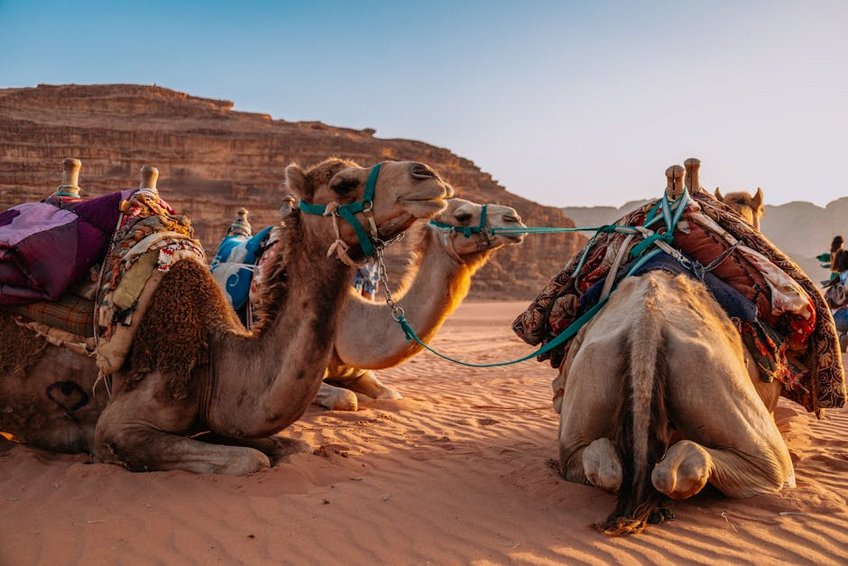
Options like horse-drawn carriages (for a fee) are available for the main Siq route, and donkeys or camels can be hired for some ascents, though animal welfare practices vary. Visitors with mobility challenges should research these services in advance and be prepared for limited accessibility beyond the main trail.
Alt: “petra-treasury-al-khazneh-winter-morning-light”
Petra January Visit – Planning Your Trip
Careful planning transforms a Petra January visit from a cold hike into a magical adventure. The key advantage is the significant reduction in tourist numbers compared to spring and fall, allowing for quieter moments at major monuments. However, this comes with the trade-off of shorter daylight hours and unpredictable weather, making itinerary flexibility and proper gear paramount for a comfortable and safe exploration of the ancient city.
Accommodation in nearby Wadi Musa town is plentiful and often cheaper in January, but some smaller hotels may close for renovation. Booking your hotel a month in advance is sufficient, but securing your Jordan Pass and any guided tours ahead of time is recommended. Your daily schedule should start early to maximize sunlight and warmth, with plans to conclude most hiking before late afternoon when temperatures drop rapidly.
Best Time to Visit Petra in January
The ideal window for a winter visit is mid-January, after the holiday rush subsides but before any potential late-month weather fluctuations. Aim to enter the park right at opening (6:00 AM) to experience the Siq and Treasury in the soft, golden morning light with minimal crowds. Daytime temperatures usually peak between 11:00 AM and 3:00 PM, making this the best period for longer hikes to sites like the Monastery.
Early mornings can be very cold, between 32°F and 41°F (0°C and 5°C), so pack a thermos with a hot drink. Be mindful that the sun sets around 5:00 PM, and it gets dark quickly. Always check the weather forecast the night before, as rain can make sandstone paths extremely slippery, and fog can occasionally obscure the high-altitude viewpoints.
Budget Planning and Costs
Your major expenses will be the entry pass, accommodation, and transportation. Here’s a typical breakdown for a two-day visit.
Essential Preparation Checklist
Packing correctly is critical for comfort. Essentials include thermal base layers, a fleece or down jacket, a waterproof and windproof outer shell, a warm hat, gloves, and a scarf. Your footwear should be broken-in hiking boots or shoes with excellent ankle support and traction for uneven, often slick, stone paths. A headlamp or small flashlight is useful for exploring dimly lit tombs and for safety if your hike runs long.
Ensure your passport has at least six months validity. The Jordan Pass must be purchased online before arrival to waive the visa fee. Travel insurance that covers adventure activities and trip interruption due to weather is highly advisable. Book any desired guided tours in advance, as fewer guides may be available on-site during the winter season.
Top Attractions and Winter Activities
Winter’s angle of light creates deep shadows and highlights the intricate carvings of Petra’s facades, offering phenomenal photography conditions without harsh midday sun. The cooler temperatures also make strenuous hikes, like the ascent to the Monastery, more manageable than in summer heat. Prioritize outdoor exploration for the warmer middle of the day and save indoor museum visits or cafe breaks for the colder early mornings or late afternoons.
Some secondary trails may be closed during or after heavy rain for safety, so always check with the visitor center upon arrival. The reduced crowds mean you can often enjoy iconic spots like the Treasury viewpoint or the Street of Facades with a sense of peaceful solitude rarely found during busier months, adding a profound layer to the experience of this ancient wonder.
Must-See Highlights in Winter
The Siq and Treasury remain the undisputed highlights. Walking the Siq in the quiet, cool morning is an atmospheric experience, with the towering canyon walls blocking the wind. The first glimpse of the Treasury through the narrow gap is breathtaking. Spend time here before the main day-tour groups arrive, usually after 10:00 AM, to appreciate its scale and detail in relative peace.
The Royal Tombs complex, including the Urn, Corinthian, and Palace Tombs, faces east and gets wonderful morning sun, making it a perfect second stop. The climb to the High Place of Sacrifice is strenuous but rewards with 360-degree views; attempt this hike only if the stone steps are dry. Finally, the long trek to the Monastery (Ad-Deir) is a full-day endeavor but is far more pleasant in January’s cool air than in scorching summer temperatures.
Hidden Gems and Quieter Corners
With fewer visitors, winter is the ideal time to seek out Petra’s less-visited monuments. The Lion Triclinium, a small tomb facade featuring a carved lion, is located on a quiet trail and receives beautiful afternoon light. The Garden Tomb and Roman Soldier’s Tomb complex offers a tranquil alternative to the busier Royal Tombs area and has several spots to sit and contemplate the landscape.
For a truly unique experience, consider the Al-Khubtha Trail. This steep path leads to a stunning, elevated viewpoint directly overlooking the Treasury from above. The hike is challenging, but the photo opportunity is unparalleled, and you’ll likely have the ledge to yourself during a January visit. Always inform someone of your planned route if venturing onto these less-trodden paths.
Petra by Night and Cultural Events
The “Petra by Night” program, where the Siq and Treasury are illuminated by over 1,500 candles, may run on limited nights during January (typically Monday, Wednesday, and Thursday). The experience is profoundly atmospheric in the cold, still air, but verify its schedule in advance as it is frequently cancelled due to weather. Dress extremely warmly, as you’ll be sitting still for nearly an hour in an open canyon.
Check with your hotel or the visitor center for any local cultural events or festivals happening in Wadi Musa during your stay. Winter sometimes hosts small, authentic gatherings that are not heavily advertised to tourists, providing a glimpse into contemporary Jordanian culture alongside the ancient history.
Practical Travel Information for Winter
Getting to Petra in January is straightforward, but winter conditions require slight adjustments. The nearest major airport is in Amman (Queen Alia International Airport, AMM), a 3-hour drive away. Renting a car provides maximum flexibility, but ensure it’s equipped for potential rain and cooler mountain passes. Alternatively, the JETT bus offers a reliable and affordable scheduled service from Amman to Wadi Musa.
Within Wadi Musa, taxis are inexpensive and the standard way to reach the Petra Visitor Center from your hotel, which is often perched on the hillside. Agree on a price before getting in. Most hotels can arrange reliable drivers for day trips to nearby attractions like Little Petra or Wadi Rum, which are also spectacular in the winter light.
| Accommodation Type | Options/Features | Price Range (USD/Night) |
|---|---|---|
| Budget Guesthouse | Basic room, shared bathroom, often includes simple breakfast, located in Wadi Musa town. | $25 – $50 |
| Mid-Range Hotel | 3-star, private bathroom, heating, on-site restaurant, swimming pool (often unheated in winter), shuttle to Petra gate. | $70 – $120 |
| Luxury Hotel | 5-star, located closest to Petra entrance, spectacular views, spa, multiple dining options, guided tour concierge. | $180 – $400+ |
| Unique Stay | Bubble hotels in nearby valleys or eco-lodges with panoramic desert views, requiring transport. | $150 – $300 |