

Japan Jigokudani Snow Monkey Park: Wild Monkeys in Natural Hot Springs
Japan Jigokudani Snow Monkey Park offers a unique wildlife encounter where Japanese macaques bathe in steaming outdoor hot springs amid snowy forests. This destination provides exceptional photography opportunities and cultural immersion in Nagano’s mountain region during winter months. Our guide covers essential planning tips, seasonal advice, and practical details for your visit.
Essential Park Information
Jigokudani Monkey Park opened in 1964 to protect the wild Japanese macaques and their unique hot spring bathing behavior. Located in Joshinetsu Kogen National Park near Yamanouchi, Nagano Prefecture, the park spans a rugged valley accessible via a 1.6-kilometer forest walk. Winter temperatures frequently drop below freezing, creating the iconic snow-covered scenery that defines the experience.
The monkeys remain completely wild despite their tolerance of human observers at close distances. Visitors must maintain respectful distance and follow strict park rules prohibiting feeding or touching the animals. These regulations ensure both visitor safety and the primates’ natural behavioral patterns continue undisturbed in their habitat.
Key Park Features – What You Need to Know
Understanding these elements enhances your visit significantly.
- Natural hot spring pools specifically maintained for monkey use, with human bathing prohibited in these particular springs to protect wildlife.
- Observation areas with protective barriers allowing photography from 3-10 meters distance while respecting the animals’ space.
- Steep, snowy 30-minute walking trail requiring proper footwear with ice grips during winter conditions from December through March.
- Budget travelers can manage with $50-80 daily using local buses, convenience store meals, and budget ryokan stays, focusing on park entry and essential transportation.
- Mid-range visitors spending $100-150 daily enjoy comfortable hotels with private onsens, restaurant dining, and combined transportation passes covering Nagano area attractions.
- Luxury experiences at $200-300 daily include premium ryokan with kaiseki meals, private guides, and flexible taxi transport for optimal timing and photography conditions.
- Snow Monkey Resorts Official Information
- Japan Guide Snow Monkey Park Overview
Seasonal Variations and Monkey Behavior
Winter months from December to February provide the classic snow monkey experience with temperatures between -5°C and 5°C (23°F to 41°F). The macaques gather most frequently in the hot springs during colder weather to maintain body heat and social bonds. Summer visits offer lush green scenery but fewer bathing sightings as monkeys seek cooler forest areas.
Spring and autumn present transitional periods with moderate crowds and variable weather conditions. April brings newborn infants clinging to mothers, while November offers early snowfall possibilities. These shoulder seasons provide good visitation windows with fewer tourists than peak winter months.
Conservation and Research Significance
The park functions as both tourist attraction and scientific research center studying macaque behavior. Researchers monitor troop dynamics, feeding patterns, and thermal regulation through the hot spring usage. Your entry fee directly supports conservation efforts and habitat maintenance within the protected valley ecosystem.
Long-term studies have documented social hierarchies and cultural transmission of bathing behavior between generations. This research contributes valuable insights into primate intelligence and adaptation to harsh winter environments at these high elevations.
Japan Jigokudani Snow Monkey Park – Planning Your Trip
Successful visits require careful timing and preparation for the specific challenges of this mountain location. Winter conditions demand appropriate clothing and realistic expectations about accessibility during heavy snowfall periods. Advance planning ensures you maximize wildlife viewing opportunities while maintaining safety on the approach trail.
Booking accommodations in nearby Yamanouchi or Shibu Onsen provides convenient access for early morning arrivals before crowds peak. The park opens at 9:00 AM year-round, with closing times varying seasonally between 4:00 PM and 5:00 PM local time. Morning visits typically offer better lighting for photography and more active monkey behavior.
Best Time to Visit Jigokudani
December through February delivers the iconic snow-covered scenery with temperatures ranging from -10°C to 0°C (14°F to 32°F). January typically sees the heaviest snowfall, creating dramatic photographic conditions but requiring extra caution on the access trail. Weekdays during these months experience 30-40% fewer visitors than weekends.
March and early April provide a good balance of remaining snow coverage with slightly milder conditions averaging -2°C to 8°C (28°F to 46°F). Late autumn visits in November offer early winter atmosphere with smaller crowds, though snow coverage remains unpredictable until December.
Budget Planning and Costs
Consider these tiered options for different travel styles.
Essential Preparation Checklist
Waterproof hiking boots with ice grips become absolutely necessary from December through March when trails become slippery. Layer clothing with thermal base layers, insulated mid-layers, and waterproof outer shells to manage changing conditions throughout your visit. Temperatures can vary significantly between the parking area and the valley location.
Carry camera equipment in weather-resistant bags with lens cloths to manage condensation when moving between cold outdoor areas and warm indoor spaces. Bring Japanese yen cash for entry fees, parking, and small purchases since credit card acceptance remains limited in the immediate park vicinity.
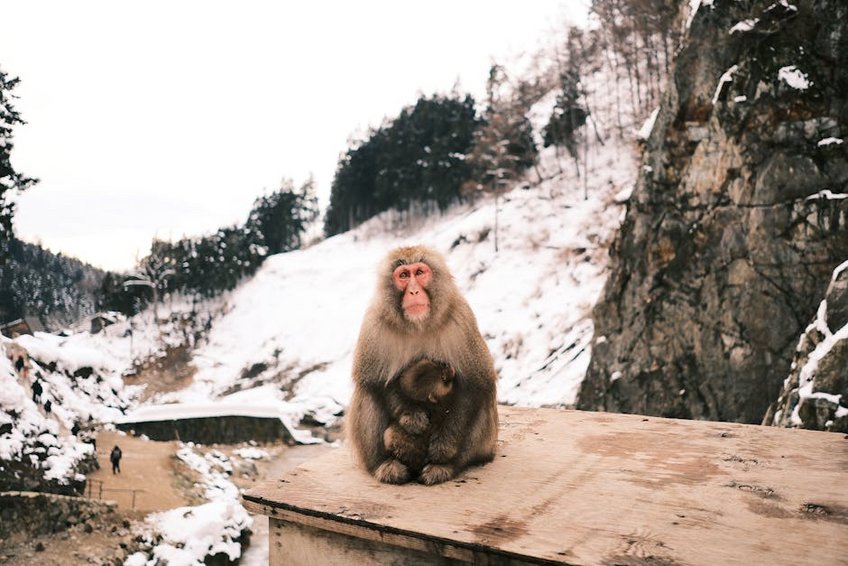
Alt: “jigokudani-snow-monkeys-hot-spring-winter-forest”
Top Attractions and Activities
The main observation area provides unparalleled viewing of monkey social interactions and bathing behavior in the natural hot springs. Photographers find ideal conditions during morning hours when sunlight illuminates the valley and monkey activity peaks. Patient observation reveals complex social dynamics within the troop of approximately 160 Japanese macaques.
Beyond the primary hot spring area, the surrounding forest trails offer opportunities to observe monkeys foraging and interacting in their natural habitat. The scenic 1.6-kilometer approach walk through snow-covered cedar forests presents photographic opportunities even before reaching the main viewing area. These additional elements create a comprehensive nature experience.
Must-See Highlights
The central hot spring pools showcase multiple generations of monkeys bathing together during cold weather. Infant monkeys typically cling to their mothers while learning bathing behaviors, providing particularly endearing photographic subjects. Adult males often dominate the prime pool positions, demonstrating clear social hierarchies.
Feeding stations along the valley edges allow observation of natural foraging behaviors as monkeys search for bark, buds, and insects. The park maintains these supplemental feeding areas to discourage monkeys from venturing into nearby agricultural zones. Viewing these activities provides insight into their omnivorous diet and survival strategies.
Winter snowfall creates magical scenery with steam rising from monkey-covered hot springs against white forest backgrounds. Early arrivals after fresh snowfalls capture the most pristine conditions before foot traffic alters the landscape. These conditions represent the classic Jigokudani imagery featured in photography worldwide.
Hidden Gems and Local Favorites
The lesser-visited upper trails sometimes reveal smaller monkey groups engaging in social grooming away from the main crowds. These areas require careful navigation on steeper paths but reward visitors with more intimate wildlife encounters. Local guides often know optimal timing for these secondary viewing spots.
Nearby Shibu Onsen town offers nine public bathhouses with historic significance, providing cultural context beyond the monkey park experience. Staying overnight in this traditional hot spring town enhances understanding of the region’s bathing culture that inspired the park’s creation. The town maintains a peaceful atmosphere compared to more commercialized destinations.
Photography Techniques and Equipment
Telephoto lenses in the 200-400mm range work best for capturing detailed monkey portraits while maintaining respectful distance. Fast shutter speeds above 1/500sec freeze motion during active swimming and social interactions. Weather-sealed camera bodies provide protection against snow and humidity fluctuations in the valley environment.
Composition techniques should incorporate environmental elements like snow-laden trees and steam rising from the hot springs to create context. Black and white photography effectively emphasizes the atmospheric quality of winter scenes and monkey expressions. These approaches yield more artistic results beyond standard documentary shots.
Practical Travel Information
Nagano City serves as the primary transportation hub with excellent rail connections from Tokyo via the Hokuriku Shinkansen. Local buses from Nagano Station to Kanbayashi Onsen provide access to the park entrance area, requiring approximately 45 minutes travel time. Rental cars offer flexibility but demand winter driving experience and confidence on snowy mountain roads.
Accommodation options range from traditional ryokan with private onsens to Western-style hotels in nearby towns. Advance reservations become essential during peak winter seasons from December through February, particularly for properties with mountain views or exclusive access arrangements. Consider staying multiple nights to accommodate weather variability.
| Accommodation Type | Features and Location | Price Range (USD) |
|---|---|---|
| Budget Ryokan | Traditional rooms with shared baths in Yamanouchi, basic meals included | $80-120/night |
| Mid-range Hotel | Western-style rooms with private facilities, on-site restaurant, shuttle service | $120-200/night |
| Luxury Ryokan | Premium kaiseki meals, private open-air onsens, guided park access | $250-400/night |
| Onsen Town Inn | Shibu Onsen location, historic bathhouse access, cultural experience | $100-180/night |



