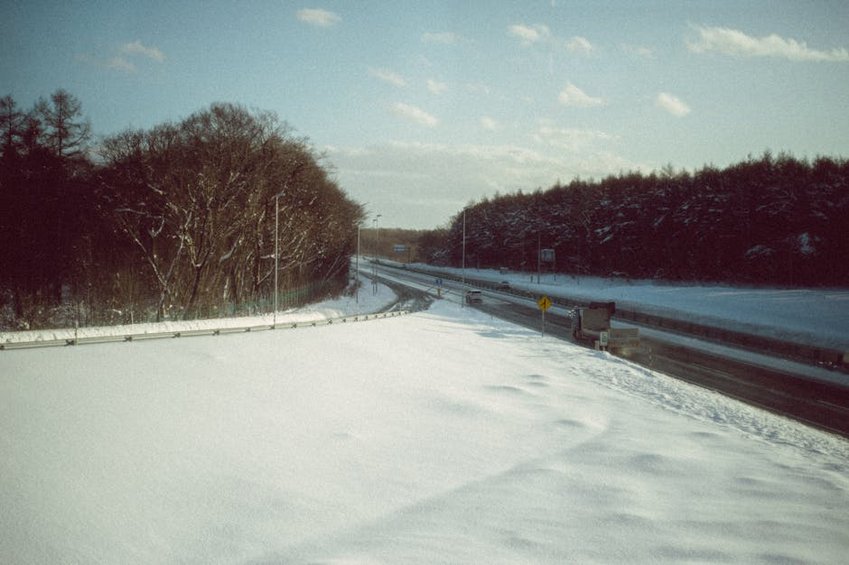
Japan Hokkaido Niseko Powder Snow
Japan Hokkaido Niseko powder snow defines the pinnacle of winter sports, offering consistently dry, deep, and light snow conditions that attract skiers and snowboarders globally. This region receives an average of 15 meters (590 inches) of snowfall annually, creating near-perfect conditions for off-piste adventures and pristine groomed runs across four interconnected resorts. Your visit requires understanding seasonal patterns, securing the right gear, and navigating a unique blend of Japanese culture and international ski amenities.
Essential Hokkaido and Niseko Information
Hokkaido is Japan’s northernmost major island, renowned for its volcanic landscapes, abundant hot springs, and world-class winter conditions. Niseko United, the premier ski area, comprises the interconnected resorts of Grand Hirafu, Hanazono, Niseko Village, and Annupuri. This setup provides over 2,191 skiable hectares with varied terrain suitable for all skill levels.
The town’s infrastructure seamlessly blends Japanese tradition with modern conveniences, catering to a large international visitor base. You will find English signage widely available, along with restaurants serving both local Hokkaido cuisine and Western-style comfort food. Understanding this cultural fusion enhances your overall experience on and off the mountain.
What You Need to Know About the Region
The Niseko area operates with distinct seasonal characteristics that influence travel plans and activities. Key factors include transportation access, weather patterns, and cultural norms.
- Access is primarily via New Chitose Airport (CTS), a 2.5 to 3-hour drive or bus ride from the resort, with direct shuttles and rental car options available for the journey.
- Winter weather is cold and snowy, with January temperatures averaging between 23°F (-5°C) and 14°F (-10°C), demanding high-quality thermal and waterproof clothing.
- While cash is still king in many local establishments, credit cards are widely accepted at hotels, major restaurants, and ski rental shops within the resort zones.
- Budget: $1,200-$2,000 per person for a week. This covers dorm-style lodging, cooking meals, a multi-day lift pass, and using public buses. Focus on pre-booked package deals and avoid peak holiday weeks like Chinese New Year.
- Mid-Range: $2,500-$4,000 per person. This includes a hotel room or condo in Hirafu, daily lift tickets, some restaurant meals, ski rentals, and a couple of group lessons. Booking flights early secures the best airfare rates for this tier.
- Luxury: $5,000+ per person. Expect premium ski-in/ski-out hotels, private guide services for untouched powder, fine dining every night, and luxury spa treatments. This tier often includes private transport from the airport and premium rental equipment.
- Niseko Tourism
- Snow Japan Resort Guide
Key Details on Niseko United
The four-resort system allows a single lift pass to access a vast network of trails, backcountry gates, and amenities. Grand Hirafu serves as the central hub with the most extensive dining and nightlife. Meanwhile, Hanazono is famous for its beginner-friendly slopes and premium park features.
Niseko Village offers family-oriented accommodations and gentle, long runs, while Annupuri provides a quieter, more traditional Japanese atmosphere. The All Mountain Lift Pass is essential for exploring this diverse terrain. It unlocks chairlifts, gondolas, and shuttle buses that efficiently connect all base areas throughout the day.
The Unique Quality of Hokkaido Snow
The legendary snow quality results from cold Siberian air masses crossing the Sea of Japan. This process gathers moisture that falls as extremely light, low-density powder upon hitting Hokkaido’s mountains. The snowpack often maintains a consistent dryness that is perfect for deep turns and minimal resistance.
This meteorological phenomenon creates what enthusiasts call “Japow,” a term synonymous with the area’s exceptional skiing conditions. The snow is not only abundant but also frequently refreshed, ensuring top-tier surface conditions throughout the core season from late December to early March.
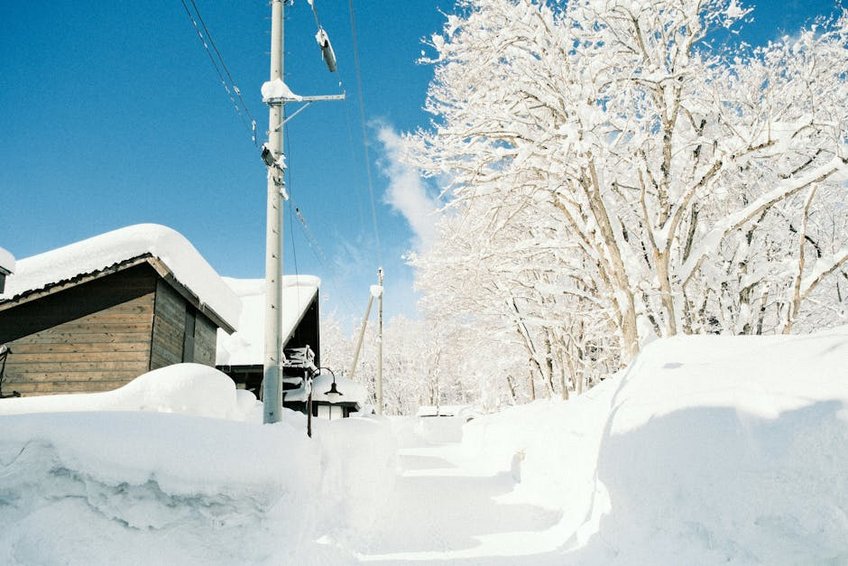
Alt: “niseko-united-ski-resort-hokkaido-powder-snowdrifts”
Japan Hokkaido Niseko Powder Snow – Planning Your Trip
Organizing a successful ski holiday to this destination hinges on precise timing and logistical preparation. The peak season offers the most reliable snow but also the highest prices and crowds. Your planning should balance these factors with your personal preferences for atmosphere and budget.
Early reservations are non-negotiable, especially for flights, popular lodgings, and specialized guide services. Flights into New Chitose Airport fill quickly, and the best accommodation options near the slopes can book out six months or more in advance. Creating a detailed checklist prevents last-minute scrambles for essential services.
Consider your group’s ability levels when selecting a base area within the Niseko United network. Inter-resort travel is straightforward, but staying close to preferred terrain maximizes your time on the mountain. Allocate your budget across lift tickets, rentals, lessons, and dining to avoid surprises.
Best Time to Visit for Powder Conditions
The prime period for consistent, deep powder runs spans from mid-January through February. During these months, cold temperatures preserve snow quality, and frequent storms deliver fresh accumulations. Average daily highs hover around 25°F (-4°C), with nighttime lows dropping to 9°F (-13°C).
For fewer crowds and good snow, consider the shoulder seasons of late December or March. Early December carries higher risk for limited terrain openings, while March offers longer days and softer spring snow. The famous backcountry gates typically operate from late December to early May, depending on avalanche safety conditions.
Budget Planning and Costs
A ski trip to Niseko involves several key cost categories. Planning each segment helps manage your total expenditure, which can vary widely based on style and preferences.
Essential Preparation Checklist
Pack technical, waterproof outer layers, thermal baselayers, goggles with low-light lenses, and helmet. Rent high-performance powder skis or a snowboard locally to suit Hokkaido’s specific conditions. Bring waterproof gloves, neck gaiters, and quality ski socks—items that see constant use in wet, cold environments.
Ensure your travel insurance explicitly covers off-piste skiing and emergency evacuation. U.S. and EU passport holders can enter Japan visa-free for up to 90 days. Book airport transfers months ahead, and consider getting an international driver’s permit if you plan to rent a car for greater flexibility.
Top Attractions and Mountain Experiences
Beyond the phenomenal skiing, the Niseko region offers diverse winter activities and cultural sights. The natural beauty of Mount Yotei, an almost perfectly symmetrical volcano, provides a stunning backdrop. Day trips to the coastal town of Otaru or the historic city of Sapporo are highly recommended.
On-mountain experiences range from meticulously groomed cruisers to challenging backcountry terrain accessed through controlled gates. Each resort area within Niseko United has its own character and signature runs. Exploring all four sectors reveals the full scope of what this world-class destination offers.
Must-See Highlights and Runs
The Grand Hirafu area features wide, rolling runs like Center and Family, perfect for building confidence. For advanced skiers, the famed backcountry gates near the top of the Grand Hirafu lift offer access to legendary off-piste zones. Always ski with a partner, proper safety gear, and consider hiring a certified guide for these areas.
Hanazono is celebrated for its perfectly shaped terrain parks and halfpipes, attracting freestyle enthusiasts. Niseko Village boasts the longest run in the resort, the 5.6 km (3.5 mile) Paradise, ideal for long, scenic descents. Annupuri offers stunning views of the Sea of Japan and generally has the shortest lift lines.
Hidden Gems and Local Favorites
Venture to the nearby resort of Moiwa, a smaller, independently operated mountain with a single-chairlift charm and incredible tree skiing. A combined Niseko United + Moiwa lift ticket is available for those seeking variety. The onsen (hot spring) at the base of Moiwa is a local secret for a relaxing post-ski soak.
For a unique cultural experience, visit the Shiribetsu River wetland area for a guided snowshoe tour. You can also explore the quiet, traditional villages of Makkari or Kyogoku, where you’ll find authentic, family-run izakayas (pubs) rarely visited by tourists. These spots offer a genuine glimpse into rural Hokkaido life.
Apres-Ski and Evening Activities
The apres-ski scene centers around Hirafu’s bustling streets, with bars like The Fridge and Barunie attracting international crowds. For a more relaxed vibe, seek out smaller sake bars or enjoy a quiet onsen under the stars. Many high-end hotels have their own luxurious private and public baths.
Evening activities include snowmobile tours, night skiing on floodlit slopes (available in Grand Hirafu and Hanazono), and dining at world-class restaurants. Reservations for popular dinner spots are essential. The region is also an excellent place for stargazing on clear, cold nights away from village lights.
Practical Travel Information and Logistics
Navigating Hokkaido requires understanding the local transportation network and accommodation landscape. While the resort itself is very accessible, reaching it and moving between villages involves specific options. Planning this in advance ensures a smooth and stress-free holiday.
Accommodation ranges from traditional Japanese ryokans and hostels to Western-style hotels and luxury private chalets. Your choice significantly impacts your daily routine, especially regarding proximity to lifts, dining, and onsens. Researching location is as important as reviewing amenities.
| Accommodation Type | Best For / Features | Price Range (USD/Night) |
|---|---|---|
| Hostel / Guesthouse | Solo travelers & budget groups; shared facilities, social atmosphere | $30 – $80 |
| Condominium / Apartment | Families & self-catering groups; kitchen, living space, in-room laundry | $200 – $500 |
| Ski-in/Ski-out Hotel | Convenience & luxury; direct slope access, onsen, fine dining | $400 – $900+ |
| Traditional Ryokan | Cultural experience; tatami mats, kaiseki meals, intimate onsens | $250 – $600 per person with meals |