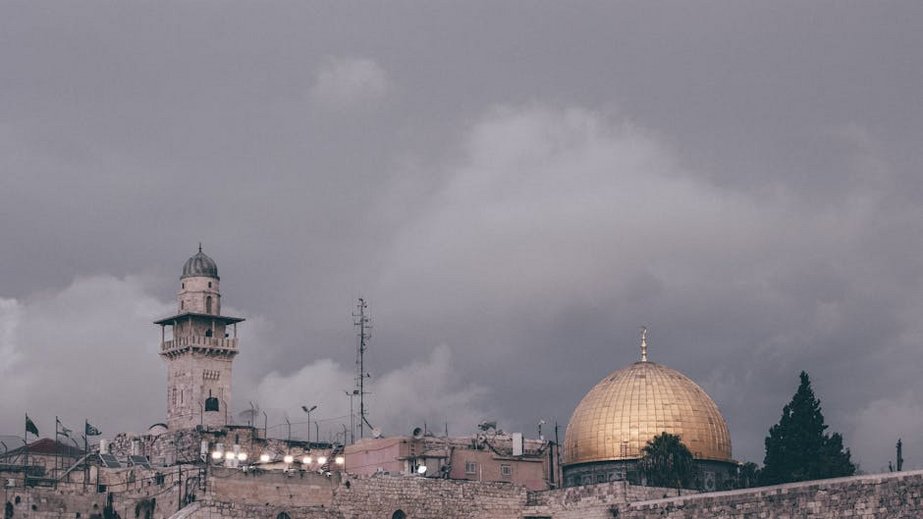
Israel Jerusalem Old City Walking Tour
Exploring Jerusalem’s Old City on foot connects you directly with thousands of years of history within its iconic stone walls. This Israel Jerusalem Old City walking tour navigates the dense, ancient alleyways of four distinct quarters, revealing sacred sites, vibrant markets, and living traditions at every turn. You’ll learn how to pace your visit, understand the cultural nuances, and discover the profound layers that make this walled enclave a pinnacle of human heritage.
Essential Historical and Cultural Context
Jerusalem’s Old City, a UNESCO World Heritage site, is a roughly one-square-kilometer area enclosed by 16th-century Ottoman walls. Its history spans over 3,000 years, with each era leaving a physical and spiritual mark on its stones. The city is divided into four quarters—Jewish, Christian, Muslim, and Armenian—each with its own unique atmosphere, architecture, and rhythm of life.
Walking through these quarters is like traversing different worlds, all contained within a short distance. The current layout largely reflects developments from the Roman era onward, with significant construction during Byzantine, Crusader, and Ottoman rule. Understanding this layered past enriches every step you take, transforming a simple stroll into a journey through time.
Key Historical Periods to Recognize
As you walk, noticing architectural clues helps decode the city’s story. Look for these distinct elements tied to major ruling powers.
- Herodian Stones: Massive, finely chiseled blocks with distinctive border framing, visible at the base of the Western Wall, date to King Herod’s expansion of the Second Temple compound around 19 BCE.
- Crusader Arches: Pointed, Gothic-style arches and vaulted ceilings found in churches like the Church of the Holy Sepulchre and along the Via Dolorosa mark the 12th-century Latin Kingdom of Jerusalem.
- Ottoman Walls and Gates: The imposing stone fortifications and seven main gates, including Jaffa Gate and Damascus Gate, were built by Sultan Suleiman the Magnificent between 1537 and 1541 CE, defining the city’s current silhouette.
- Budget ($35-60 USD): Free exploration of public sites and markets. Lunch from a street stall like falafel or shawarma ($5-10). Affordable souvenirs from the market. Stay in a hostel outside the walls in West Jerusalem and use public transport.
- Mid-Range ($90-180 USD): Join a paid guided walking tour ($30-50). Enjoy a sit-down lunch at a mid-tier restaurant ($20-30). Purchase higher-quality crafts. Book a hotel or guesthouse just inside Jaffa Gate or in the Christian Quarter.
- Luxury ($250+ USD): Hire a private, expert guide for a full day ($150+). Dine at a fine restaurant with a view, such as on the Mount of Olives. Stay at a high-end hotel with Old City views, like the American Colony Hotel in East Jerusalem.
- Israel Ministry of Tourism
- UNESCO World Heritage Centre – Old City of Jerusalem
The Four Quarters – A Cultural Mosaic
Each quarter offers a distinct sensory and cultural experience. The Muslim Quarter is the largest and most populous, filled with the bustling sounds and smells of the souk (market). Here, you’ll find vendors selling spices, textiles, and sweets alongside historic madrassas (Islamic schools) and the gateway to the Temple Mount.
The Christian Quarter centers around the Church of the Holy Sepulchre, with numerous chapels, pilgrim hostels, and souvenir shops catering to visitors. The quieter Armenian Quarter, home to one of the world’s oldest diaspora communities, features a cathedral, monastery, and archaeological museum within its defensive walls.
The Jewish Quarter, largely reconstructed after 1967, blends ancient ruins like the Cardo with yeshivas (religious schools), modern apartments, and panoramic viewpoints overlooking the Western Wall plaza. The dynamic between these tightly packed neighborhoods is central to the Old City’s unique character.
Spiritual Significance and Sacred Sites
For billions of people globally, the Old City is the spiritual center of the world. It houses Judaism’s Western Wall, Christianity’s Church of the Holy Sepulchre, and Islam’s Dome of the Rock and Al-Aqsa Mosque. These sites lie incredibly close to one another, making interfaith dialogue and, at times, tension, a daily reality.
Respectful behavior is paramount. Modest dress (covering shoulders and knees) is required for entering the Temple Mount/Haram al-Sharif and is recommended at all holy sites. Observing prayer times and Sabbath (from Friday sunset to Saturday sunset) is crucial, as access to certain areas may be restricted and services like elevators in Jewish Quarter hotels cease operation.
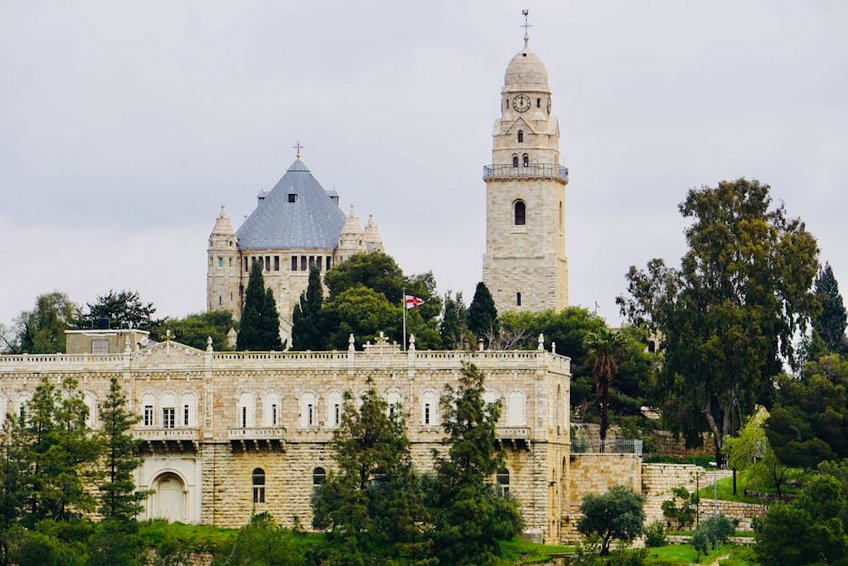
Alt: “jerusalem-old-city-aerial-view-four-quarters-walls”
Israel Jerusalem Old City Walking Tour – Planning Your Visit
A successful Israel Jerusalem Old City walking tour requires thoughtful timing and preparation. The compact area is deceptively large in experience, with steep, uneven steps and crowded lanes that can be physically demanding. Planning around the climate, local holidays, and your own interests is the key to a rewarding exploration rather than an exhausting marathon.
Allocate at least one full day for a comprehensive overview. A two-day itinerary allows for a more relaxed pace, deeper exploration of specific quarters, and time to revisit favorite spots. Start early in the morning to experience the gates opening and the quiet before the tour groups arrive, typically around 8:00 AM.
Best Time to Visit the Old City
The ideal months for comfortable walking are during the shoulder seasons: March to May and September to November. Daytime temperatures range from a pleasant 60-80°F (15-27°C) with minimal rain. Summer (June-August) can be intensely hot, often exceeding 90°F (32°C), demanding a hat, sunscreen, and plenty of water, with exploration best done in the early morning and late afternoon.
Winter (December-February) is cooler, with highs of 50-60°F (10-15°C) and occasional rain. While less crowded, some pathways become slippery. Major Jewish, Christian, and Muslim holidays can lead to massive crowds and closures; always check the calendar for dates like Ramadan, Easter, Passover, and Yom Kippur before finalizing your plans.
Budget Planning and Costs
Exploring the Old City itself is low-cost, but guided tours, meals, and souvenirs add up. Here’s a typical daily budget breakdown.
Essential Preparation Checklist
Pack for a full day of walking on uneven surfaces. Sturdy, broken-in walking shoes with good grip are non-negotiable. Dress in layers with modesty in mind—carry a light scarf or shawl to cover shoulders. A small backpack should hold a refillable water bottle, sun protection, hand sanitizer, and cash (New Israeli Shekels) for small market purchases.
Ensure your passport is with you, as it may be checked at certain security points. While not always required, booking a licensed guide in advance is highly recommended for historical context and navigation. Download an offline map or navigation app, as the labyrinthine alleyways can quickly disorient even the most directionally savvy traveler.
Top Attractions and Walking Routes
The Old City contains a concentration of world-renowned landmarks. A logical route helps manage time and energy. One classic full-day loop begins at Jaffa Gate, proceeds through the Armenian Quarter to the Jewish Quarter and Western Wall, continues into the Muslim Quarter along the Via Dolorosa, and ends at the Church of the Holy Sepulchre before exiting via the Christian Quarter.
Resist the urge to rush. The magic often lies in the details: a hidden courtyard, a conversation with a shopkeeper, the smell of fresh za’atar. Allow for serendipity. If a site is overcrowded, move on and circle back later. Many smaller churches and historical points of interest, like the Lutheran Church of the Redeemer with its climbable tower, offer quieter moments of reflection.
Must-See Landmarks
The Western Wall (Kotel) is the last remaining retaining wall of the Second Temple complex. It is open 24/7, with separate prayer sections for men and women. The adjacent Western Wall Tunnels tour (requires advance booking) reveals the wall’s full, incredible length hidden underground.
The Church of the Holy Sepulchre, shared by six Christian denominations, encompasses the traditional sites of Jesus’s crucifixion and tomb. Visit early or late to avoid the largest crowds, and expect to wait in line to enter the Edicule (tomb chamber). The Dome of the Rock, with its brilliant golden cupola, is an Islamic shrine located on the Temple Mount. Non-Muslim visitors can access the platform through the wooden walkway at the Mughrabi Gate, but entry into the Dome itself is prohibited.
Hidden Gems and Local Favorites
Venture beyond the main thoroughfares. The “Souq el-Qattanin” (Market of the Cotton Merchants) is a beautiful, covered Mamluk-era market street leading to the Temple Mount, often quieter than the main souks. The “Cardo” in the Jewish Quarter shows the excavated main street of Roman and Byzantine Jerusalem, with a restored section of columns and modern shops below street level.
For a stunning view, find the “Austrian Hospice” on the Via Dolorosa. A small fee grants access to its rooftop café, offering one of the best panoramic vistas over the Old City’s rooftops and domes. In the Armenian Quarter, the “St. James Cathedral” is a jewel-box of ceramics and hanging lamps, and the “Tower of David Museum” at Jaffa Gate provides excellent historical context that frames your entire walking experience.
Navigating the Via Dolorosa
The Via Dolorosa (Way of Sorrow) is the traditional path Jesus walked to his crucifixion, marked by 14 Stations of the Cross. It winds through the Muslim Quarter, starting near the Lion’s Gate and ending at the Church of the Holy Sepulchre. Following the route is a profound experience for Christian pilgrims.
Stones marked with Roman numerals indicate each station. The path is busy with shops and daily life. Join a guided pilgrimage group (often led by friars) on Friday afternoons for the most communal experience, or walk it quietly on your own any day. The contrast between the spiritual reflection and the vibrant market activity surrounding the route is a defining aspect of the journey.
Practical Travel Logistics
Accessing and moving around the Old City is straightforward, but has specific considerations. The main entry points for tourists are Jaffa Gate (most common), Damascus Gate (lively market entrance), and Zion Gate (bullet-pocked walls near the Jewish Quarter). All gates have visible security checks; have your bag ready for inspection.
Once inside, the only way to explore is on foot. The lanes are narrow, stepped, and uneven—not suitable for wheeled luggage or large strollers. Lightweight umbrella strollers can manage but are challenging. For visitors with mobility issues, note that the terrain is very difficult; some major sites have alternative access, but a comprehensive tour of all quarters involves many stairs.
| Accommodation Type | Location & Features | Price Range (USD/Night) |
|---|---|---|
| Hostel / Guesthouse | Christian Quarter or just outside Jaffa Gate; basic private rooms or dorms; shared facilities. | $50 – $90 |
| Mid-Range Hotel | Inside walls near Jaffa or Zion Gates; modest rooms, often with historic character; breakfast included. | $150 – $250 |
| Boutique Hotel | Jewish Quarter or Armenian Quarter; recently renovated with modern amenities; rooftop views. | $250 – $400 |
| Luxury Hotel | East Jerusalem or German Colony (outside walls); spacious rooms, pools, fine dining, shuttle service. | $400+ |