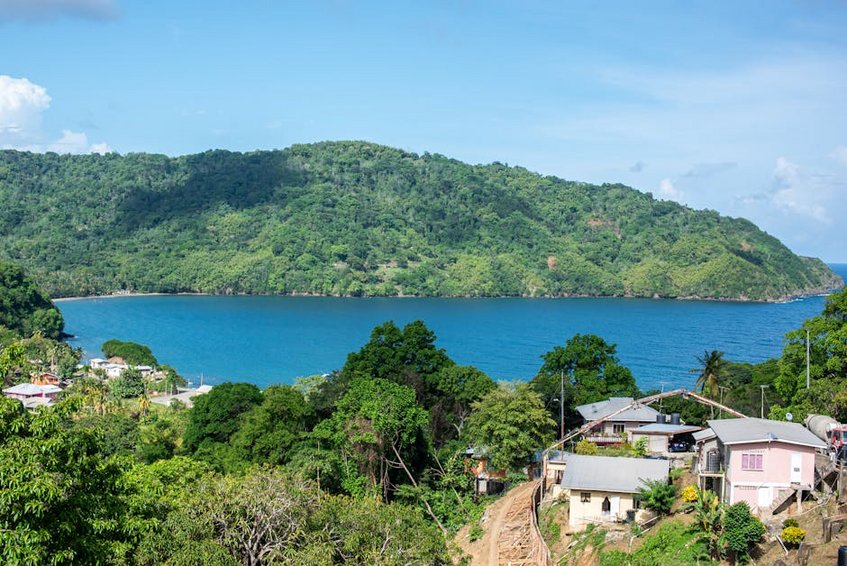
Caribbean Island Holiday Guide for Perfect Escapes
A Caribbean island holiday offers the quintessential tropical escape, blending turquoise waters, vibrant cultures, and endless sunshine across a diverse archipelago. Each island, from the lush rainforests of Dominica to the powdery pink sands of Barbados, presents a unique personality and suite of experiences tailored to every traveler. This guide provides essential planning tips, insider recommendations, and practical advice to help you design your ideal getaway to this sun-drenched paradise.
Essential Caribbean Island Information
The Caribbean Sea is home to over 700 islands, islets, and cays, divided into more than two dozen sovereign nations and territories. This region stretches from the Florida coast to the coast of Venezuela, creating a vast playground with distinct cultural influences. You will find English, Spanish, French, and Dutch spoken, reflecting a rich colonial history that shapes each destination’s food, music, and architecture.
Geographically, the islands are grouped into the Greater Antilles, Lesser Antilles, and the Bahamas & Turks and Caicos. The climate is generally tropical, with a warm, humid rainy season from June to November and a drier, slightly cooler season from December to April. While hurricane season is a consideration, modern forecasting and resilient infrastructure mean travel is possible year-round with proper planning.
Choosing Your Island Vibe
Your ideal tropical vacation depends heavily on matching an island’s character to your interests. Some are known for non-stop entertainment, while others offer total seclusion.
- For vibrant nightlife and all-inclusive resorts, consider Jamaica’s north coast or the Dominican Republic’s Punta Cana, where days are filled with activities and evenings pulse with music.
- Seekers of luxury and pristine beaches should look to St. Barts, Anguilla, or the Turks and Caicos, known for world-class service, designer shopping, and some of the planet’s softest sand.
- Adventure and eco-tourism thrive on islands like Dominica, “The Nature Isle,” with its boiling lake and river tubing, or Puerto Rico, home to El Yunque rainforest and bioluminescent bays.
- Budget Travelers ($1,500-$2,500 total): Stay in guesthouses or hostels on less-developed islands like Grenada or Dominica. Use public transportation, eat at local “rum shops” and cook some meals. Focus on free activities like hiking and public beach access. Flights are your biggest expense; book 3-4 months out for deals.
- Mid-Range Travelers ($3,500-$5,500 total): This tier allows for comfortable beachfront hotels or all-inclusive packages in places like Jamaica or the Dominican Republic. You can book guided tours, rent a car for a few days, and enjoy nicer restaurants. Look for bundled flight and hotel deals for the best value.
- Luxury Travelers ($7,000-$15,000+ total): This unlocks five-star resorts in St. Lucia, private villa rentals in Turks and Caicos, or yacht charters in the British Virgin Islands. Expect fine dining, private transfers, bespoke excursions, and premium spa services. Consider using a specialized travel advisor for access to elite amenities and upgrades.
- Caribbean Hotel and Tourism Association
- Lonely Planet Caribbean Travel Guide
Key Historical and Cultural Context
The Caribbean’s complex history is pivotal to understanding its present-day culture. Indigenous Taíno and Carib peoples were followed by European colonization, the transatlantic slave trade, and indentured labor from Asia. This fusion created the dynamic Creole cultures visible today in Carnival celebrations, religious syncretism, and culinary traditions.
This history is not hidden but celebrated. You can explore colonial-era fortresses in Old San Juan, Puerto Rico, or visit plantation museums in Barbados that thoughtfully detail the sugar trade’s impact. Engaging with this past adds profound depth to your visit, transforming a simple beach trip into a more meaningful cultural exchange.
Weather Patterns and Seasonal Travel
Understanding regional weather is crucial for planning. The dry season, from December to April, offers the most reliably sunny days with temperatures averaging 75-85°F (24-29°C). This is peak tourist season, so prices are highest and beaches most crowded.
The wet season, May to November, sees higher humidity, brief afternoon showers, and a lower chance of hurricanes (primarily August-October). Travel during this period means better deals, lush green landscapes, and fewer tourists. With flexible travel insurance and weather apps, a summer visit can be an incredible value.
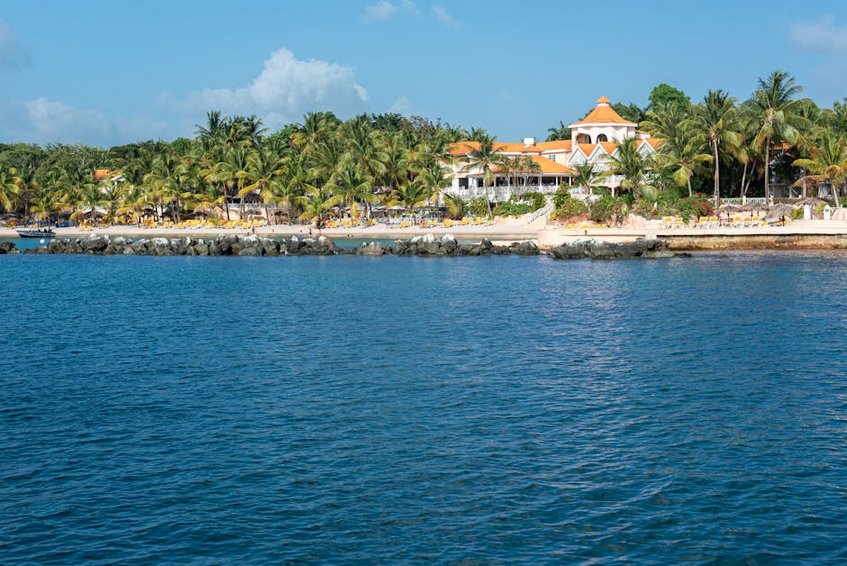
Alt: “caribbean-beach-turquoise-water-palm-trees-sunset”
Caribbean Island Holiday – Planning Your Trip
Planning your Caribbean island holiday requires more than just booking a flight. Success hinges on aligning your budget, travel style, and desired activities with the right island and timing. A well-planned trip balances relaxation with exploration, ensuring you experience both the famous highlights and hidden local gems that make each destination unique.
Your budget will dictate many choices. A luxury escape to a private villa in Mustique differs vastly from a backpacker-friendly journey through the Windward Islands using local ferries. Decide on your non-negotiables—whether it’s a swim-up bar, a diving certification, or a quiet romantic dinner—and build your itinerary around those core experiences.
Best Time to Visit the Caribbean Islands
The absolute best time for a Caribbean visit is during the dry season, from mid-December to mid-April. You’ll enjoy near-perfect weather with minimal rain, temperatures between 77-84°F (25-29°C), and calm seas ideal for sailing and snorkeling. However, this is when airfares and hotel rates peak, often doubling off-season prices, and popular beaches can feel crowded.
For the best balance of value and weather, target the shoulder months of May, early June, or late November. You’ll avoid the height of hurricane season while benefiting from lower prices and smaller crowds. If you visit during the late summer, focus on the southern Caribbean islands like Aruba, Bonaire, and Curaçao, which sit outside the main hurricane belt.
Budget Planning and Costs
A Caribbean vacation cost varies dramatically. Here is a breakdown by budget tier for a one-week trip for two.
Essential Preparation Checklist
Pack light, breathable clothing, swimwear, a sun hat, and high-SPF reef-safe sunscreen. Include a light sweater for air-conditioned spaces and restaurants, sturdy sandals, and water shoes for rocky shorelines. Don’t forget a waterproof phone case, a reusable water bottle, and any preferred over-the-counter medications, as specific brands may not be available.
Ensure your passport is valid for at least six months beyond your travel dates. U.S. and most EU citizens do not need visas for short tourist stays in most Caribbean nations. Purchase comprehensive travel insurance that covers medical evacuation and trip interruption. Check if you need any specific vaccinations and research local COVID-19 entry requirements, which can change rapidly.
Top Caribbean Attractions and Activities
Beyond the beach, the archipelago is bursting with iconic sights and adventures. From the towering Pitons in St. Lucia to the underwater sculpture park in Grenada, there are landmarks that define the region’s natural beauty and creativity. Each activity connects you to the environment and culture in a memorable way.
Water-based adventures are the heart of any island trip. The clarity and warmth of the sea make it perfect for snorkeling over vibrant coral reefs, learning to scuba dive at world-class sites, or setting sail on a day charter to secluded coves. On land, explore historic capital cities, hike to cascading waterfalls, or tour rum distilleries to taste the local spirit.
Must-See Highlights
The Baths National Park in Virgin Gorda, British Virgin Islands, is a geological wonder featuring giant granite boulders forming sea caves and tidal pools. You can swim and scramble through this unique landscape. Visit early in the morning to avoid the crowds from cruise ship day-trippers and have the magical pools mostly to yourself.
Harrison’s Cave in Barbados is an impressive limestone cavern system with flowing streams, deep pools, and stunning stalactites. An electric tram takes you through the illuminated caves, making it accessible for all ages. Combine this visit with a trip to nearby St. Nicholas Abbey, a beautifully preserved Jacobean plantation house.
Old Havana, Cuba, offers a time-capsule experience with its classic American cars, colonial architecture, and vibrant music scene wandering from plaza to plaza. While U.S. travel restrictions exist, many other nationals can visit freely to experience this unique culture. Staying in a *casa particular* (private homestay) provides an authentic connection with local hosts.
Hidden Gems and Local Favorites
For a break from resort crowds, seek out Secret Harbour Beach on the southeast coast of Grenada. It’s a serene, curved bay with excellent snorkeling right from the shore, often with sea turtles. The adjacent restaurant serves fresh, local lunches in a laid-back setting, perfect for a full day of relaxation away from the busier Grand Anse area.
On St. Vincent, tackle the challenging but rewarding hike to the summit of La Soufrière volcano. The trail takes you through lush rainforest into a stark, alien landscape of volcanic rock and sulfur springs at the crater’s rim. Hiring a local guide is recommended, both for safety and to enrich the experience with their knowledge of the flora and geology.
Sailing and Yacht Charters
The Caribbean is one of the world’s premier sailing destinations, with steady trade winds and protected waters. The British Virgin Islands are particularly famous for their “bareboating” culture, where those with sailing certification can charter a yacht and be their own captain, hopping from one pristine anchorage to the next.
For those without sailing experience, crewed charters offer a luxurious all-inclusive experience with a captain and chef. Day sails are also available on almost every island, offering a taste of life on the water with snorkeling stops, a fresh seafood lunch, and unlimited rum punch. This is often the highlight of many travelers’ trips.
Practical Travel Information and Logistics
Navigating the Caribbean involves understanding a network of international and regional airlines, inter-island ferries, and local transportation. Major hubs like Miami, Fort Lauderdale, and New York offer direct flights to many destinations, while traveling between islands often requires connecting through these hubs or using regional carriers like interCaribbean Airways or Caribbean Airlines.
Accommodation ranges from international mega-resorts and boutique hotels to villa rentals and small guesthouses. Your choice will significantly impact your experience. Resorts offer convenience and amenities, while villas and guesthouses provide space, privacy, and a deeper connection to local communities. Booking platforms show all options, but for unique villas, consider specialist rental agencies.
| Accommodation Type | Best For | Average Nightly Rate (USD) |
|---|---|---|
| All-Inclusive Resort | Families, convenience-seekers, budget control | $300 – $700+ |
| Boutique Hotel | Couples, design lovers, personalized service | $250 – $500 |
| Private Villa | Groups, families, privacy, self-catering | $400 – $2,000+ |
| Guesthouse/B&B | Solo travelers, budget travelers, cultural immersion | $80 – $180 |