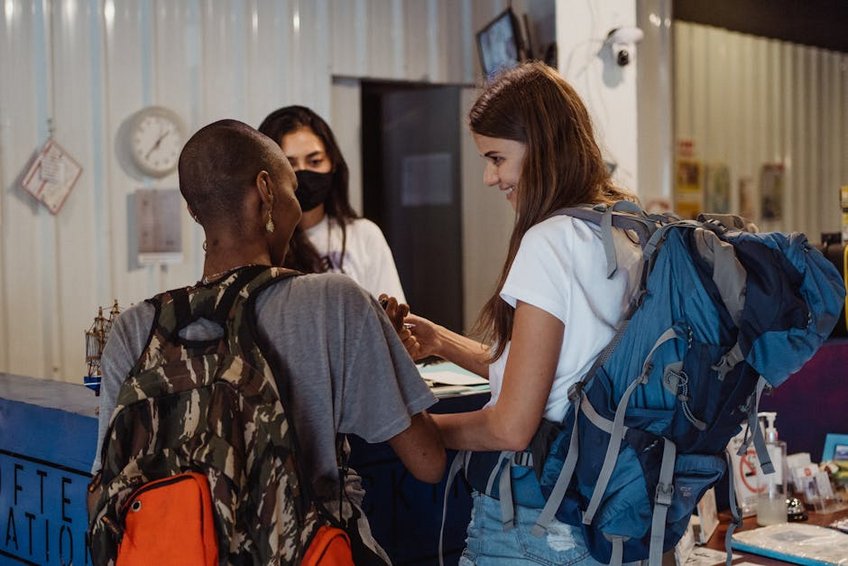
Hostel Safety: A Smart Traveler’s Complete Guide
Choosing a hostel is a budget-savvy decision for millions of travelers annually. Modern hostels prioritize safety with features like 24/7 reception, secure keycard entry, and individual lockers. This guide details proactive measures, from selecting the right room to securing your belongings, ensuring your stay is both affordable and secure.
Essential Hostel Safety Information
Hostels have evolved significantly from their basic origins. Today, many offer private rooms, en-suite bathrooms, and hotel-level security. Understanding this landscape is your first step toward a safe experience. Your vigilance combined with the hostel’s amenities creates a strong security foundation.
Safety perceptions vary by destination. Hostels in Western Europe, Japan, and Australia typically have excellent safety records. Facilities in certain Southeast Asian or South American cities may require more diligence. Researching recent traveler reviews is crucial for context-specific insights.
Understanding Modern Hostel Security
Contemporary hostels invest heavily in guest security. Standard features now often exceed simple locks. Recognizing these offerings helps you choose the safest accommodation.
- Electronic keycard access replaces old-fashioned keys, restricting entry to booked guests only and logging comings and goings.
- Individual lockers are standard; bring your own padlock or rent one from reception for securing passports, laptops, and cash.
- 24-hour reception and security staff provide constant oversight and immediate assistance for any concerns or emergencies that arise.
- Budget ($15-$25 USD): May have basic lockers (bring a padlock), limited reception hours, and shared bathrooms. Safety depends heavily on your own precautions and choosing a well-reviewed chain.
- Mid-Range ($25-$40 USD): Typically includes 24/7 reception, keycard entry, larger lockers, and sometimes security cameras. This range offers the best value for balanced safety and comfort.
- Premium ($40-$60+ USD): Features private or pod-style beds, en-suite bathrooms, premium lockers with charging, and often located in safer, central neighborhoods. Ideal for travelers with high-value items.
- Hostelworld: Global Hostel Booking Platform
- Hostelling International USA: Safety & Travel Tips
Global Safety Standards and Variations
Safety standards are not universal. A boutique hostel in Lisbon operates differently than a beachside bungalow hostel. European hostels often adhere to strict fire and safety codes. Facilities in other regions might have more relaxed enforcement.
Your research should include checking for safety certifications or membership in reputable organizations like Hostelling International. These memberships often mandate regular safety inspections. Independent hostels can be equally safe but require more thorough vetting.
Risk Assessment for Different Travelers
Solo female travelers, digital nomads with expensive gear, and party-seeking backpackers all face distinct risks. Acknowledging your personal risk profile shapes your precautions. Solo travelers might prioritize female-only dorms or smaller, quieter hostels.
Travelers with valuable electronics should confirm locker dimensions fit their gear before booking. Those seeking nightlife should check lockout policies and location safety after dark. Every traveler benefits from a personalized security checklist.
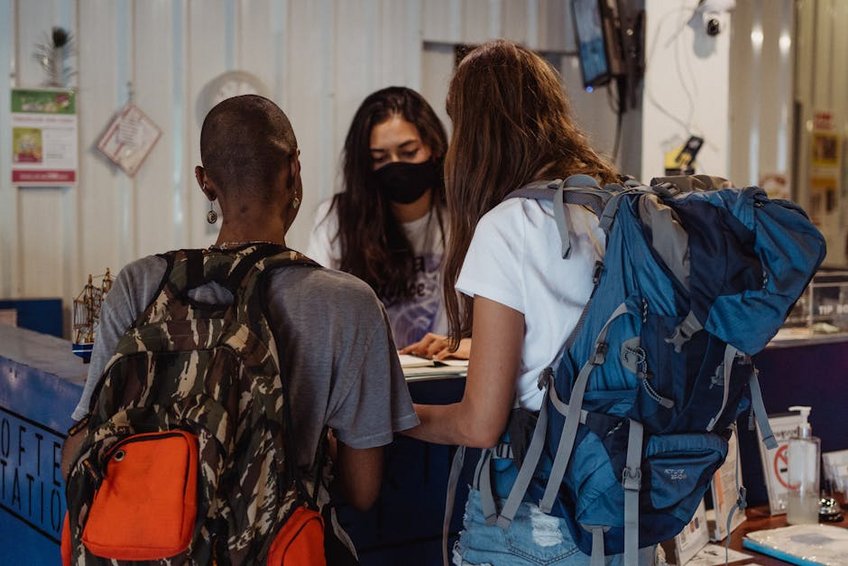
Alt: “modern-hostel-dorm-room-with-secure-lockers-and-keycard-access”
Hostel Safety – Planning Your Secure Stay
Your security begins long before check-in. Strategic planning drastically reduces risks. This phase involves selecting the right property and preparing your travel kit. Smart choices here prevent most common security issues.
Allocate part of your budget toward safety. Spending $5-$10 more per night for a hostel with 24/7 reception and in-room lockers is a wise investment. Read between the lines of reviews, focusing on comments about staff responsiveness and neighborhood safety after sunset.
Best Time to Book for Optimal Safety
Book your hostel several weeks in advance, especially for peak summer or festival seasons. Early booking secures spots in higher-rated, safety-conscious hostels that fill quickly. Last-minute bookings often leave only less-vetted options with poorer reviews.
Shoulder seasons like late spring or early fall offer a safer atmosphere with fewer crowds. You’ll experience more attentive staff and less chaotic common areas. Winter travel in cities also sees reduced occupancy, allowing for quieter and more manageable environments.
Budget Planning for Safety Features
Your nightly rate should reflect security features. Here is a breakdown of what to expect at different price points in major cities.
Essential Safety Packing Checklist
Your packing list is a primary safety tool. Essential security items are small, inexpensive, and invaluable. Do not assume your hostel will provide everything you need for securing belongings.
Pack a sturdy combination padlock for lockers, a small door alarm for private rooms, and a portable power bank to avoid leaving devices charging unattended. Include a money belt or hidden pouch for essential documents and a backup credit card stored separately from your wallet.
Navigating Hostel Spaces Securely
Once you arrive, situational awareness is your greatest asset. Hostels are social spaces, but maintaining personal security is paramount. Familiarize yourself with exit routes, locker locations, and staff members immediately.
Common areas like kitchens and lounges are low-risk for theft but practice good habits. Never leave your phone, wallet, or passport unattended on a table while you grab food. Use the buddy system with new friends when going out at night in an unfamiliar city.
Dorm Room Safety Protocols
The dorm room is your primary space. Upon entering, locate your assigned locker and test its lock. Store all valuables immediately, even if you’re just stepping to the bathroom. Keep your daypack locked when you sleep.
Use earplugs and a sleep mask if you’re a light sleeper. This prevents you from being disturbed by noise and allows you to rest without keeping one eye open. If something feels off about a roommate, discreetly ask reception about switching rooms.
Securing Belongings in Shared Areas
Shared bathrooms and kitchens present unique challenges. Use a small, waterproof toiletry bag you can carry with you rather than leaving items in shower stalls. In the kitchen, label your food clearly and use fridge space promptly.
While using hostel computers or charging stations, never save passwords or leave sessions logged in. Treat public Wi-Fi with caution; use a VPN on your devices to encrypt data when accessing banking or personal accounts.
Evaluating Staff and Fellow Travelers
Trust your instincts regarding people. Professional, uniformed staff at reception are a positive sign. Be socially savvy but cautious with fellow travelers; avoid oversharing detailed travel plans or displaying large amounts of cash.
Participate in group activities organized by the hostel, as these are typically safe and monitored. If someone makes you uncomfortable, politely disengage and inform hostel staff. A good hostel team will handle the situation discreetly.
Practical Accommodation and Logistics
Choosing the right location is a critical safety factor. A hostel in a well-lit, central neighborhood with good transit links is often safer than a cheaper option in a remote, poorly connected area. Proximity reduces risks associated with late-night travel.
Accommodation type significantly impacts security. Pod hostels offer more privacy than open dorms. Hostels with a required membership or check-in process often maintain better security control than completely open establishments.
| Accommodation Type | Safety & Privacy Features | Avg. Price/Night (USD) |
|---|---|---|
| Large Mixed Dorm (8-12 beds) | Basic locker, high traffic, social atmosphere | $18 – $28 |
| Small Female-Only Dorm (4-6 beds) | Enhanced privacy, often better locker size, controlled access | $25 – $38 |
| Private Pod/Capsule | Lockable door/curtain, personal light/outlet, reduced noise | $35 – $55 |
| Private En-Suite Room | Full privacy, keycard door lock, secure storage, quiet | $50 – $80 |