Is the Paris Museum Pass Worth It for Your Trip?
Deciding whether to buy a Paris Museum Pass requires analyzing your itinerary, pace, and budget. This city-wide pass grants timed entry to over 50 museums and monuments across Paris and the greater Île-de-France region, including heavy-hitters like the Louvre and Palace of Versailles. Your visit’s value hinges on a simple calculation: if you plan to see two major sites per day, the pass typically pays for itself while saving hours in ticket queues.
Essential Information on the Paris Museum Pass
The Paris Museum Pass is a physical card offering consecutive-day access to participating cultural institutions. It activates at the first museum you visit and is valid for 2, 4, or 6 consecutive calendar days, not 24-hour periods. You cannot share a single pass between travelers, and it must be signed on the back upon first use for validation.
It’s crucial to understand what the card does not cover. The pass provides general admission but does not include special exhibitions, guided tours, audio guides, or activities at certain sites like the Sainte-Chapelle concert series. Crucially, it is not a skip-the-line ticket in the purest sense; for the Louvre, Orsay, and Château de Versailles, you must book a free, mandatory timed entry slot online in advance.
What the Pass Includes and Excludes
The pass covers general entry to all permanent collections. You need to know the key distinctions.
- Includes: Core admission to all permanent collections at over 50 sites, such as the Louvre, Musée d’Orsay, Arc de Triomphe, and Panthéon. This is the primary financial benefit.
- Requires Reservation: Free timed-entry reservations are mandatory for the Louvre, Versailles, and Orsay. You must book these online yourself, separate from purchasing the pass.
- Excludes: Access to temporary or special exhibitions, audio guide rentals, guided tours, and transportation to sites. Events at venues like the Sainte-Chapelle also require a separate ticket.
- Budget Traveler (2-Day Pass, €55): Target high-value sites. Visit the Louvre (€22) and Orsay (€16) on Day 1, then Versailles (€20) and the Arc de Triomphe (€13) on Day 2. Total individual cost: €71. Pass saves €16 and significant queue time.
- Mid-Range Explorer (4-Day Pass, €70): Perfect for a comprehensive visit. Cover 2-3 sites daily, like the Orangerie, Army Museum, Panthéon, and Sainte-Chapelle. Visiting just 8 major sites easily surpasses €100 in individual tickets, making the pass a clear winner.
- Culture Enthusiast (6-Day Pass, €85): Ideal for deep dives or return visitors seeing lesser-known gems. Include day trips to Fontainebleau (€14) and Saint-Denis (€9). Visiting 12+ sites makes the per-attraction cost drop below €7, offering tremendous value for dedicated museum-goers.
- Official Paris Museum Pass Website
- Rick Steves’ Paris Travel Guide
Key Details on Activation and Use
Your pass activates the moment you scan it at your first attraction. The clock starts then, not when you buy it. A 4-day pass used first at 3 PM on Monday expires at closing time on Thursday. Plan your first visit strategically, perhaps starting in the afternoon to get a partial day’s value.
Always carry a photo ID with your pass, as staff may request it for verification. Remember, the pass is for your personal use only and is non-transferable. Losing it means losing all value, as replacements are not issued, so treat it like cash or a credit card during your stay.
Geography of the Included Sites
The participating institutions are concentrated in central Paris but extend to the outskirts. Major sites within the city are easily accessible via the Metro. The crown jewel outside the city is the Château de Versailles, which requires a 45-minute train ride on the RER C line.
Other notable inclusions beyond the city center are the Château de Fontainebleau (a one-hour train ride south) and the Basilica Cathedral of Saint-Denis. To maximize value, cluster visits by geographic area, such as hitting the Louvre, Orsay, and Orangerie in one day, all located within a 20-minute walk of each other.
Alt: “paris-museum-pass-card-louvre-pyramid-verification”
Paris Museum Pass – Planning Your Purchase
Determining if the Paris Museum Pass is worth it requires honest assessment of your travel style. Are you a fast-paced traveler who can comfortably visit two or three major museums in a day? If so, the math often works in your favor. If you prefer leisurely, single-attraction days with long lunches, paying individual entry fees might be more cost-effective.
Calculate potential savings by listing the sites you genuinely want to visit and checking their current individual entry prices, which typically range from €13 to €22. The break-even point for a 2-day pass (€55) is usually two major sites per day. The 4-day pass (€70) becomes valuable if you plan three or more high-value visits across its duration.
Consider the intangible benefit of time saved. Walking past long general admission lines at places like the Arc de Triomphe or the Panthéon can save 30-60 minutes per site. This reclaimed time is priceless on a short itinerary, allowing you to see more or simply enjoy a relaxed coffee at a sidewalk café.
Best Time to Use the Paris Museum Pass
The pass delivers maximum value during peak tourist seasons from April through October and during the December holidays. This is when lines for individual tickets are longest, making the priority access lanes most beneficial. Summer temperatures can soar, and avoiding queues in the heat significantly improves your museum-going experience.
During the off-season (November, January, and February), crowds are thinner and lines shorter. The time-saving advantage diminishes, so your decision should rely more strictly on the financial calculation. However, having the pass encourages spontaneous museum visits to escape chilly or rainy weather, adding a layer of flexibility to your winter trip.
Budget Planning and Costs
Compare the pass cost against individual tickets for your planned itinerary.
Essential Preparation Checklist
Before purchasing, confirm your desired sites are open on your travel days, as many museums close on Tuesdays or Mondays. Check the official website for the latest list of participating institutions, as it can change. Have a rough daily itinerary to ensure you can logically group nearby attractions.
Book your mandatory free timed-entry slots for the Louvre, Versailles, and Orsay the moment your travel dates are firm, especially for peak season. These slots can fill up weeks in advance. Purchase your pass online for collection at a Paris airport or major train station, or buy it at your first participating museum to activate immediately.
Top Attractions and Strategic Itineraries
The pass unlocks Paris’s incredible cultural tapestry, from Renaissance masterpieces to imperial palaces. A smart itinerary balances iconic must-sees with lesser-known treasures to avoid museum fatigue. Group visits by neighborhood: dedicate a day to the Left Bank for the Orsay and Cluny, and another to Île de la Cité for Sainte-Chapelle and the Conciergerie.
Pacing is critical. Allocate 2-3 hours for massive collections like the Louvre or Versailles, and 60-90 minutes for smaller sites like the Picasso Museum or the Rodin Museum’s garden. Start early to enjoy popular venues with smaller morning crowds, and use afternoons for more compact galleries or outdoor monuments like the Arc de Triomphe.
Must-See Highlights Covered
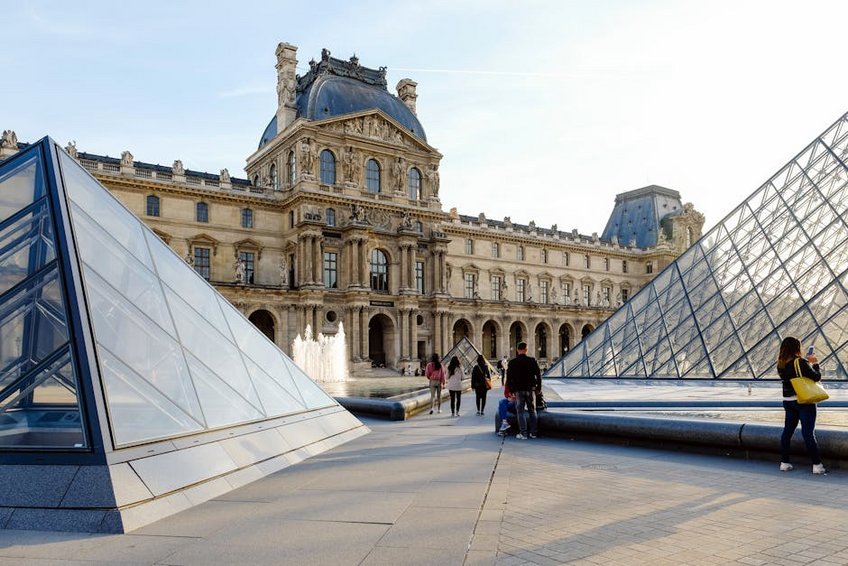
The Louvre needs no introduction; with the pass, you secure your entry time and walk directly to the security line for the Pyramid entrance. Plan for a minimum 2.5-hour visit focusing on a specific wing, like the Denon wing for the Mona Lisa and Venus de Milo.
The Musée d’Orsay houses the world’s premier Impressionist collection in a stunning Beaux-Arts railway station. The Château de Versailles is a full-day expedition from Paris. Your pass covers access to the palace’s State Apartments, the Hall of Mirrors, and the vast gardens (except fountain show days).
Hidden Gems and Local Favorites
Venture beyond the blockbusters to sites where the pass offers great value with fewer crowds. The Musée de l’Orangerie, home to Monet’s breathtaking Water Lilies panoramas, is serene and manageable. The Musée des Arts et Métiers is a fascinating museum of scientific instruments and inventions housed in a medieval priory.
For a profound historical experience, visit the former Conciergerie prison, where Marie Antoinette was held. The pass also includes the stunning Sainte-Chapelle, famed for its 1,113 stained glass windows. Visit here on a sunny day for the full effect of the colored light illuminating the chapel’s interior.
Optimizing a 4-Day Pass Schedule
A well-planned 4-day schedule maximizes value. Day 1: Louvre (AM) and Orangerie (PM). Day 2: Full day at Versailles. Day 3: Orsay (AM), Rodin Museum garden (PM). Day 4: Sainte-Chapelle & Conciergerie (AM), Arc de Triomphe (PM) for panoramic views. This schedule alone covers over €120 worth of tickets.
Practical Travel Information and Logistics
Navigating Paris with the pass is straightforward, as most sites are well-connected by the Metro. The pass itself does not include transportation, so you’ll need a separate travel card like the Paris Visite pass or a book of Metro tickets (“carnet”). Factor this into your overall budget.
Accommodation location matters. Staying in central arrondissements like the 1st, 4th, 5th, or 6th puts you within walking distance or a short Metro ride of multiple included sites, reducing daily transit time and cost. This geographical efficiency helps you pack more value into each pass day.
| Category | Options/Features | Price Range (USD) |
|---|---|---|
| Paris Museum Pass | 2, 4, or 6 consecutive days; 50+ sites; mandatory reservations for top 3. | $60 – $95 |
| Individual Museum Tickets | Pay-per-entry; full-price adult tickets; queue for each purchase. | $14 – $25 per site |
| Alternative: Paris Pass | Includes Museum Pass, transit, hop-on-hop-off bus, Seine cruise. | $130 – $250+ |
| Specialized Tours | Guided skip-the-line tours of specific museums (e.g., Louvre). | $65 – $120 per tour |