Raja Ampat Coral Reefs: Indonesia’s Underwater Paradise
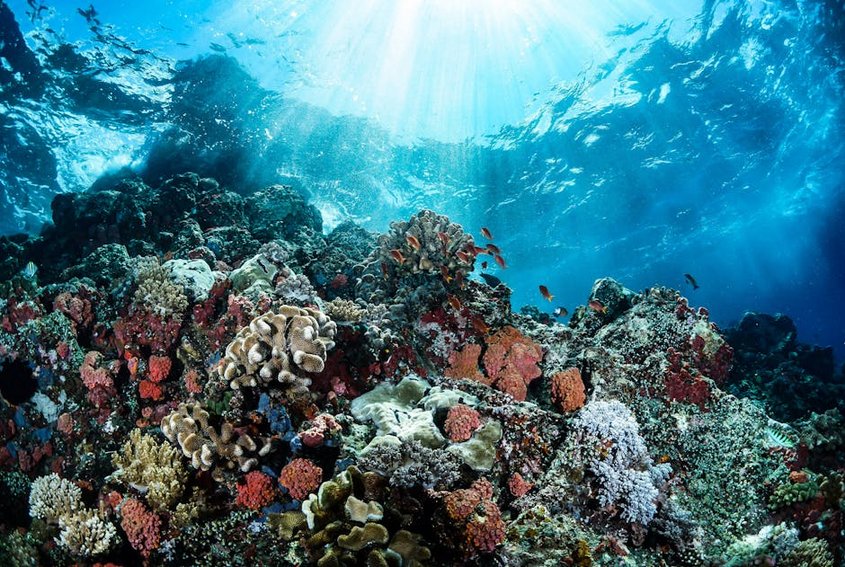
Raja Ampat coral reefs form the planet’s most biodiverse marine ecosystem, hosting over 1,500 fish species and 75% of known coral varieties in crystal-clear waters. This Indonesian archipelago delivers unparalleled snorkeling and diving experiences across four main islands with vibrant hard and soft corals visible from the surface. Your journey explores remote homestays, conservation efforts, and practical travel planning for this fragile underwater wonderland.
Essential Raja Ampat Information
Raja Ampat sits in West Papua province, covering 40,000 square kilometers of marine protected area within the Coral Triangle. The archipelago’s name translates to “Four Kings,” referencing Misool, Salawati, Batanta, and Waigeo islands surrounded by hundreds smaller islets. UNESCO recognizes this region as a global priority for marine conservation due to its extraordinary species density.
Visitors reach these remote islands via Sorong, the gateway city with daily flights from Jakarta and Makassar. Indonesian rupiah serves as local currency, though US dollars sometimes work for larger tour payments. You’ll need a visa-on-arrival available at major Indonesian airports for most Western passport holders.
Marine Biodiversity Highlights
These waters contain remarkable underwater life across various ecosystems.
- Spot pygmy seahorses camouflaged on sea fans and manta rays gliding through cleaning stations during specific tidal cycles.
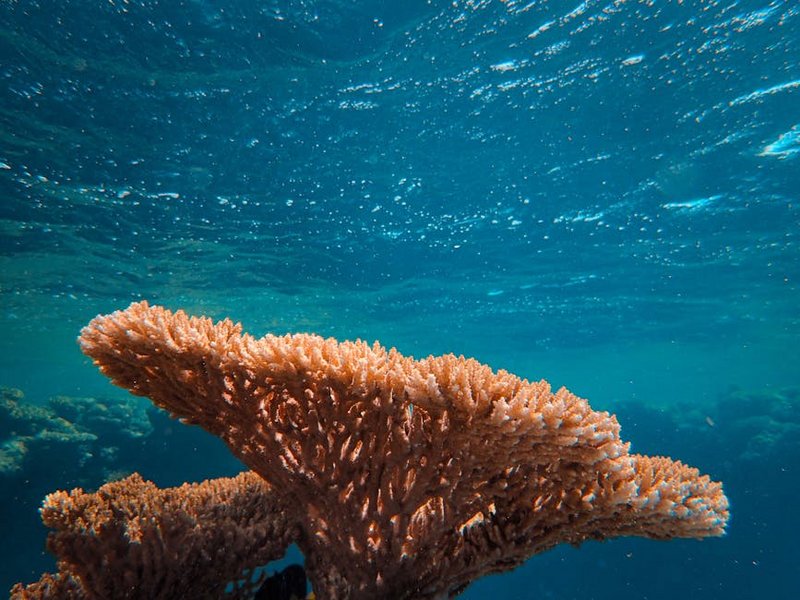
- Discover hard coral gardens with branching staghorn corals and soft coral fields in vibrant pink, purple, and orange hues.
- Encounter wobbegong sharks resting on sandy bottoms and schools of barracuda forming tornado-like formations in blue water.
- Budget travelers spend $50-80 daily using homestays with meals, joining group transfers from Sorong, and focusing on snorkeling from shore.
- Mid-range visitors allocate $150-250 daily for resort packages with diving, better amenities, and private bathroom facilities.
- Luxury experiences cost $400-700 daily through liveaboard vessels offering unlimited diving, gourmet meals, and air-conditioned cabins.
- Indonesia Tourism Board
- Raja Ampat Marine Park Authority
Conservation and Protection Status
Raja Ampat established marine protected areas in 2007, implementing strict fishing regulations and visitor guidelines. Local communities actively participate in conservation through homestay programs and reef monitoring initiatives. Your entry fee directly funds patrols, education, and preservation projects maintaining this fragile ecosystem.
The region faces threats from climate change, plastic pollution, and potential over tourism despite current protections. Sustainable tourism practices include using reef-safe sunscreen, avoiding coral contact, and choosing eco-certified operators. Visitors should respect designated no-take zones and maintain safe distances from marine life.
Geographical and Climate Context
This equatorial archipelago experiences consistent warm temperatures between 79-88°F (26-31°C) throughout the year. Rainfall patterns create distinct seasons with drier conditions from October to April ideal for underwater visibility. Humid tropical climate means quick showers can occur even during dry months.
Ocean temperatures remain comfortable for swimming year-round at 82-86°F (28-30°C). Currents vary significantly between sites, requiring attention to tidal changes and proper dive planning. The remote location means limited medical facilities, emphasizing the need for travel insurance with evacuation coverage.
Alt: “raja-ampat-underwater-coral-gardens-fish-schools”
Raja Ampat Coral Reefs – Planning Your Trip
Planning your Raja Ampat coral reefs adventure requires advance preparation due to limited infrastructure and seasonal considerations. The optimal visiting window falls between October and April when seas calm and visibility reaches 30-40 meters. You should book flights, accommodations, and liveaboards several months ahead for peak season visits.
Budget considerations span from budget homestays at $30-50 nightly to luxury liveaboards costing $300-700 daily. Intermediate options include mid-range resorts with package deals covering meals and local transfers. All visitors must purchase the Raja Ampat Marine Park entry permit costing approximately $100 for international tourists.
Physical preparation involves basic swimming competence and snorkeling comfort, though dive operators accommodate all skill levels. You’ll need waterproof bags, multiple swimsuits, and protective clothing for sun and mosquito prevention. Lightweight long-sleeved shirts and pants prove essential for evening protection.
Best Time to Visit Raja Ampat
Visit between October and April for optimal conditions with calm seas, minimal rainfall, and superior underwater visibility exceeding 30 meters. December through February offers peak dry season weather with temperatures around 84°F (29°C) and lower humidity levels. This period also coincides with higher accommodation rates and advance booking requirements.
May through September brings rougher seas and reduced visibility, though fewer visitors and lower prices create attractive alternatives. Shoulder months like October and April balance reasonable conditions with moderate crowds. Manta ray sightings peak between December and March at specific cleaning stations.
Budget Planning and Costs
Your Raja Ampat budget varies significantly based on accommodation style and included services.
Essential Preparation Checklist
Secure your Indonesian visa-on-arrival or check visa-free eligibility based on your passport nationality before booking flights. Purchase comprehensive travel insurance covering diving activities, medical evacuation, and trip cancellation protections. Arrange Indonesian rupiah cash in small denominations since credit card acceptance remains limited outside major resorts.
Pack multiple swimsuits, quick-dry clothing, reef-safe sunscreen, and mosquito repellent for tropical conditions. Bring underwater cameras or GoPros with red filters for capturing vibrant coral colors beneath the surface. Verify your dive certifications are current and carry physical certification cards alongside logbooks.
Top Attractions and Activities
Raja Ampat delivers world-class marine experiences across dozens of renowned dive sites and snorkeling locations. The region’s geography creates varied underwater landscapes from steep walls and shallow gardens to mangroves and seamounts. You can explore these environments through guided tours, independent snorkeling, or multi-day liveaboard expeditions.
Beyond underwater activities, the islands offer jungle trekking to hidden lagoons, traditional village visits, and birdwatching for exotic species. Cultural interactions with local communities provide insight into sustainable fishing practices and conservation efforts. Evening activities often focus on photography, with spectacular sunsets over karst formations.
Must-See Dive and Snorkel Sites
Cape Kri holds the record for most fish species spotted on a single dive, with currents bringing abundant marine life to this vibrant reef. The site features steep drop-offs covered in soft corals and frequent shark sightings in deeper sections. Morning dives typically offer the best conditions before afternoon currents strengthen.
Arborek Jetty provides exceptional snorkeling directly from the pier with gentle currents suitable for beginners. This house reef showcases pygmy seahorses, colorful nudibranchs, and schooling fusiliers in shallow, protected waters. The nearby village offers cultural performances and handicraft shopping opportunities.
Manta Sandy cleaning station attracts numerous manta rays year-round, particularly between December and March. This shallow sandy area allows snorkelers to observe these graceful creatures being cleaned by smaller fish. Visitors should maintain respectful distances and avoid flash photography.
Hidden Gems and Local Favorites
Wayag Island’s viewpoint requires a strenuous climb but rewards with panoramic vistas of mushroom-shaped islands and turquoise lagoons. This remote northern area features pristine reefs with minimal visitation compared to central locations. Access requires additional permits and longer boat transfers from Waisai.
Batanta Island’s waterfalls offer freshwater swimming after jungle treks through lush rainforest terrain. Local guides lead visitors to these hidden natural pools, sharing knowledge about medicinal plants and forest ecosystems. This activity provides refreshing contrast to extensive saltwater exposure.
Diving Conditions and Safety
Currents vary from gentle drifts to strong downwellings requiring advanced buoyancy control and situational awareness. Dive operators typically group participants by experience level and provide thorough briefings specific to each site’s conditions. Safety protocols include deploying surface marker buoys and maintaining group cohesion throughout dives.
Water temperatures remain consistently warm, though thermoclines can occur at deeper dive sites below 25 meters. Most operators recommend 3mm wetsuits for protection against coral abrasions and occasional jellyfish encounters. Night diving reveals different marine behaviors with crustaceans, octopus, and hunting predators becoming active.
Practical Travel Information
Reaching Raja Ampat involves international flights to Jakarta or Bali, then domestic connections to Sorong’s Dominique Edward Osok Airport. From Sorong, ferries depart daily to Waisai on Waigeo Island, the archipelago’s main transportation hub. Final transfers to specific islands occur via local boats arranged by your accommodation.
Accommodation ranges from basic homestays with shared facilities to luxury resorts with overwater bungalows and dive centers. Electricity availability varies, with many homestays operating generators during limited evening hours. Internet connectivity remains unreliable outside major resorts, encouraging digital disconnection.
| Category | Options/Features | Price Range (USD) |
|---|---|---|
| Homestays | Basic rooms, shared bathrooms, included meals, local experiences | $30-50/night |
| Resorts | Private bathrooms, dive packages, restaurant, limited WiFi | $150-300/night |
| Liveaboards | All-inclusive diving, air-conditioning, guided tours, meals | $400-700/night |
| Transportation | Sorong ferry tickets, local boat transfers, airport pickup | $20-100/trip |