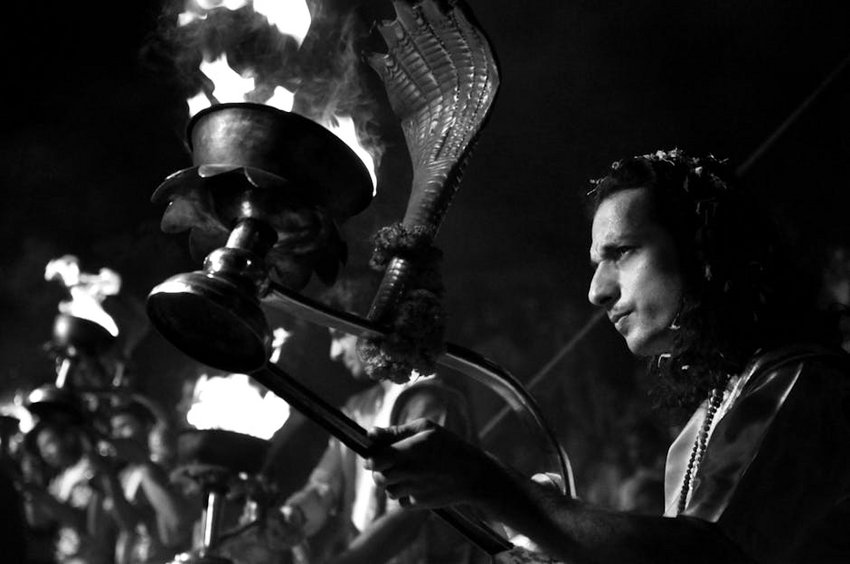
India Varanasi Ganges River Aarti: Spiritual Ceremony on Sacred Waters
The India Varanasi Ganges River Aarti represents one of Hinduism’s most revered daily rituals, drawing pilgrims and travelers to the ghats along the holy river. This elaborate ceremony features synchronized chanting, flaming lamps, and flower offerings performed by priests at sunset, creating a powerful sensory experience connecting participants to ancient traditions. Understanding the ceremony’s significance, timing, and cultural context enhances your visit to this spiritual epicenter.
Essential Varanasi Ganga Aarti Information
Varanasi’s Ganga Aarti occurs nightly at Dashashwamedh Ghat, the city’s primary ceremonial location along the Ganges River. Priests conduct the ritual using multi-tiered brass lamps, incense, and conch shells while chanting Sanskrit mantras honoring River Goddess Ganga. The ceremony typically lasts 45-60 minutes, with variations occurring at other ghats throughout the city.
This ancient practice dates back centuries, mentioned in Hindu scriptures as a devotional offering to purify souls and acknowledge the river’s life-giving properties. Many believers consider witnessing the aarti equivalent to receiving spiritual blessings, with the ritual’s fire symbolizing the divine light illuminating consciousness. The ceremony’s continuity through generations reflects Varanasi’s status as one of the world’s oldest continually inhabited cities.
What is the Ganges Aarti Ceremony?
The Ganga Aarti combines several symbolic elements creating a multisensory spiritual experience for participants.
- Fire offerings involve priests circling large brass lamps with multiple wicks dipped in ghee, representing the five elements and driving away darkness.
- Chanting and mantras recited in Sanskrit create rhythmic vibrations believed to purify the atmosphere and connect devotees to cosmic energy.
- Flower offerings with floating diyas (small lamps) released onto the Ganges symbolize surrendering ego and negative tendencies to the sacred waters.
- Budget travelers spend $5-15 daily using free ghat viewing, local eateries ($2-4 meals), and hostel dorm beds ($8-12), focusing resources on boat rentals ($4-8) for alternative perspectives.
- Mid-range visitors allocate $30-70 daily for reserved boat seating ($15-25), mid-tier hotels ($25-45), restaurant meals ($5-10), and guided walking tours ($10-15) explaining ritual significance.
- Luxury experiences cost $100-200+ daily featuring premium riverfront hotels ($80-150), private boat ceremonies ($40-60), fine dining ($15-25 meals), and personalized guides ($25-40) providing cultural context.
- Uttar Pradesh Tourism Department
- UNESCO World Heritage – Varanasi
Historical and Cultural Significance
Varanasi’s association with Lord Shiva makes the Ganga Aarti particularly significant within Shaivism traditions, with the ceremony believed to please the deity. Historical records suggest similar rituals occurred along the Ganges for over 3,000 years, though the current format standardized around the 1990s to accommodate growing visitor numbers. The ceremony’s preservation demonstrates Hinduism’s living traditions amidst modernization pressures.
Local families often attend generations together, teaching children ritual importance through direct participation rather than formal instruction. Many devotees believe witnessing the aarti helps accumulate spiritual merit (punya) and can assist in breaking cycles of rebirth. The ceremony’s timing at sunset aligns with Hindu tradition of performing prayers during sandhya (transition periods between day and night).
Key Locations and Timing Details
Dashashwamedh Ghat hosts the main ceremony starting approximately 30 minutes after sunset, though timing shifts slightly seasonally between 6:45 PM and 7:30 PM. Arrive 60-90 minutes early during peak season (October-March) to secure seating on the ghat steps or book boat positions for optimal viewing. Smaller aartis occur simultaneously at Assi Ghat and other locations with fewer crowds.
Priests perform the ritual on a specially constructed platform with elaborate decorations and sound systems amplifying chants across the riverfront. The ceremony follows a structured sequence beginning with conch blowing, followed by lamp circling, flower offering, and concluding with arati (circumambulation). Monsoon season (July-August) sometimes alters locations when high water levels submerge lower ghat steps.
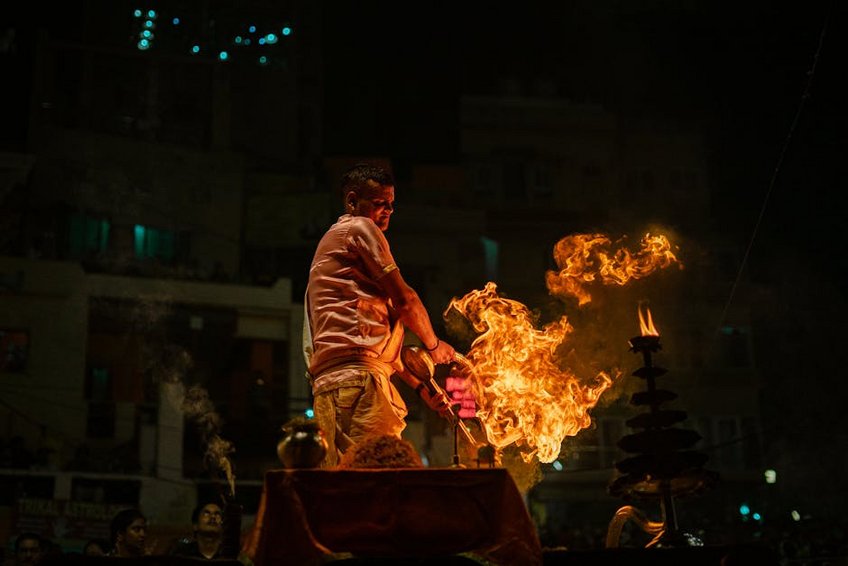
Alt: “varanasi-dashashwamedh-ghat-ganga-aarti-ceremony”
India Varanasi Ganges River Aarti – Planning Your Trip
Your India Varanasi Ganges River Aarti experience benefits significantly from advance preparation regarding seasonal timing, viewing options, and cultural awareness. October through March offers pleasant weather conditions with temperatures between 50-80°F (10-27°C), though December-January brings dense fog sometimes affecting visibility. Summer months (April-June) feature extreme heat reaching 110°F (43°C), while monsoon season (July-September) provides dramatic skies but potential ceremony disruptions.
Budget approximately $15-40 for boat seating during the ceremony, with higher prices including hotel pickup and guided explanations. Free viewing exists from ghat steps, though these spaces fill quickly and offer limited visibility without elevated positioning. Consider combining your aarti visit with sunrise boat rides along the Ganges to experience contrasting moments of tranquility and celebration along the river.
Best Time to Visit Varanasi for Aarti
October through February represents peak season with comfortable temperatures between 55-75°F (13-24°C) and minimal rainfall, though December and January evenings can drop to 45°F (7°C). These months attract maximum visitors, requiring earlier arrival for prime ceremony viewing positions and advance hotel bookings. Festival periods like Dev Deepawali (15 days after Diwali) feature enhanced aartis with additional decorations and participation.
March through June offers thinner crowds but challenging heat often exceeding 95°F (35°C), making evening ceremonies more comfortable than daytime exploration. July through September sees reduced tourism with occasional ceremony cancellations during heavy rainfall, though hotel rates drop 30-50% providing budget opportunities. Shoulder months October and March balance reasonable weather with moderate visitor numbers.
Budget Planning and Costs
Varanasi accommodates various budget levels for experiencing the Ganga Aarti ceremony.
Essential Preparation Checklist
Pack modest clothing covering shoulders and knees, comfortable sitting cushions for ghat steps, mosquito repellent for evening hours, and conservative scarves for women entering temples nearby. Essential photography gear includes fast lenses (f/2.8 or wider) for low light, tripods for boat stability, and extra memory cards capturing the ceremony’s dynamic movements. Carry small change for offerings (flowers, lamps) and donations, though avoid flash photography during prayer moments.
Secure accommodations within walking distance of Dashashwamedh Ghat, booking 2-3 months ahead for November-February visits when hotels reach 90% occupancy. Verify visa requirements beforehand (most Western passports receive 30-day tourist visas), purchase travel insurance covering itinerary changes, and consult your doctor about recommended vaccinations for northern India. Learn basic Hindi phrases like “namaste” (greeting) and “dhanyavaad” (thank you) to enhance local interactions.
Top Varanasi Attractions and Activities
Varanasi offers numerous spiritual and historical sites complementing the Ganga Aarti experience, with many locations accessible within the compact old city area. The narrow galis (lanes) behind the ghats contain ancient temples, traditional shops, and hidden courtyards revealing the city’s layered history beyond the riverfront. Morning boat rides provide completely different perspectives of the ghats before daily activities commence along the banks.
Combine your evening aarti visit with sunrise ceremonies at Assi Ghat, where smaller gatherings feature meditation and yoga sessions as daylight emerges over the Ganges. The Kashi Vishwanath Temple (Golden Temple) represents one of Hinduism’s most sacred Jyotirlinga shrines, though non-Hindus can only view its spires from designated areas nearby. Sarnath located 10 kilometers away offers Buddhist pilgrimage sites where Buddha delivered his first sermon.
Must-See Highlights
Kashi Vishwanath Temple’s golden spire dominates Varanasi’s skyline, with the current structure dating to 1780 though the site’s religious significance spans millennia. Non-Hindus can appreciate the temple’s exterior architecture and visit the Gyanvapi Mosque adjacent, showcasing the city’s complex religious history. Morning visits avoid longest queues, with security checks prohibiting phones, cameras, and bags inside the complex.
Dasaswamedh Ghat serves as the aarti’s primary venue, featuring colorful buildings, bustling markets, and numerous boat operators along its broad steps. Arrive early to explore the ghat’s various shrines and observe daily rituals like morning baths and puja ceremonies occurring throughout daylight hours. Evening transforms the space into Varanasi’s spiritual theater with food stalls, flower vendors, and thousands gathering for the main event.
Assi Ghat marks the confluence of Asi River with Ganges, featuring a quieter morning aarti and becoming the city’s cultural hub with music performances and literary events. The ghat contains a large Shiva lingam beneath a pipal tree where pilgrims offer prayers before bathing, with nearby cafes ideal for observing river activities. Its southern location provides relief from old city congestion while maintaining authentic spiritual atmosphere.
Hidden Gems and Local Favorites
Manikarnika Ghat represents one of Hinduism’s primary cremation sites, where continuous funeral pyres illustrate core philosophical concepts regarding life’s impermanence. Visitors should maintain respectful distance without photography, observing from boats or designated viewing areas while reflecting on cultural attitudes toward mortality. The ghat’s name originates from legend claiming Goddess Parvati dropped her earring (manikarnika) here.
Bharat Mata Temple features unique cartographic relief mapping of India carved from marble, dedicated to Mother India rather than specific deities. The temple’s unconventional approach appeals to those interested in national symbolism and architectural innovation, located near Varanasi Cantonment with easier access than old city temples. Its peaceful atmosphere provides contemplative space away from crowded ghats.
Photography Tips for Aarti Ceremony
Boat positions 50-100 feet from the ghat provide optimal aarti photography angles capturing both ceremonial actions and audience reactions across the water. Use shutter speeds around 1/125sec to freeze priest movements while maintaining ISO 1600-3200 for adequate exposure without excessive noise in fading light. Time-lapse sequences effectively convey the ceremony’s progression from daylight to illuminated darkness.
Ghat step positions require wider lenses (24mm or wider) to encompass the ceremony’s scale, though sightlines may be obstructed without early arrival. Respectful photography avoids flash during prayer moments, focuses on overall scenes rather than individual worshippers, and maintains distance from active ritual areas. Post-ceremony, the illuminated ghats and floating lamps create additional photographic opportunities as crowds disperse.
Practical Varanasi Travel Information
Varanasi connects via Lal Bahadur Shastri International Airport (VNS) with direct flights from Delhi, Mumbai, and Kathmandu, plus connecting services from international hubs. The airport sits 26 kilometers northwest of the city center, with prepaid taxi counters charging $10-15 for the 45-90 minute drive depending on traffic conditions. Train arrivals at Varanasi Junction offer atmospheric introductions to the city, with auto-rickshaws efficiently navigating narrow lanes to ghat areas.
Accommodation ranges from basic guesthouses ($15-30) in the old city to luxury properties ($80-150+) along the riverfront, with mid-range options ($40-70) concentrated in Lahurabir and Cantonment areas. Book hotels with generator backup since power outages occur regularly, and verify hot water availability during winter months when temperatures drop significantly at night. Walking represents the primary old city transportation, though boat transport between ghats avoids crowded lanes.
| Accommodation Type | Features and Location | Price Range (USD) |
|---|---|---|
| Budget Guesthouses | Basic rooms near ghats, shared bathrooms, rooftop views | $15-30 |
| Mid-Range Hotels | AC rooms, restaurants, walking distance to main ghats | $40-70 |
| Boutique Heritage | Restored havelis, traditional decor, cultural programs | $80-120 |
| Luxury Riverfront | Private balconies, pools, spa services, boat access | $130-200+ |