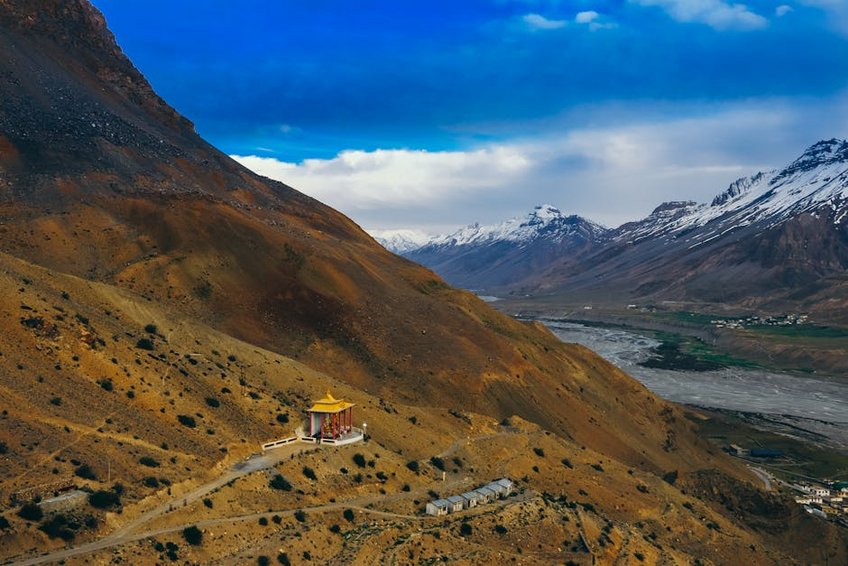
India Spiti Valley Monasteries: A Spiritual Himalayan Journey
Exploring India Spiti Valley monasteries immerses you in ancient Buddhist traditions set against stark, high-altitude landscapes where prayer flags flutter in thin mountain air. These sacred sites, some dating back over a thousand years, offer profound cultural insights alongside breathtaking Himalayan scenery accessible via one of the world’s most dramatic road trips. This guide covers essential travel planning, must-visit monastic complexes, local customs, and practical tips for navigating Spiti’s remote terrain.
Essential Spiti Valley Information
Spiti Valley lies in Himachal Pradesh’s northern region, often called “Little Tibet” due to its strong Buddhist culture and high-altitude desert environment. The valley sits between 3,000-4,500 meters elevation, creating extreme temperature variations from -30°C (-22°F) in winter to 25°C (77°F) in summer. Access requires crossing high mountain passes like Kunzum La and Rohtang La, which remain snowbound from November to May.
Spiti’s monastic tradition spans millennia, with Tabo Monastery established in 996 CE making it one of Buddhism’s oldest continuously operating centers. These monasteries function as spiritual hubs, educational institutions, and community centers preserving ancient manuscripts, thangka paintings, and meditation practices. Visitors experience living Buddhist culture through morning prayers, ritual ceremonies, and interactions with resident monks.
What You Need to Know Before Visiting
Prepare for Spiti’s unique challenges with these essential considerations.
- Acclimatize properly to high altitude by spending 2-3 days in Shimla or Manali before ascending, as oxygen levels drop significantly above 3,500 meters elevation.
- Secure required Inner Line Permits for non-Indian nationals at Reckong Peo or through registered tour operators, as certain border areas near Tibet require special authorization.
- Pack for extreme weather variations with layered clothing, sturdy hiking boots, solar chargers, and essential medications since medical facilities remain limited throughout the valley.
- Budget travelers spend $35-50 daily using shared transportation, monastery guesthouses at $10-15 nightly, and local eateries serving thukpa and momos for $3-5 per meal while focusing on free monastery visits and independent exploration.
- Mid-range visitors allocate $65-100 daily for private taxi segments at $50-80, comfortable hotels at $25-40, restaurant meals for $8-12, and guided monastery tours at $10-15 each with better equipment rental options.
- Luxury experiences cost $150-250 daily featuring private 4WD vehicles with drivers at $100-150, boutique stays at $60-100, multi-course meals, and specialized photography or meditation tours with expert guides.
- Himachal Pradesh Tourism Development Corporation
- Lonely Planet Spiti Valley Guide
Key Geographical and Climate Details
Spiti’s landscape features dramatic contrasts between snow-capped peaks, deep river gorges, and surprisingly fertile agricultural patches where locals grow barley and peas. The Spiti River carves through the valley, creating microclimates that support unique wildlife including snow leopards, Himalayan ibex, and migratory birds. Road conditions vary from paved sections to treacherous dirt tracks requiring 4WD vehicles and experienced drivers.
Monsoon clouds rarely cross the Himalayan barrier, creating a rain-shadow effect that gives Spiti under 170mm annual precipitation. This arid climate preserves ancient monastic structures but creates water scarcity issues for local communities. Winter brings heavy snowfall that isolates many villages for months, making summer the primary tourism season.
Historical and Cultural Context
Spiti’s Buddhist heritage connects to the broader Tibetan Buddhist tradition, with monasteries following the Gelugpa and Sakyapa schools. These institutions survived multiple invasions and political changes through their remote location and community support systems. The valley remained an important trade corridor between India and Tibet until the 1962 Sino-Indian War closed the border.
Local Spitian culture blends Tibetan influences with distinct mountain traditions, including unique architectural styles using stone, mud, and wood. Monasteries serve as cultural repositories housing priceless collections of Buddhist scriptures, intricate murals, and ceremonial objects. Festivals like Pauri and Ladarcha Fair showcase traditional music, dance, and sporting events that draw communities together.
India Spiti Valley Monasteries – Planning Your Trip
Organizing your India Spiti Valley monasteries itinerary requires careful timing between June and September when roads become passable and temperatures range from 10-20°C (50-68°F). July and August offer the warmest conditions but bring occasional landslide risks, while September provides clearer skies and fewer tourists. Allow 7-10 days minimum to properly experience multiple monastic sites while acclimatizing to the altitude.
Budget planning should account for higher transportation costs due to Spiti’s remoteness, with shared jeeps costing $15-25 per person for inter-village travel. Monastery visits typically involve small donation-based entry fees of $2-5, while guided tours with resident monks provide deeper cultural understanding for $10-15 per session. Accommodation ranges from basic homestays at $10-20 nightly to comfortable guesthouses at $30-50.
Physical preparation for high-altitude hiking proves essential, as many monasteries perch on steep hillsides requiring 30-60 minute ascents. Carry Diamox for altitude sickness prevention, multiple water bottles for hydration, and high-energy snacks for sustained exploration. Download offline maps and translation apps since internet connectivity remains unreliable beyond main towns like Kaza.
Best Time to Visit Spiti Valley Monasteries
Visit between mid-June and late September when temperatures range from 5-20°C (41-68°F) and mountain passes remain open for road access. July and August see the warmest conditions around 15-20°C (59-68°F) but attract more tourists, while September offers clearer skies with temperatures of 10-15°C (50-59°F) and vibrant autumn foliage. Monastery festivals typically occur during these months, providing unique cultural immersion opportunities.
Shoulder seasons in May and October bring colder weather from -5 to 10°C (23-50°F) with possible road closures due to unexpected snowfall. Winter from November to April sees temperatures plummet to -10 to -30°C (14 to -22°F), making most monasteries inaccessible except via challenging treks. Some monastic sites remain open year-round with limited services for dedicated pilgrims and adventure travelers.
Budget Planning and Costs
Manage expenses across these three budget categories for your monastic journey.
Essential Preparation Checklist
Pack layered clothing including thermal wear, fleece jackets, and waterproof outer shells since temperatures fluctuate dramatically between day and night. Sturdy hiking boots with ankle support prove essential for monastery approaches, while sunglasses, sunscreen, and lip balm protect against intense high-altitude UV radiation. Bring power banks and solar chargers as electricity remains unreliable in remote monastic villages.
Secure necessary documentation including passports, multiple passport photos, and Inner Line Permits arranged through registered tour operators in Shimla or Manali. Book accommodations 2-3 months in advance for July-August visits, and confirm transportation arrangements given limited vehicle availability. Consult your doctor about altitude sickness medication and carry a comprehensive first-aid kit with pain relievers, anti-diarrhea tablets, and blister treatments.
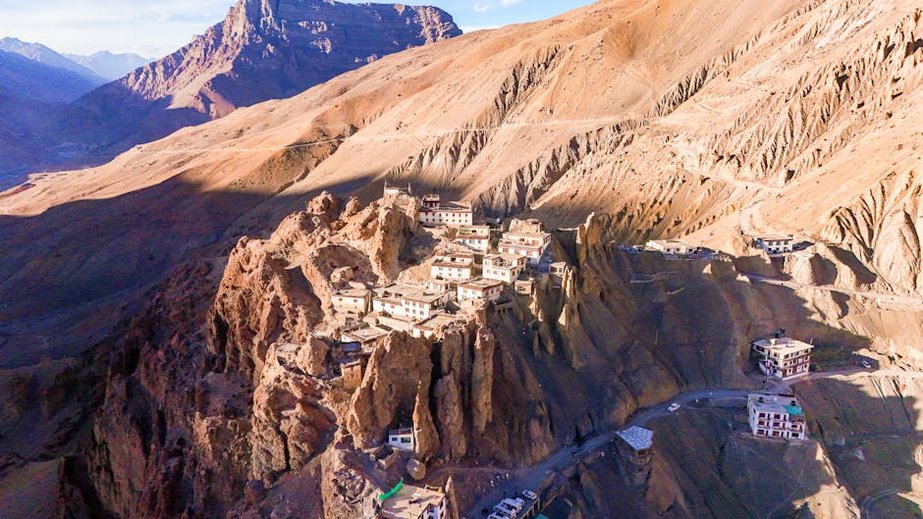
Alt: “spiti-valley-key-monastery-dramatic-mountain-backdrop”
Top Monastery Attractions and Activities
Spiti’s monastic circuit features spectacular institutions blending architectural grandeur with spiritual significance across various elevations and village settings. Key Monastery (Kye Gompa) serves as the valley’s spiritual center with its fortress-like structure housing 250+ monks and extensive religious artifacts. Tabo Monastery’s ancient meditation caves and exquisite murals warrant multiple hours of contemplation, while Dhankar Monastery’s precarious cliffside location offers panoramic valley views.
Beyond major sites, smaller gompas like Kibber, Langza, and Hikkim provide intimate cultural encounters with resident monastic communities. Many monasteries host morning prayer ceremonies between 6-8 AM where visitors can observe chanting rituals and butter lamp offerings. Several institutions offer basic accommodation for overnight stays, allowing deeper immersion into monastic daily rhythms and sunset meditation sessions.
Must-See Highlights
Key Monastery (Kye Gompa) dominates the landscape near Kibber village with its multi-story structure containing prayer halls, living quarters, and a museum showcasing thangkas and musical instruments. Visit between 9 AM-5 PM with a suggested donation of $3, joining the 3 PM prayer ceremony for the most atmospheric experience. The monastery’s elevated position provides stunning photography opportunities during golden hour light.
Tabo Monastery’s UNESCO-listed complex features nine temples with original 10th-century wall paintings considered among India’s most significant Buddhist art. Exploration requires 2-3 hours to appreciate the detailed murals in the Assembly Hall and the newer temple’s contemporary artworks. Dhankar Monastery’s precarious perch above the Spiti and Pin River confluence creates dramatic vistas best photographed in morning light before tourist groups arrive.
Hidden Gems and Local Favorites
Komic Monastery claims the title of world’s highest motorable village monastery at 4,587 meters, accessible via a breathtaking road from Langza featuring panoramic Himalayan views. The small gompa hosts just 10 monks but offers incredibly peaceful atmosphere and stunning sunset vistas over the surrounding peaks. Visit during weekdays to avoid crowds and consider the challenging trek from Kaza for more adventurous access.
Gue Village’s naturally mummified monk provides a unique spiritual attraction, with the preserved body of Sangha Tenzin displayed in a small temple maintained by local families. The remote location requires dedicated travel from Tabo but rewards visitors with authentic village interactions and stunning landscape photography opportunities. Lhalung Monastery’s “Land of the Gods” setting features ancient wall paintings rarely seen by tourists, accessible via a scenic hike from Dhankar.
Monastery Trekking Experiences
The Pin Valley to Kibber trek spans 4-5 days through remote landscapes visiting multiple monastic sites including Kungri Monastery’s unique Nyingma tradition architecture. This moderate trek reaches altitudes of 4,600 meters while passing traditional Spitian villages where homestay accommodations provide cultural immersion. Alternatively, the Dhankar to Lalung day hike offers spectacular views and visits to two lesser-known monasteries with experienced local guides available in Kaza.
Winter monastery treks from January to March provide completely different experiences with snow-covered landscapes and minimal tourist presence. These challenging routes require specialized equipment and experienced guides but offer unparalleled solitude and photography conditions. Several tour operators in Manali organize guided winter expeditions combining monastery visits with snow leopard spotting opportunities in protected areas.
Practical Travel Information
Reaching Spiti involves dramatic road journeys from either Manali (200km, 10-12 hours) or Shimla (410km, 2 days) with shared jeeps and private taxis as primary options. The Manali route crosses 3,980-meter Rohtang Pass and 4,550-meter Kunzum La, while the Shimla approach follows the more gradual but longer Spiti Valley road. Multiple bus services operate during summer months, though journey times frequently extend due to road conditions and weather disruptions.
Accommodation ranges from basic homestays in monastic villages to comfortable hotels in Kaza, with advance booking essential during peak season. Local cuisine features Tibetan influences with thukpa noodle soup, momo dumplings, and butter tea commonly available, though dietary variety remains limited in remote areas. English comprehension varies significantly, making basic Hindi phrases and translation apps valuable for deeper cultural interactions.
| Category | Options/Features | Price Range (USD) |
|---|---|---|
| Accommodation | Monastery guesthouses with basic amenities, shared bathrooms | $10-20 nightly |
| Transportation | Shared jeeps between villages, private taxis for flexibility | $15-50 per segment |
| Food & Dining | Local eateries serving Tibetan dishes, limited Western options | $3-8 per meal |
| Activities | Monastery entry donations, guided tours, trekking permits | $2-20 per activity |