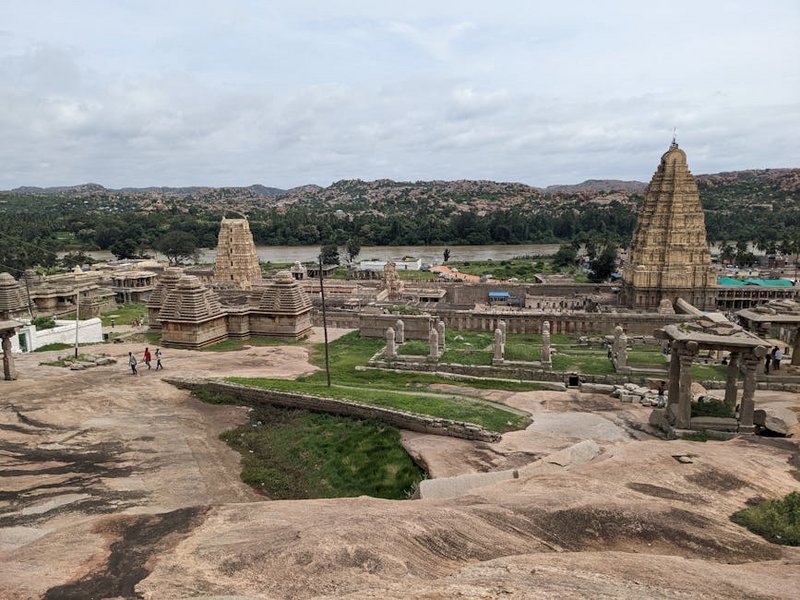
India Hampi Boulder Landscapes: Ancient Ruins Amidst Granite Giants
India Hampi Boulder Landscapes offer a surreal travel experience where colossal granite formations frame ancient temple complexes across a sprawling UNESCO World Heritage site. You will discover over 1,600 monuments dating from the Vijayanagara Empire scattered among dramatic rock piles that create natural amphitheaters and hidden corridors. This guide covers essential planning details, seasonal considerations, and insider tips for navigating the terrain while capturing unforgettable photographs.
Essential Hampi Information
Hampi sits in Karnataka’s Bellary district, spanning 4,100 hectares along the Tungabhadra River with elevations ranging from 1,300 to 2,600 feet above sea level. The region experiences a semi-arid climate with three distinct seasons that dramatically affect visitor comfort and accessibility. Summer temperatures frequently exceed 100°F (38°C) while winter brings pleasant conditions around 75°F (24°C) ideal for exploration.
The archaeological zone preserves structures from the 14th to 16th centuries when Vijayanagara served as capital of one of history’s largest Hindu empires. Local guides share stories about the 1565 Battle of Talikota that led to the city’s abandonment, leaving the landscape dotted with ruins reclaimed by nature. Modern Hampi village provides basic amenities while Hospete serves as the primary transportation hub 8 miles away.
What You Need to Know
Before visiting these spectacular rock formations, understand these key aspects.
- Hampi’s boulder fields consist of granite formations aged over 2.5 billion years, creating unique climbing opportunities and photographic compositions unlike anywhere else in India.
- The UNESCO World Heritage designation requires visitors to follow preservation guidelines including no climbing on certain monuments and restricted access to fragile areas during monsoon season.
- Local transportation primarily involves auto-rickshaws, bicycles, and motorbikes since private vehicles face restrictions within the core heritage zone, particularly around the Virupaksha Temple complex.
- Budget travelers spend $15-25 daily using dormitory住宿, street food meals, bicycle rental, and visiting free sites like the Hampi Bazaar area and riverside ghats near Virupaksha Temple.
- Mid-range visitors allocate $35-50 for private guesthouse rooms, restaurant meals, auto-rickshaw transport between distant sites, and entry fees to major monuments including the Vittala Temple complex with its musical pillars.
- Luxury experiences cost $80-120 featuring heritage property stays, guided tours with certified historians, private car transfers from Hospete, and special access photography sessions during golden hours.
- Karnataka Tourism Development Corporation
- UNESCO World Heritage Centre – Hampi
Key Geological Details
Hampi’s distinctive topography results from geological processes spanning millions of years. The granite boulders formed through volcanic activity and gradual erosion, creating the rounded shapes and stacked formations visible today. These rocks contain feldspar and quartz minerals that sparkle in sunlight, particularly during golden hour photography sessions.
Seasonal weather patterns continue shaping the landscape through wind erosion and occasional heavy rains during monsoon months. The boulder fields create natural drainage systems that channel water toward the Tungabhadra River, supporting local agriculture in surrounding valleys. This unique ecosystem hosts various bird species and small mammals adapted to the rocky environment.
Historical Significance
Vijayanagara Empire rulers strategically built their capital within this dramatic landscape for defensive advantages and spiritual significance. The boulders provided natural fortifications while the river ensured water security for a population that historians estimate reached 500,000 at its peak. Temples align with astronomical events, demonstrating advanced knowledge of celestial movements.
Modern archaeology began systematic documentation in the 19th century under British colonial administration, though many structures remained buried until recent decades. Ongoing preservation efforts balance tourism development with conservation needs, particularly regarding structural stability of monuments integrated with the natural rock formations. The Archaeological Survey of India manages most major sites with entry fees funding maintenance.
India Hampi Boulder Landscapes – Planning Your Trip
Successfully experiencing India Hampi Boulder Landscapes requires careful timing and logistical preparation due to the remote location and challenging climate. The ideal visiting window falls between November and February when daytime temperatures average 82°F (28°C) with low humidity and minimal rainfall. You should book accommodations at least two months in advance for December visits when European tourists flock to escape winter.
Budget approximately $35-50 daily for mid-range travel covering comfortable guesthouses, local meals, temple entry fees, and transportation between sites. The rocky terrain demands sturdy footwear with grip soles and breathable clothing that provides sun protection during extended outdoor exploration. Carry sufficient water since vendors become scarce in more remote boulder areas away from main temple complexes.
Physical preparation proves valuable for navigating uneven paths and climbing moderate inclines to reach panoramic viewpoints. Consider hiring local guides at major sites who provide historical context and help locate less-crowded photography spots among the rock formations. They typically charge $15-25 for half-day tours covering key monuments and geological features.
Best Time to Visit Hampi
Peak season runs from November through February when temperatures range from 60-85°F (16-29°C) with virtually no rainfall and clear skies perfect for photography. These months bring higher accommodation prices and crowds at major sites like Vittala Temple, particularly around Christmas and New Year when occupancy reaches 90%. You should book hotels 60-90 days ahead for visits during this period.
Shoulder months of October and March offer good conditions with temperatures between 70-95°F (21-35°C) and smaller crowds, though afternoon heat can limit exploration. Monsoon season from June to September transforms the landscape with lush greenery but makes boulder climbing dangerous and many paths slippery. Summer months from April to June see temperatures exceeding 104°F (40°C), restricting outdoor activity to early mornings and late afternoons.
Budget Planning and Costs
Your daily expenses vary significantly based on accommodation style and dining preferences.
Essential Preparation Checklist
Pack lightweight, breathable clothing in neutral colors that cover shoulders and knees for temple entry, plus a wide-brimmed hat and high-SPF sunscreen for sun protection. Sturdy hiking shoes with ankle support prove essential for navigating uneven boulder fields and ancient staircases, while a headlamp helps with pre-dawn starts for sunrise photography.
Obtain sufficient Indian rupees from ATMs in Hospete since card acceptance remains limited in Hampi village, and carry your passport for monument entry where foreigner rates apply. Book the Hampi Express train from Bangalore or Hyderabad 60 days ahead for best prices, and consider travel insurance covering adventure activities if planning boulder climbing. Download offline maps showing temple locations and main paths through the archaeological zone.
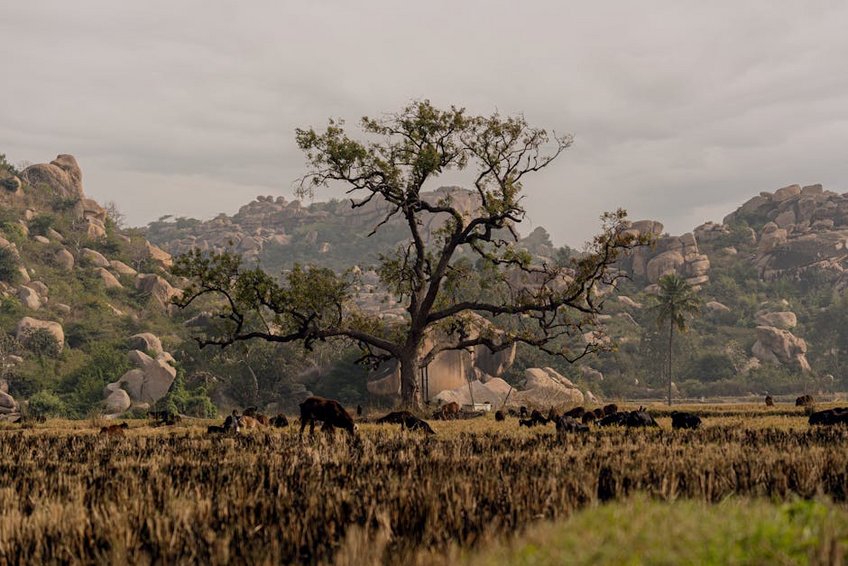
Alt: “hampi-boulder-landscapes-virupaksha-temple-sunrise-granite-formations”
Top Attractions and Activities
Hampi’s archaeological park contains dozens of significant sites spread across different clusters accessible via various transportation modes. The main heritage zone near Hampi village features the living Virupaksha Temple still hosting daily ceremonies, while the royal enclosure lies southeast across the river. You can cover primary attractions in two full days but need four to five days for comprehensive exploration including boulder climbing and village visits.
Photography opportunities abound throughout the day with soft morning light illuminating east-facing structures and late afternoon creating dramatic shadows across the rock formations. Local guides know specific viewpoints like Matanga Hill that provide panoramic vistas of the entire landscape, particularly during sunrise when fog often blankets the valleys. The Tungabhadra River offers coracle boat rides that reveal unique perspectives of riverside monuments and natural cave systems.
Must-See Highlights
Vittala Temple Complex showcases extraordinary stone architecture including the iconic stone chariot and musical pillars that produce notes when tapped gently. Entry costs 600 INR ($8) for foreigners with an additional 25 INR ($0.30) for camera use, and visiting early morning avoids both crowds and harsh sunlight. The temple’s hypostyle hall features elaborate carvings depicting mythological scenes and celestial beings integrated with the natural granite foundations.
Virupaksha Temple operates as an active worship site with a towering gopuram (gateway) visible throughout Hampi village, charging 50 INR ($0.60) entry for non-worshippers. Evening ceremonies accompanied by traditional music create atmospheric experiences, while the temple’s inner sanctum houses a working camera obscura that projects inverted images of the main gopuram. Monkeys inhabiting the complex require cautious interaction and secure storage for personal items.
Hazarama Rama Temple features bas-relief narratives from the Ramayana epic carved along its inner walls, providing exceptional examples of Vijayanagara sculptural artistry. Located within the royal enclosure, this smaller temple receives fewer visitors, allowing quiet contemplation of the detailed storytelling in stone. The surrounding area includes the stepped tank and elephant stables that demonstrate the empire’s sophisticated urban planning and infrastructure.
Hidden Gems and Local Favorites
Sanapur Lake offers peaceful swimming opportunities in natural surroundings with coracle boats available for rent at 200 INR ($2.50) per person for 30-minute rides. The adjacent boulder fields contain fewer visitors than main sites, creating ideal conditions for landscape photography and quiet picnics away from temple crowds. Local farmers sometimes permit access to nearby mango groves during harvest season between March and May.
Virupapur Gadde village across the river maintains a bohemian atmosphere with guesthouses built among boulders and relaxed cafes serving fresh fruit lassis. Reached via boat crossing from Kodandarama Temple, this area provides stunning sunset views over the Tungabhadra River with silhouetted palm trees against orange skies. Evening cultural programs occasionally feature traditional puppetry and folk music at various cafes along the main path.
Hampi Photography Spots
Matanga Hill requires a 30-minute pre-dawn hike but rewards with unparalleled 360-degree views of the entire boulder landscape during sunrise. The east-facing perspective captures first light illuminating Virupaksha Temple while mist often fills the valleys between granite formations, creating ethereal compositions. Professional photographers arrive by 5:30 AM to secure prime positions along the hill’s limited summit space.
The boulder field near Achyutaraya Temple offers dramatic afternoon light with long shadows emphasizing the geological formations’ textures and scales. This area remains accessible throughout the day without entry fees and provides numerous composition opportunities incorporating ancient structures with natural elements. Late afternoon brings softer illumination ideal for portrait photography using the giant rocks as backdrops.
Practical Travel Information
Hampi’s remote location in northern Karnataka requires careful transportation planning since the nearest major airport sits 210 miles away in Bangalore. Most international travelers fly into Kempegowda International Airport (BLR) then take overnight trains or buses to Hospete Junction, the nearest railway station 8 miles from Hampi. Alternatively, domestic flights connect to Vidyanagar Airport (VDY) 22 miles away with limited schedule options.
Accommodation ranges from basic guesthouses in Hampi Bazaar starting at $10 nightly to heritage properties in nearby Kamalapura costing $60-100 with swimming pools and restaurant service. The tourism infrastructure remains relatively basic compared to other Indian destinations, with limited ATM availability, intermittent electricity, and basic medical facilities. You should carry essential medications and cash for unexpected situations.
| Category | Options/Features | Price Range (USD) |
|---|---|---|
| Budget Accommodation | Basic guesthouses with shared bathrooms, rooftop restaurants, bicycle rental | $10-20 |
| Mid-Range Stays | Private rooms with AC, hot water, on-site dining, tour booking services | $25-45 |
| Luxury Properties | Heritage hotels with pools, spa services, guided tours, river views | $60-120 |
| Transportation | Auto-rickshaws, motorbikes, bicycles, coracle boats, private cars | $3-25 daily |