Iceland Frozen Waterfalls Ice Climbing
Ice climbing Iceland’s frozen waterfalls combines raw adventure with breathtaking Arctic landscapes, offering a unique physical and sensory experience. You’ll scale vertical blue ice with crampons and axes, surrounded by the dramatic winter scenery of deep canyons and geothermal valleys. This guide details everything from selecting your first climb to mastering advanced techniques on the country’s most spectacular ice formations.
The Ultimate Icelandic Winter Adventure
Iceland transforms into a climber’s paradise each winter, with countless waterfalls solidifying into climbable ice sculptures. This seasonal phenomenon occurs as sub-zero temperatures freeze cascading water mid-flow, creating intricate and ever-changing structures. The activity has grown from a niche expedition sport to an accessible adventure for those with proper guidance and gear.
Unlike standard rock climbing, ascending frozen waterfalls involves specialized equipment and techniques for dealing with a medium that can vary from brittle to plastic in consistency. The island’s unique geology, marked by volcanic basalt and geothermal activity, provides a stunning and diverse backdrop. Locations range from easily accessible roadside falls to remote glacial outlets requiring a significant trek.
What Makes Icelandic Ice Special
The quality and formation of ice in Iceland are influenced by several distinct environmental factors.
- Maritime Climate: Proximity to the ocean creates frequent freeze-thaw cycles, which can build thick, dense ice layers ideal for secure screw placements but require checking stability daily.
- Geothermal Influence: In areas like Húsafell or near Landmannalaugar, geothermal heat can create unique “warm ice” conditions or affect anchor safety, necessitating local guide knowledge.
- Volcanic Sediment: Some waterfalls, particularly in the south, have ice tinted black or grey by volcanic ash, which can alter its structural properties and climbing feel.
- Introductory Day Tour: $250-$350 per person. Includes guide, technical gear (harness, helmet, axes, crampons), and a half-day on a beginner-friendly WI2/WI3 waterfall. Transport from a local meeting point and safety briefing are standard. You provide clothing and boots.
- Multi-Day Skill Course: $800-$1,200 per person. A 2-3 day program covering lead climbing, anchor building, and multi-pitch techniques on varied ice types. Includes gear and instruction but not lodging or meals. Ideal for those wanting to climb independently in the future.
- Private Guiding & Expeditions: $500-$800 per day. A dedicated guide for your private group, allowing for fully customized itineraries to remote cascades or multi-pitch objectives. Includes all logistics, gear, and 4×4 transport from Reykjavík. The best option for experienced climbers with specific goals.
- Icelandic Association for Search and Rescue (SAFE Travel)
- Icelandic Mountain Guides (Tour Operator)
Essential Skills and Fitness Level
You do not need to be an expert rock climber to start, but a baseline of fitness and comfort with exposure is crucial. Most introductory tours require only the ability to hike on uneven, snowy terrain for 20-30 minutes while carrying a pack. Guides will teach you the fundamental techniques of wielding ice tools and front-pointing with crampons on the wall itself.
However, a good level of upper body and core strength will significantly enhance your endurance and enjoyment. Climbs are graded using the WI (Water Ice) system, ranging from WI2 (moderate) to WI6 (extremely severe). For a first-time experience, a WI2 or WI3 route provides a challenging yet achievable goal under instructor supervision.
Understanding the Risks and Safety
Ice climbing is an inherently risky activity where conditions and the medium itself are constantly changing. The primary hazards include falling ice from above, anchor failure, hypothermia from prolonged exposure, and crevasse danger near glacier outlets. A reputable guide service mitigates these risks through meticulous route selection, weather assessment, and equipment checks.
You must disclose any medical conditions to your guide and be honest about your fitness level. Rescue services in Iceland are excellent but can be hours away in remote locations, making prevention and cautious decision-making the most critical safety tools. Always follow your guide’s instructions without exception.
Alt: “iceland-frozen-waterfall-climber-using-ice-axes-winter”
Iceland Frozen Waterfalls Ice Climbing – Planning Your Trip
Successfully planning your ice climbing expedition hinges on timing, location choice, and selecting the right operator. The core season runs from December through March, with peak ice conditions typically in January and February when temperatures are consistently below freezing. You’ll need to book guided tours and accommodations several months in advance, especially for the popular south coast regions.
Your budget must account for the guide service, specialized clothing, and potential travel between climbing locations. While Reykjavík serves as the main hub, staying near your climbing area, like in Vík or Húsafell, minimizes long, potentially hazardous winter drives. A flexible itinerary is key, as weather windows for safe climbing can be short.
Best Time to Visit for Ice Climbing
The prime window for reliable ice is from late December to early March. January and February offer the most stable cold spells, with average temperatures between 23°F (-5°C) and 32°F (0°C), creating the hardest, most secure ice for screws and anchors. Daylight is limited to 4-6 hours, so tours start early to maximize the light.
Shoulder seasons in early December or late March can be rewarding but come with greater variability. Warmer periods may lead to softer, more plastic ice or even running water behind the ice curtain. These conditions require advanced techniques and are less ideal for beginners. Always check long-term forecasts and consult with local guides about current formation status.
Budget Planning and Costs
Costs vary significantly based on group size, climb difficulty, and guide ratio.
Essential Preparation Checklist
You must bring a specialized clothing system to manage moisture and retain heat in sub-zero, often wet conditions. A waterproof and breathable hardshell jacket and pants are non-negotiable. Underneath, wear synthetic or wool base layers and a thick insulated mid-layer, avoiding cotton at all costs. Insulated, waterproof mountaineering boots compatible with semi-automatic crampons are required.
Beyond clothing, pack warm gloves (plus a spare pair), a warm hat, sunglasses or glacier glasses, and a headlamp. Your guide provides technical gear, but bringing your own well-fitted climbing helmet is recommended. Ensure your travel insurance explicitly covers mountaineering or ice climbing. Physically, focus on building grip, forearm, and core strength in the months before your trip.
Top Icelandic Waterfalls for Climbing
Iceland boasts dozens of climbable falls, each with unique character and challenges. The south coast, with its high concentration of powerful cascades, is the most popular region. Here, you’ll find classics like Seljalandsfoss and Skógafoss, which offer multiple lines of varying difficulty right by the Ring Road. The ice here forms thick and blue, often with dramatic curtains and pillars.
For more adventurous climbers, the Icelandic Highlands and the Westfjords hold remote treasures. These areas require 4×4 access, winter camping, or longer approaches but reward with solitude and pristine conditions. Waterfalls like Glymur in Hvalfjörður or Dynjandi in the Westfjords present committing multi-pitch adventures in breathtaking, isolated settings.
Must-See Climbing Highlights
Sólheimajökull Glacier Outlet: Not a traditional waterfall but a glacial ice face, offering a unique introduction with easier top-rope access. The surreal blue ice and towering seracs provide a spectacular, otherworldly setting. Climbs here range from WI2 to WI4, suitable for most skill levels.
Brúarfoss (The “Blue” Waterfall): Near the Golden Circle, this smaller waterfall freezes into stunning, translucent blue columns. It’s an excellent spot for practicing technique on shorter, steeper ice. The approach is a gentle winter hike, making it a good half-day option from Reykjavík.
Hjalparfoss: Located in the southern Highlands, this is a twin waterfall that creates a wide ice arena. It offers several long, moderate routes (WI3-WI4) and is less frequented than south coast giants. The surrounding lava fields and snowy plains create a feeling of true wilderness.
Hidden Gems and Local Favorites
Locals often seek out waterfalls farther from the tourist trail. Gljúfrabúi, hidden next to the famous Seljalandsfoss, freezes into a magnificent ice cave you can climb inside of, a truly magical experience. Another is Írárfoss in Þórsmörk valley, accessible only by special super-jeep in winter, offering steep, challenging ice in a dramatic, snow-covered valley.
In the north, near Akureyri, Goðafoss (the waterfall of the gods) has sections that freeze, allowing for climbs with a powerful historical backdrop. These lesser-known spots often have better ice quality due to fewer climbers and provide a more authentic, peaceful adventure away from crowds.
Multi-Pitch Adventure Climbs
For experienced climbers, Iceland offers serious multi-pitch objectives. Glymur, Iceland’s second-highest waterfall, forms a massive, multi-tiered ice climb in deep winter. This is a full-day commitment requiring strong skills in lead climbing, route finding, and cold-weather endurance. The reward is an unparalleled view from the top of the canyon.
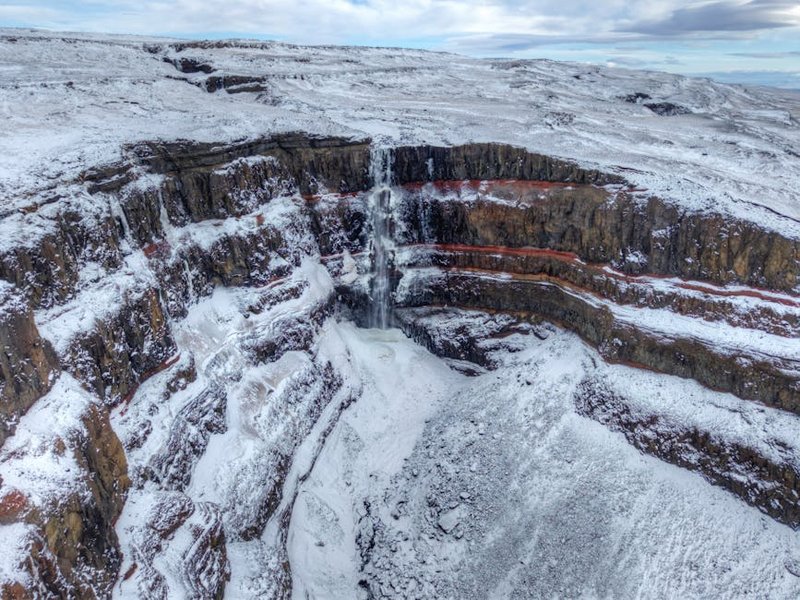
Similarly, in the east, Hengifoss occasionally freezes into a tall, demanding climb. These advanced routes demand not only technical proficiency but also careful planning for retreat in case of weather changes. They represent the pinnacle of a frozen waterfall adventure in the Arctic.
Practical Travel Information
Navigating Iceland in winter requires careful planning, especially when traveling to remote climbing areas. The main international airport is Keflavík (KEF), a 45-minute drive from Reykjavík. While many tour operators offer pick-up from the capital, renting a 4×4 vehicle (like a Toyota Land Cruiser or Dacia Duster) is highly recommended for independence and safety on snowy, icy roads.
Accommodation near prime climbing areas books up quickly. Beyond hotels, consider guesthouses or cabins, which often have useful amenities like drying rooms for wet gear. Cellular service is good near the Ring Road but can be non-existent in canyons and highlands, so offline maps and informing someone of your itinerary are essential.
| Category | Options/Features | Price Range (USD) |
|---|---|---|
| Guided Day Tour | Includes all technical gear, guide, local transport. Small groups (max 4). Ideal for beginners. | $250 – $400 |
| Equipment Rental (Per Day) | Ice axes, crampons, helmet, harness. Available in Reykjavík or from some guides. Boots often separate. | $40 – $70 |
| Winter 4×4 Rental | SUV with studded winter tires, essential for safe travel. Book months in advance. | $80 – $150/day |
| Mid-Range Accommodation | Guesthouse or hotel room near climbing area (e.g., Vík, Hvolsvöllur). Includes breakfast. | $120 – $200/night |