How Many Days to Visit Prague: A Complete Itinerary Planner
Figuring out how many days to visit Prague is the crucial first step in planning your Czech adventure. This historic capital packs world-class architecture, rich culture, and vibrant neighborhoods into a walkable center, but seeing it all requires smart timing. The ideal duration balances must-see landmarks like Prague Castle and Charles Bridge with time for Czech beer halls, local markets, and unexpected discoveries. This guide breaks down itinerary options from 48-hour sprints to week-long explorations, providing a day-by-day framework so you can plan your perfect trip length.
Essential Prague Visit Information
Prague, the capital of the Czech Republic, is one of Europe’s most visually stunning and historically preserved cities. Located in the heart of Central Europe, it escaped major damage during 20th-century conflicts, leaving its Gothic, Baroque, and Renaissance architecture beautifully intact. The city is famously divided into distinct districts, each with its own character, centered around the Vltava River.
The historic core is a UNESCO World Heritage site, comprising the Old Town (Staré Město), the Lesser Town (Malá Strana), and Prague Castle (Pražský hrad). Understanding this layout helps immensely with planning your daily routes. The city’s compact nature is a huge advantage for visitors, as many top sites are within comfortable walking distance of each other.
Public transportation is excellent, affordable, and easy to navigate with a contactless card system. The city’s popularity means it can get crowded, especially in the historic squares during peak season. Planning your visit duration wisely directly impacts your ability to see famous sites comfortably versus fighting through tourist throngs.
What Influences Your Ideal Trip Length
Several key factors will determine how many days you need in the Golden City.
- Travel Style and Pace: Fast-paced travelers covering just highlights can manage a shorter visit, while those who prefer leisurely exploration, long meals, and museum deep-dives will need extra days. Consider how you typically experience cities.
- Primary Interests: Architecture and history buffs need time for castle complexes and churches. Food and beer enthusiasts should allocate evenings for pub crawls and restaurant reservations. Art lovers will want hours for the National Gallery or DOX Centre.
- Season and Weather: Summer (June-August) offers long days but maximal crowds, requiring more time for queues. Shoulder seasons (April-May, September-October) provide pleasant weather and slightly fewer people. Winter (December-February) has Christmas markets and shorter sightseeing hours.
- Budget Traveler ($50-75 USD/day): Stay in hostels or budget guesthouses outside the center. Eat street food (trdelník, klobása), drink beer at pubs, use public transport passes, and focus on free sights like Charles Bridge and castle exteriors. Many churches have small entry fees.
- Mid-Range Traveler ($100-175 USD/day): This allows for a central hotel or Airbnb, daily museum or castle entry, sit-down meals at traditional Czech restaurants (like Lokál), a river cruise, and taxi rides occasionally. You can comfortably enjoy paid experiences without constant budget anxiety.
- Luxury Traveler ($250+ USD/day): Stay at five-star hotels like the Augustine or Aria. Dine at fine restaurants, hire private guides for castle and history tours, attend a performance at the National Theatre, and enjoy spa treatments. This tier offers seamless comfort and exclusive access.
- Official Prague Tourist Portal
- Lonely Planet Prague Travel Guide
Key Districts and Their Allotment
Prague’s districts are the building blocks of any itinerary. The Old Town Square, with its Astronomical Clock and Týn Church, is the bustling medieval heart. You can see the square in an hour, but exploring its surrounding alleys, like the Jewish Quarter (Josefov), takes half a day. This area demands time for its synagogues and the haunting Old Jewish Cemetery.
Across the Charles Bridge lies the Lesser Town, a Baroque quarter of palaces, gardens, and cobbled lanes leading up to Prague Castle. The castle itself is not a single building but a vast complex including St. Vitus Cathedral and Golden Lane. A proper visit here requires a minimum of three to four hours. Allocating time based on district is the most effective planning method.
Beyond the Historic Center
While the historic center is magnetic, spending all your time there means missing Prague’s dynamic modern spirit. The Vinohrady and Žižkov districts offer Art Nouveau buildings, trendy cafes, and local park life. Vyšehrad, a historic fort with a serene cemetery and epic city views, provides a peaceful alternative to the castle crowds. These areas offer a more authentic slice of Prague life but require travel time and a willingness to venture further.
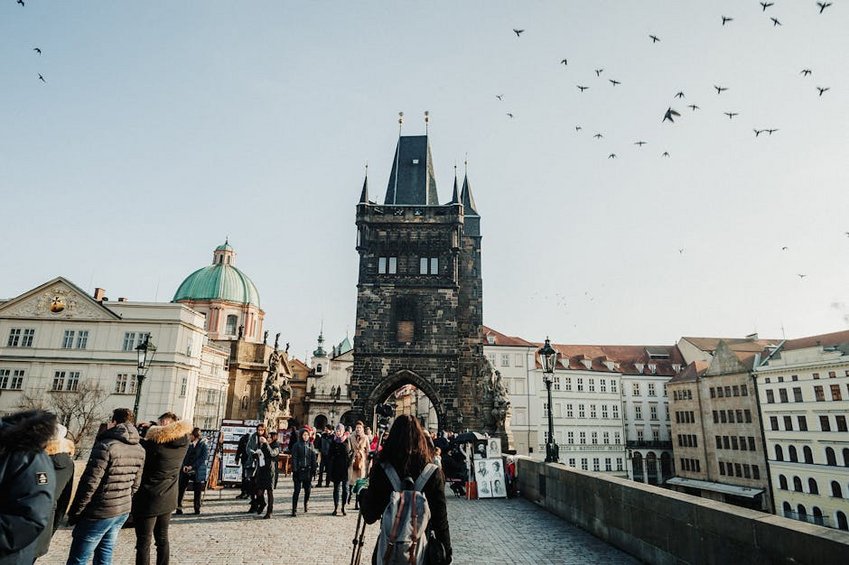
Alt: “prague-charles-bridge-old-town-sunset-view”
How Many Days to Visit Prague – Detailed Itinerary Breakdown
Determining how many days to visit Prague depends entirely on your personal travel goals and available time. A two-day visit delivers the iconic postcard moments, while four days allows for a deeper, more relaxed immersion into Czech culture and history. This planning section provides realistic, hour-by-hour frameworks for the most common trip lengths to help you maximize your experience, whether you’re on a European tour or making Prague your sole destination.
Your schedule should build in buffer time for transit, meals, and simply soaking in the atmosphere. Prague’s beauty is often in the details—a carved doorway, a quiet courtyard garden, a view from a bridge. Rushing from one major site to the next without pause can lead to fatigue and a checklist mentality. These itineraries balance structured sightseeing with essential free time.
Best Time to Visit Prague
The peak tourist season runs from late spring through summer, specifically May to September. Daytime temperatures range from a pleasant 65°F to 75°F (18°C to 24°C), but crowds are at their thickest, and accommodation prices peak. This period requires booking everything months in advance and patience for queues at major attractions like the castle and clock tower.
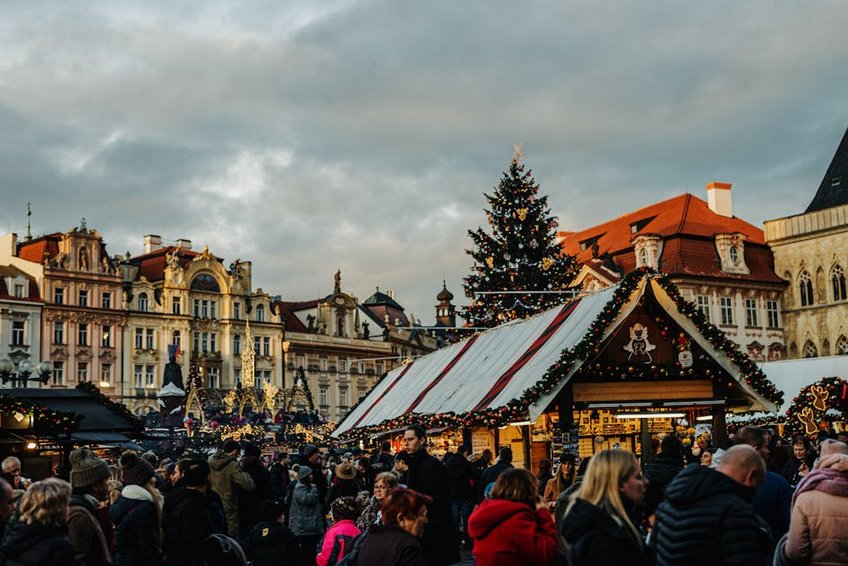
For the best balance, target the shoulder seasons of April to early May or late September to October. You’ll encounter milder crowds, cooler temperatures of 50°F to 65°F (10°C to 18°C), and more manageable prices. The Christmas market season in December is magical but very cold, with highs around 36°F (2°C), and offers a unique festive experience.
Budget Planning and Costs
Your daily budget varies dramatically based on accommodation choice, dining preferences, and paid attractions.
Essential Preparation Checklist
Pack comfortable, waterproof walking shoes—Prague’s cobblestones are unforgiving. Bring layers, as weather can shift quickly, and a compact umbrella. A lightweight daypack is useful for carrying water, a guidebook, and a power bank for your phone. Electrical outlets are Type E, requiring a standard European two-pin adapter (220V).
Ensure your passport is valid for at least three months beyond your planned departure from the Schengen Area. U.S., Canadian, and UK citizens do not need a visa for tourist stays under 90 days. Notify your bank of travel plans, and while Czech crowns (CZK) are the local currency, cards are widely accepted. It’s wise to have some cash for smaller shops and markets.
Top Attractions and Itinerary Anchors
Prague’s attractions are the pillars upon which you build your daily schedule. The absolute must-sees include the Prague Castle complex, Charles Bridge at sunrise or sunset, the Old Town Square with its hourly Astronomical Clock show, and the historic Jewish Quarter. Each of these can consume a half-day when you factor in travel time, entry queues, and actual exploration.
Secondary but highly recommended sites include the Lennon Wall, the Dancing House, the National Museum, and the Petřín Hill observation tower. These add variety and perspective. Your chosen number of days dictates how many of these pillars and secondary sites you can comfortably incorporate without feeling rushed. Prioritization is key for shorter trips.
Must-See Highlights for Any Length Trip
No visit is complete without experiencing Prague Castle. Arrive at opening time (9 AM) to beat the tour groups. The basic circuit ticket (CZK 250 / ~$11 USD) includes St. Vitus Cathedral, Old Royal Palace, and Golden Lane. Allow 3-4 hours minimum. The castle grounds offer the best panoramic views of the city, especially from the south gardens.
Charles Bridge is most atmospheric early in the morning (before 8 AM) or late in the evening. Walking across takes 10 minutes, but you’ll want longer for photos and viewing the statues. The Old Town Square is the bustling hub; visit the Astronomical Clock on the hour to see the “Walk of the Apostles,” then climb the Old Town Hall Tower (CZK 250) for a breathtaking 360-degree view. These three sites form the core of a one-day highlights tour.
Hidden Gems and Local Favorites
Escape the crowds at Vyšehrad, a historic fort complex with a beautiful basilica, a tranquil cemetery where Dvořák and Mucha are buried, and quiet park walls overlooking the Vltava. It’s a 20-minute metro ride from the center but feels worlds away. Another local favorite is the DOX Centre for Contemporary Art in Holešovice, housed in a converted factory.
For a unique perspective, visit the Metronome at Letná Park. This giant functional metronome overlooks the city from the site of a former Stalin monument. The park is a popular local spot for picnics, skateboarding, and enjoying a pint from the beer garden with arguably the best vista in Prague. These spots provide a more authentic and relaxed pace.
Cultural Performances and Evening Activities
Prague has a rich performing arts scene. You can catch a classical concert in a historic church, see a Black Light Theatre show (a unique Czech form of visual theater), or attend an opera at the stunning National Theatre. Tickets range from $15 to $80 USD. Booking in advance online is recommended, especially for popular performances.
Evenings are also ideal for a traditional Czech dinner in a tavern-style restaurant, followed by sampling the famous beer culture. Take a guided beer tour or explore the many microbreweries and hospody (pubs) in neighborhoods like Žižkov. A river cruise at night, when the city’s monuments are lit up, is another unforgettable way to see Prague from a different angle.
Practical Travel and Logistics
Navigating Prague is straightforward with a little preparation. Václav Havel Airport Prague (PRG) is the main international gateway, located about 30 minutes west of the city center by taxi or airport express bus. The city’s public transport system—comprising metro, trams, and buses—is efficient, clean, and inexpensive. A 24-hour pass costs CZK 120 (~$5 USD) and is valid on all modes.
Accommodation choices range from luxury hotels in historic palaces to budget hostels and private apartment rentals. Location significantly impacts your daily itinerary efficiency. Staying within a 15-minute walk of the Old Town Square or a major metro station saves considerable transit time each day, allowing you to pack more into your visit or enjoy more relaxation.
| Accommodation Area | Best For / Atmosphere | Avg. Price/Night (USD) |
|---|---|---|
| Old Town (Staré Město) | First-time visitors, nightlife, major sights. Central but noisy and expensive. | $120 – $300+ |
| Lesser Town (Malá Strana) | Romantic stays, castle access. Picturesque, quieter, slightly removed from main action. | $100 – $250 |
| Vinohrady / Žižkov | Local vibe, cafes, restaurants. Residential, trendy, requires tram/metro to center. | $80 – $180 |
| New Town (Nové Město) | Budget to mid-range, good transport. More modern, close to Wenceslas Square. | $70 – $160 |