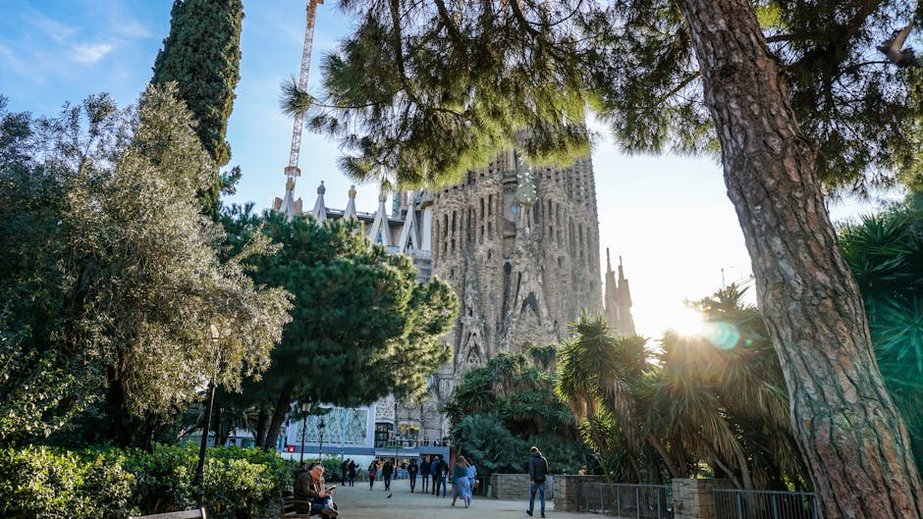
Barcelona Itinerary: How Many Days You Really Need
Determining how many days to spend in Barcelona depends entirely on your travel style, interests, and budget. First-time visitors aiming to see the iconic architecture and experience the vibrant neighborhoods will need a different timeframe than travelers on a quick weekend getaway or those planning a deep cultural immersion. A well-planned Barcelona itinerary balances world-famous landmarks, local food markets, and leisurely strolls through distinct districts. This guide breaks down the ideal trip length for various travel goals, providing specific daily plans and practical tips for maximizing your visit to Catalonia’s captivating capital.
Essential Barcelona Travel Information
Barcelona, the capital of Spain’s Catalonia region, is a Mediterranean coastal city renowned for Antoni Gaudí’s surreal modernist architecture, a rich artistic heritage, and a dynamic culinary scene. The city’s layout is organized into neighborhoods, or “barris,” each offering a unique character, from the narrow medieval streets of the Gothic Quarter to the modernist grid of Eixample. Understanding this geographic and cultural context is crucial for efficient trip planning and experiencing the city’s true essence beyond the major tourist sites.
Catalonia has its own distinct culture and language, with many residents speaking Catalan alongside Spanish. This bilingual environment adds a fascinating layer to the visit. The city enjoys a mild Mediterranean climate, with hot, dry summers and cool, relatively wet winters, making it a year-round destination with seasonal considerations for crowds and activities. Public transportation is excellent, featuring an extensive metro, bus, and tram network that connects all major points of interest efficiently.
Key Factors Influencing Your Trip Duration
Your ideal number of days hinges on several personal factors. Prioritizing these elements will help you build a realistic and enjoyable schedule.
- Primary Interests: Architecture enthusiasts may spend entire days at Sagrada Família and Park Güell, while foodies might allocate half-days for Boqueria Market and tapas tours. Beach lovers will want time for Barceloneta.
- Travel Pace: Do you prefer a packed schedule moving quickly between sites, or a relaxed pace with time for long lunches and spontaneous exploration? Your energy level dictates how much you can comfortably see in one day.
- Budget Constraints: Longer stays increase accommodation and food costs. Barcelona offers excellent budget options, but a more extended visit requires a larger overall trip fund, influencing how many days you can afford.
- Day Trip Aspirations: Popular excursions to Montserrat, Girona, or Sitges each require a full day. If these are a priority, you must add extra days to your base Barcelona itinerary.
- Budget Traveler ($70-100 USD/day): Stay in hostel dorms or budget guesthouses, eat “menú del día” lunch specials (around $12-15), use public transport passes, and focus on free attractions like Gothic Quarter walks and beach time. Pre-book major attractions online to avoid price markups.
- Mid-Range Traveler ($150-250 USD/day): This allows for private rooms in centrally-located hotels or Airbnbs, sit-down meals at good tapas bars and casual restaurants, taxis for late-night returns, and entry fees for all major sights, including skip-the-line tickets for Sagrada Família and Park Güell.
- Luxury Traveler ($350+ USD/day): Enjoy 4 or 5-star hotels in Eixample or along Passeig de Gràcia, fine dining at celebrated restaurants like Disfrutar or Tickets, private guided tours of Gaudí sites, and chauffeured transfers for day trips to wineries or Costa Brava.
- Official Barcelona City Council Website
- Official Spain Tourism Board – Barcelona
Understanding Barcelona’s Layout and Logistics
The city’s attractions are spread across several districts. The Gothic Quarter and El Born house the historic core and many museums. Eixample is home to Gaudí’s masterpieces like La Pedrera and Casa Batlló. Gràcia offers a village-like feel, and Barceloneta provides beach access. Traveling between these areas takes time. The metro is fast, but walking is often the best way to discover hidden plazas and local shops. Factoring in transit time, meal breaks, and potential queues for major attractions is essential for a realistic daily plan. Underestimating distances can lead to an overly rushed and frustrating experience.
Major sites like Sagrada Família have strict timed-entry tickets, which lock you into a specific schedule. Booking these in advance is non-negotiable, especially during peak season from April to October. Your daily itinerary must be structured around these fixed entry times. Furthermore, many museums have reduced hours or are closed on specific weekdays, typically Mondays, requiring careful calendar planning to avoid disappointment.
Seasonal Crowds and Weather Impact
Visit timing dramatically affects your daily efficiency. Summer months see the largest crowds and highest prices, meaning longer queues and a need for more patience, potentially requiring extra time to see the same number of sites. Spring and fall offer milder weather and slightly thinner crowds, allowing for a more productive sightseeing pace. Winter is the quietest period with the fewest tourists, enabling you to cover more ground in less time, though some beach activities and outdoor dining are less appealing.
Alt: “barcelona-sagrada-familia-architecture-sunset-silhouette”
Barcelona Itinerary – Planning Your Trip Length
Crafting the perfect Barcelona trip requires matching your available days with a realistic set of goals. A rushed attempt to see everything in too short a timeframe leads to burnout and superficial experiences. Conversely, with proper planning, even a short visit can be deeply rewarding. The following breakdown provides clear, actionable itineraries for different trip lengths, from a whirlwind weekend to a comprehensive exploration. Your choice should align with whether you seek a highlights reel or a deep dive into Catalan culture.
Allocate time not just for sightseeing but for the essential Barcelona experience of “sobremesa”—the leisurely time spent at the table after a meal, chatting and relaxing. Building in downtime for a coffee in a plaza or an evening stroll along Les Ramblas is as important as checking monuments off a list. A successful visit balances scheduled activities with spontaneous discovery, allowing the city’s rhythm to become part of your memory.
Best Time to Visit Barcelona
The ideal months for a Barcelona visit are late April to early June and September to October. During these shoulder seasons, daytime temperatures range from a pleasant 65°F to 80°F (18°C to 27°C), and tourist crowds are manageable compared to the peak summer rush. This climate allows for comfortable full days of walking and exploring outdoor sites without extreme heat. You can enjoy al fresco dining reliably, and lines at major attractions, while still present, are shorter.
July and August bring intense heat, often exceeding 90°F (32°C), dense crowds, and premium prices. If visiting in summer, plan for early morning sightseeing, afternoon breaks, and late evening activities. Winter (December-February) is cool, with averages of 50°F (10°C), and you’ll encounter rain, but you’ll have iconic sites nearly to yourself. This season is perfect for museum-focused itineraries and enjoying the city like a local.
Budget Planning and Costs
Your daily budget is a primary factor in determining a sustainable trip length. Barcelona can accommodate various spending levels, but costs add up quickly.
Essential Preparation Checklist
Secure your key attraction tickets at least two weeks in advance, especially for Sagrada Família, Park Güell, and Casa Batlló. This locks in your schedule and saves hours of queueing. Purchase a multi-day Hola BCN! public transport pass for unlimited travel on metro, buses, and trams; it’s more economical than single tickets. Download offline maps and the official TMB app for real-time transit updates.
Pack comfortable walking shoes, a reusable water bottle, a power adapter for European outlets (Type F, 220V), and a light jacket for evenings. Learn a few basic Catalan or Spanish phrases; a simple “bon dia” (good day) or “gràcies” (thank you) is appreciated. Ensure your travel insurance covers medical care and trip interruptions within the Schengen Zone.
Top Attractions and Recommended Time Investments
Barcelona’s attractions vary greatly in the time required to appreciate them fully. A superficial photo stop differs significantly from a thorough visit with an audio guide or tour. Allocate at least 2-3 hours for major sites like Sagrada Família, which includes time for the basilica interior, the museum, and possibly a tower ascent. Smaller museums or houses, like Picasso Museum or Casa Milà, can be enjoyed in 1.5 to 2 hours. Neighborhood exploration is best done in half-day or full-day blocks.
Group geographically close attractions together to minimize transit time. For example, combine Casa Batlló and Casa Milà on Passeig de Gràcia in one morning. Pair a visit to the Gothic Quarter with the nearby Picasso Museum and Santa Maria del Mar church. This clustering strategy maximizes your sightseeing efficiency and creates a more coherent cultural experience.
Must-See Highlights and Their Time Cost
Sagrada Família: Reserve a minimum of 2.5 hours. This includes entering at your timed slot, exploring the breathtaking interior, visiting the museum in the basement to learn about Gaudí’s vision, and potentially taking an elevator up one of the towers for panoramic views. Book a ticket with an audio guide for deeper context.
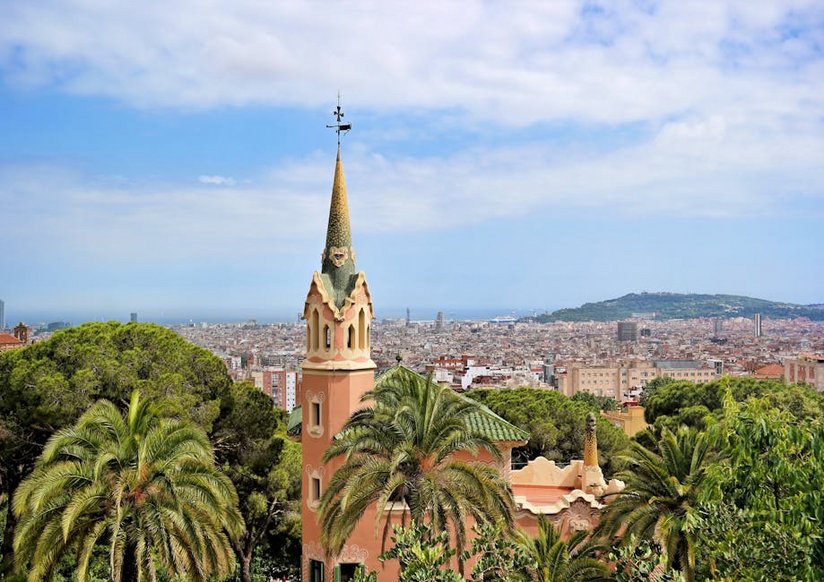
Park Güell (Monumental Zone): Allocate 1.5 to 2 hours. The timed-entry area with the famous mosaic terraces and structures is smaller than many expect. Factor in additional time if you choose to walk up from the metro or bus stop through the free-access park areas, which offer lovely views and gardens.
Gothic Quarter & Las Ramblas: You can wander the main paths in an hour, but to truly discover its charm, plan a half-day (3-4 hours). This allows time to explore the Barcelona Cathedral, stroll down the narrow streets of El Call (the Jewish Quarter), visit the Plaça Reial, and browse the shops along the famous, if touristy, La Boqueria Market off Las Ramblas.
Hidden Gems and Local Favorites
Escape the crowds in the Gràcia district, a former independent village with bohemian plazas like Plaça del Sol and unique shops. Spend an evening here enjoying drinks at a terrace bar. Visit the Bunkers del Carmel (Els Bunkers) for a 360-degree panoramic view of the entire city—a perfect spot for sunset that requires a moderate uphill walk or a short taxi ride from central areas.
For a unique cultural experience, attend a performance at the Palau de la Música Catalana, a stunning modernist concert hall. Alternatively, explore the Museum of the History of Catalonia at the Port Vell for a comprehensive look at the region’s complex past. These activities offer rich experiences away from the most congested tourist trails.
Beach Time and Leisure Activities
If a beach day is a priority, Barceloneta Beach is the most accessible but also the most crowded. For a more relaxed atmosphere, take a short train ride north to beaches in Badalona or south to those in Sitges. Allocate at least a half-day for a proper beach visit, including travel time, finding a spot, swimming, and enjoying a seafood lunch at a “chiringuito” (beach bar). Remember, the Mediterranean water is warmest from July to September.
Practical Travel Information: Accommodation and Transport
Choosing the right base is critical for an efficient trip. Staying centrally in districts like Eixample, the Gothic Quarter, or El Born means most attractions are within walking distance or a short metro ride away, saving precious time each day. Accommodation in these areas comes at a premium but maximizes your sightseeing hours. Alternatively, staying in neighborhoods like Gràcia, Poble Sec, or near the beach in Barceloneta offers more local flavor and often better value, with easy metro access to the center.
Booking accommodations 3-4 months in advance is advisable, especially for visits during peak season, major festivals like La Mercè, or over weekends. A wide range of options exists, from international hotel chains and boutique design hotels to vacation rentals and hostels. Consider your daily itinerary when selecting a location to minimize backtracking across the city.
| Accommodation Area | Best For | Average Nightly Price (USD) |
|---|---|---|
| Eixample (Center) | First-time visitors, architecture lovers, luxury shopping. Walking distance to Gaudí houses and upscale dining. | $180 – $400+ |
| Gothic Quarter / El Born | History buffs, nightlife, atmospheric stays. Immersed in medieval streets, close to major museums and tapas bars. | $150 – $350 |
| Gràcia | Travelers seeking local vibe, families, longer stays. Village-like plazas, great restaurants, slightly removed from tourist center. | $120 – $280 |
| Barceloneta / Port Olímpic | Beach lovers, summer visits, waterfront dining. Direct beach access, more resort-like atmosphere, longer commute to historic sites. | $140 – $320 |
| Poble Sec / Sants | Budget-conscious travelers, foodies (tapas bars). Well-connected by metro, more affordable, near Montjuïc mountain. | $100 – $220 |