

Hidden Historical Places in Istanbul
Istanbul captivates millions with its iconic domes and bustling bazaars, but its most profound stories often whisper from quieter, cobblestone corners. Exploring the hidden historical places in Istanbul transforms a standard itinerary into an archaeological detective story, revealing Byzantine cisterns beneath cafes and Ottoman hammams turned art galleries. This guide uncovers those secret sites, providing precise locations, historical context, and practical tips to navigate the city’s layered past beyond the postcard views.
Istanbul’s Historical Tapestry
Istanbul’s identity is built upon sequential empires, each leaving architectural and cultural sediments for modern explorers to uncover. The city served as capital to the Roman, Byzantine, Latin, and Ottoman empires over sixteen centuries, creating a physical palimpsest. You can literally see this layering in neighborhoods where Roman walls form foundations for Ottoman wooden houses.
This complex history means that significant monuments often exist away from Sultanahmet’s crowded core. Many forgotten historical gems were absorbed into the modern urban fabric, functioning as warehouses, garages, or private homes for decades. Their rediscovery offers a more authentic, crowd-free connection to the city’s soul, requiring only a keen eye and a good map.
Understanding Istanbul’s Historical Layers
To appreciate the city’s secret sites, recognize its three primary historical eras. Each contributed distinct architectural styles and hidden relics waiting to be found.
- Byzantine Constantinople (330-1453 AD): Look for subtle remnants like partial city walls, underground cisterns, and stone pillars repurposed in later buildings. The Byzantines excelled in hydraulic engineering and defensive architecture.
- Ottoman Istanbul (1453-1922): This era added neighborhood mosques with intimate courtyards, secluded Sufi lodges (tekkes), and ornate fountains (sebils) now tucked into street corners. Ottoman civil architecture is often found in residential areas.
- Late Ottoman & Early Republican (19th-20th Century): This period reveals Art Nouveau apartment buildings, historic patisseries, and avant-garde museums housed in former industrial spaces, particularly in Beyoglu and Kadikoy.
- Budget Explorer ($25-40/day): Rely on self-guided walking using free digital maps, ferry transport ($0.50 per ride), street food like balik ekmek ($3-4), and free entry to many mosques and exterior sites. Focus on contiguous neighborhoods to minimize transport costs.
- Mid-Range Discoverer ($60-90/day): Includes a specialized guided tour for one morning ($30-40), lunch at a classic lokanta ($10-15), taxi between two distant districts ($8-12), and entry to 2-3 small museums ($10 total). This offers the best balance of independence and expert insight.
- In-Depth Cultural Traveler ($120+/day): Features a full-day private guide specializing in Byzantine or Ottoman history ($150-200), lunch at a restored historic mansion restaurant ($30-40), and a curated evening event like a classical music performance in a historical venue ($25-35). Ideal for serious history enthusiasts.
- Istanbul Provincial Directorate of Culture and Tourism
- The Byzantine Legacy Project – Istanbul Catalog
Keys to Discovering Secret Sites
Finding Istanbul’s concealed history requires a specific approach. Prioritize neighborhoods like Balat, Fener, and Uskudar, where local life continues amidst ancient structures. Look upward at second-story facades and downward into basement windows, as much of the city’s history exists at non-eye-level.
Always carry a digital or physical map marking lesser-known monuments, as signage is often minimal or in Turkish only. Engage politely with shopkeepers and residents; many “hidden” places are known locally and may be accessible if you ask permission respectfully. A simple “Merhaba, bu tarihi bina hakkinda bilgi alabilir miyim?” (Hello, can I get information about this historical building?) opens doors.
The Role of Water in Hidden History
Istanbul’s relationship with the Bosphorus and its hills dictated its development. Ancient waterways, now buried, once flowed through today’s streets, with their paths marked by old bridge abutments and stone conduits. Many off-the-beaten-path heritage sites are former water-related structures like abandoned ferry terminals, forgotten harbor stairs, or decommissioned cisterns.
Exploring these hydrological hints offers a unique thematic tour. For instance, follow the trajectory of the old Valens Aqueduct from its forested source towards the city center, discovering small Byzantine ruins along its route. This approach turns a simple walk into a historical investigation.
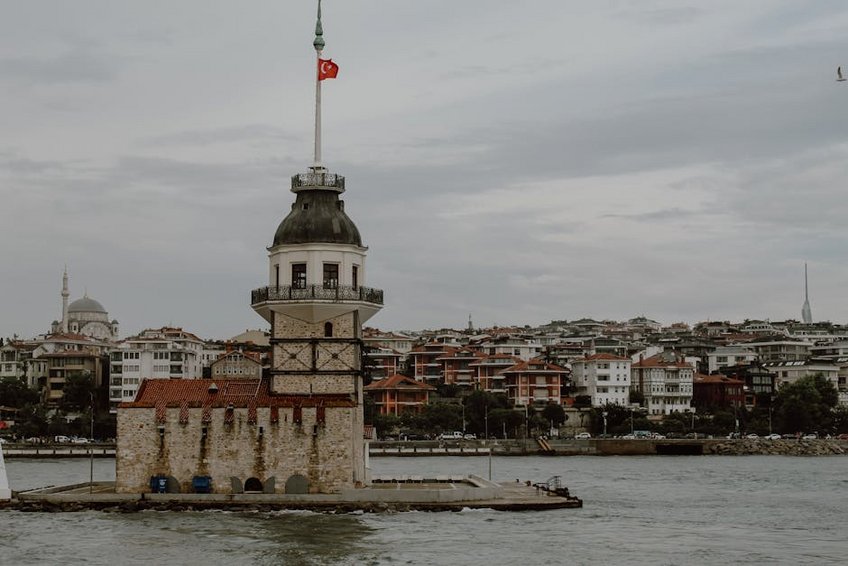
Alt: “byzantine-cistern-hidden-courtyard-istanbul-balat-district”
Hidden Historical Places in Istanbul – Planning Your Exploration
Successfully discovering Istanbul’s secret history demands more spontaneity than a typical sightseeing day. Allocate time for getting pleasantly lost in residential districts, as the most intriguing finds are often stumbled upon rather than ticked off a list. Your schedule should be flexible, with mornings dedicated to one or two target neighborhoods and afternoons left open for following interesting lanes or local recommendations.
Budget for small entrance fees to lesser-known museums (typically $2-$5 USD) and funds for tea or coffee at vintage cafes adjacent to historical sites. Transportation costs are minimal if you use the efficient ferry system and walk, but consider occasional taxi rides between disparate districts like Suleymaniye and Yedikule. The investment is time rather than money.
Remember that accessing some hidden historical places in Istanbul requires respectful interaction. Many are not formal museums but functioning religious sites, private businesses, or residential buildings. Dress modestly, speak quietly, and be prepared to accept if access isn’t granted. The journey through backstreets is often as rewarding as the destination itself.
Best Time to Visit Istanbul’s Secret Sites
Visit between late April and early June or September through October for optimal hidden site exploration. These months offer mild temperatures of 60-75°F (15-24°C) and fewer crowds at major landmarks, which means quieter backstreets. Spring brings blooming flowers in hidden courtyard gardens, while autumn provides dramatic lighting for photography in narrow alleys.
Winter months from November to February see temperatures of 40-50°F (4-10°C) and occasional rain, but offer the most authentic local atmosphere with virtually no tourist crowds in residential districts. Many indoor hidden sites, like small museums or converted hammams, are cozy escapes during colder weather. Summer heat can make extensive walking strenuous, though early morning exploration is still pleasant.
Budget Planning and Costs
Exploring Istanbul’s lesser-known history can be remarkably affordable, with costs concentrated in guided expertise and district-hopping transportation.
Essential Preparation Checklist
Pack comfortable walking shoes with good grip for Istanbul’s cobblestone and hilly terrain, along with a lightweight backpack for layers and water. Bring a power bank for your phone, as you’ll rely heavily on digital maps and translation apps throughout the day. A small flashlight or your phone’s torch is invaluable for peering into dim courtyard entrances or underground spaces.
Ensure you have printed addresses in Turkish for taxi drivers, as many hidden historical places in Istanbul lack well-known English names. Download offline maps of districts like Fatih and Beyoglu on Google Maps or Maps.me. While not always required, carrying your passport or a copy is wise, as some lesser-known sites may request ID for entry logs.
Top Hidden Historical Gems by District
Istanbul’s hidden history is geographically organized, with each district preserving relics from specific eras and communities. The European side’s Golden Horn districts—Balat, Fener, Ayvansaray—hold Byzantine walls and Ottoman Jewish heritage. On the Asian side, Uskudar and Kadikoy conceal Seljuk fountains and early Christian sites predating Constantinople itself.
Crossing between continents via ferry is part of the adventure, offering perspectives of the city’s skyline that reveal how these hidden sites fit into the broader urban landscape. Allocate at least half a day per district, as the true discovery happens through meandering rather than point-to-point rushing. The following sites represent starting points for deeper exploration.
Must-See Hidden Highlights
The Theodosian Land Walls at Yedikule offer a walk along remarkably preserved 5th-century fortifications far from the crowded center. Access the grassy interior of the “Seven Towers” fortress for about $2 USD, enjoying panoramic views and the haunting “Well of Blood.” Visit early morning when the light casts dramatic shadows along the battlements.
Little Hagia Sophia (Kucuk Ayasofya Camii) is a stunning 6th-century church turned mosque that receives a fraction of its famous namesake’s visitors. Admire its perfect architectural proportions and intricate marble work in serene surroundings. The surrounding neighborhood hides other Byzantine fragments and traditional artisan workshops.
The Mosaic Museum (Büyük Saray Mozaikleri Müzesi), located near the Arasta Bazaar, preserves breathtaking 5th-century floor mosaics from the Great Palace of Constantinople. This often-overlooked museum showcases vibrant hunting and mythological scenes in a quiet, contemplative setting. Entry costs about $5 USD and provides crucial context for Byzantine daily life.
Hidden Gems and Local Favorites
In Balat, seek out the Ahrida Synagogue (visits by advance request), featuring a 17th-century interior with a boat-shaped bimah representing Ottoman ships that brought Sephardic Jews to safety. The surrounding streets are a living museum of Ottoman wooden architecture, with pastel-colored houses slowly being restored.
The Atik Valide Mosque Complex in Uskudar, designed by master architect Mimar Sinan, includes a often-empty mosque, medrese, and hamam spread across terraced gardens. Locals picnic here, but international visitors are rare. It represents Ottoman architectural purity without later Baroque additions found in more central mosques.
For something truly obscure, find the Column of the Goths in Gulhane Park, a lone Roman triumphal column commemorating a 3rd-century victory. Tucked away in a wooded corner, it’s the oldest dated monument in the city. Its isolation amidst greenery makes for a poignant moment of historical reflection.
Underground and Overlooked Marvels
Beneath the modern streets lie hundreds of ancient cisterns. While the Basilica Cistern is famous, Serefiye Cistern near the Grand Bazaar offers a similar 5th-century experience with multimedia displays and no crowds. Entry is free, and its location reveals how these engineering marvels supported entire city quarters.
The Galata Mevlevi Lodge Museum provides insight into Sufi mysticism within a beautifully restored 15th-century tekke. Watch sema (whirling ceremony) demonstrations on weekends and admire Ottoman calligraphy in peaceful courtyards. It’s a spiritual counterpoint to the city’s more monumental religious sites.
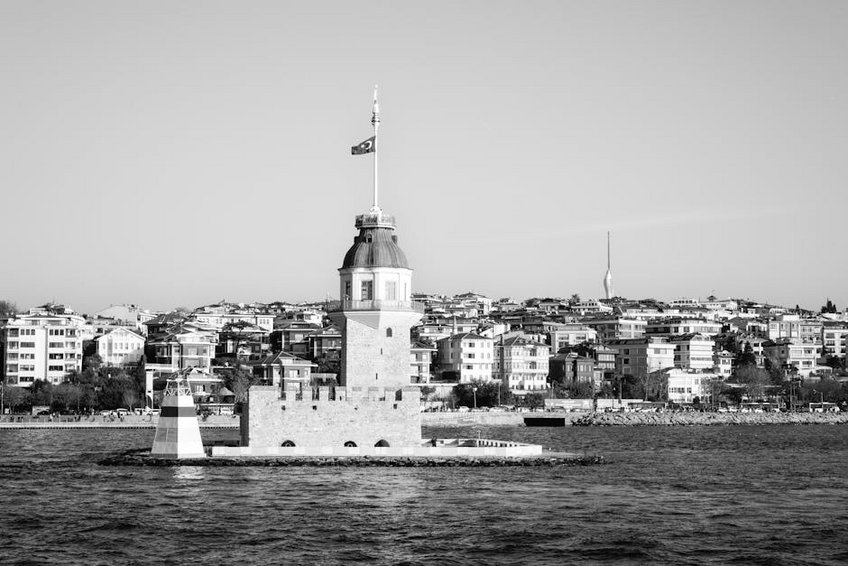
Alt: “ottomansufi-lodge-courtyard-galata-istanbul-wooden-architecture”
Practical Travel Information
Navigating Istanbul’s residential districts to find hidden sites requires understanding the city’s layered transportation. The historic peninsula is best explored on foot, while reaching districts like Balat or Uskudar efficiently involves ferries, trams, and occasional taxis. Istanbulkart, the reloadable transit card, is essential for seamless movement across all modes.
Accommodation location significantly impacts your exploration efficiency. Staying in neighborhoods like Cihangir, Sultanahmet (east end), or Kadikoy provides better access to local backstreets than large hotel districts. Consider boutique hotels in restored historical buildings for an immersive experience that complements your historical discovery theme.
| Accommodation Type | Best Districts & Features | Price Range (USD/Night) |
|---|---|---|
| Boutique Heritage Hotel | Restored Ottoman house in Cihangir/Balat; personalized service, historical character | $90-$180 |
| Mid-Range Design Hotel | Beyoglu or Kadikoy; modern amenities in historic building, good transit links | $60-$120 |
| Budget Guesthouse/Pension | Sultanahmet (side streets) or Sirkeci; basic rooms, social atmosphere, walkable location | $30-$70 |
| Short-Term Apartment Rental | Galata or Uskudar; kitchenette, living space, local neighborhood immersion | $50-$150 |


