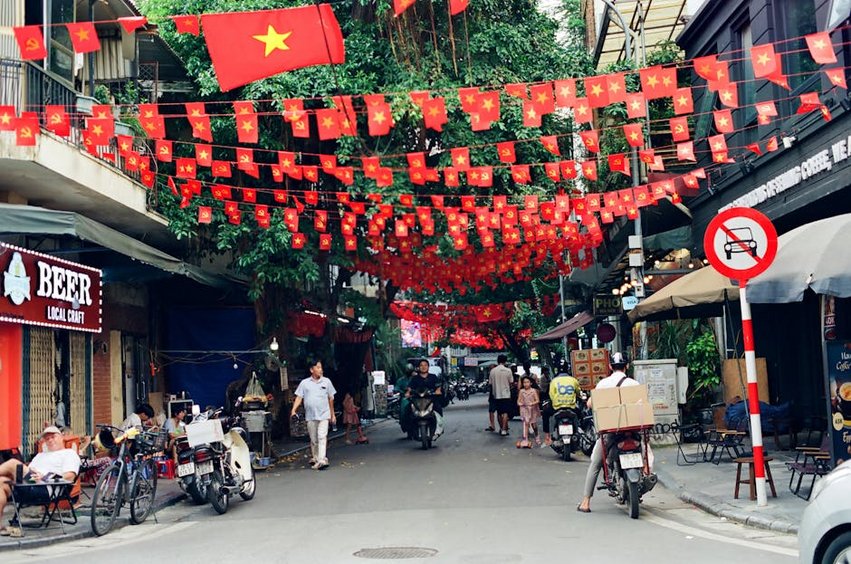
Hanoi Travel Guide: Explore Vietnam’s Historic Capital
Your Hanoi travel guide begins in a city where ancient temples share alleyways with trendy cafes, creating a captivating blend of old and new. Navigating the vibrant street food stalls, serene lakes, and bustling markets requires insider knowledge to experience the capital authentically. This guide provides the essential planning tips, cultural insights, and practical logistics you need for an immersive journey through Vietnam’s historic heart.
Essential Hanoi Information
Hanoi serves as Vietnam’s political and cultural capital, with a history spanning over a thousand years. The city’s layout revolves around its iconic Old Quarter, French Colonial District, and several large lakes that provide scenic respite. Understanding this geographic and historical context helps travelers navigate efficiently and appreciate the layered stories embedded in its architecture.
The local currency is the Vietnamese Dong (VND), though US dollars are accepted in many tourist areas. You should carry cash for street vendors, markets, and smaller establishments, as credit cards are primarily for hotels and upscale restaurants. ATMs are widely available, but notify your bank of international travel to avoid card blocks.
Visa and Entry Requirements
Most travelers need a visa to enter Vietnam. Requirements vary significantly by nationality, so checking the latest regulations three months before departure is crucial. The process can involve online applications or embassy visits, depending on your passport and planned length of stay.
- Many visitors can obtain an e-visa online for stays up to 90 days; apply through the official government portal at least two weeks before travel.
- For those requiring a traditional visa, you often need a pre-approval letter obtained through a travel agency, which you present upon arrival at Hanoi’s Noi Bai International Airport.
- Ensure your passport has at least six months of validity and two blank pages for the entry stamp to avoid issues at immigration.
- Budget travelers can manage on $25-40 USD daily by staying in hostels ($5-10), eating street food ($1-3 per meal), using public buses ($0.30), and visiting free attractions like Hoan Kiem Lake and temple courtyards.
- Mid-range visitors spending $60-100 USD daily enjoy boutique hotels ($30-50), restaurant meals ($5-10), taxi transport between districts, and paid entrance to museums and cultural shows like Thang Long Water Puppet Theatre.
- Luxury travel at $150-250+ USD daily includes five-star hotels (Sofitel Legend Metropole from $200), fine dining ($30+ meals), private guided tours, and bespoke experiences such as customized food tours or day trips to Halong Bay.
- Vietnam National Administration of Tourism
- Lonely Planet Hanoi Guide
Language and Local Customs
Vietnamese is the official language, with English widely spoken in tourist centers, hotels, and by younger residents. Learning a few basic phrases like “xin chào” (hello) and “cảm ơn” (thank you) is greatly appreciated. Communication barriers are minimal in central districts, though having a translation app handy is useful for menus or taxi directions.
Cultural etiquette emphasizes respect and modesty. Dress conservatively when visiting temples and pagodas, covering shoulders and knees. It’s polite to remove your shoes before entering someone’s home and to use both hands when giving or receiving items, especially money or business cards.
Climate and Seasonal Patterns
Hanoi experiences a distinct tropical monsoon climate with four seasons. Each period offers a different travel experience, from cool, dry winters to hot, humid summers punctuated by heavy rain. Packing appropriately for the season you visit is key to comfort while exploring the city on foot.
Alt: “hanoi-old-quarter-street-scene-motorbikes-shop-houses”
Hanoi Travel Guide – Planning Your Trip
Creating a successful itinerary for Vietnam’s capital involves balancing iconic sights with local immersion. Allocate time for both structured tours and spontaneous wandering through the maze-like Old Quarter. Your Hanoi travel guide planning should account for the city’s rhythm, where mornings are for pho and markets, afternoons for museums, and evenings for street food and lakeside strolls.
Budget planning is straightforward, as Hanoi offers excellent value. Street meals cost $2-5 USD, while comfortable mid-range hotels average $30-50 per night. Transportation via Grab bike or taxi is inexpensive, making it easy to hop between districts. Prioritize spending on experiences like a water puppet show or a cooking class for lasting memories.
Best Time to Visit Hanoi
The ideal time for a Hanoi visit is during the autumn months, from September to November. Temperatures range from 70-80°F (21-27°C) with lower humidity and minimal rainfall, creating perfect conditions for exploring. This period follows the hot, rainy summer and precedes the cool, foggy winter, offering clear skies and comfortable walking weather.
Spring, from February to April, is another favorable season with blooming flowers and festive atmosphere around the Lunar New Year (Tet). Be aware that Tet (late January or February) sees massive domestic travel, with many local businesses closing. If visiting then, book accommodations and transport far in advance and expect higher prices.
Budget Planning and Costs
Daily expenses in Hanoi vary dramatically based on your travel style. The city accommodates backpackers and luxury seekers alike, with clear price tiers for every aspect of your journey.
Essential Preparation Checklist
Pack lightweight, breathable clothing for the humid climate, plus a light jacket for cooler evenings or air-conditioned spaces. Include comfortable walking shoes that can handle uneven sidewalks and temple steps. Essential items include a universal power adapter (Vietnam uses 220V, Type A/C/D outlets), a reusable water bottle with filter, and a compact umbrella or rain poncho.
Arrange comprehensive travel insurance covering medical evacuation, as local hospitals may not meet Western standards for serious issues. Download essential apps: Grab for transport, Google Translate for Vietnamese, and a reliable offline map. Make digital copies of your passport, visa, and insurance documents stored separately from the originals.
Top Attractions and Cultural Sites
Hanoi’s landmarks tell the story of its historical epochs, from imperial dynasties to French colonialism and modern independence. The city’s compact center allows visitors to experience centuries of history within walking distance. Each site offers a unique perspective on Vietnamese culture, art, and resilience.
Beyond the famous monuments, the true attraction lies in daily life along the railway tracks, in hidden communal courtyards, and within traditional craft villages embedded in urban neighborhoods. Allocate time for both planned sightseeing and aimless exploration to capture the city’s full character.
Must-See Historical Highlights
Ho Chi Minh Mausoleum complex is a monumental area featuring the preserved body of Uncle Ho, his stilt house, and the unique One Pillar Pagoda. Visit early morning to avoid long queues and note the strict dress code and solemn behavior required inside the mausoleum. The site closes seasonally for maintenance, typically from September to November.
The Temple of Literature, founded in 1070, stands as Vietnam’s first university and a serene tribute to Confucian scholars. Wander through its five courtyards, admire the stone stelae atop turtle statues, and watch students rub the turtles’ heads for exam luck. Entrance costs approximately $1.50 USD and it’s less crowded in late afternoons.
Hoa Lo Prison Memorial, nicknamed the “Hanoi Hilton” by American POWs, presents a sobering look at Vietnam’s struggle for independence from French colonialism and subsequent conflicts. The museum thoughtfully displays artifacts and personal stories, though perspectives differ between Vietnamese and Western historical narratives.
Hidden Gems and Local Favorites
Long Bien Bridge, a historic steel structure designed by Gustave Eiffel’s firm, offers a glimpse into local life away from tourist trails. Visit at dawn to see farmers transporting goods to market or in the late afternoon for stunning river views. The pedestrian walkway is narrow, so stay alert for passing motorbikes while crossing the Red River.
West Lake (Tay Ho) district provides a quieter, more expat-oriented atmosphere with trendy cafes, international restaurants, and the beautiful Tran Quoc Pagoda on its shores. Rent a bicycle to circle the 17-kilometer (10.5-mile) lake perimeter, stopping at sidewalk cafes for fresh sugarcane juice. This area showcases a different, more relaxed side of the capital.
Art and Museum Exploration
Vietnam Fine Arts Museum houses an exceptional collection spanning ancient Cham sculptures to modern revolutionary paintings. The French colonial building itself is noteworthy, with its yellow facade and airy galleries. Don’t miss the upstairs folk art section featuring traditional Dong Ho woodblock prints, which make for authentic, lightweight souvenirs.
For contemporary art, head to the Vietnam Museum of Ethnology, located slightly west of the city center. Its indoor and outdoor exhibits detail the country’s 54 ethnic groups through artifacts, traditional house reconstructions, and multimedia displays. The water puppet demonstration here is particularly good if you miss the more touristy theater show.
Practical Travel Information
Navigating Hanoi’s infrastructure is straightforward with proper preparation. The city’s primary airport connects to major Asian hubs and some European cities, with convenient transport options to downtown. Accommodation ranges from hostels in the Old Quarter to luxury properties with colonial heritage, all offering good value by international standards.
Local transportation primarily involves motorbike taxis, ride-hailing apps, and traditional cyclos for short sightseeing trips. While public buses exist, they’re challenging for non-Vietnamese speakers to navigate. Most visitors find that walking combined with occasional rides provides the best balance for exploring different neighborhoods.
| Accommodation Type | Best Locations & Features | Price Range (USD/Night) |
|---|---|---|
| Hostels & Guesthouses | Old Quarter for social atmosphere, free walking tours, and easy food access | $5 – $15 |
| Boutique Hotels | French Quarter for colonial charm, quiet streets, and design-focused interiors | $30 – $80 |
| Business Hotels | Ba Dinh District near government buildings, with pools and multiple restaurants | $70 – $120 |
| Luxury Heritage | Sofitel Legend Metropole for historical significance, central location, and full amenities | $200 – $400+ |