Halfeti Travel Guide: Explore Turkey’s Sunken Black Rose Town
Nestled along the Euphrates River in southeastern Turkey, Halfeti offers a unique travel experience defined by its partially submerged landscape and rare black roses. This town tells a story of transformation, where ancient stone houses now peek above turquoise waters, creating a scene that feels both haunting and beautiful. This guide provides the essential information for planning your visit, from exploring the sunken village by boat to understanding the best seasons for witnessing its famous flora.
Essential Information About Halfeti
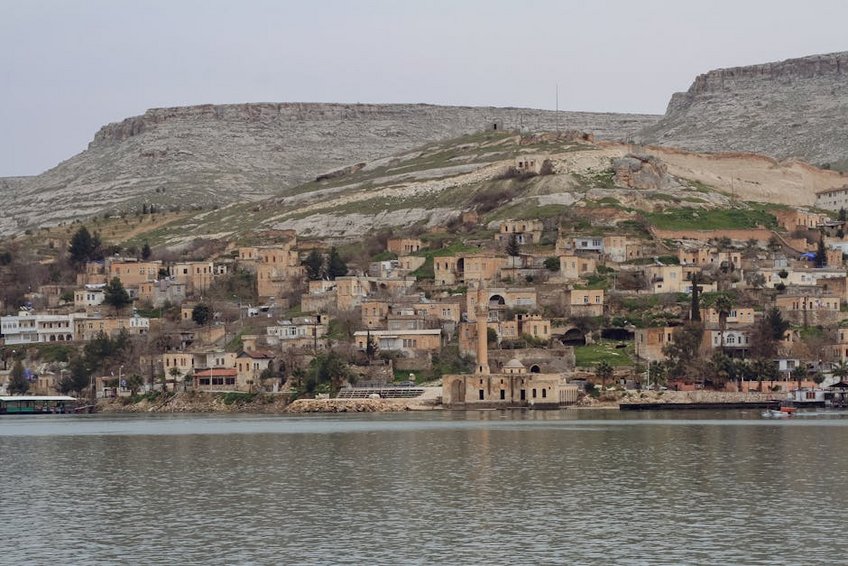
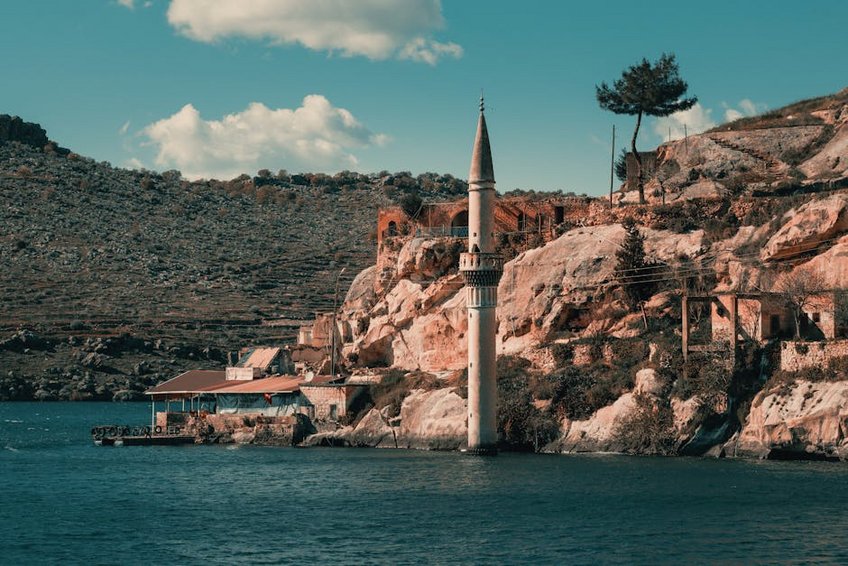
Halfeti is a district in Şanlıurfa Province, dramatically altered by the Birecik Dam project in 2000. The rising waters of the Euphrates submerged much of old Halfeti, leaving only fragments of the original town visible. Today, visitors find a landscape where minarets and old building façades emerge from a serene lake, offering a poignant reminder of the area’s history.
The town’s other claim to fame is the Halfeti Gülü, a rare black rose that grows only in this specific microclimate. Its petals appear deep burgundy to near-black, a phenomenon attributed to the unique soil pH and groundwater characteristics of the region. This combination of human history and natural wonder defines the entire area.
Modern life continues in “New Halfeti” (Yeni Halfeti), built on higher ground to replace the flooded settlement. Your visit will likely involve staying in this new town while taking boat trips to explore the watery ruins of the old one. The local economy relies on agriculture, particularly pistachios, and an increasing focus on cultural tourism.
Historical Context and Transformation
The town’s history stretches back millennia, with roots connecting to Hittite, Assyrian, and Roman civilizations. However, its modern identity is inextricably linked to the Southeastern Anatolia Project (GAP), one of Turkey’s largest development initiatives. The dam’s construction was a trade-off between regional energy/irrigation needs and cultural preservation.
- The Submersion Event: The old town of Savaşan and much of Halfeti’s historical center were gradually flooded between 1999 and 2000. Approximately 80% of old Halfeti now lies underwater, creating an artificial lake over 10 kilometers long.
- Architectural Relics: Visible landmarks include the minaret of the Rizvaniye Mosque, several old house facades, and portions of the Rumkale fortress walls. These structures serve as direct, tangible connections to the pre-flood community.
- Cultural Resilience: Residents relocated to New Halfeti, bringing place names, traditions, and the famed black rose saplings with them. This transfer of cultural identity is a key part of the region’s ongoing story.
- Budget Traveler ($40-60 USD): This covers a shared minibus from Şanlıurfa ($5-8 round trip), a shared public boat tour ($8-12), a simple lunch of kebabs or gözleme ($7-10), and a guesthouse bed in New Halfeti ($20-30). You’ll explore independently and focus on free sights.
- Mid-Range Traveler ($80-120 USD): This allows for a private taxi from Şanlıurfa ($50-70 round trip), a private 2-hour boat tour ($40-60 for the boat), meals at sit-down restaurants with river views ($15-25), and a comfortable boutique hotel room ($40-60). It offers flexibility and comfort.
- Luxury Experience ($200+ USD): This tier includes a private driver and guide for the day from Gaziantep or Şanlıurfa ($150+), an extended private boat tour with a photography guide, fine dining featuring regional specialties, and a stay at the area’s premier stone-house hotel with a terrace overlooking the Euphrates.
- Republic of Turkey Ministry of Culture and Tourism
- Lonely Planet Travel Guide
The Legend of the Black Rose
Botanically known as *Rosa ‘Halfeti’*, the black rose is not truly black but an extremely dark shade of crimson. The unique color results from anthocyanin pigments interacting with the soil’s high pH levels, a condition found only in this specific part of the Euphrates valley. Attempts to cultivate it elsewhere typically result in conventional red blooms.
The flowering season is relatively short, typically from late April through early June. During this period, the roses are at their darkest hue. Local folklore weaves various tales around the flower, often linking its somber color to the melancholy of the sunken town, adding a layer of poetic metaphor to the visitor’s experience.
Alt: “halfeti-turkey-sunken-village-euphrates-river-boat-tour”
Halfeti Travel Guide – Planning Your Trip
Organizing a visit to this unique destination requires consideration of seasonality, transportation links, and activity focus. Your Halfeti travel guide must account for the fact that it’s a small town with specific attractions, best enjoyed as part of a wider Şanlıurfa or Southeastern Turkey itinerary. Planning ensures you see the black roses in bloom and experience the tranquil boat tours under ideal conditions.
Access is primarily via road from Şanlıurfa, a journey of about 1.5 to 2 hours. There is no airport or train station in Halfeti itself. Most visitors arrive on day trips from Şanlıurfa or Gaziantep, though staying overnight allows for a more serene experience after the day-trippers depart. Booking accommodations in advance is recommended during spring weekends.
Best Time to Visit Halfeti
The ideal period for a visit is during the spring, specifically from mid-April to late May. This window offers the best chance to see the famous black roses in bloom and enjoy pleasant weather for boat tours, with average temperatures ranging from 60°F to 80°F (15°C to 27°C). Crowds are manageable during the week but increase on weekends.
Summer, from June to August, is intensely hot, with temperatures frequently exceeding 100°F (38°C). While boat tours still operate early in the morning or late afternoon, the heat can be prohibitive for extended exploration. Autumn (September-October) brings relief from the heat and beautiful lighting, though the roses are not in bloom. Winters are mild but rainy, and some tourist services may be limited.
Budget Planning and Costs
Halfeti is a relatively budget-friendly destination compared to major Turkish tourist centers. Your main costs will be transportation to reach the town and the essential boat tour. A sample daily budget per person, excluding flights to Turkey, breaks down as follows:
Essential Preparation Checklist
Pack for a mix of cultural site visits and outdoor boat travel. Modest clothing is recommended, though strictly enforced only when visiting active mosques in Şanlıurfa. For Halfeti itself, comfortable, breathable clothing is key. Essential items include a wide-brimmed hat, high-SPF sunscreen, sunglasses, and sturdy walking shoes with good grip for getting on and off boats.
Ensure your Turkish visa is arranged in advance if required (e-visas are available for many nationalities). While credit cards are accepted at some hotels, carry sufficient Turkish Lira (TRY) cash for boat operators, small restaurants, and local shops. Book your accommodation at least a few weeks ahead if visiting during the April-May rose season or on a weekend.
Top Attractions and Activities
The core experience in Halfeti revolves around its aquatic landscape and floral rarity. The boat tour is non-negotiable, as it’s the only way to properly appreciate the scale of the submersion and get close to the architectural relics. Beyond the water, exploring the new town’s markets and seeking out the black rose gardens completes the picture.
Combining your visit with nearby Rumkale fortress adds a layer of historical depth. The area is peaceful and slow-paced, ideal for travelers looking to step away from bustling city itineraries. Allotting a full day, or better yet an overnight stay, allows the quiet atmosphere of the Euphrates to fully sink in.
Must-See Highlights
The Public Boat Tour is the primary activity, departing regularly from the main pier in New Halfeti. The standard route glides past the submerged Rizvaniye Mosque minaret, the visible façades of old Halfeti houses, and often includes a stop at the nearby “Sunken Mosque” area. Private tours can be longer and venture further toward Savaşan village.
Rumkale is a spectacular fortress perched on a rocky peninsula at the confluence of the Euphrates and Merzimen Creek. Accessible by a longer boat tour from Halfeti or via road from the opposite bank, its ruins offer breathtaking views. Historically, it held strategic importance for Assyrians, Romans, and Crusaders.
In New Halfeti, seek out the Black Rose Gardens. While not a formal park, local households and small tea gardens often cultivate the roses. Ask your boat captain or hotel owner for directions to a spot where you can view them up close, typically in the late spring.
Hidden Gems and Local Favorites
For a quieter experience, ask a boat operator to take you to the less-visited submerged village of Savaşan. Deeper into the lake, this area feels more remote and wild, with fewer tourist boats. The silence here, broken only by water and bird calls, powerfully evokes the area’s transformation.
Visit the local weekly market (pazar) in New Halfeti. While small, it’s where farmers sell fresh pistachios, spices, and local produce. It’s a slice of daily life unaffected by tourism. Engaging with vendors here offers a more authentic interaction than in the purely tourist-focused zones near the pier.
Photography Tips for the Landscape
The best light for photographing the sunken village and river is during the golden hours—early morning or late afternoon. The harsh midday sun creates strong shadows and can wash out the colors of the water and stone. A polarizing filter is highly recommended to manage glare off the water and enhance the blue of the sky.
For capturing the black roses, an overcast day is actually advantageous, as it eliminates harsh shadows and reveals the subtle depth of the flower’s dark color. Use a macro lens or your camera’s macro setting to focus on the intricate details of the petals against the green foliage.
Practical Travel Information
Getting to and around Halfeti requires some planning, as it’s not on major transit routes. The town itself is small and easily walkable, but reaching it involves a journey from a larger hub city. Accommodation options have grown in recent years, moving beyond basic guesthouses to include several charming boutique hotels.
Most services, including ATMs, pharmacies, and a post office, are located in New Halfeti’s small center. English is not widely spoken outside the main tourist pier and hotels, so having a translation app or a few basic Turkish phrases is very helpful. The overall pace is slow and friendly.
| Category | Options/Features | Price Range (USD) |
|---|---|---|
| Boat Tours | Shared public boat (1-1.5 hrs), Private boat (2-3 hrs, customizable), Extended tour to Rumkale (3-4 hrs) | $8 – $80 |
| Accommodation | Basic guesthouse, Boutique hotel (stone house, river view), Luxury boutique property with terrace | $25 – $150 per night |
| Dining | Street food (gözleme, simit), Local restaurant (kebabs, meze), Riverside restaurant with view | $3 – $25 per meal |
| Transport | Shared minibus (dolmuş) from Şanlıurfa, Private taxi rental, Guided tour with transport included | $5 – $150+ |