Guatemala Lake Atitlan Mayan Villages: Cultural Immersion Guide
Exploring Guatemala Lake Atitlan Mayan villages immerses you in vibrant indigenous cultures surrounded by volcanic landscapes and traditional crafts. Each lakeside community offers unique weaving techniques, spiritual ceremonies, and culinary traditions preserved for generations. This guide covers essential planning tips, must-visit locations, and cultural etiquette for an authentic highland experience.
Essential Lake Atitlan Information
Lake Atitlan fills a massive volcanic caldera in Guatemala’s southwestern highlands, with elevations averaging 5,125 feet (1,562 meters). The lake spans 50 square miles (130 km²) and reaches depths over 1,000 feet (305 meters), creating microclimates that support diverse agriculture. Twelve primary villages dot the shoreline, each maintaining distinct Mayan languages and cultural practices.
Spanish colonization beginning in the 1520s introduced European influences, but Maya communities preserved their traditions through clandestine practices. Today, villages like Santiago Atitlán and San Juan La Laguna blend Catholic and Maya spiritual elements in daily life. The region’s population remains predominantly indigenous, with Kaqchikel, Tz’utujil, and K’iche’ languages spoken alongside Spanish.
Geographical Features and Climate
Understanding the area’s physical characteristics helps with trip preparation.
- Three major volcanoes surround the lake: Atitlán (11,598 feet/3,535 meters), Tolimán (10,361 feet/3,158 meters), and San Pedro (9,908 feet/3,020 meters).
- Temperatures range from 60-75°F (16-24°C) year-round, with rainy season from May to October bringing afternoon showers.
- The lake’s clear waters maintain temperatures around 68°F (20°C), ideal for swimming and kayaking during dry months.
- Budget travelers spend $30-50 daily using homestays ($10-15/night), comedor meals ($3-5), and public transportation. Focus on free activities like hiking and market browsing while budgeting $20 for occasional guided experiences.
- Mid-range visitors allocate $75-120 daily for boutique hotels ($40-70/night), restaurant dining ($8-15/meal), and private boat transfers. This budget allows for weaving workshops ($15-25) and guided nature walks ($20-35) while maintaining comfort.
- Luxury experiences cost $150-300+ daily featuring lakeview villas ($100-200/night), gourmet dining ($20-40/meal), and private guides ($50-100/day). Premium accommodations often include spa services, yoga classes, and curated cultural activities.
- Guatemala Tourism Board
- Wikitravel Lake Atitlán Guide
Cultural Significance and Heritage
Maya communities around Lake Atitlan maintain ancestral traditions through textile production, agriculture, and spiritual practices. Villages specialize in specific crafts, like San Juan La Laguna’s natural dye workshops and Santiago Atitlán’s wooden mask carving. These artistic traditions represent centuries of cultural continuity despite external pressures.
Traditional Maya spirituality coexists with Catholicism, creating unique syncretic practices visible in local festivals. Each village celebrates its patron saint with processions, fireworks, and traditional dances that last multiple days. Visitors should approach these events with respect, observing from appropriate distances unless invited to participate.
Accessibility and Infrastructure
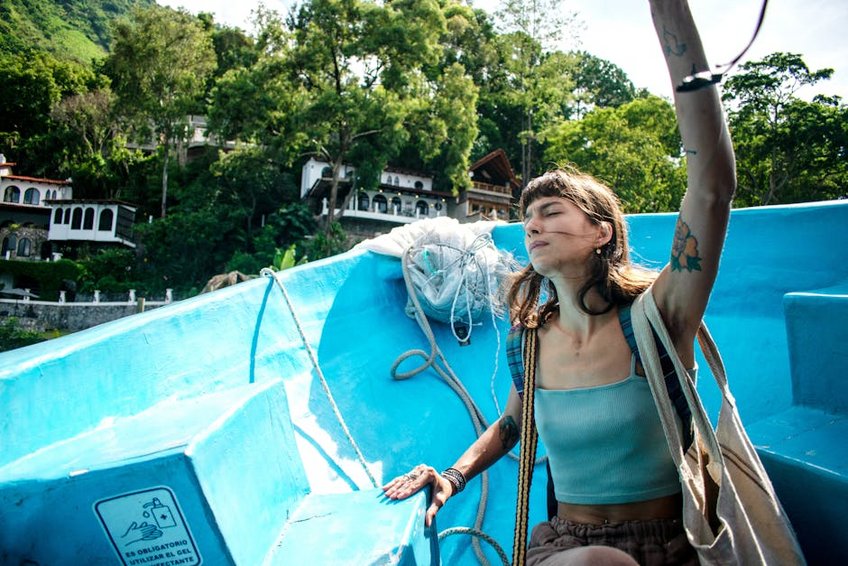
Road conditions vary significantly between villages, with paved routes to Panajachel and dirt paths to more remote communities. Public lanchas (small boats) provide the primary transportation between villages, departing when full rather than on fixed schedules. Internet connectivity remains limited outside main tourist centers, encouraging digital detox immersion.
Accommodations range from basic homestays to luxury eco-lodges, with electricity reliability decreasing in smaller villages. Water safety precautions are essential, as tap water isn’t potable anywhere around the lake. Bring reusable bottles with purification methods to reduce plastic waste in local communities.

Alt: “lake-atitlan-volcanic-landscape-mayan-village-shoreline”
Guatemala Lake Atitlan Mayan Villages – Planning Your Trip
Successful Guatemala Lake Atitlan Mayan villages exploration requires careful timing around weather patterns and local festivals. The dry season from November to April offers reliable conditions for hiking and photography, while rainy season provides lush landscapes with fewer visitors. Base your itinerary on personal interests, whether focusing on textile arts, spiritual practices, or outdoor adventures.
Budget approximately $50-75 daily for comfortable travel, including mid-range accommodations, meals, and transportation. Village-hopping via public lanchas costs $2-5 per crossing, while private boat charters run $25-40 hourly. Consider spending 4-7 days to experience multiple communities without rushing between locations.
Respectful engagement begins with learning basic Spanish phrases and understanding cultural protocols around photography. Always ask permission before taking portraits of locals, particularly during ceremonies or in markets. Supporting community-owned cooperatives ensures your tourism dollars benefit residents directly.
Best Time to Visit Lake Atitlan
Peak season runs December through March, when temperatures average 65-75°F (18-24°C) with minimal rainfall. These months provide optimal conditions for hiking volcano trails and capturing clear lake views, though accommodations book three weeks in advance. Shoulder months of November and April offer similar weather with 20% lower prices and smaller crowds.
Rainy season from May to October brings daily afternoon showers and temperatures of 60-70°F (16-21°C), creating vibrant green landscapes ideal for photography. This period coincides with important Maya ceremonies and harvest festivals, providing unique cultural access. September typically has the heaviest rainfall, potentially limiting transportation between villages.
Budget Planning and Costs
Daily expenses vary significantly based on accommodation style and dining choices.
Essential Preparation Checklist
Pack layers for changing mountain weather, including rain jackets, sun protection, and warm clothing for cool evenings. Sturdy walking shoes handle uneven village paths, while quick-dry items suit boat travel and sudden showers. Bring reusable water bottles with purification tablets or filters, as single-use plastic purchases contribute to local waste issues.
US and EU passport holders need valid passports but don’t require visas for stays under 90 days. Purchase comprehensive travel insurance covering adventure activities and medical evacuation. Download offline maps and translation apps since cellular service remains unreliable outside main villages.
Top Village Attractions and Activities
Each lakeside community presents distinct cultural experiences, from San Marcos La Laguna’s spiritual centers to Santiago Atitlán’s traditional markets. Village-hopping by lancha reveals the region’s diversity within compact geographical areas. Allocate time for spontaneous discoveries beyond planned itineraries, as informal interactions often create lasting memories.
Outdoor enthusiasts find excellent hiking trails connecting villages, with the San Pedro volcano ascent offering panoramic lake views. Water activities include kayaking, paddleboarding, and swimming, though currents can be strong in afternoon winds. Cultural immersion deepens through homestays, language classes, and volunteer opportunities with local organizations.
Must-See Village Highlights
Panajachel serves as the main transportation hub with its bustling Calle Santander market street and numerous tour operators. From here, lanchas depart regularly to all other villages, making it an ideal base for first-time visitors. The town offers the widest selection of accommodations and restaurants while maintaining authentic Guatemalan character.
Santiago Atitlán features the revered Maximón statue, a folk saint blending Catholic and Maya traditions that receives offerings from locals daily. The village’s central market provides excellent textile shopping and people-watching opportunities. Traditional cofradía (religious brotherhood) processions occur throughout the year, particularly around major Catholic holidays.
San Juan La Laguna specializes in textile arts with multiple women’s weaving cooperatives offering demonstrations and workshops. The village’s murals depicting local history create an outdoor gallery experience along pedestrian streets. Natural dye producers explain traditional plant-based coloring techniques using local materials like coconut shells and avocado leaves.
Hidden Gems and Local Favorites
Santa Cruz La Laguna remains less visited despite its stunning cliffside location and excellent hiking trails to neighboring villages. The community supports several social enterprises, including a women’s restaurant collective and language school. Accommodations range from basic hostels to elevated eco-lodges accessible only by boat or steep paths.
San Pedro La Laguna’s backstreets reveal traditional life beyond the tourist-oriented lakefront area. Early morning visits to the local market provide authentic cultural encounters before day-trippers arrive. The village offers affordable Spanish schools and casual lakeside dining spots favored by long-term visitors.
Jaibalito maintains a tranquil atmosphere with minimal motorized transport and strong community values. Visitors find few formal businesses but can arrange homestays through local contacts. The village’s isolation preserves traditional practices rarely seen in more accessible locations.
Cultural Workshops and Learning Experiences
Multiple villages offer textile workshops where visitors learn backstrap loom weaving techniques from master artisans. These 2-4 hour sessions typically cost $15-25 and include all materials, with opportunities to purchase finished products. Natural dye demonstrations explain how indigenous plants create vibrant colors without synthetic chemicals.
Cooking classes introduce traditional Guatemalan dishes using local ingredients like black beans, plantains, and chilies. Most classes begin with market visits to select fresh produce before hands-on preparation in home kitchens. These experiences typically last 3-4 hours and cost $20-35 per person including the resulting meal.
Practical Travel Information
Transportation around Lake Atitlan primarily involves lanchas (public boats) that operate between 6:00 AM and 7:00 PM daily. These small vessels follow informal routes, stopping at designated docks in each village when passengers request disembarkation. Private boat charters provide flexibility for photography trips or customized itineraries outside standard routes.
Road access exists to Panajachel, San Pedro, and Santiago Atitlán via winding mountain highways from major cities. Shuttle services from Guatemala City or Antigua take 3-4 hours, while public buses require 4-6 hours with multiple transfers. Most other villages remain accessible only by boat or hiking trails.
| Accommodation Type | Features and Locations | Price Range (USD) |
|---|---|---|
| Budget Hostels | Dorm beds, shared kitchens, social atmosphere in San Pedro and Panajachel | $8-15/night |
| Mid-Range Hotels | Private rooms, lake views, WiFi in Santa Cruz and San Marcos | $35-70/night |
| Boutique Eco-Lodges | Sustainable design, yoga facilities, organic meals in Jaibalito and Tzununa | $80-150/night |
| Luxury Retreats | Private docks, spa services, gourmet dining in Panajachel and Santa Catarina | $175-300+/night |