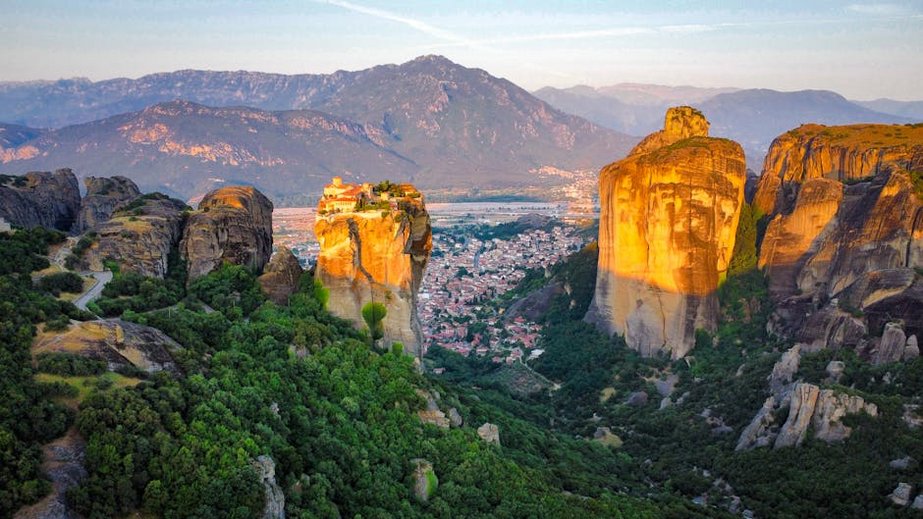
Exploring Greece Meteora Monasteries Cliffs: A Spiritual and Scenic Adventure
The Greece Meteora Monasteries Cliffs combine ancient religious sites with dramatic geological formations in central Greece’s Thessaly region. These UNESCO World Heritage monasteries perch atop sandstone pillars reaching 1,200 feet, offering breathtaking views and spiritual experiences. This guide covers essential visiting information, seasonal timing, accommodation options, and cultural insights for your journey.
Essential Meteora Information
Meteora’s rock formations began shaping 60 million years ago through earthquakes and weathering, creating the unique pillars we see today. The first hermits arrived in the 9th century, with organized monastic communities establishing 24 monasteries by the 16th century. Six functioning monasteries remain today, preserving Byzantine art and Orthodox traditions.
Visitors access monasteries via carved staircases, bridges, or original rope ladders used historically. The complex spans approximately 15 square miles near Kalambaka and Kastraki villages in Thessaly. Summer temperatures reach 85°F (29°C) while winter brings occasional snow at 32°F (0°C).
What You Need to Know
Understand these key aspects before visiting the monastic complex.
- Monastery dress codes require covered shoulders and knees for all visitors, with wraps available at entrances for unprepared guests.
- Operating hours vary seasonally, typically 9 AM to 5 PM with afternoon closures and different schedules for each religious site.
- Combination tickets cost approximately $15 USD for accessing multiple monasteries, with individual entry fees around $4 per site.
- Budget travelers spend $50-70 daily using hostel dormitories, local tavern meals, and public transportation from Kalambaka to trailheads.
- Mid-range visitors allocate $100-150 for boutique hotels, restaurant dining, and guided hiking tours with historical commentary.
- Luxury experiences cost $200-300+ featuring monastery-view suites, private guides, and culinary tours of regional specialties.
- Official Meteora Tourism Authority
- UNESCO World Heritage Centre
Key Historical Details
Monastic development peaked between the 14th-16th centuries when artists created magnificent frescoes depicting biblical scenes and saints’ lives. The Great Meteoron Monastery, founded around 1340, serves as the largest and most visited complex with its original kitchen and museum. Meanwhile, Varlaam Monastery houses an impressive collection of religious artifacts and manuscripts.
Access evolved from rope ladders and nets to stone staircases carved in the 1920s for tourism development. Preservation efforts intensified after UNESCO designation in 1988, maintaining structural integrity and artistic heritage. Local guides provide fascinating stories about hermits’ ascetic lifestyles and construction challenges.
Geological Formation Process
The distinctive pillars resulted from river delta deposits compressed into conglomerate rock over millions of years. Subsequent erosion exposed these vertical formations, creating the dramatic landscape visible today. The area continues experiencing minor seismic activity that gradually reshapes the cliffs.
Rock composition varies between sandstone and conglomerate, influencing climbing difficulty and preservation needs. Conservation projects monitor stability while permitting controlled climbing on designated routes. Geological tours explain how wind and water created this unique topography.
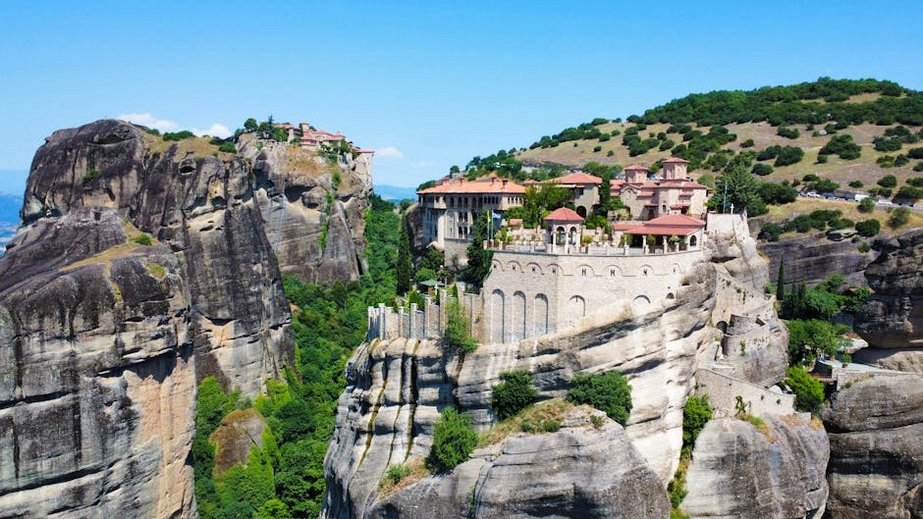
Alt: “meteora-monasteries-sunset-cliff-formations-thessaly”
Planning Your Greece Meteora Monasteries Cliffs Trip
Organizing your Greece Meteora Monasteries Cliffs visit requires considering seasonal weather, accommodation availability, and transportation options from major Greek cities. Spring and autumn provide ideal conditions with moderate temperatures and smaller crowds compared to peak summer months. Booking monastery hotels or Kalambaka accommodations three months ahead ensures better rates and availability.
Budget approximately $70-150 daily depending on accommodation style, meal choices, and guided tour preferences. The region offers excellent hiking trails connecting viewpoints and religious sites without requiring specialized equipment. Local tour operators provide historical context and access to restricted areas.
Best Time to Visit Meteora
April through June delivers optimal conditions with temperatures between 60-75°F (15-24°C) and vibrant spring foliage enhancing photography opportunities. These months avoid extreme heat while maintaining full monastery access and regular tour schedules. Morning visits beat afternoon crowds at popular sites like Great Meteoron.
September and October offer similar advantages with harvest festivals in nearby villages adding cultural experiences. July-August temperatures often exceed 86°F (30°C) with significant tourist crowds affecting tranquility. Winter visits provide stark beauty but limited monastery access and potential weather disruptions.
Budget Planning and Costs
Manage expenses with these tiered options.
Essential Preparation Checklist
Pack sturdy walking shoes with grip for uneven stone paths and moderate hiking trails between religious sites. Bring layered clothing accommodating temperature shifts between valley floors and higher elevations throughout the day. Include a reusable water bottle, sun protection, and modest attire respecting monastery dress codes.
Secure comprehensive travel insurance covering hiking activities and potential trip interruptions due to weather conditions. EU citizens need valid ID while non-EU visitors require passports with appropriate Schengen visa documentation. Download offline maps and monastery schedules since cellular service varies across the complex.
Top Attractions and Activities
Meteora’s primary draws include the six active monasteries, panoramic hiking trails, and rock climbing opportunities for experienced enthusiasts. The Great Meteoron Monastery features the finest Byzantine frescoes and an informative museum detailing monastic history. Varlaam Monastery impresses with its wooden barrel collection and original 16th-century frescoes.
Roussanou Monastery provides intimate spiritual atmosphere with fewer visitors and exceptional valley views from its compact complex. Agios Nikolaos Anapafsas contains remarkable paintings by Theophanes the Cretan despite its smaller size. Meanwhile, Agia Triada offers dramatic filming locations seen in James Bond movies.
Must-See Highlights
Great Meteoron Monastery demands at least two hours to appreciate its museum, main church, and original kitchen facilities. Arrive before 10 AM to avoid tour groups and experience quieter moments in the chapel. The €4 entrance fee includes access to all areas except certain restricted monastic quarters.
Varlaam Monastery’s net hoist mechanism demonstration occurs twice daily, illustrating historical access methods before stair construction. Their treasury displays precious liturgical objects and manuscripts in climate-controlled rooms. Visit between 11 AM-2 PM when natural light best illuminates the main church’s artwork.
Sunset from Psaropetra viewpoint delivers spectacular photography opportunities as light transforms the rock pillars. This accessible location requires minimal hiking and accommodates all fitness levels. Professional photographers recommend using polarizing filters to enhance contrast against the changing sky.
Hidden Gems and Local Favorites
The abandoned St. George Mandilas Monastery features colorful cloth offerings left by climbers on its remote cliff face. Access requires a local guide and moderate hiking skills but rewards with complete solitude and unique cultural insights. Local legends claim the cloth offerings bring protection and good fortune.
Kastraki village preserves traditional architecture and family-run tavernas serving authentic Greek cuisine away from tourist crowds. Evening meals at these establishments often include live music and storytelling from residents. The village square hosts occasional cultural events celebrating local traditions.
Hiking and Exploration Routes
The Great Circle hiking trail connects all six monasteries across 11 miles with moderate elevation changes and well-marked paths. Allow 5-7 hours for completion including monastery visiting time and photography stops. Morning starts avoid afternoon heat while providing optimal lighting conditions.
Alternative shorter routes focus on specific monastery clusters or geological formations based on time availability and fitness levels. Local guides enhance these experiences with historical anecdotes and identification of rare plant species. Guided hikes typically cost $40-60 per person including monastery entry fees.
Practical Travel Information
Transportation options include rental cars from Athens or Thessaloniki, direct buses from major cities, and organized tours handling logistics. Kalambaka serves as the primary base with hotels, restaurants, and tour operators coordinating daily visits. The nearest airport in Ioannina connects via bus or rental car.
Accommodation ranges from budget hostels to luxury hotels with monastery views, though availability diminishes during Easter and summer holidays. Advance reservations secure preferred locations while last-minute options remain in surrounding villages. Many properties offer package deals including guided tours.
| Category | Options/Features | Price Range (USD) |
|---|---|---|
| Accommodation | Kalambaka hotels with monastery views, breakfast included, free parking | $80-200/night |
| Transportation | Rental cars from Athens, direct buses, local taxis between sites | $40-100/day |
| Guided Tours | Half-day monastery tours, full-day hiking, photography workshops | $50-150/person |
| Dining | Traditional tavernas, hotel restaurants, casual cafes with local specialties | $15-40/meal |