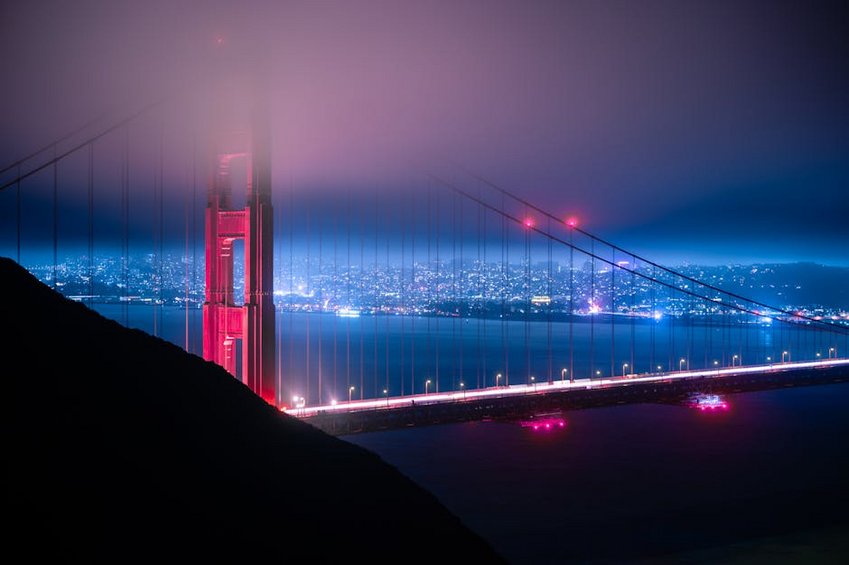
Golden Gate Bridge Tour: San Francisco’s Iconic Experience
Your Golden Gate Bridge tour in San Francisco delivers far more than a simple photo opportunity. It connects you to a marvel of 20th-century engineering set within a dynamic national park environment. This guide provides the essential planning details for walking, biking, and cruising around the bridge, plus local insights for the most rewarding visit. We cover everything from historical context to the best viewing angles and practical logistics. You will learn how to experience this landmark thoroughly while avoiding common tourist pitfalls and crowded times.
Essential Bridge Information
The Golden Gate Bridge opened to the public in May 1937 after four years of challenging construction. Chief engineer Joseph B. Strauss and his team overcame fierce opposition, deep waters, and frequent fog to complete what was then the world’s longest suspension span. The bridge’s distinctive International Orange color was chosen for visibility in San Francisco’s persistent maritime mist. It has since become an unparalleled symbol of American ingenuity and the Pacific Coast.
Spanning 1.7 miles (2.7 km), the bridge connects San Francisco to Marin County across the Golden Gate strait. This strait is the entrance to San Francisco Bay from the Pacific Ocean. The bridge’s towers rise 746 feet (227 meters) above the water, supporting the massive suspension cables. Over 120,000 vehicles cross its six lanes daily, making it a critical transportation link.
The Bridge’s History and Significance
Understanding the context elevates your visit from scenic to meaningful.
- Construction lasted from 1933 to 1937, employing over 10,000 workers during the Great Depression. A revolutionary safety net saved 19 lives, creating the “Halfway to Hell Club” for those who fell into it.
- The Art Deco design elements, from the streetlights to the tower portals, were created by architect Irving Morrow. His wife, Gertrude, is credited with championing the iconic orange hue over the standard gray.
- The bridge was designated a National Historic Landmark in 2024. It is managed by the Golden Gate Bridge, Highway and Transportation District, which oversees all maintenance and toll operations.
- Budget Self-Guided: Walking across is free. Budget $5-10 for bus fare to the bridge and $15-25 for a packed lunch. Total daily cost stays under $40 USD per person. Save by using public transit and bringing your own water and snacks.
- Mid-Range Rental Adventure: Bike rentals cost $40-60 USD for 4-8 hours, including a helmet and lock. Add $20-30 for a guided audio tour app and a meal in Sausalito. This $80-120 range offers excellent flexibility and a classic San Francisco experience.
- Luxury Guided Experience: Book a small-group guided tour for $100-150 USD. This often includes hotel pickup, a knowledgeable guide, bike or walking gear, and ferry tickets back from Sausalito. Some premium packages add Alcatraz tickets or a bay cruise for a comprehensive day.
- Golden Gate Bridge, Highway and Transportation District
- National Park Service – Golden Gate National Recreation Area
Key Facts and Figures
The bridge’s statistics remain awe-inspiring nearly a century after its completion. Each main cable contains 27,572 strands of wire, totaling over 80,000 miles (129,000 km) in length. That is enough wire to circle the equator more than three times. The two towers sway up to 27.7 feet (8.4 meters) laterally, designed to withstand powerful Pacific winds and potential seismic activity.
Fog frequently envelops the structure, a natural phenomenon caused by the temperature difference between the ocean and the inland bay. This fog can reduce visibility to near zero in minutes, especially during summer afternoons. The bridge is painted continuously by a dedicated crew, a task that never truly ends due to the corrosive salt air.
Weather and Viewing Conditions
San Francisco’s microclimates dramatically affect your bridge experience. The western side, facing the Pacific, is often cooler, foggier, and windier. The eastern side, facing the bay and city, typically enjoys more sun and calmer conditions. Summer (June-August) brings the famous fog, often clearing by late afternoon.
For clear views, target the fall months of September and October. Winter offers crisp, clear days between rain showers, with stunning sunset colors. Spring can be variable but features green hillsides. Always dress in layers, regardless of the forecast, as conditions change rapidly on the bridge walkway.
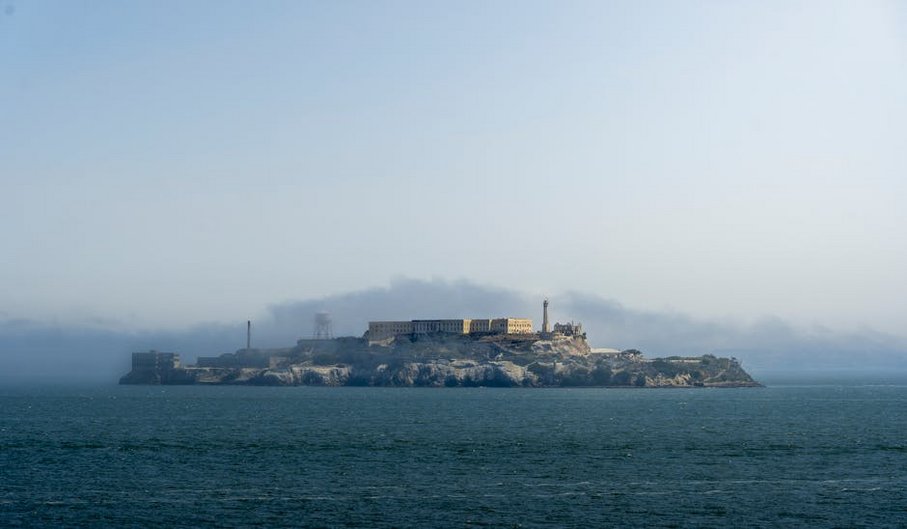
Alt: “golden-gate-bridge-panoramic-view-from-battery-spencer-hill”
Golden Gate Bridge Tour – Planning Your Visit
Planning your Golden Gate Bridge tour requires balancing your interests with practical logistics. Decide whether you prefer a self-guided walk, a guided bike tour, or a viewing experience from the water or surrounding hills. Each option offers a different perspective and physical commitment. Your choice will dictate your starting point, necessary gear, and overall timeline for the day.
Budget accordingly, as costs range from free for a simple walk to over $100 USD for comprehensive guided tours with equipment. Consider purchasing parking in advance if driving to popular vista points like Battery Spencer. Check the official bridge website for real-time pedestrian access, as the west sidewalk closes during high winds for safety.
Best Time for a Golden Gate Bridge Tour
Visit between September and November for the highest probability of clear, sunny skies and comfortable temperatures. Daytime highs range from 65-75°F (18-24°C) with minimal fog intrusion. Crowds from summer vacation have also thinned, making for a more pleasant walk or bike ride. This is the ideal window for photography and enjoying panoramic views from both ends.
Shoulder seasons like late spring (April-May) offer a good compromise with moderate crowds. Winter provides dramatic storm-watching opportunities, but prepare for rain and stronger winds. Summer afternoons are often foggy, but mornings can be clear. Regardless of season, aim to start early to secure parking and beat the midday visitor rush.
Budget Planning and Costs
Your costs vary widely based on the type of tour you select.
Essential Preparation Checklist
Pack smartly for variable conditions on the bridge. Wear sturdy, comfortable walking shoes with good grip. Dress in multiple layers: a moisture-wicking base, an insulating middle layer like a fleece, and a windproof and waterproof outer shell. A hat, sunglasses, and sunscreen are crucial, even on cloudy days, due to UV reflection off the water and fog.
Bring a reusable water bottle, as there are limited refill stations. Have your phone fully charged for navigation and photos. Consider a neck strap or secure pocket for your camera or phone, as winds can be strong. Check the bridge’s official wind advisory page before departing if planning a bike crossing.
Top Tour Experiences and Activities
The classic activity is walking the 1.7-mile (2.7 km) span from San Francisco to Marin County. The east sidewalk is open to pedestrians daily, offering incredible views of the city skyline, Alcatraz, and the bay. The walk takes about 30-45 minutes one-way at a moderate pace. Allow extra time for photos and reading the historical plaques along the way.
Biking across provides a faster, exhilarating alternative with the option to explore further into Marin. Numerous bike rental shops in Fisherman’s Wharf offer maps for the popular route to Sausalito. From there, you can return by bike, or take your bike on the ferry back to San Francisco. This loop is one of the world’s great urban bike rides.
Must-See Highlights and Vistas
On the San Francisco side, the Welcome Center at the southeast end is your starting point. It houses excellent historical exhibits, a gift shop, and the original 12-foot (3.7-meter) steel bridge model. Walk out to the railing near here for a classic upward view of the bridge’s immense towers against the city backdrop.
Crissy Field and the Presidio offer expansive, ground-level views perfect for picnics. Fort Point, located directly under the southern anchorage, is a pre-Civil War brick fort providing a unique, upward-looking perspective. On the Marin side, Battery Spencer and Hawk Hill deliver the iconic postcard panorama of the bridge with the city behind it. These spots are best at sunrise or sunset.
Guided Tours vs. Self-Guided Exploration
Guided tours provide curated historical narratives and logistical ease. Knowledgeable guides share stories about construction feats, suicides, and pop culture appearances you might otherwise miss. They handle bike rentals, ferry tickets, and route planning, allowing you to focus on the experience. This is ideal for first-time visitors with limited time.
Self-guided exploration offers maximum flexibility. You can set your own pace, linger at favorite spots, and deviate from standard paths. Use audio tour apps or printed maps from the visitor center for context. This approach works well for photographers chasing specific light conditions or families with young children who need frequent breaks. It is also more budget-friendly.
Bay Cruises and Water Perspectives
Seeing the bridge from the water fundamentally changes your perception of its scale. Numerous bay cruise operators depart from Fisherman’s Wharf and Pier 39. A one-hour narrated cruise typically costs $35-50 USD per adult. It sails directly under the bridge, offering stunning views of the understructure and the sheer height of the towers.
For a more active water-based view, consider a kayak tour from Sausalito or the Marin Headlands. Paddling in the shadow of the bridge is a memorable adventure for capable kayakers. Sailing charters also offer romantic sunset sails that pass beneath the orange span. These options provide a peaceful alternative to the bustling pedestrian walkway.
Practical Travel and Logistics
Navigating to and around the Golden Gate Bridge is straightforward with multiple transit options. The bridge itself is accessible via car, bus, bike, and foot. Having a plan for parking and understanding the transit system will save you significant time and stress. The areas around the bridge are part of the Golden Gate National Recreation Area, a vast parkland with its own rules and facilities.
Accommodation choices range from hotels with direct bridge views to more affordable options accessible via public transit. Staying in neighborhoods like the Marina, Cow Hollow, or Presidio Heights puts you closer to the bridge pathways. Alternatively, staying near a MUNI or BART line allows for easy, car-free access to the bridge’s visitor plaza.
| Tour Type | Key Features & Experience | Price Range (USD) |
|---|---|---|
| Walking Tour | Self-paced, east sidewalk access, free, historical plaques, 1.7 miles one-way. | $0 (Free) |
| Bike Rental Tour | Rental from Wharf, ride to Sausalito, optional ferry return, flexible timeline. | $40 – $80 |
| Guided Van/Bus Tour | Hotel pickup, guide narration, stops at multiple vista points, 3-4 hours. | $60 – $120 |
| Bay Cruise Tour | One-hour narrated boat trip, sails under bridge, views of skyline and Alcatraz. | $35 – $55 |