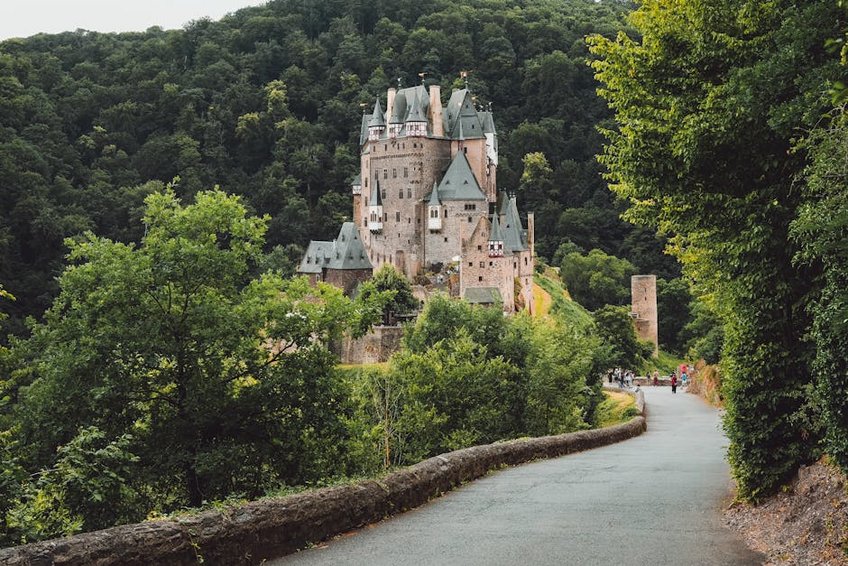
Germany Romantic Road Villages: A Fairytale Journey Through Bavaria
Exploring the Germany Romantic Road Villages immerses you in a 220-mile scenic route winding through Bavaria’s most picturesque medieval towns and storybook landscapes. This iconic German travel experience connects Würzburg to Füssen, passing timber-framed houses, hilltop castles, and vineyard-covered hills that have captivated travelers since the 1950s. Your journey along this historic trade route delivers authentic Bavarian culture, world-renowned architecture, and culinary traditions preserved across centuries.
Romantic Road Germany Essential Information
The Romantic Road Germany represents one of Europe’s most beloved tourist routes, established in 1950 to promote tourism in post-war Bavaria. This carefully curated journey spans approximately 220 miles (350 kilometers) through Germany’s southern state, connecting 29 charming destinations from the Franconian wine region to the Alpine foothills. Travelers experience remarkably preserved medieval architecture, including half-timbered houses from the 14th-16th centuries and fortifications dating back to Roman times.
This Bavarian route follows ancient Roman roads and medieval trade paths that historically connected settlements between the Main and Lech rivers. Significant historical events along the route include the Thirty Years’ War impacts visible in Rothenburg ob der Tauber’s defensive structures and the 19th-century Romantic movement that inspired the route’s name. The villages maintain their historical character through strict preservation laws that protect architectural integrity while accommodating modern tourism.
What You Need to Know Before Visiting
Understanding these key aspects will enhance your Romantic Road experience significantly.
- The route operates year-round with peak visitation between May and September when weather averages 65-75°F (18-24°C) and all attractions remain open with extended hours.
- Budget approximately $100-150 daily per person for mid-range travel covering accommodation, meals, and local transportation, excluding rental car costs or guided tours.
- Most villages maintain compact historic centers easily navigated on foot, though parking restrictions require planning for vehicle access to preserved medieval districts.
- Budget travel at $70-100 daily covers hostel accommodations, supermarket meals, public transportation passes, and free walking tours while prioritizing villages with affordable attractions like Nördlingen’s geological museum.
- Mid-range budgets of $100-180 daily enable comfortable hotels, restaurant meals featuring local specialties, rental car expenses, and paid attractions like Rothenburg’s Medieval Crime Museum and castle admissions.
- Luxury experiences costing $200-350+ daily include historic hotel stays, gourmet dining, private guides, and premium activities such as hot air ballooning over the Altmühl Valley or vineyard wine tastings with local producers.
- Romantic Road Tourism Association
- German National Tourist Board
Route History and Significance
The Romantic Road’s creation responded to post-World War II economic challenges by promoting Bavaria’s cultural treasures to international visitors. Local tourism associations collaboratively developed the route highlighting regions relatively undamaged by bombing, particularly the medieval centers of Rothenburg ob der Tauber and Dinkelsbühl. This initiative successfully revived traditional crafts, hospitality industries, and cultural preservation efforts throughout rural Bavaria.
Today, the route attracts over 2 million annual visitors while maintaining authentic local character through sustainable tourism practices. Village communities actively preserve traditional festivals, culinary specialties, and architectural heritage while accommodating international travelers with modern amenities. The route’s continued popularity demonstrates successful balance between tourism development and cultural conservation.
Geographical Scope and Layout
The Romantic Road traverses diverse landscapes from the vineyard-covered hills of Franconia to the Alpine foothills near Neuschwanstein Castle. Northern sections around Würzburg feature rolling wine country with elevations around 500 feet (150 meters), while southern segments ascend to approximately 2,600 feet (800 meters) near Füssen. This elevation variation creates distinct microclimates affecting seasonal travel conditions and agricultural production.
Route navigation remains straightforward with clear brown-and-white signage marking the entire journey between primary endpoints. The road primarily follows federal highways B25 and B17 with occasional rural roads through agricultural areas and forest reserves. Drivers should anticipate narrow passages through medieval town gates and limited parking availability within historic centers during peak visitation periods.
Alt: “rothenburg-timbered-houses-medieval-street-german-village”
Germany Romantic Road Villages – Planning Your Trip
Your Germany Romantic Road Villages itinerary benefits from strategic planning considering seasonal variations, accommodation availability, and transportation logistics. The complete route requires 4-7 days to experience properly, with overnight stays recommended in 2-3 primary locations to minimize daily driving time. Spring and autumn typically offer ideal conditions with moderate crowds and pleasant temperatures between 55-68°F (13-20°C) for extensive exploration.
Budget-conscious travelers can reduce costs by visiting during shoulder seasons (April or October) when accommodation rates decrease 20-30% and attractions remain less crowded. Essential reservations include hotels in popular villages like Rothenburg ob der Tauber 3-4 months advance for summer visits and timed tickets for Neuschwanstein Castle available online 48 hours before your planned visit. Rental car agencies in Frankfurt or Munich provide the most flexibility for exploring off-route attractions.
Best Time to Visit Romantic Road Germany
Visit between May and September for optimal weather conditions with daytime temperatures averaging 68-75°F (20-24°C) and minimal rainfall impacting outdoor activities. These summer months feature extended daylight until 9:30 PM, numerous local festivals, and all seasonal attractions operating at full capacity. July and August bring the highest visitor numbers, requiring advance bookings for accommodations and popular tours.
Shoulder seasons in April-May and September-October provide excellent alternatives with temperatures ranging 55-65°F (13-18°C) and reduced crowds at major attractions. Winter visits from November through March transform villages into Christmas market destinations with temperatures 30-40°F (-1 to 4°C), though some smaller attractions may operate reduced hours. December remains exceptionally popular for Christmas markets requiring early accommodation reservations.
Budget Planning and Costs
Consider these three budget tiers when planning your Romantic Road adventure.
Essential Preparation Checklist
Pack comfortable walking shoes with good support for cobblestone streets, layered clothing adaptable to changing weather conditions, and rain protection regardless of season. Technology essentials include offline maps since cellular service fluctuates in rural areas, power adapters for German Type F outlets (230V), and portable chargers for extended exploration days. Documentation should include valid passports, international driving permits if renting vehicles, and comprehensive travel insurance covering medical emergencies.
Advance preparations require booking accommodations 2-4 months ahead for peak season, purchasing museum passes online where available, and learning basic German phrases for interactions in smaller villages. Health considerations include carrying any prescription medications with documentation and understanding emergency services access (112 throughout Germany). Currency needs involve having some euros for small purchases in villages where credit card acceptance remains limited.
Top Attractions and Romantic Road Highlights
The Romantic Road’s premier attractions span medieval architecture, royal castles, and breathtaking natural landscapes accessible through well-maintained tourist infrastructure. Rothenburg ob der Tauber represents the route’s most photographed destination with its completely preserved medieval walls and picturesque Plönlein intersection. Further south, Harburg Castle stands as one of Germany’s best-preserved medieval fortresses with guided tours revealing 900 years of architectural evolution.
Neuschwanstein Castle near Füssen serves as the route’s dramatic finale, receiving over 1.5 million annual visitors despite its 19th-century construction compared to authentic medieval sites. Lesser-known gems include Dinkelsbühl’s completely intact medieval fortifications and Augsburg’s Renaissance-era Fuggerei social housing complex. Natural attractions like the Altmühl Valley Nature Park provide opportunities for cycling, hiking, and water activities amid stunning limestone formations.
Must-See Highlights and Iconic Stops
Rothenburg ob der Tauber demands at least one overnight stay to experience the Night Watchman’s Tour and capture the illuminated medieval architecture without daytime crowds. The town’s Criminal Museum presents Europe’s largest collection of medieval legal instruments within an authentic torture chamber setting. St. Jakob’s Church houses Tilman Riemenschneider’s famous Holy Blood Altar carved between 1499-1505.
Nördlingen offers a unique geological experience within a meteorite crater 15 million years old, visible from the church tower climb providing panoramic views. The town’s completely intact circular wall allows a 2.7-kilometer walk around the historic center. Augsburg’s Renaissance architecture includes the Golden Hall and Fuggerei settlement, established in 1516 as the world’s oldest social housing complex still in use.
Wieskirche near Steingaden represents a UNESCO World Heritage site with breathtaking rococo architecture that appears modest externally but reveals extraordinary interior decoration. Neuschwanstein Castle requires advance ticket reservations for guided tours showcasing Ludwig II’s dramatic vision, while nearby Hohenschwangau Castle presents the king’s childhood home with equally impressive interior spaces.
Hidden Gems and Local Favorites
Creglingen’s Herrgottskirche houses another magnificent Riemenschneider altarpiece in a relatively undiscovered village setting with limited tourist crowds. The nearby Fingerhut Museum presents fascinating thimble collections within a traditional half-timbered building. Feuchtwangen’s medieval center features a perfectly preserved market square with summer theater performances in the Romanesque cloister.
Schillingsfürst offers spectacular falconry demonstrations at its hilltop castle from April through October, providing unique entertainment beyond standard castle tours. Local wineries around Würzburg welcome visitors for tastings of Franconian wines in traditional Bocksbeutel bottles, with smaller family operations providing more intimate experiences than commercial vineyards. These lesser-visited locations deliver authentic encounters without the congestion of primary tourist stops.
Castle Tours and Historical Sites
Castle enthusiasts should prioritize Harburg Castle for its authentic medieval structure relatively unchanged since the 12th century, with guided tours available in English during summer months. The castle’s position above the Wörnitz River provides strategic defensive advantages visible throughout the architecture. Rothenburg’s Imperial City Museum occupies a former Dominican convent displaying artifacts from the town’s peak as a Free Imperial City.
Nördlingen’s St. Georg’s Church tower climb rewards visitors with unparalleled views of the Ries Meteorite Crater and the town’s circular layout. Dinkelsbühl’s historical armor collection at the House of History presents military artifacts within a perfectly preserved medieval building. These sites offer deeper historical context beyond the route’s more commercialized attractions, often with fewer visitors and more personalized tour experiences.
Practical Travel Information and Logistics
Transportation options along the Romantic Road include rental cars providing maximum flexibility, scheduled bus services connecting major stops, and train combinations for specific segments. The Romantic Road Coach operates seasonal scheduled service between Frankfurt and Munich with hop-on/hop-off flexibility, though advance reservations remain essential during peak months. Rental cars enable detours to nearby attractions like the Franconian Lake District or additional castle visits beyond the primary route.
Accommodation ranges from historic hotels within medieval buildings to modern chain properties in larger towns, with pricing varying significantly by season and location. Village centers offer the most atmospheric stays but require accepting limited parking and potential noise from tourist activities. Larger towns like Augsburg and Würzburg provide more accommodation options with better accessibility but less medieval character than smaller villages.
| Accommodation Type | Features and Considerations | Price Range (USD) |
|---|---|---|
| Historic Hotels | Authentic medieval buildings, central locations, character rooms, potential noise | $120-250/night |
| Guesthouses/Pensions | Family-operated, breakfast included, personal service, limited amenities | $80-150/night |
| Vacation Apartments | Self-catering facilities, multiple bedrooms, weekly rates, minimum stays | $100-200/night |
| Chain Hotels | Standardized amenities, reliable quality, peripheral locations, parking available | $90-180/night |