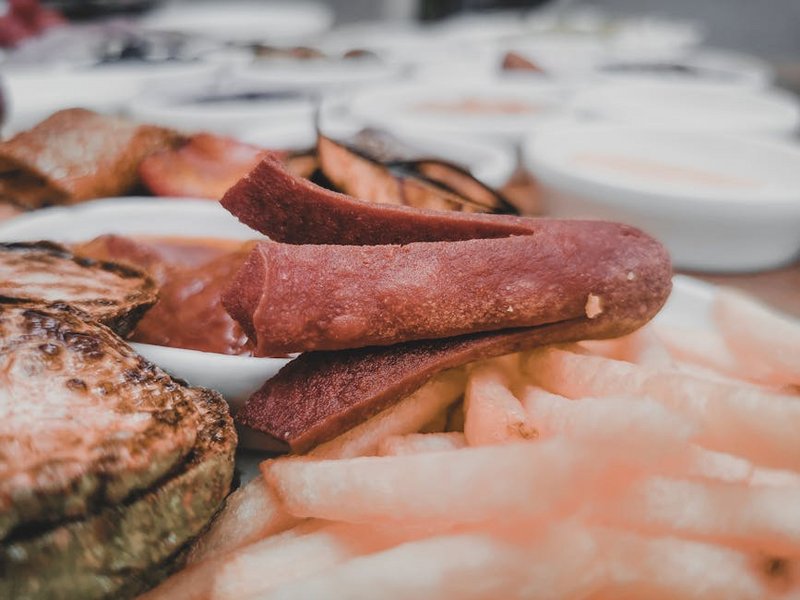
Gastronomy Tour in Gaziantep: Explore Turkey’s UNESCO Food Capital
Embarking on a gastronomy tour in Gaziantep offers a deep dive into the ancient culinary traditions of one of the world’s oldest continuously inhabited cities. This southeastern Turkish metropolis, recognized by UNESCO for its food culture, presents a vibrant mosaic of flavors shaped by millennia along the Silk Road. Your journey through its bustling bazaars and authentic kitchens uncovers the meticulous craft behind iconic dishes and desserts revered for generations.
Discovering Gaziantep’s Culinary Soul
Gaziantep’s identity is inseparable from its cuisine, a rich legacy from its historical position on ancient trade routes. The city’s food reflects influences from Anatolia, Mesopotamia, and the Levant, creating a distinct profile noted for its generous use of spices like isot pepper, fragrant herbs, and premium pistachios. This is not merely eating; it’s experiencing a living culinary heritage where recipes are cherished family secrets and cooking methods date back centuries.
Understanding this food culture requires appreciating its connection to local life. Meals are social cornerstones, and markets like the centuries-old Zincirli Bedesten are community hubs. Artisans here practice trades passed down through families, from copper pot making to delicate pastry work for baklava. Each bite tells a story of geography, history, and community resilience.
The Foundations of Antep Cuisine
Several key elements define the unique character of Gaziantep’s food scene. These foundational components create the complex and satisfying flavors that make the city a top culinary destination.
- Isot Pepper: This sun-dried, smoky red pepper, specific to the region, forms the base flavor for many kebabs, stews, and breakfast spreads, offering deep warmth without overwhelming heat.
- Antep Pistachios (Fıstık): Renowned globally for their quality, these green pistachios are used far beyond baklava, enriching meat dishes, rice pilafs, and even savory stuffings for vegetables.
- Slow-Cooked Meat Dishes: Techniques like “tandır” (clay oven) cooking and long braising transform local lamb and beef into meltingly tender specialties such as beyran and ali nazik.
- Budget-Friendly ($25-40/day): Focus on street food and local lokantas. Enjoy a lavish kebap plate for $5-7, a filling lahmacun for under $2, and baklava by the piece. Self-guided market exploration keeps tour costs at zero. This level offers incredibly authentic flavors at cantina prices.
- Mid-Range ($60-100/day): This budget allows for a half-day guided food tour ($40-60) for expert insights, plus sit-down meals at well-known establishments. You can enjoy multi-course restaurant meals and visit upscale pastry shops like İmam Çağdaş. It balances guided learning with independent tasting.
- Luxury Experience ($150+/day): Includes private, full-day culinary tours with translators, hands-on cooking classes with master chefs, and reserved tastings at exclusive producers. Dine at modern fusion restaurants reinterpreting classics and arrange private market tours with a chef. This tier offers deep, personalized access to the culinary scene.
- UNESCO Creative Cities Network
- Gaziantep Metropolitan Municipality
Historical Context and UNESCO Recognition
Gaziantep earned its UNESCO “Creative City of Gastronomy” designation in 2015, a testament to its preserved culinary heritage. The city’s strategic location made it a crucial crossroads, integrating ingredients and techniques from across empires. This history is palpable in the old city’s architecture and the endurance of traditional “lokanta” restaurants.
This recognition helps safeguard artisanal practices and supports local producers. It ensures that the knowledge of making copper sahan pans or hand-rolling wafer-thin yufka dough continues. Visiting today means witnessing this living tradition actively celebrated, not just displayed in museums.
Navigating the Culinary Geography
The culinary experience varies between the historic city center and modern districts. The old town, centered around the castle and bazaars, hosts family-run eateries and workshops specializing in specific dishes. Here, you’ll find masters who have spent decades perfecting a single recipe.
Newer neighborhoods offer modern interpretations and upscale dining venues that reimagine traditional flavors. For the most authentic experience, your exploration should prioritize the labyrinthine streets of the historic core, where the scent of spices and charcoal grills fills the air.
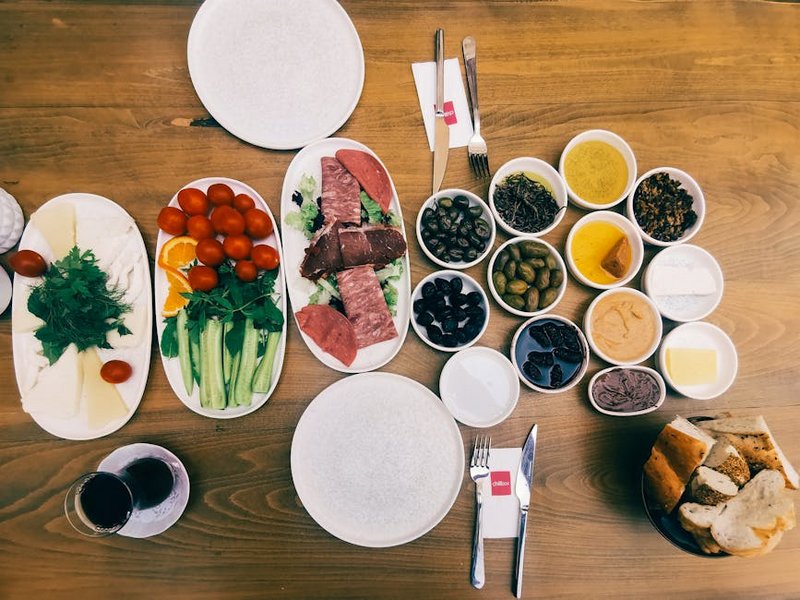
Alt: “gaziantep-historic-bazaar-spices-copper-pots-culinary-workshop”
Gastronomy Tour in Gaziantep – Planning Your Culinary Journey
Organizing a successful food-focused trip to Gaziantep requires thoughtful timing and a flexible appetite. The city is a year-round destination, but seasonal shifts affect both produce availability and the comfort of exploring markets. Your itinerary should balance structured tastings with ample time for spontaneous discoveries in its countless food shops.
Budgeting for this culinary adventure is surprisingly versatile. While luxury food tours and high-end restaurants exist, the soul of Antep cuisine is found in affordable, bustling eateries. Allocate funds for market purchases, as you’ll want to bring spices and sweets home. Comfortable walking shoes are non-negotiable, as the best discoveries are made on foot in the pedestrian-friendly old town.
Best Time to Visit Gaziantep for Food Lovers
Visit between April and June or September to November for ideal culinary touring conditions. During these shoulder seasons, daytime temperatures range from a pleasant 65-80°F (18-27°C), perfect for walking between restaurants and markets. The famous pistachio harvest concludes in late summer, meaning fresh nuts feature prominently in autumn dishes.
Summer (July-August) can be intensely hot, often exceeding 95°F (35°C), which may limit daytime exploration. Winter is cooler, 40-50°F (4-10°C), but offers cozy delights like long-simmered stews and soups. The annual Gastronomy Festival typically occurs in October, showcasing special events and competitions.
Budget Planning and Costs
Your daily food budget can vary significantly based on dining choices. Here’s a realistic breakdown for meals and experiences, excluding accommodation and flights.
Essential Preparation Checklist
Pack loose, comfortable clothing suitable for conservative cultural norms and extensive walking. Bring a reusable water bottle, a notebook for recipes, and a camera. Most importantly, pack an empty suitcase or foldable bag for the spices, pistachios, and copperware you’ll inevitably purchase in the markets.
Secure travel insurance that covers minor medical issues. While not mandatory for many nationals, check Turkey’s e-Visa requirements online before travel. Book accommodations in the Şahinbey district for walkable access to major food sites. Inform tour guides of any dietary restrictions, especially regarding lamb or nuts, in advance.
Top Gastronomic Attractions and Tasting Experiences
Gaziantep’s culinary landscape is vast, blending iconic must-try dishes with hidden culinary workshops. A fulfilling tour moves beyond tasting to understanding the process, from selecting peppers at the market to watching baklava syrup being carefully poured. Allocate time to simply wander; some of the best finds are unplanned conversations with a simit vendor or a stop at a tucked-away ceramic shop.
Each neighborhood offers a different specialty. The area around the castle is famous for its beyran joints, while the pastry shops cluster in the commercial center. Venture into the side streets off the main bazaar to find artisans producing tarhana (dried soup mix) or pressing sesame into tahini the traditional way.
Must-See Highlights and Iconic Bites
Begin at the Gaziantep Zeugma Mosaic Museum to appreciate the region’s ancient history, then dive into eating. Your first stop must be for beyran, a rich, pepper-infused lamb and rice soup eaten as a hearty breakfast. For lunch, seek out a local establishment for ali nazik, smoky eggplant purée topped with tender grilled meat.
No visit is complete without tasting baklava at institutions like Güllüoğlu or Köşkeroğlu. Observe the precise layering of dough and nuts in their viewing areas. In the evening, join locals at a bustling kebab house for succulent şiş or kuşbaşı kebabs, grilled over charcoal and served with fresh lavash and grilled vegetables.
Hidden Gems and Local Favorites
For a unique experience, visit the Tahmis Coffee House, operating since 1635, to try menengiç coffee, made from wild pistachio resin. Explore the small workshops in the Bakırcılar Çarşısı (Coppersmiths Bazaar) where craftsmen hammer pots used in local cooking—a perfect souvenir. These spots offer atmosphere and authenticity away from the main tourist trails.
Ask a local to direct you to a favorite “katmer” spot for this flaky, pistachio-filled pastry, typically enjoyed at breakfast. Also, sample şıllık, a less-sweet dessert of rolled dough with walnuts and syrup, often found in smaller, family-run shops. These lesser-known items provide a more nuanced taste of daily life.
Market Exploration and Ingredient Sourcing
The Zincirli Bedesten and surrounding streets form the vibrant heart of the city’s food trade. This isn’t just a shopping trip; it’s a sensory immersion. Vendors proudly display pyramids of spices, dried vegetables, and hanging strings of pastırma (cured beef). Don’t be shy to ask for a taste of dried apricots or a sniff of freshly ground isot.
Engage with sellers to learn about their products. Many will explain the differences between pepper varieties or demonstrate how to test pistachio quality. Purchasing ingredients here supports local agriculture and gives you the authentic components to recreate dishes at home. Remember to bargain politely for larger purchases.
Practical Travel and Logistics for Gaziantep
Gaziantep is well-connected and tourist-friendly, with infrastructure supporting independent travel. Gaziantep Oğuzeli International Airport (GZT) receives direct flights from Istanbul and several European cities. The city center is approximately a 20-minute, $15-20 taxi ride from the airport. An efficient bus and tram network connects key districts, but the historic center is best explored on foot.
Accommodation ranges from charming boutique hotels in restored Ottoman houses to international chain hotels. Staying near the Kale (castle) or Şahinbey areas places you within walking distance of major restaurants and bazaars. English is not widely spoken outside hotels and tour companies, so learning a few Turkish phrases or using a translation app is highly beneficial.
| Accommodation Type | Best For & Features | Price Range (USD/Night) |
|---|---|---|
| Boutique Hotel (Ottoman House) | Authentic atmosphere, historic charm, central old town location, personalized service. | $70 – $120 |
| Modern City Hotel (4-Star) | Modern amenities, fitness center, multiple dining options, near newer restaurants. | $50 – $90 |
| Mid-Range Business Hotel | Reliable comfort, good transport links, breakfast included, practical for touring. | $35 – $65 |
| Budget Guesthouse/Pension | Backpackers and solo travelers, basic clean rooms, often family-run, great local tips. | $15 – $30 |