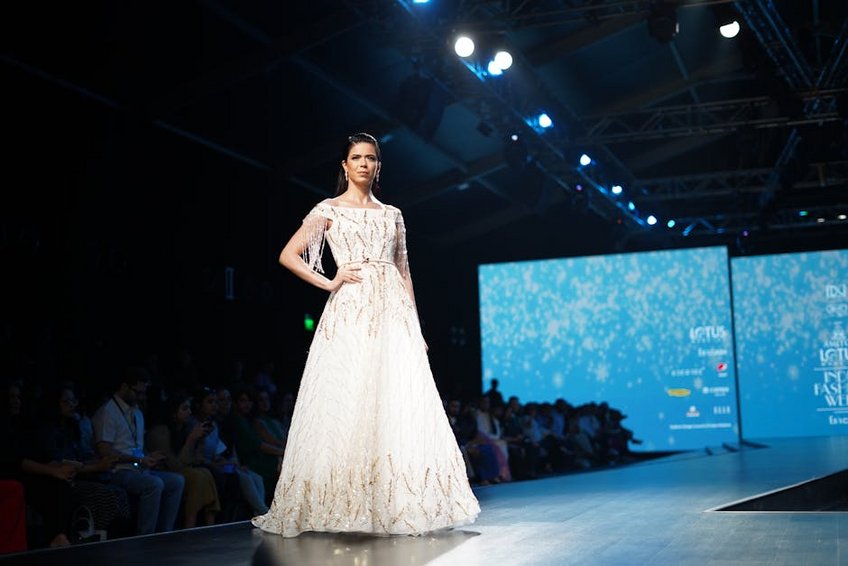
France Paris Fashion Week Spring Style Guide and Insider Tips
Navigating the whirlwind of Paris Fashion Week in the spring requires more than just an invitation; it demands strategic planning and local insight. This season blends the crisp energy of March and April with the world’s most influential runway shows and exclusive industry events across the French capital. Your trip hinges on securing key show access, mastering the arrondissement geography, and packing for unpredictable weather that can shift from sunny 55°F (13°C) to rainy 45°F (7°C) in a single day. This guide details the practical logistics, from obtaining credentials to decoding the street style scene, ensuring you experience the event’s creative pulse without the common tourist pitfalls.
Essential Paris Fashion Week Information
The official spring edition, often called the “Spring/Summer” or “SS” season, typically runs in late February through early March. It previews collections for the following spring and summer, setting global trends directly from runways in the Tuileries Garden, Grand Palais Éphémère, and various historic hôtels particuliers. The schedule is divided between the official Chambre Syndicale calendar for established houses and off-calendar shows for emerging designers, creating a citywide festival of fashion.
Attendance operates on a strict tiered system. Industry professionals with accreditation get primary access to main venues, while invitations from brands or PR agencies are essential for most shows. For the public, certain presentations are open, and the energy spills onto the streets, making neighborhoods like Le Marais and Saint-Germain-des-Prés prime viewing spots for celebrity arrivals and trendsetting attendees.
Key Dates and Seasonal Context
The spring events capitalize on Paris shaking off winter. Days grow longer, allowing for later evening events, but the climate remains capricious. The timing avoids major French holidays, ensuring full participation from buyers, editors, and influencers. This period is critical for retailers finalizing orders, making it the business-centric counterpart to the more publicly visible fall Fashion Week in September.
Understanding the Fashion Week Structure
Knowing the layout prevents missed opportunities. The main action concentrates in the 1st, 8th, and 16th arrondissements. Haute couture shows typically precede the ready-to-wear events. Simultaneously, trade shows like Tranoi and showrooms operate, where buyers place orders. Your daily strategy should map shows, presentation locations, and transportation routes between them, as delays are inevitable.
- Official Calendar Shows: Held by top brands like Chanel, Dior, and Louis Vuitton at iconic locations; access is by strict invitation only from the brand’s press office.
- Off-Schedule Presentations: Feature avant-garde and rising designers; these are often more accessible via RSVP through the designer’s website or partnering platforms.
- Showrooms and Trade Events: Where the business happens; professionals with buyer or press credentials can attend to view and order collections up close.
- Observer Tier ($1,800-$3,500): Focus on street style and public events. Includes budget flights, a hostel or budget hotel in the 11th arrondissement, metro passes, and dining at bistros. Allocate funds for a ticket to a fashion museum or a department store personal shopping session.
- Industry Insider Tier ($4,000-$8,000): For those with some show access. Covers mid-range business hotels in the 2nd or 9th arrondissements, last-minute flight options, taxi/Uber Black budgets for swift venue changes, and business dining. This tier requires a budget for professional attire and potential last-minute invite purchases through concierge services.
- Luxury & VIP Tier ($10,000+): For full show access and premium comfort. Encompasses first-class flights, 5-star suites at The Ritz Paris or Hôtel de Crillon, private car service, exclusive dining at Michelin-starred restaurants like L’Ambroisie, and VIP entry to after-parties. Often includes a personal shopper or stylist for the week.
- Fédération de la Haute Couture et de la Mode (FHCM)
- Vogue Runway
The Role of Street Style and Influencers
Outside the venues, the sidewalks become a secondary runway. Photographers cluster at key points, making areas like the Palais Royal gardens and Rue Saint-Honoré as influential as the shows themselves. This ecosystem fuels fashion media and social trends, where a standout outfit can capture global attention. It’s a curated performance of personal branding and immediate trend dissemination.

Alt: “paris-fashion-week-spring-outside-venuestreet-style”
France Paris Fashion Week Spring – Planning Your Trip
Executing a successful visit to the spring collections demands booking six to eight months in advance. Flights and hotels surge in price as the dates approach, with premium accommodations near the Carrousel du Louvre or Place Vendôme selling out first. Your budget must account for last-minute changes, as show times are notoriously fluid and invitations can arrive days before the event. Prioritize securing a central location over a larger room, as you’ll spend minimal time in your hotel.
Networking is the unofficial currency. Connections can provide show invites, entry to exclusive after-parties, and valuable industry insights. Engage with showroom PR teams early and be prepared with your professional credentials. For those without direct industry ties, focusing on the accessible peripheral events—fashion exhibitions, store openings, and public installations—offers a rich and engaging alternative experience of the week.
Best Time to Visit Paris for Fashion Week
The optimal window is the precise week of the shows, usually in late February or early March. During this period, average temperatures range from 45°F to 55°F (7°C to 13°C), requiring layered outfits that can handle rain. The city is buzzing with creative energy, but also at its most crowded and expensive. Hotels near the 1st arrondissement see rates double, and restaurants require reservations weeks ahead.
Consider arriving two days before the official start to acclimate and collect any will-call invitations. The days immediately after Fashion Week also provide value, as the city relaxes, and you can explore museum exhibitions inspired by the collections at a more leisurely pace, with hotel prices dropping significantly.
Budget Planning and Costs
A trip to PFW is an investment. Costs vary dramatically based on your access level and accommodation choices.
Essential Preparation Checklist
Your packing strategy is critical. Essentials include a versatile, all-weather coat, comfortable yet stylish walking shoes (think designer sneakers or low-block heels), a portable phone charger, and a compact umbrella. Outfit changes may be necessary, so plan cohesive layers. All-black outfits remain an industry staple for easy mixing and matching while projecting a professional image.
Documentation extends beyond your passport. Have digital and physical copies of any invitations, accreditation, and business cards. Download essential apps: the official Paris Fashion Week app for schedules, Citymapper for real-time transit, and TheFashionCard for last-minute event RSVPs. Ensure your mobile plan includes ample EU data for constant social media updates and location searching.
Top Attractions and Fashion Week Activities
Beyond the runways, Paris offers fashion-centric cultural experiences that deepen your understanding of the industry. The Musée des Arts Décoratifs hosts brilliant fashion history exhibitions, while the Palais Galliera, the city’s fashion museum, presents must-see retrospectives. Luxury department stores like Galeries Lafayette and Le Bon Marché create spectacular window displays and in-store events timed with the shows, often featuring live designer appearances.
Neighborhood exploration is key. The Triangle d’Or (Golden Triangle) bordered by Avenue Montaigne, Avenue George V, and Rue François 1er is the epicenter of haute couture flagship stores. For emerging trends, explore the concept stores in Le Marais, such as Merci or The Broken Arm. Each area offers a distinct aesthetic and shopping experience that reflects different facets of the Parisian fashion ecosystem.
Must-See Highlights
The Carrousel du Louvre remains the most iconic venue, hosting major houses in its underground halls. Even without a ticket, observing the media frenzy and celebrity arrivals at its entrance is a spectacle. The Grand Palais Éphémère on the Champ de Mars, built to temporarily replace the historic Grand Palais, is another architectural marvel hosting large-scale productions.
For a tactile experience, visit the Première Vision fabric fair if your dates overlap. It’s where designers source materials for future collections. Similarly, the historic Hôtel de Ville often houses public-facing fashion installations or photo exhibitions curated by Vogue or other major publications, offering free access to stunning visual content.
Hidden Gems and Local Favorites
Escape the crowds at Musée Yves Saint Laurent Paris, located in the designer’s former haute couture house. It provides an intimate look at his process. For a break, the Café de Flore or Les Deux Magots in Saint-Germain remain legendary spots where fashion editors historically debrief; you might overhear industry conversations.
Discover unique vintage pieces at boutiques like Didier Ludot in the Palais Royal arcades or Kiliwatch near Étienne Marcel. In the evening, seek out apéritif bars favored by local creatives, such as Little Red Door in the 3rd arrondissement, for a more authentic Parisian vibe away from the corporate after-parties.
Networking and Industry Events
Success often depends on who you meet. Many meaningful connections happen at smaller, curated events rather than the massive after-parties. Look for panel discussions at the Institut Français de la Mode or book signings at concept bookstores like OFR System. Bringing a concise portfolio or lookbook on your tablet can be invaluable if you’re a designer or photographer seeking opportunities.
Practical Travel Information
Navigating Paris during this hectic week requires a smart logistical approach. The city’s metro system is efficient, but during show times, taxis or Uber are necessary for punctuality between distant venues. Consider renting a Velib’ bike for short trips in central areas when traffic is gridlocked. Accommodation should be your top booking priority, as affordable options vanish quickly.
Staying connected is non-negotiable. Purchase a local SIM card or ensure your international plan has high-speed data for uploading content, using translation apps, and navigating. Most show venues and cafes offer Wi-Fi, but it’s often overloaded. Having a reliable mobile data connection ensures you can access digital invitations and last-minute schedule changes instantly.
| Accommodation Type | Best Locations & Features | Price Range/Night (USD) |
|---|---|---|
| Luxury Hotels | 1st/8th Arr. (Ritz, Crillon); concierge can secure invites, prime location for shows. | $900 – $2,500+ |
| Boutique Hotels | Le Marais, Saint-Germain; stylish decor, quieter than main hubs, good for off-schedule shows. | $400 – $900 |
| Rental Apartments | 2nd, 9th, 10th Arr.; more space, kitchen for quick meals, requires longer stay. | $250 – $600 |
| Budget-Friendly Options | 11th, 12th, 18th Arr.; hostels or basic hotels, 20-min metro to venues. | $100 – $250 |