France Loire Valley Castle Tour: History and Gardens
Exploring the Loire Valley on a dedicated castle tour immerses you in the Renaissance heart of France. You will wander through opulent royal bedrooms, stroll geometric gardens, and hear tales of court intrigue that shaped European history. This guide provides the essential planning details, from selecting the best châteaux to understanding the architectural evolution, ensuring your trip is both enriching and efficient.
Essential Valley Information
The Loire Valley, a UNESCO World Heritage site, spans 280 kilometers southwest of Paris. Often called the “Garden of France,” its cultural landscape was shaped by French royalty and nobility from the 15th to 18th centuries. This period of construction created a unique concentration of over 300 châteaux, each reflecting the era’s artistic and political ambitions.
These estates are not just fortresses but symbols of a shift from medieval defense to Renaissance artistry. Kings like François I imported Italian artisans, leading to a fusion of architectural styles. The region’s mild climate and fertile land along the Loire River made it an ideal location for both grand palaces and productive vineyards, which you can still enjoy today.
Architectural Styles and Eras
Understanding the architectural timeline helps you appreciate each castle’s context. The designs evolved dramatically over three centuries.
- Late Gothic (15th Century): Characterized by defensive features like moats, drawbridges, and keep towers. The Château de Langeais is a prime example, with its imposing façade and working portcullis showcasing medieval military design.
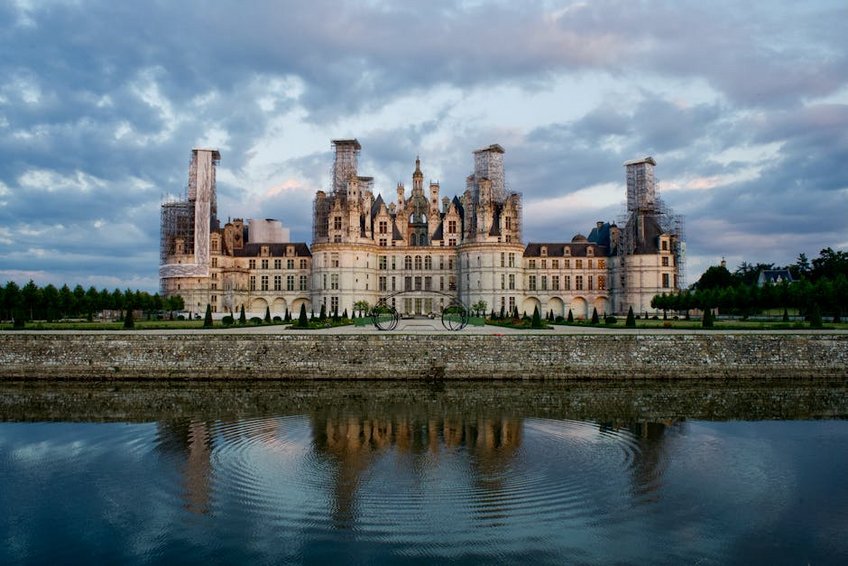
- French Renaissance (16th Century): Marked by Italian influence, featuring symmetrical façades, ornate dormer windows, and elaborate rooftop chimneys. Château de Chambord’s famous double-helix staircase, possibly designed by Leonardo da Vinci, epitomizes this era’s innovation.
- Classical (17th-18th Centuries): Introducing more refined elegance, formal French gardens, and greater residential comfort. The Château de Cheverny represents this period with its pristine white stone and immaculately preserved interiors.
- Budget Traveler ($80-120/day): Stay in hostels or budget B&Bs ($50-70), use regional trains or buses, visit 1-2 châteaux with pre-booked tickets ($15-25 each), and enjoy picnics with local market fare. Focus on smaller castles or garden-only tickets to save.
- Mid-Range Traveler ($150-250/day): Comfortable hotel or boutique B&B ($100-150), rental car ($40-60/day), entry to 2-3 major châteaux ($40-60), and meals at casual bistros. This allows for a well-rounded experience with good flexibility.
- Luxury Traveler ($350+/day): Stay in a historic manor or castle hotel ($250+), private guided tours of estates ($150+ per tour), gourmet dining at Michelin-starred restaurants, and perhaps a hot-air balloon ride over the valley. This offers exclusive access and deep historical immersion.
- Loire Valley World Heritage
- France.fr Official Tourism
UNESCO Recognition and Significance
UNESCO inscribed the “Loire Valley between Sully-sur-Loire and Chalonnes” in 2000. This designation honors not just the individual monuments but the entire cultural landscape shaped by human interaction with the river over two millennia. The classification protects the historic towns, vineyards, farmlands, and the river itself, ensuring a holistic preservation approach.
This status means your visit supports conservation efforts across 800 square kilometers. You will notice guidelines that manage tourist flow and protect vistas. Consequently, the region maintains an authentic atmosphere where history feels integrated into the living environment, not isolated in museum-like settings.
Key Historical Figures
The valley’s story is told through the monarchs and nobles who built its palaces. François I was the most influential patron, commissioning Chambord and hosting Leonardo da Vinci at Clos Lucé. Catherine de’ Medici and Diane de Poitiers famously rivaled over the Chenonceau estate, each leaving their mark on its design and gardens.
Later, the Sun King, Louis XIV, visited but focused his building at Versailles, shifting the political center away from the Loire. This transition preserved many châteaux in a sort of Renaissance time capsule, as they were no longer modernized for court life, allowing their original features to survive.
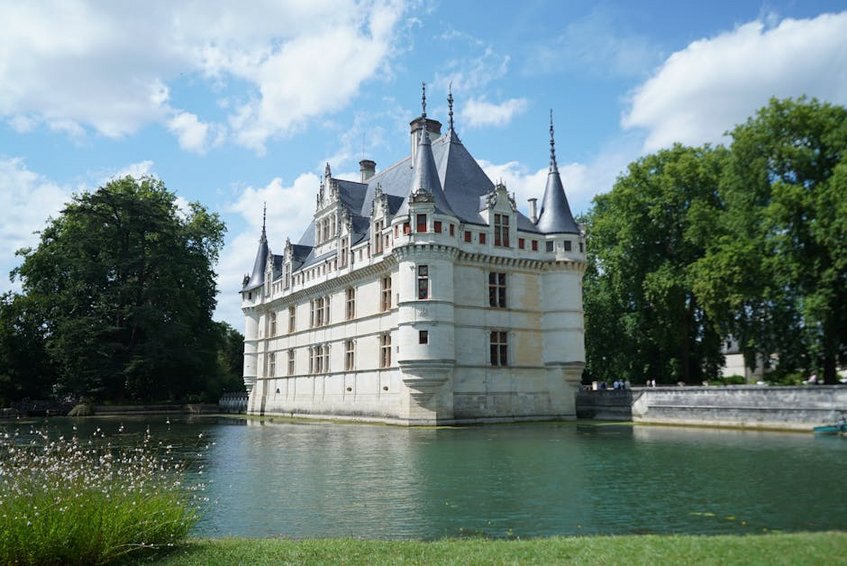
Alt: “chateau-de-chambord-renaissance-architecture-loire-river-view”
France Loire Valley Castle Tour – Planning Your Trip
Organizing a successful France Loire Valley castle tour requires strategic choices about timing, itinerary, and tickets. The valley is large, and trying to see everything leads to fatigue. Instead, focus on a curated selection that represents different eras and styles, balancing major icons with intimate gems. Aim for a pace of two or three châteaux per day to allow for proper exploration and travel time between sites.
Base yourself in a central town like Amboise, Blois, or Tours for easier logistics. These hubs offer a range of accommodations and dining, and they are well-connected by road and rail. Purchasing a combination pass, like the “Châteaux Pass” from the local tourism office, can provide discounted entry to multiple sites. Always check official websites for seasonal opening hours, as many close earlier in the winter months.
Your planning should account for more than just castle interiors. Factor in time for gardens, which are integral to the experience, and for casual strolls in the associated villages. Renting a car provides the ultimate flexibility, but organized coach tours from Paris or local guided cycles offer excellent structured itineraries if you prefer not to drive.
Best Time to Visit the Loire Valley
Visit between late April and June, or September and early October, for the ideal balance of weather, crowds, and scenery. During these shoulder seasons, daytime temperatures range from a pleasant 60-75°F (15-24°C), gardens are in bloom or showcasing autumn colors, and tourist numbers are manageable. You can explore comfortably without the intense heat or queues of peak summer.
July and August bring warmer weather, 70-85°F (21-29°C), but also European school holidays and significant crowds. Many châteaux host spectacular sound-and-light shows in summer evenings, however. Winter, from November to March, is quiet and atmospheric, with temperatures of 35-50°F (2-10°C), but some smaller châteaux have limited opening days or hours.
Budget Planning and Costs
Costs vary based on travel style, but a daily budget covering moderate expenses is achievable.
Essential Preparation Checklist
Pack comfortable walking shoes with good support for stone floors and gravel garden paths, along with layered clothing for variable indoor and outdoor temperatures. Bring a power adapter (France uses Type E plugs, 230V), a detailed road map or offline GPS, and a reusable water bottle. A small umbrella or light rain jacket is also wise for the region’s changeable weather.
Ensure your passport is valid for at least three months beyond your planned departure from the Schengen Area. U.S. and EU passport holders do not need a visa for stays under 90 days. Book accommodations and car rentals at least three months in advance for peak season travel. Consider travel insurance that covers trip interruption and medical care within the EU.
Top Châteaux and Experiences
The valley’s crown jewels offer distinct experiences, from royal grandeur to intimate charm. Prioritizing based on your interests is key. For sheer scale and architectural wonder, Chambord is unmatched. For romantic elegance and history, Chenonceau is essential. To understand the transition from fortress to palace, visit both Amboise and its neighboring Clos Lucé, Leonardo da Vinci’s final home.
Beyond the famous names, seek out estates with exceptional gardens like Villandry or those with fascinating stories, such as the haunted Château de Brissac. Many properties offer special events, including seasonal garden festivals, historical reenactments, and nocturnal illuminations that transform the sites after dark. These activities can define your visit as much as the daytime tours.
Must-See Highlights
Château de Chambord is the largest and most iconic, famous for its distinctive French Renaissance silhouette, double helix staircase, and vast rooftop terrace. Allocate at least three hours to explore its 440 rooms and surrounding park. Château de Chenonceau, the “Ladies’ Castle,” arches gracefully over the River Cher, with exquisite gardens and galleries built across the water.
Château de Cheverny is renowned for its perfectly preserved, lavishly furnished interiors and its pack of hunting hounds. It’s also the inspiration for Hergé’s Marlinspike Hall in the Tintin comics. Château de Villandry is a must for garden enthusiasts, featuring six stunning Renaissance gardens, including a decorative kitchen garden and ornamental flower beds arranged like living tapestries.
Hidden Gems and Local Favorites
For a quieter, more residential feel, visit Château de Chaumont-sur-Loire. It combines a historic fortress with spectacular contemporary garden installations from its annual International Garden Festival. The stables are also a museum of equestrian arts. Château de Valençay offers a unique blend of Renaissance and Classical architecture, with a beautiful park and a famed dairy farm.
The Château de Saumur, overlooking the town and river, presents a classic medieval fortress profile and houses excellent museums of decorative arts and equestrian history. These lesser-visited sites often have shorter lines, more engaged staff, and a pace that allows for deeper appreciation of their details and stories.
Wine Tasting and Culinary Visits
The Loire Valley is one of France’s premier wine regions. Incorporate visits to vineyard estates, particularly around Vouvray, Sancerre, and Chinon. Many offer tastings of their crisp whites, elegant rosés, and light reds. Some châteaux, like Château de Chenonceau, have their own wine caves where you can sample wines paired with local cheeses.
Combine a castle visit with a lunch reservation at a nearby ferme-auberge (farm inn) for an authentic taste of local produce like rillettes, goat cheese (crottin de Chavignol), and tarte tatin. This approach breaks up your day with a delicious cultural immersion that complements the historical sightseeing.
Practical Travel Logistics
Navigating the Loire Valley is straightforward with a car, but other options exist. The main gateway cities are Tours and Blois, both served by high-speed TGV trains from Paris (about 1.5 hours). Renting a car at the train station provides the most freedom to visit remote châteaux and stop at scenic viewpoints along the river.
For those not driving, regional TER trains connect major towns like Amboise, Blois, and Tours to each other, but service to specific castles is limited. Local bus tours, bike rentals along the “Loire à Vélo” cycle route, or organized minivan excursions from your hotel are excellent alternatives. Booking accommodation with parking is advisable if you have a rental car.
| Accommodation Type | Best For / Features | Price Range (USD/Night) |
|---|---|---|
| Historic Castle Hotel | Full immersion, unique ambiance, often includes gourmet dining and gardens. | $250 – $600+ |
| Boutique B&B (Chambre d’Hôte) | Personal service, charming decor, homemade breakfast, local host advice. | $100 – $250 |
| City-Center Hotel | Convenience, walkable to restaurants and train stations, modern amenities. | $80 – $180 |
| Self-Catering Gîte | Families or longer stays, kitchen facilities, privacy, often in rural settings. | $70 – $150 |