Food and Drink Prices in Prague: A Budget Traveler’s Guide
Navigating food and drink prices in Prague reveals a city where historic charm meets remarkable affordability for Western travelers. Your daily dining budget stretches impressively, allowing you to savor everything from traditional goulash in a medieval tavern to modern fusion cuisine in a trendy neighborhood bistro. This guide provides transparent cost breakdowns, pinpoints where to find the best value, and offers local tips to help you eat well without overspending, turning your culinary journey into a highlight of your visit.
Essential Prague Dining Information
Prague’s culinary scene is a delightful mix of Central European tradition and contemporary innovation, heavily influenced by its history as a crossroads of cultures. Czech cuisine is hearty and meat-centric, featuring staples like roast pork, dumplings, and sauerkraut, but the city now boasts a vibrant array of international restaurants. Understanding the local dining culture, from the importance of the midday “oběd” (lunch) to the casual beer hall, is key to experiencing it authentically and economically.
The city’s affordability is a major draw, with costs generally lower than in Western European capitals like Paris or Vienna. However, prices can vary dramatically between tourist-heavy areas in Old Town and residential districts. Seasonality also plays a role, with summer patio seating and winter Christmas markets offering different—and sometimes pricier—experiences.
Understanding Czech Dining Customs
Grasping a few local habits will enhance your experience and help you save money.
- The “Daily Menu” (Denní Menu) is a cornerstone of affordable eating, where restaurants offer a discounted 2-3 course lunch between 11:30 AM and 2 PM, often for just $8-12 USD.
- Tipping is customary but modest; round up the bill by 5-10% or leave 30-50 CZK ($1.30-$2.20) for good service, typically done by telling the server the total amount you wish to pay.
- It’s standard to seat yourself in many pubs and casual eateries, while finer dining establishments will have a host. Always say “Dobrý den” (hello) when entering a smaller establishment.
- Budget ($20-35 USD): Rely on bakery breakfasts ($2-4), a “Daily Menu” lunch ($8-12), and a street food or grocery store dinner ($5-8). Enjoy 1-2 local beers in a non-touristy pub ($2-3 each). This budget requires active planning and avoiding the main squares.
- Mid-Range ($45-70 USD): Includes a café breakfast ($6-10), a sit-down lunch ($12-18), and a proper restaurant dinner with a main and drink ($25-35). You can enjoy several coffees and beers throughout the day without much worry.
- Luxury ($85+ USD): Covers à la carte breakfast at your hotel, fine dining experiences like Field or La Degustation ($80-150 per person with wine pairing), and premium cocktails at rooftop bars ($12-18 each). This tier is for those seeking gourmet innovation and unparalleled views.
- Official Prague Tourist Portal
- Czech Traveler Food Guide
The Currency and Payment Landscape
The official currency is the Czech Crown (CZK/Kč), not the Euro. While some tourist spots may accept euros, the exchange rate is usually poor. You’ll get the best value by paying in crowns. Credit and debit cards (Visa/Mastercard) are widely accepted in restaurants and pubs, but it’s wise to carry some cash for smaller taverns, market stalls, or tram snack bars. ATMs (bankomats) are plentiful, but avoid standalone “Euronet” ATMs which charge high fees.
Key Price Influencing Factors
Location is the primary driver of cost. A pint of Pilsner Urquell might cost 55 CZK ($2.40) in a local pub but 120 CZK ($5.25) on Old Town Square. Restaurant type also matters: a “hospoda” (traditional pub) offers the best value, while a “restaurace” is more formal. Menus posted outside are legally binding, so check them to avoid surprises. Finally, dining al fresco, especially with a view of major landmarks, often comes with a significant price premium.
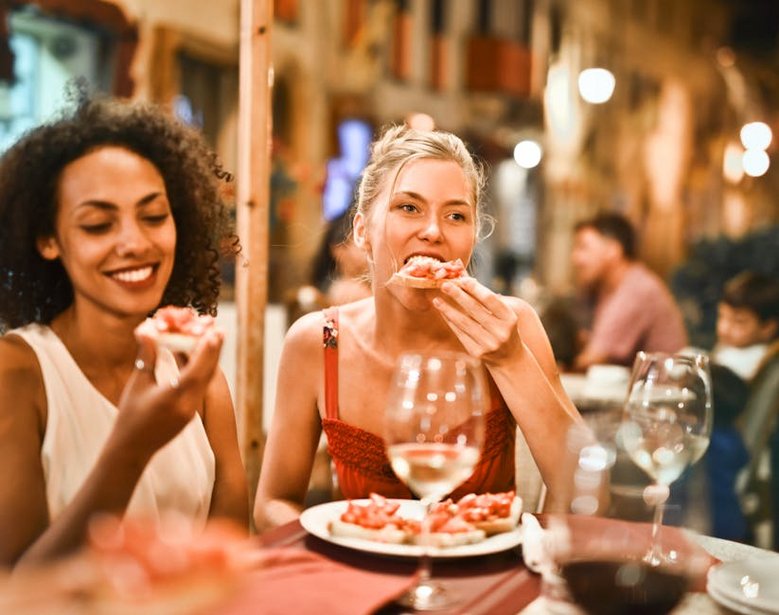
Alt: “prague-old-town-square-restaurant-outdoor-seating-people”
Food and Drink Prices in Prague – Planning Your Budget
Planning your daily budget for food and drink in Prague is straightforward once you understand the tiers of dining. A frugal traveler focusing on street food, self-catering, and pub lunches can eat comfortably for under $25 per day. A mid-range budget of $40-60 daily opens up sit-down restaurant dinners and more frequent café visits. Your budget should account for the major cost categories: meals, alcoholic drinks (especially the famous beer), coffee, and sweet treats.
Best Time for Foodie Visits
For culinary-focused visits, late spring (May-June) and early autumn (September-October) are ideal. The weather is pleasant for outdoor dining, and seasonal ingredients like asparagus and game are featured on menus. Christmas Market season (late November to early January) offers a unique food experience with trdelník and sausages, albeit at premium prices in the markets. Summer is peak tourist season, leading to higher prices and longer waits in the central areas.
Budget Planning and Daily Cost Tiers
Your daily food and drink expenses will fall into one of three clear categories.
Essential Preparation Checklist
Before your trip, download a currency converter app and the “PID Lítačka” app for public transport. Book popular fine dining restaurants 2-4 weeks in advance, especially for weekend dinners. For casual eats, research well-rated spots in neighborhoods like Vinohrady or Žižkov. Pack comfortable walking shoes; discovering the best food spots often means exploring away from the historic core. No special dietary cards are usually needed, as most servers speak functional English.
Top Culinary Experiences and Their Costs
Prague offers a spectrum of eating experiences, each with its own price bracket. The classic Czech pub meal remains the heart of the affordable experience, where you can immerse yourself in local culture. For a more modern take, the city’s café culture provides excellent coffee and pastries in stunning Art Nouveau settings. Exploring the various food halls, like Manifesto Market, offers a trendy and varied tasting experience in one location.
Must-Try Traditional Dishes and Average Prices
Svíčková na smetaně (marinated beef with cream sauce) is a national treasure, costing $10-16 in a mid-range restaurant. Guláš (Czech goulash), often served in a bread bowl, is a hearty staple priced at $8-12. For a quick snack, try a traditional Klobása sausage from a street vendor for $3-5. Remember, side dishes like knedlíky (dumplings) or zelí (cabbage) are almost always included with the main course, adding to the value.
No meal is complete without a drink. A 0.5L tank of world-class Czech lager (Pilsner Urquell, Budvar) is astonishingly cheap at $2-3.50 in a local pub. Becherovka, the herbal liqueur, costs about $3-4 for a shot. For non-alcoholic options, a quality espresso-based coffee averages $2.50-4, while a bottle of excellent local mineral water like Mattoni is around $1.50.
Hidden Gems and Local Favorites
Venture to the Holešovice district for innovative dining at more reasonable prices than the center. The “Lokál” chain offers a modern, clean take on the classic pub with perfectly poured Pilsner and excellent daily menus. For a truly local experience, visit a “vinárna” (wine bar) in Vinohrady to sample excellent Moravian wines, with glasses starting around $4. Many locals also frequent Vietnamese restaurants in the Libeň district, a legacy of the communist era, where a massive bowl of pho can cost just $6-8.
Sweets and Café Culture Costs
Prague’s café scene is legendary. Indulge in a classic Trdelník (chimney cake) from a street stall for $3-5, though be wary of overpriced tourist versions stuffed with ice cream. A more authentic sweet is the větrník (cream puff) or a slice of medovník (honey cake) from a proper cukrárna (cake shop), costing $3-4.50. Sitting in a historic café like Café Louvre or Imperial for coffee and cake is a cultural experience itself, with the bill typically ranging from $8-15 per person.
Practical Dining and Navigation Information
Getting around to Prague’s best eateries is easy with its efficient and cheap public transport. A 30-minute ticket costs about $1.10, while a 24-hour pass is roughly $5.50. For food-focused exploration, consider staying in districts like Vinohrady, Karlín, or Dejvice, which are brimming with local restaurants and just a short tram ride from the center. Accommodation prices in these areas are often better, and you’ll dine where Praguers do.
| Dining Category | Typical Meal/Item | Average Price Range (USD) |
|---|---|---|
| Budget Pub / Hospoda | Main Course (e.g., Goulash with dumplings) | $8 – $13 |
| Mid-Range Restaurant | 3-Course Dinner (Starter, Main, Dessert) | $30 – $50 per person |
| Street Food & Fast Eats | Sausage (Klobása), Trdelník, Chlebíčky | $3 – $7 per item |
| Fine Dining / Gourmet | Tasting Menu with Wine Pairing | $80 – $150+ per person |
| Drinks | 0.5L Domestic Beer, Glass of Wine, Coffee | $2 – $5, $4 – $7, $2.50 – $4 |