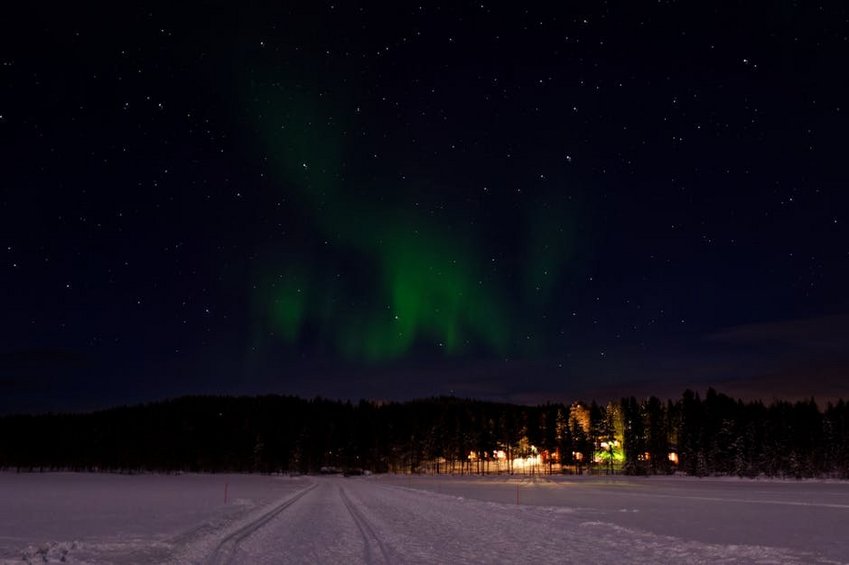
Finland Northern Lights Glass Igloo Experience
Witnessing the Aurora Borealis from a Finland Northern Lights glass igloo is a quintessential Arctic adventure that merges celestial wonder with Scandinavian design. These heated, transparent pods offer unobstructed 360-degree views of the night sky, providing warmth and comfort while you wait for the solar spectacle. This guide details everything from booking the best igloos to maximizing your chances of a dazzling display, with practical tips on timing, photography, and budgeting.
Essential Information on Glass Igloos
The concept of sleeping under the stars in Finland’s Arctic wilderness was pioneered by resorts seeking a unique way to view the Northern Lights. These igloos, constructed from thermal glass, maintain interior warmth even when temperatures drop to -22°F (-30°C). Their design represents a perfect fusion of innovation and romance, transforming a night of aurora hunting into a luxurious, stationary experience.
Modern glass-domed accommodations range from minimalist pods to spacious suites with private saunas and adjustable heated beds. The glass is treated to prevent frost and condensation, ensuring a clear view whether you’re lying in bed or sitting in a lounge chair. Resorts are typically located in remote, dark-sky areas of Finnish Lapland, far from light pollution, which dramatically increases visibility.
What Defines a Quality Glass Igloo
Not all transparent accommodations are created equal. Key features separate standard offerings from exceptional experiences.
- Superior thermal glass maintains clarity without frost or condensation, often using electrically heated panels, and includes a retractable curtain for privacy and light control during the summer midnight sun.
- A practical layout includes comfortable, movable beds that can be positioned for optimal viewing, along with adequate storage for winter gear and easy access to a private, attached bathroom and shower facilities.
- Essential amenities should encompass adjustable interior heating, high-speed Wi-Fi for aurora forecasts, and a wake-up call service from the resort staff when the lights appear, so you don’t have to stare at the sky all night.
- Budget Igloo (Basic Pod): $300-$500. Includes a standard thermal glass pod with a shared bathroom facility located a short walk away. Best for travelers who prioritize the viewing experience over luxury and plan to spend minimal awake time inside.
- Mid-Range Igloo (Suite with Amenities): $500-$900. Features a larger, more stylish dome with a private ensuite bathroom, better insulation, and often a small seating area. This tier frequently includes breakfast and may offer a private sauna or a guaranteed aurora alarm service.
- Luxury Igloo (Premium Experience): $900-$2,000+. Encompasses spacious glass suites with glass-roofed private saunas, king-size adjustable beds, gourmet minibars, and dedicated concierge service. Often includes premium half- or full-board dining plans and direct access to unique activities like ice karting or private husky safaris.
- Visit Finland – Official Tourism Board
- SpaceWeatherLive – Aurora Forecasts
- Saariselkä Travel Information
Primary Regions and Resorts
The most famous glass igloo destinations are in Finnish Lapland, above the Arctic Circle. The village of Saariselkä is a major hub, home to the original Kakslauttanen Arctic Resort. Levi and Ylläs are popular ski resorts that also offer igloo accommodations, combining daytime slopes with nighttime aurora viewing.
Rovaniemi, the official hometown of Santa Claus, provides a more accessible option with several igloo hotels nearby, perfect for families. For a truly remote experience, consider resorts near Lake Inari or in the Pyhä-Luosto National Park, where light pollution is virtually nonexistent and the wilderness setting is profound.
The Science of the Aurora Borealis
The Northern Lights occur when charged particles from the sun collide with gases in Earth’s atmosphere. These collisions, happening 50 to 400 miles above the ground, create the mesmerizing waves of green, pink, and violet light. Solar activity follows an 11-year cycle, influencing the frequency and intensity of displays.
Green hues, the most common, come from oxygen molecules about 60 miles up. Rarer reds appear from high-altitude oxygen, while nitrogen produces blue or purple hues. A strong geomagnetic storm (measured by a high KP index) is needed for the lights to be visible as far south as Finnish Lapland, making monitoring space weather forecasts a crucial part of your planning.
Alt: “glass-igloo-aurora-borealis-night-sky-finland-lapland”
Finland Northern Lights Glass Igloo – Planning Your Trip
Securing a Finland Northern Lights glass igloo requires strategy, as these unique accommodations book up nearly a year in advance for peak season. Your planning should revolve around three pillars: astronomical darkness, high solar activity forecasts, and personal comfort preferences. Allocate a significant portion of your budget to the igloo itself, as it is the centerpiece experience, and build other activities around it.
International travelers typically fly into Helsinki-Vantaa Airport (HEL) and then take a connecting flight north to Ivalo Airport (IVL) for Saariselkä, Kittilä Airport (KTT) for Levi, or Rovaniemi Airport (RVN). Booking flights and igloo nights as a single package through a tour operator can sometimes offer better value and guarantee alignment. Remember to purchase comprehensive travel insurance that covers severe weather disruptions, which are common in the Arctic winter.
Best Time to Visit for Aurora Viewing
The optimal window for a glass igloo stay is between late September and late March. During this period, the nights are long enough to provide sufficient darkness, with peak darkness from December to January offering up to 20 hours of potential viewing time nightly. Temperatures range from 20°F to -5°F (-7°C to -21°C) in early winter, plunging to -22°F to -40°F (-30°C to -40°C) in deep winter.
The shoulder months of September-October and March-April offer milder weather, more daylight for other activities, and still-excellent aurora chances, often with fewer tourists. While December is magical for Christmas spirit, it is also the coldest and most booked. February and March generally provide a excellent balance of reliable snow cover, increasing daylight, and continued high probability of strong auroral activity.
Budget Planning and Costs
A glass igloo experience spans from affordable to ultra-luxurious. Here is a breakdown of what to expect per night for two people.
Essential Preparation Checklist
Packing correctly is non-negotiable for comfort and safety. You need a serious winter wardrobe: a down-filled parka, insulated snow pants, thermal merino wool base layers, fleece mid-layers, and waterproof winter boots rated for at least -22°F (-30°C). Don’t forget warm hats, gloves, neck gaiters, and heat packs for your hands and feet.
Documentation includes a valid passport; U.S. and EU citizens do not need a visa for tourist stays under 90 days. Book your igloo 8-12 months in advance, especially for December-March. Secure travel insurance that explicitly covers “adverse weather conditions” and “tour operator failure.” If you plan to drive, obtain an International Driving Permit and familiarize yourself with winter driving conditions.
Top Attractions and Activities in Lapland
Beyond the igloo, Finnish Lapland offers a winter wonderland of authentic Arctic adventures. The region’s culture is deeply connected to the forests, snow, and indigenous Sámi traditions. Days can be filled with exhilarating activities that immerse you in the pristine landscape, creating a perfect complement to your nighttime aurora vigil.
From the thrill of a husky sled ride through silent forests to the tranquility of snowshoeing under the pale blue daylight, each activity offers a different perspective on the Arctic. Many igloo resorts operate their own activity centers, allowing you to book experiences directly and conveniently. Balancing iconic tours with moments of simple stillness in the vast wilderness is key to a fulfilling trip.
Must-See Highlights
No visit is complete without a husky sledding adventure. These eager Alaskan or Siberian huskies pull you through breathtaking snowy trails; choose between a short 2-kilometer taster or a multi-day expedition. A reindeer safari offers a slower, more cultural pace, often hosted by a Sámi guide who shares stories about herding and their way of life.
The Arktikum Science Museum in Rovaniemi is a stellar indoor attraction, detailing Arctic nature, Northern Lights science, and Sámi history in engaging exhibits. For an unforgettable swim, visit the Arctic SnowHotel in Rovaniemi or Kemi, where you can take a dip in a survival suit amidst floating ice in the sea. Finally, a visit to Santa Claus Village in Rovaniemi, on the Arctic Circle line, is a must for families, where you can meet Santa year-round and send postcards with the official Arctic Circle postmark.
Hidden Gems and Local Favorites
Venture to Pyhä-Luosto National Park to find the majestic Lampivaara Amethyst Mine. Here, you can dig for your own piece of violet crystal under the guidance of a geologist. In the village of Inari, the Siida Museum is a world-class institution dedicated to Sámi culture and Arctic nature, offering profound insight into Europe’s only indigenous people.
For a serene moment, seek out a traditional Finnish wood-burning sauna by a frozen lake. The ritual involves heating up, then cooling off in the fresh snow or, for the brave, an avanto (hole cut in the ice). This is a deeply local practice and the ultimate refreshment. Seek out smaller, family-run husky farms or reindeer herders for a more personal and less commercialized experience than the large tourist centers.
Northern Lights Photography Tours
While your glass igloo is for relaxed viewing, dedicated photography tours are invaluable for capturing professional-grade images. Expert guides take you to optimal dark-sky locations, help set up your camera (tripod, wide-angle lens, and manual settings are essential), and often provide thermal suits. They also monitor aurora forecasts in real-time, chasing the best visibility across the region.
These tours typically last 3-5 hours and include hot drinks and snacks around a campfire. Even if you’re a beginner, guides can assist with smartphone camera settings to capture decent shots. This is highly recommended for at least one night of your stay, as it provides context, education, and the chance to photograph the lights over a classic Lappish landscape like a frozen lake or snowy forest.
Practical Travel Information
Navigating Lapland’s logistics is straightforward with proper planning. The region is well-equipped for tourism, with English widely spoken at hotels, attractions, and most restaurants. The Euro (EUR) is the currency, but credit and debit cards are accepted almost universally, even for small purchases; carrying some cash is still wise for remote market stalls.
Accommodation options span from your glass igloo to wilderness hotels, log cabins, and apartment hotels in town centers. Renting a car provides maximum flexibility, especially for visiting different activity providers, but requires confidence in driving on snow and ice. Alternatively, resorts offer transfer services and local taxis are available, though they can be expensive for long distances.
| Accommodation Type | Best For | Average Price Range/Night (USD) |
|---|---|---|
| Glass Igloo | Aurora viewing, romance, unique experience | $300 – $2,000+ |
| Wilderness Log Cabin | Families, groups, self-catering, longer stays | $150 – $400 |
| Hotel in Resort Town | Budget, accessibility, restaurant choice | $100 – $250 |
| Design Hotel/Spa | Luxury, amenities, fine dining, relaxation | $250 – $600 |