Finland Lapland Northern Lights Tour
Witnessing the aurora borealis dance across the Arctic sky is a bucket-list experience for countless travelers. A Finland Lapland Northern Lights tour offers a structured and immersive way to chase this celestial spectacle from one of the world’s best vantage points. This guide provides essential planning information, activity recommendations, and cultural insights for your Arctic aurora adventure.
Essential Arctic Aurora Information
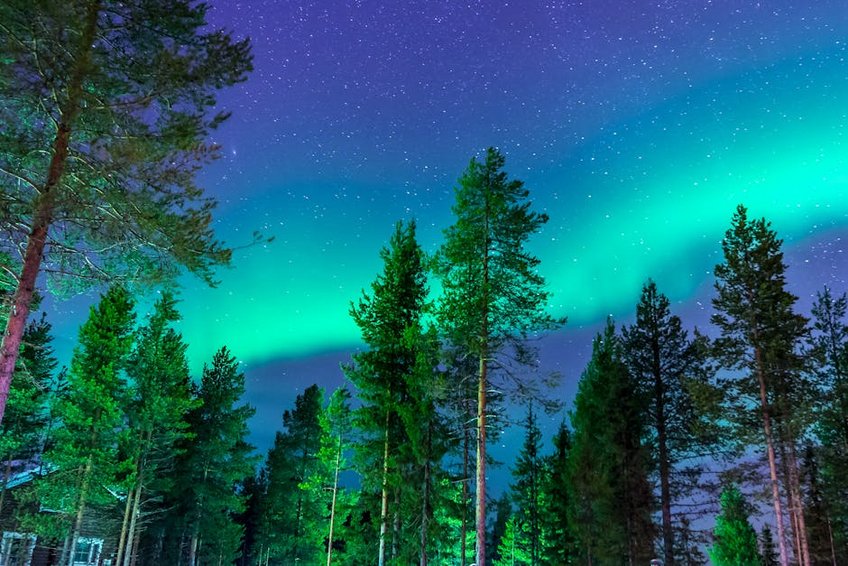
The Northern Lights, or Aurora Borealis, result from solar particles colliding with Earth’s atmosphere. This natural phenomenon is most visible within the “auroral oval,” a ring-shaped zone around the magnetic North Pole. Finnish Lapland sits directly under this oval, granting it exceptionally high visibility rates for the lights.
Lapland’s geography, with its vast wilderness and minimal light pollution, creates perfect viewing conditions. The region experiences the “kaamos,” or polar night, from late November to mid-January. This period of continuous darkness provides a 24-hour window for potential aurora sightings, dramatically increasing your chances of success.
Understanding the Aurora Forecast
Monitoring space weather is crucial for a successful viewing trip. Several key indicators predict auroral activity levels accurately.
- The KP Index measures geomagnetic storm strength on a scale of 0-9. For Lapland, a KP index of 2 or 3 is often sufficient for a vivid display visible directly overhead.
- Solar wind speed and density, along with the Interplanetary Magnetic Field (IMF) direction, are tracked by satellites. A southward-pointing Bz component increases activity.
- Local cloud cover is your final hurdle. Use real-time Finnish Meteorological Institute (ilmatieteenlaitos.fi) radar maps to find clear patches of sky, even if you need to drive.
- Budget Traveler ($1,500-$2,200): Stay in hostels or guesthouses, cook your own meals, and join 1-2 group aurora tours. Use public transport or walk to nearby dark spots. Focus on free activities like cross-country skiing on maintained trails.
- Mid-Range Explorer ($2,500-$3,500): Book a glass-roofed cabin or hotel package with included tours. Enjoy restaurant meals and guided activities like reindeer farm visits. Rent a car for 2-3 days for flexible, self-guided aurora chasing.
- Luxury Experience ($3,800-$6,000+): Reserve a premium aurora bubble suite or a wilderness lodge. Enjoy private guided tours with professional photographers, gourmet dining, and exclusive access to remote viewing locations via heated minibus or snowmobile.
- Visit Finland Official Tourism Site
- Finnish Meteorological Institute
- University of Alaska Fairbanks Aurora Forecast
Key Details About Lapland’s Seasons
Lapland transforms dramatically with each season, offering different backdrops for your aurora hunt. The winter months from December to March provide snow-covered landscapes and the darkest skies. Temperatures range from 14°F to -22°F (-10°C to -30°C), requiring serious cold-weather gear for comfortable viewing.
Meanwhile, the autumn and spring shoulder seasons present unique advantages. September-October and March-April offer milder temperatures, between 23°F and 41°F (-5°C to 5°C). These periods combine dark nights with the possibility of auroras reflecting off frozen lakes or lingering snow, creating stunning photographic compositions.
The Science of the Colors
The aurora’s iconic green hue comes from oxygen atoms located about 60 miles (100 km) above Earth. Less common red auroras originate from higher-altitude oxygen, while nitrogen produces rare blue or purple fringes. The intensity of a Finland Lapland Northern Lights tour often depends on these atmospheric interactions.
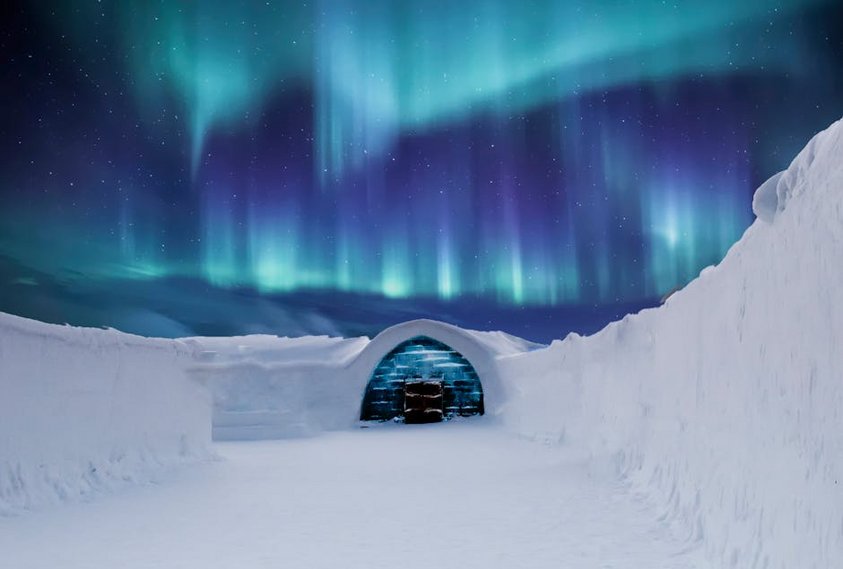
Alt: “lapland-winter-aurora-borealis-over-snowy-forest”
Finland Lapland Northern Lights Tour – Planning Your Trip
Organizing an aurora-focused journey to Finnish Lapland requires strategic timing and packing. The core season runs from late August until early April, aligning with the return of darker nights. Your primary goal should be maximizing time under dark, clear skies away from artificial light sources in towns like Rovaniemi or Levi.
Budget between $1,500 and $4,000 per person for a 5-day trip, excluding international flights. Costs fluctuate based on accommodation style, guided tour frequency, and included activities like husky safaris or snowmobile excursions. Booking flights and hotels 4-6 months in advance secures better rates for the peak December-February period.
Remember, the aurora is a natural event with no guarantees. Therefore, plan a stay of at least four nights to significantly improve your statistical odds of witnessing a display. Many tour operators offer a complimentary second tour if no lights are seen on your first scheduled outing.
Best Time to Visit Lapland for Aurora Viewing
The optimal window for aurora visibility spans from September through March. Peak probability occurs around the equinoxes in September and March due to increased solar activity. December and January offer the darkest skies with up to 20 hours of daily darkness, though cloud cover can be more persistent.
For a balanced experience, target late February or March. You’ll still have ample darkness for aurora hunting while enjoying longer daylight hours for other activities. Temperatures moderate to a more manageable 5°F to 23°F (-15°C to -5°C), and the reflective snow cover enhances the aurora’s brightness dramatically.
Budget Planning and Costs
Your total expense depends heavily on travel style and guided tour inclusions.
Essential Preparation Checklist
Packing for sub-zero temperatures is non-negotiable. Invest in a quality down jacket, insulated waterproof pants, thermal base layers, and winter boots rated to at least -22°F (-30°C). Hand and foot warmers are invaluable for extended nights outside. Bring a thermos for hot drinks during aurora vigils.
Documentation is straightforward for US and EU passport holders, requiring no visa for stays under 90 days. Do purchase comprehensive travel insurance covering cold-weather activities and potential trip delays. Book all guided tours and special accommodations at least two to three months before your departure date, especially for Christmas season visits.
Top Locations and Aurora Activities
While the lights can appear anywhere in Lapland, certain locations offer renowned reliability and stunning scenery. The Lake Inari region, near the village of Ivalo, provides breathtaking reflections of the aurora on the frozen water. The remote Kilpisjärvi area, bordering Sweden and Norway, boasts some of the clearest skies in Finland due to its microclimate.
Guided activities seamlessly integrate aurora viewing with Lapland’s culture. Evening reindeer sleigh rides or husky safaris take you into silent forests far from light pollution. Many operators combine these with a traditional Lappish dinner cooked over an open fire, allowing you to wait for the lights in warm, authentic comfort.
Must-See Aurora Viewing Spots
Levi and Ylläs are major fell areas offering panoramic views from their slopes. You can take a gondola up at night for a sky-wide vista. The Arctic Garden in Rovaniemi and the shore of Lake Ounasjärvi are easily accessible dark spots near the city center, ideal for first-time viewers.
For a truly remote experience, head to the fells of Saariselkä or the wilderness surrounding Pyhä-Luosto National Park. These areas have virtually no artificial light. The Aurora Hotel in Kakslauttanen and the Nova Skyland Hotel in Ylläs are famous for their glass igloos and cabins, letting you watch the sky from your warm bed.
Hidden Gems and Local Favorites
Venture beyond the tourist hubs to spots cherished by locals. The quiet village of Nellim, on the shores of Lake Inari, has several family-run wilderness lodges. The old gold mining area around Tankavaara offers open, unobstructed views of the northern horizon, a key direction for aurora activity.
Locals often know the best forest clearings or lakeshores. Consider booking a tour with a small, family-owned operator instead of a large resort. They frequently access private land with exceptional views and share deeper cultural stories about the “revontulet” (Finnish for Northern Lights, meaning “fox fires”).
Photography Tours and Workshops
Capturing the aurora requires specific techniques. Dedicated photography tours provide tripods, camera settings guidance, and composition help. Expert guides know how to foreground a snow-covered spruce tree or a traditional “kota” hut to create a compelling image.
These workshops teach you to manage long exposures in extreme cold, which drains batteries rapidly. They often include portrait sessions under the lights. The best tours scout locations based on real-time weather, ensuring you’re shooting under clear skies with strong auroral forecasts.
Practical Travel and Logistics
Reaching Finnish Lapland is convenient via its well-connected airports. Rovaniemi (RVN) is the main gateway, served by direct flights from Helsinki and several European cities. Ivalo (IVL) Airport serves the far north, while Kittilä (KTT) Airport accesses the Levi resort area. From Helsinki, the overnight Santa Claus Express train to Rovaniemi is a scenic alternative.
Once in Lapland, renting a car provides maximum flexibility for aurora chasing. However, winter driving demands confidence with icy roads and snow tires. Alternatively, local buses connect major towns, and taxis are available for evening trips to nearby dark sites. Many hotels also offer shuttle services to pre-arranged viewing locations.
| Accommodation Type | Key Features & Best For | Price Range Per Night (USD) |
|---|---|---|
| Wilderness Hotel/Cabin | Secluded location, often with aurora alerts, sauna. Best for dedicated viewers. | $180 – $450 |
| Glass Igloo or Aurora Bubble | Heated glass roof for in-room viewing, premium comfort. Best for a unique splurge. | $350 – $800 |
| City Hotel (Rovaniemi) | Easy access to restaurants/shops, may offer tours. Best for first-timers & families. | $100 – $250 |
| Holiday Apartment | Kitchen facilities, more space, often near ski resorts. Best for groups & budget stays. | $80 – $200 |