Ethiopia Simien Mountains Trek: High-Altitude Adventure Awaits
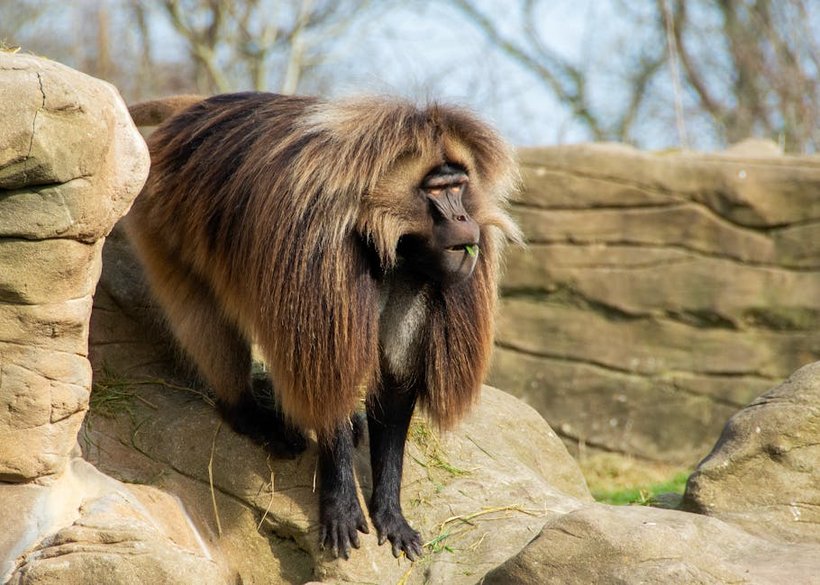
The Ethiopia Simien Mountains Trek immerses you in one of Africa’s most dramatic landscapes, where jagged peaks soar over 4,000 meters and unique wildlife roams freely. This UNESCO World Heritage site offers unparalleled hiking through rugged terrain, with chances to spot Gelada baboons and Ethiopian wolves in their natural habitat. Our guide covers everything from seasonal planning and budget tips to cultural insights and practical logistics for your expedition.
Essential Simien Mountains Information
The Simien Mountains National Park spans over 400 square kilometers in northern Ethiopia, featuring some of the continent’s highest peaks like Ras Dashen at 4,550 meters. This high-altitude region experiences distinct wet and dry seasons, dramatically affecting trail conditions and wildlife visibility. UNESCO designated it a World Heritage site due to its exceptional biodiversity and geological significance.
Geography and Climate Basics
The Simien Mountains form part of the Ethiopian Highlands, created by volcanic activity millions of years ago and subsequently eroded into deep valleys and sharp precipices. Temperatures range from 50°F to 68°F (10°C to 20°C) during daytime, dropping below freezing at night, with annual rainfall varying between 900mm and 1,200mm. The landscape transitions from Afro-alpine meadows to precipitous cliffs, creating microclimates across different elevations.
Wildlife and Biodiversity
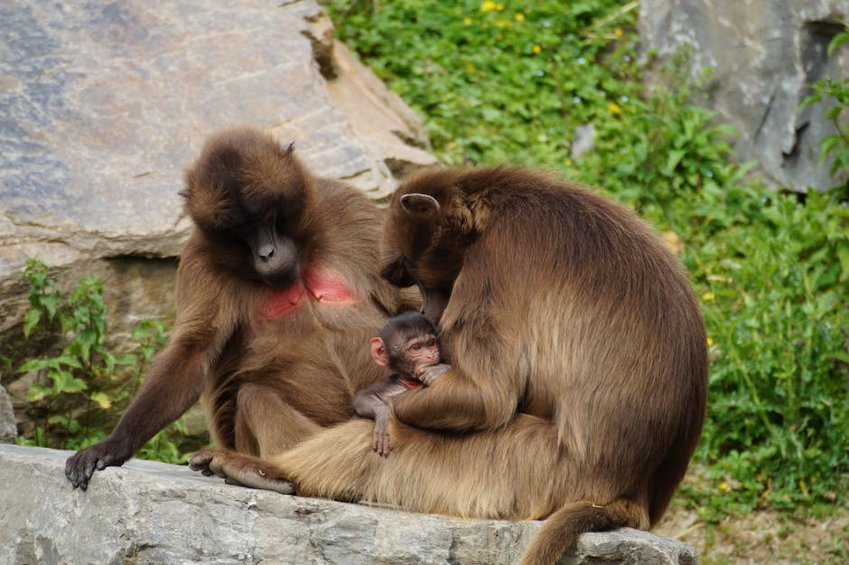
The park protects several endemic species found nowhere else on Earth, including the charismatic Gelada baboon and critically endangered Ethiopian wolf. Birdwatchers can spot over 180 species, from the majestic Lammergeier vulture to the thick-billed raven, while Walia ibex navigate sheer cliff faces. Conservation efforts focus on preserving these unique animals through community-based tourism and anti-poaching patrols.
Historical and Cultural Significance
Local communities like the Amhara people have inhabited these highlands for centuries, maintaining agricultural traditions and Orthodox Christian practices dating to the 4th century. Historical sites include ancient churches and monasteries hidden in the mountains, while traditional village life continues with terraced farming and coffee ceremonies. The region’s isolation has preserved cultural heritage despite modernization pressures.
Planning Your Ethiopia Simien Mountains Trek
Organizing your Ethiopia Simien Mountains Trek requires careful consideration of seasons, physical preparation, and logistical arrangements for optimal experience. The dry season from October to March provides the best conditions, while shoulder months offer fewer crowds but unpredictable weather patterns. Budget between $800 and $3,000 depending on tour style, duration, and comfort level.
Best Time to Visit Simien Mountains
October through early December delivers ideal trekking conditions with clear skies, moderate temperatures of 55-70°F (13-21°C), and minimal rainfall for comfortable hiking. January to March brings colder nights near freezing but excellent visibility, while June to September sees heavy rains making trails slippery and access difficult. Shoulder months like April and May offer blooming flowers but require flexibility for sudden weather changes.
Budget Planning and Costs
Your trekking budget varies significantly based on group size, duration, and comfort preferences.
- Budget trekking: $800-1,200 covers camping, basic meals, and mandatory scout/guide fees for 4-5 days, ideal for self-sufficient travelers bringing their own gear.
- Mid-range option: $1,500-2,200 includes better equipment, lodge accommodations some nights, and experienced guides with wildlife knowledge over 6-7 days.
- Luxury experience: $2,500-3,000 features premium lodges, vehicle support, certified guides, and gourmet meals throughout an 8-day comprehensive itinerary.
- Layered clothing system including thermal base layers, insulated jacket, and waterproof outer shell for temperature extremes from 20°F to 70°F (-7°C to 21°C).
- Sturdy broken-in hiking boots with ankle support, trekking poles for steep descents, and sleeping bag rated to 20°F (-7°C) for cold nights.
- Required documents include Ethiopian visa ($52-82 depending on nationality), travel insurance with emergency evacuation, and park entry permits arranged through licensed operators.
- Ethiopian Tourism Organization
- UNESCO World Heritage Centre
Essential Preparation Checklist
Proper gear and documentation ensure a safe and enjoyable high-altitude adventure.
Top Attractions and Trekking Experiences
The Simien Mountains deliver breathtaking scenery and unique wildlife encounters across various trekking routes suitable for different fitness levels. From multi-day expeditions to Ras Dashen summit to shorter walks to dramatic viewpoints, the park offers diverse experiences. Local guides enhance your journey with insights into ecology, culture, and the best photographic opportunities.
Must-See Highlights
Gich Camp provides stunning sunrise views over the mountains and reliable Gelada baboon sightings in nearby meadows each morning. Sankaber area features the dramatic Jinbar Waterfall plunging 500 meters into a gorge, accessible via a moderate 3-hour hike from the park headquarters. Ras Dashen summit challenges experienced trekkers with a 2-3 day ascent to Ethiopia’s highest point at 4,550 meters, requiring acclimatization.
Chennek Camp serves as the best location for spotting Walia ibex on cliff faces and offers access to Bwahit Peak at 4,430 meters. The Silki Plateau presents expansive Afro-alpine meadows dotted with giant lobelia plants and excellent birdwatching opportunities throughout the day. Each site requires proper timing—early mornings for wildlife, midday for clearer views, and golden hour for photography.
Hidden Gems and Local Favorites
Arkwazye Village offers authentic cultural experiences where visitors can participate in traditional coffee ceremonies and learn about local farming techniques. The lesser-trekked pathways around Ambiko provide solitude and unexpected wildlife encounters without the crowds of main routes. Local guides know secluded viewpoints like Limalimo Lodge area for spectacular sunset photography over the escarpment.
Community-run campsites like Sona give back directly to villages while providing unique overnight experiences with home-cooked meals. These hidden spots require local knowledge to access but deliver more intimate connections with the landscape and people. Ask your guide about adding these detours to standard itineraries.
Trekking Routes and Difficulty Levels
The classic Simien trek spans 4-5 days covering approximately 60 kilometers from Sankaber to Chennek, suitable for moderate fitness levels with daily ascents of 500-800 meters. Extended routes to Ras Dashen add 2-3 days and significant altitude gain, requiring excellent physical condition and prior high-altitude experience. Shorter 2-3 day options focus on specific areas like Gich to Sankaber for those with limited time.
Each route presents different challenges—rocky trails, rapid weather changes, and altitude effects above 3,000 meters. Beginners should choose guided tours with vehicle support, while experienced trekkers can attempt more remote sections with proper preparation. Daily distances range from 10-18 kilometers depending on elevation gain and pace.
Practical Travel Information
Reaching the Simien Mountains involves flying to Gondar or driving from Addis Ababa, followed by road transport to the park entrance at Debark. Accommodation ranges from basic camping to comfortable lodges, with prices reflecting amenities and location accessibility. Advance booking through reputable operators ensures permits, guides, and logistics are properly arranged.
| Category | Options/Features | Price Range (USD) |
|---|---|---|
| Budget Camping | Basic tents, communal facilities, scout included | $25-40/night |
| Mid-Range Lodges | Private rooms, hot showers, restaurant meals | $80-150/night |
| Luxury Eco-Lodges | Heated rooms, gourmet dining, guided activities | $200-350/night |
| Guided Tour Packages | All-inclusive: transport, meals, guides, permits | $800-3,000 total |