Estonia Lahemaa National Park: Coastal Wilderness Adventures
Estonia Lahemaa National Park presents a stunning Baltic coastline with diverse ecosystems. You will discover ancient forests, picturesque bogs, and historic manor houses. This guide provides essential tips for planning your outdoor adventure.
Essential Park Information
Lahemaa is Estonia’s largest national park established in 1971. It covers 725 square kilometers along the northern coast. The park protects unique coastal landscapes and cultural heritage.
Visitors encounter varied habitats from sandy beaches to swamp forests. Four peninsulas create dramatic shoreline formations. These areas support rich biodiversity and recreational opportunities.
Key Facts and Figures
Understanding the park’s scope helps with trip planning.
- Location: Northern Estonia, 70 kilometers east of Tallinn, accessible within 1.5 hours by car or bus.
- Size: 725 square kilometers featuring 115 kilometers of coastline, numerous lakes, and extensive trail networks.
- Established: 1971 as the Soviet Union’s first national park, preserving both natural and cultural landmarks.
- Budget travelers spend $40-70 daily using campgrounds, self-catering, and public transportation from Tallinn.
- Mid-range visitors allocate $80-120 daily for guesthouse stays, restaurant meals, and organized tours.
- Luxury experiences cost $150-250 daily including manor hotel accommodation, private guides, and fine dining.
- Estonian Official Tourism Website
- Estonian Nature Conservation Department
Ecosystems and Wildlife
Lahemaa’s landscapes transition from sea to forest. Coastal areas feature sandy beaches and rocky shores. Inland sections contain extensive bogs and mixed forests.
Moose, lynx, and wild boar inhabit the forest areas. Birdwatchers spot over 200 species throughout seasons. The coastal waters host seals and migratory waterfowl.
Historical Significance
Human history here spans centuries with evidence of ancient settlements. German Baltic nobility constructed manor houses during the 18th century. These estates now operate as museums and accommodation.
Soviet military installations remain as historical artifacts. Traditional fishing villages preserve Estonian coastal culture. Preservation efforts maintain this cultural landscape.
Planning Your Estonia Lahemaa National Park Trip
Proper preparation ensures you experience the park’s highlights. Consider seasonal variations in weather and accessibility. Research accommodation options near key attractions.
Booking guided tours enhances understanding of natural features. Pack appropriate footwear for variable trail conditions. Check official websites for current regulations and fees.
Best Time to Visit Lahemaa
Summer months from June to August offer warm temperatures. Daytime highs reach 68°F to 75°F (20°C to 24°C). This period provides maximum daylight for exploration.
Spring and autumn feature cooler conditions with fewer visitors. September temperatures range from 50°F to 59°F (10°C to 15°C). Winter visits require specialized gear for snow activities.
Budget Planning and Costs
Daily expenses vary based on travel style and accommodation choices.
Essential Preparation Checklist
Waterproof hiking boots handle variable trail conditions. Layered clothing adapts to changing weather patterns. Rain gear protects against sudden showers.
Download offline maps since cellular service fluctuates. Carry Estonian kroons or euros for small purchases. Verify entry requirements for your passport country.
Alt: “lahemaa-national-park-coastal-trail-forest”
Top Attractions and Activities
Lahemaa delivers diverse experiences across its protected landscapes. Hiking trails access the most scenic natural areas. Cultural sites reveal Estonia’s layered history.
Guided tours provide expert interpretation of ecosystems. Independent exploration allows flexible itinerary planning. Combination visits cover multiple attraction types.
Must-See Highlights
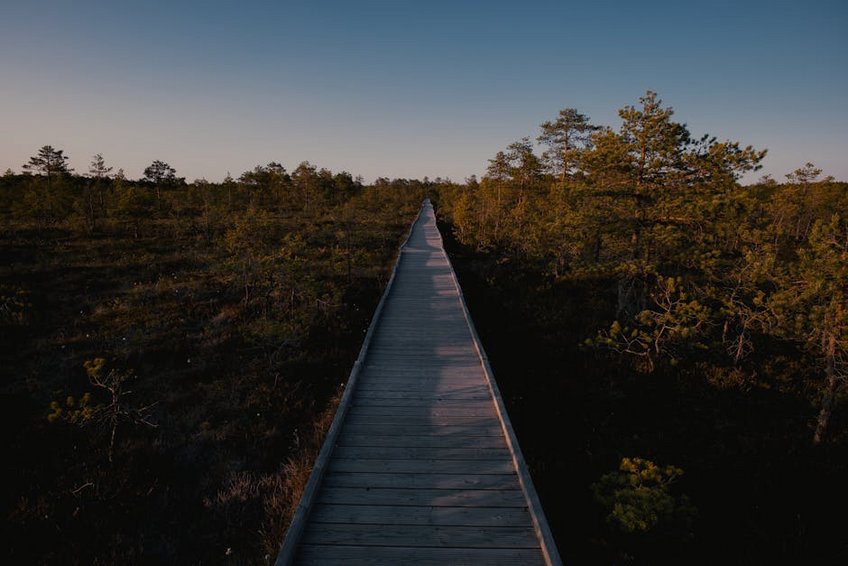
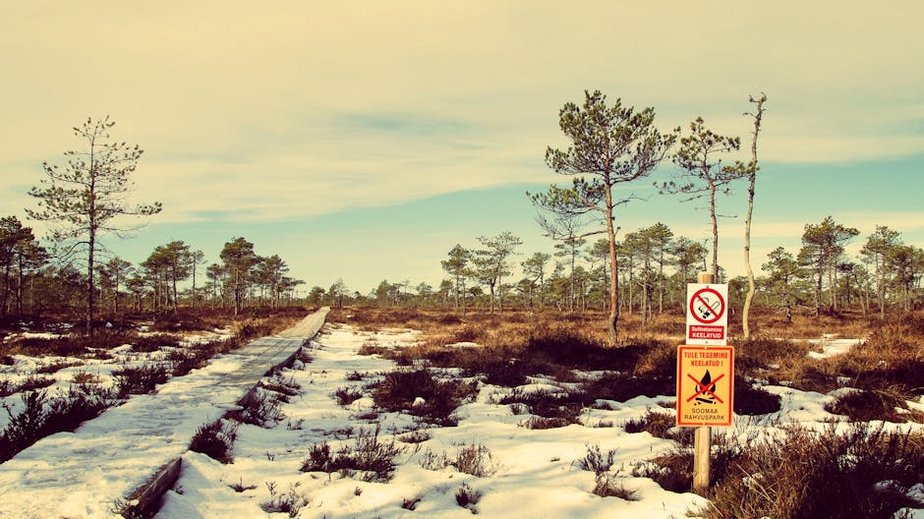
Viru Bog features an extensive boardwalk through wetland ecosystems. The 3.5-kilometer trail showcases unique plant life. Visit early morning for best photography conditions.
Palmse Manor represents beautifully restored 18th-century architecture. Gardens and museums operate daily from 10 AM to 6 PM. Admission costs $8-12 depending on tour options.
Altja Fishing Village preserves traditional coastal architecture. Thatched roofs and wooden buildings create photogenic scenes. The nearby tavern serves authentic Estonian dishes.
Hidden Gems and Local Favorites
Käsmu Peninsula offers secluded coastal walks with minimal crowds. The maritime museum details local seafaring history. Access requires personal vehicle or bicycle rental.
Oandu Forest Trail system spans 15 kilometers through primeval woodland. Marked routes suit various fitness levels. Wildlife sightings occur frequently during quiet hours.
Coastal Exploration Opportunities
Baltic Sea beaches provide swimming in summer months. Water temperatures reach 64°F (18°C) during July. Rocky shores reveal interesting geological formations.
Kayak tours depart from several coastal villages. Paddling routes pass by small islands and bird nesting areas. Rental equipment costs $25-40 for half-day excursions.
Practical Travel Information
Transportation options connect Tallinn to park entrances efficiently. Rental cars provide maximum flexibility for exploration. Public buses serve main villages on regular schedules.
Accommodation ranges from campsites to luxury manor hotels. Advance reservations essential during summer months. Consider location proximity to planned activities.
| Category | Options/Features | Price Range (USD) |
|---|---|---|
| Accommodation | Campgrounds, guesthouses, manor hotels with breakfast | $15-200 nightly |
| Transportation | Public bus, rental car, bicycle rental, guided tours | $5-80 daily |
| Activities | Hiking, museum visits, guided tours, water sports | $0-50 per activity |
| Food | Self-catering, tavern meals, fine dining restaurants | $10-40 daily |