Zurich Travel Guide
Exploring Zurich offers a seamless blend of urban sophistication and pristine natural beauty right on the city’s doorstep. Your Zurich travel guide details everything from efficient public transit to world-class museums, medieval Old Town lanes, and easy access to Alpine lakes. This resource provides specific strategies for navigating costs, seasonal highlights, and cultural nuances to craft your ideal Swiss itinerary.
Zurich Essential Information
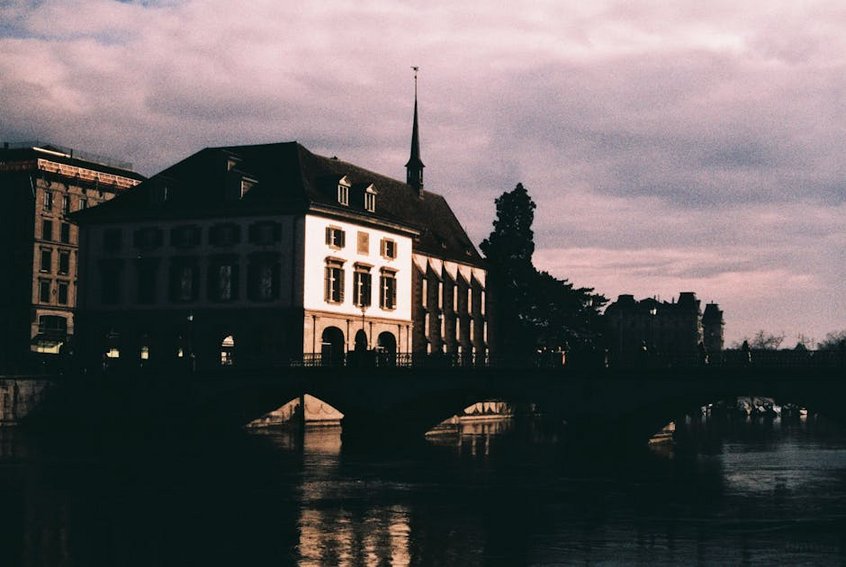
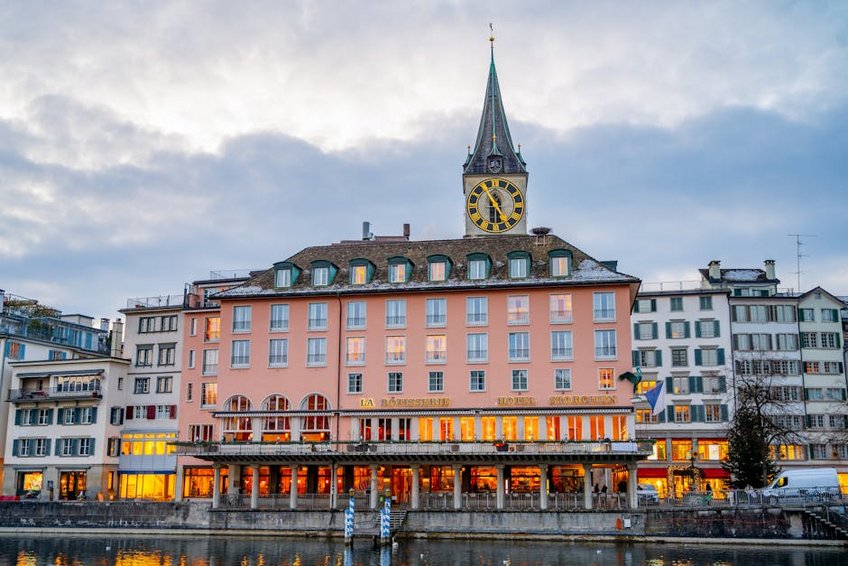
Zurich operates as Switzerland’s financial and cultural engine, situated at the northern tip of Lake Zurich. The city’s efficient network of trams, buses, and trains makes every district easily accessible. Its compact, walkable core centers around the Limmat River, flowing from the lake through the historic Altstadt.
German is the official language, but English is widely spoken in tourism and business sectors. The Swiss Franc (CHF) is the local currency, with credit cards accepted almost universally. Zurich maintains high safety standards, though standard urban vigilance applies in crowded transit hubs.
Key Facts and Figures
Understanding a few core details simplifies initial planning for your visit. These statistics shape your logistical and budgetary considerations.
- The city’s main airport (ZRH) is a major European hub located just 10 kilometers or a 12-minute train ride from the central station.
- Zurich experiences four distinct seasons, with July highs averaging 24°C (75°F) and January lows around -2°C (28°F).
- As a gateway to the Alps, the city offers numerous day trips, with destinations like Lucerne reachable in under 45 minutes by direct train.
- Budget Traveler ($110-150/day): Stay in hostels or budget hotels outside the center, use the Zurich Card for transit, enjoy supermarket lunches and kebabs, and focus on free attractions like hiking Uetliberg and exploring the Old Town.
- Mid-Range Traveler ($250-400/day): Book a 3-4 star hotel in districts like Enge or near the main station, dine at traditional Swiss taverns (like Zeughauskeller) for one meal daily, take a Lake Zurich ferry cruise, and visit 2-3 major museums.
- Luxury Traveler ($600+/day): Reserve a room at the Baur au Lac or Dolder Grand, experience gourmet dining at Michelin-starred restaurants (such as Pavillon), enjoy private guided tours, and shop along Bahnhofstrasse.
- Zurich Tourism Official Website
- Zurich Public Transport (ZVV)
The Lay of the Land: Neighborhoods Explained
Zurich’s character shifts noticeably between its key districts. The Altstadt (Old Town) splits across both banks of the Limmat River, featuring cobblestone streets and historic guild houses. This area contains major landmarks like the Grossmünster church and is ideal for first-time visitors seeking walkable history.
West of the main station, Kreis 5 (Zurich West) represents the city’s industrial-turned-hipster heart. Here, you’ll find contemporary art in converted factories, trendy restaurants, and the Prime Tower. For upscale shopping and lakefront promenades, the Bahnhofstrasse and Enge districts deliver luxury boutiques and serene parks.
Cultural and Historical Context
Zurich’s history as a powerful medieval trade center laid its prosperous foundation. The Reformation, led by Huldrych Zwingli from the Grossmünster in the 16th century, positioned the city as a major European religious hub. This legacy of commerce and reformed thinking evolved into its modern status as a global banking leader.
Today, this history manifests in over 50 museums, from the Swiss National Museum to the innovative Kunsthaus. The city seamlessly integrates this deep cultural heritage with a forward-looking, sustainable urban design. Understanding this blend of old and new enriches every sightseeing moment.
Alt: “zurich-old-town-limmat-river-medieval-bridges-alps”
Zurich Travel Guide – Planning Your Trip
Strategic planning mitigates Zurich’s reputation for high costs while maximizing your experience. Your Zurich travel guide should prioritize advance bookings for accommodation and major attractions, especially during summer and December’s Christmas markets. Consider purchasing a Zurich Card for unlimited public transport and museum discounts.
Budget-conscious travelers will find value in the city’s excellent public fountains providing free drinking water and plentiful picnic spots in lakeside parks. Dining costs drop significantly when you venture a few blocks away from the main tourist thoroughfares like Bahnhofstrasse. Allocate time for both urban exploration and a lake cruise or Uetliberg mountain excursion.
Best Time to Visit Zurich
Peak season runs from June through August, offering warm weather averaging 20-24°C (68-75°F) and long days ideal for lake activities. This period sees the highest hotel rates and tourist crowds, particularly around the Swiss National Day on August 1st. Book flights and central hotels at least three months in advance for summer travel.
The shoulder seasons of April-May and September-October provide pleasant temperatures of 10-18°C (50-64°F) with fewer visitors. Late November through December transforms the city with enchanting Christmas markets, though days are short and cold, often around 0-5°C (32-41°F). Winter sports enthusiasts can use Zurich as a base for day trips to nearby ski regions.
Budget Planning and Costs
Daily expenses vary dramatically based on your travel style. Here is a realistic breakdown for different budgets, with costs per person.
Essential Preparation Checklist
Pack versatile layers, including a waterproof jacket and comfortable walking shoes, as weather can change quickly. Bring a universal power adapter (Type J plug, 230V) and a reusable water bottle to fill from the city’s many fountains. For winter visits, thermal layers, a warm coat, and waterproof boots are non-negotiable.
U.S. and EU passport holders do not need a visa for stays under 90 days. Ensure your passport is valid for at least three months beyond your departure date. Purchase comprehensive travel insurance that covers medical emergencies and trip interruptions. Download the SBB (Swiss Railways) app for real-time transit schedules and mobile tickets.
Top Attractions and Activities
Zurich’s appeal lies in its balanced mix of culture, history, and nature. Must-see landmarks include the twin-towered Grossmünster and the stunning stained glass of Fraumünster Church. Beyond these, the Lindenhof park offers panoramic Old Town views from its Roman and medieval historical site.
The Swiss National Museum, housed in a fairytale castle, provides an excellent overview of the country’s cultural history. For a different perspective, embark on a Limmat River boat tour or ride the Polybahn funicular to the ETH university terrace. The city’s compact size allows you to experience diverse attractions within a single day.
Must-See Highlights
Begin at the Bahnhofstrasse, a global shopping avenue leading from the main station to Lake Zurich. The lakefront itself, Bürkliplatz, is a hub for boat departures and a lovely promenade. A short walk across the Quaibrücke bridge brings you to the Opera House and the refined Sechseläutenplatz square.
The Kunsthaus Zurich art museum boasts an impressive collection, including works by Munch, Picasso, and Swiss artist Alberto Giacometti. For the best city views, take the S-Bahn to Selnau and then the train to Uetliberg, the local mountain with marked hiking trails. All these sites are easily accessed with the city’s integrated transport network.
Hidden Gems and Local Favorites
Venture into the Langstrasse district for a vibrant, multicultural atmosphere with affordable international eateries and quirky bars. For a peaceful retreat, the Chinese Garden in Zürichhorn park is a gift from Zurich’s sister city and offers serene landscapes. The Viadukt arches in Zurich West now host boutique shops and a weekly market beneath the railway lines.
Locals love the outdoor bath at Seebad Enge, a wooden structure on the lake where you can swim in summer. The Rietberg Museum, set in a park with a historic villa, focuses on non-European art and is wonderfully quiet. Discover these spots to experience the city beyond the standard tourist itinerary.
Lake Zurich and Outdoor Pursuits
The lake is the city’s recreational heart, offering swimming, sailing, and stand-up paddleboarding during warmer months. Numerous bathing establishments, like the Frauenbad, provide safe, designated swimming areas. Regular public ferries operated by ZSG run routes to towns like Rapperswil, making for a perfect half-day excursion.
For hiking, the Uetliberg mountain trail (Planet Trail) is easily accessible and offers panoramic views over the city, lake, and distant Alps. Cycling paths are extensive; you can rent bikes from Züri rollt for free with a small deposit. These activities showcase why Zurich consistently ranks highly for quality of life.
Practical Travel Information
Zurich’s infrastructure is exceptionally traveler-friendly, with efficiency as its hallmark. The Zurich Card is highly recommended for visitors, covering all trams, buses, trains, and boats within the city zone, plus museum entry or discounts. Accommodation ranges from world-renowned luxury hotels to well-maintained hostels, with prices reflecting the city’s high standard of living.
Getting around is straightforward with the coherent ZVV public transport network, where trams are often the quickest way across the city center. Taxis are prohibitively expensive for most budgets; rely on trams, buses, and your own two feet. Free public Wi-Fi (ZuriWiFi) is available in many central squares and public buildings.
| Category | Options/Features | Price Range (USD) |
|---|---|---|
| Budget Accommodation | Hostels (like City Backpacker) & budget hotels; shared facilities, central locations. | $90-150/night |
| Mid-Range Hotels | 3-4 star hotels (Hotel St. Gotthard, Hotel Montana); private bath, breakfast often included. | $250-400/night |
| Luxury Hotels | 5-star historic palaces (Baur au Lac, Dolder Grand); spas, fine dining, lake views. | $600-1200+/night |
| Zurich Card | 24/72-hour pass; unlimited 2nd class public transport, museum discounts, included lake cruise. | $30-$55 |