Zagreb Travel Guide: Discover Croatia’s Historic Capital
Zagreb offers a perfect blend of Central European charm and vibrant Balkan energy, creating a captivating city break destination. This guide provides essential insights for navigating its historic Upper Town, enjoying its cafe culture, and exploring nearby natural attractions like Mount Medvednica. You will find practical tips on seasonal timing, budgeting, and cultural etiquette for a seamless visit.
Essential Information About Zagreb
Zagreb serves as the political, economic, and cultural heart of Croatia. The city’s history spans from medieval settlements to its official declaration as a free royal town in 1242. Its distinct character comes from the fusion of its historic districts, Gornji Grad (Upper Town) and Donji Grad (Lower Town).
Most attractions are centrally located and walkable, with a reliable tram network connecting outer neighborhoods. The city experiences a continental climate with warm summers and cold, snowy winters. English is widely spoken within the tourism and hospitality sectors, making communication straightforward for visitors.
It provides an excellent base for day trips to places like Plitvice Lakes National Park or the coastal town of Rovinj. The city’s manageable size means you can experience its core highlights without feeling rushed. Its blend of Austro-Hungarian architecture and socialist-era monuments tells a rich, layered story.
Key Facts at a Glance
Before you explore, here are some fundamental details to frame your visit.
- The local currency is the Croatian Kuna (HRK), though many businesses also accept Euros; always check exchange rates, as credit cards are widely accepted in hotels and restaurants.
- Zagreb operates in the Central European Time Zone (CET), which is one hour ahead of GMT; daylight saving time adjustments apply from late March to late October.
- Public transportation is efficient, with a unified ZET system covering trams and buses; purchase a Zagreb Card for unlimited travel and museum discounts during your stay.
- Budget travelers can manage on $50-$70 per day by staying in hostels, using public transit, eating at bakeries or market stands (kebabs cost $4-$6), and enjoying free walking tours and park visits.
- Mid-range visitors spending $100-$150 daily can book a central hotel or apartment, dine at traditional konobas for lunch ($15-$20 per person), visit several key museums, and take a guided tour or day trip.
- A luxury budget of $250+ per day allows for five-star hotels, fine dining at award-winning restaurants, private guided tours, and spa treatments, along with premium experiences like private transfers.
- Official Zagreb Tourist Board
- Croatian National Tourist Board
Understanding the City Layout
Zagreb’s layout is intuitive, centered around two primary historical areas. Gornji Grad sits on a hill, housing St. Mark’s Church, the Croatian Parliament, and the iconic Lotrščak Tower. You can reach it on foot via the funicular or by climbing the Strossmayer promenade steps for panoramic views.
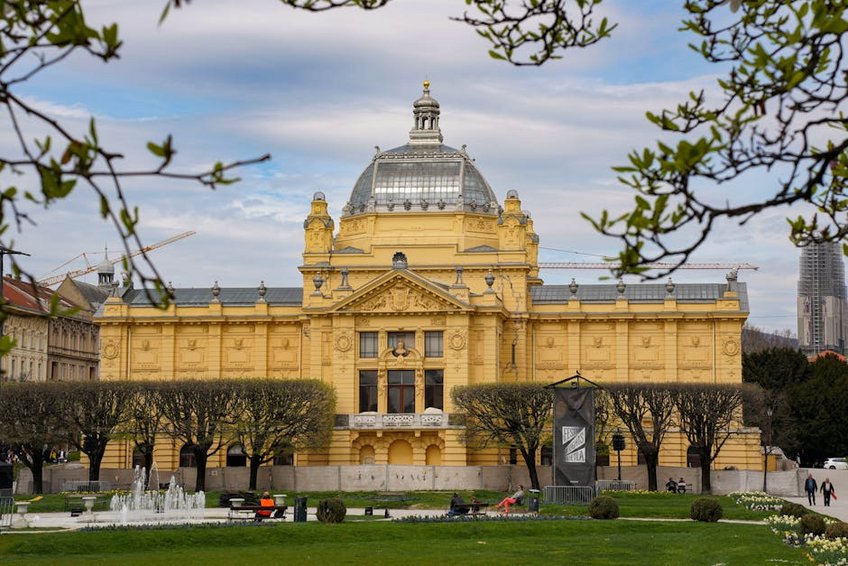
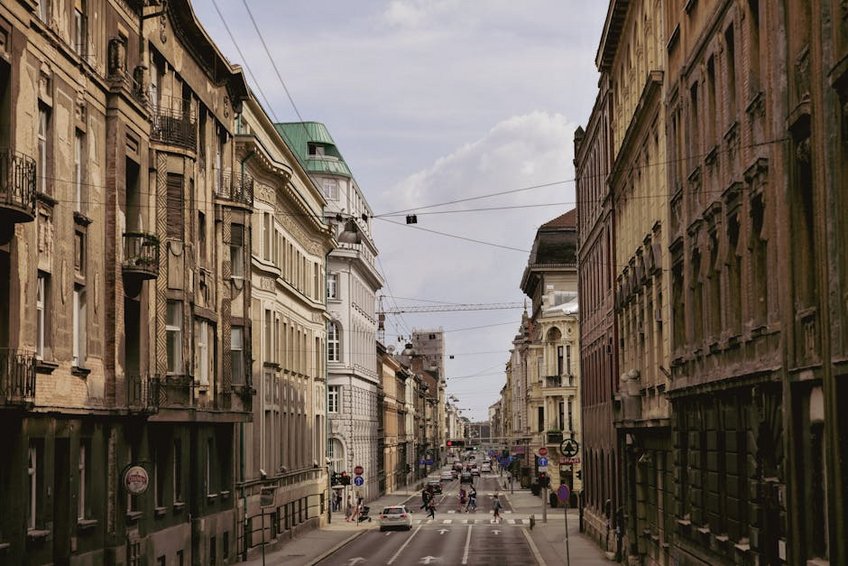
Donji Grad, the Lower Town, forms the city’s 19th-century downtown with grand squares and museums. This area features the Green Horseshoe, a U-shaped series of parks and squares designed by Milan Lenuci. Key landmarks here include the Archaeological Museum and the elegant Art Pavilion.
A Brief Cultural and Historical Context
Zagreb’s identity was shaped by its position at the crossroads of empires and kingdoms. It was part of the Austro-Hungarian Empire for centuries, which heavily influenced its architectural and cultural development. The city became the capital of an independent Croatia in 1991 following the breakup of Yugoslavia.
This complex history is visible in its museums, from the Museum of Broken Relationships to the Croatian Naïve Art Museum. The local mentality combines Central European formality with a Mediterranean appreciation for leisure. This is best experienced in its many outdoor cafes and weekend markets.
Alt: “zagreb-upper-town-st-marks-church-colorful-roof”
Zagreb Travel Guide – Planning Your Trip
Effective planning transforms a good visit into a great one. A successful Zagreb travel itinerary balances iconic sights with relaxed coffee breaks. Consider your primary interests, whether they are museum-hopping, culinary exploration, or day-tripping to natural parks.
Booking accommodations in the city center saves significant transit time. Prioritize visits to popular indoor museums on days with uncertain weather. The city’s walkability means comfortable shoes are your most important packing item.
Best Time to Visit Zagreb
Visit Zagreb between late April and June or during September and October for ideal conditions. These months offer mild temperatures ranging from 60°F to 75°F (15°C to 24°C) and fewer crowds compared to peak summer. You will also find hotel prices more reasonable during these pleasant shoulder seasons.
July and August bring heat, with averages around 80°F (27°C), and an influx of tourists. Winter, from December to February, is cold, often dropping below freezing, but features the famous Advent Christmas market. January and February are the quietest months, perfect for museum visits without lines.
Budget Planning and Costs
Zagreb is moderately priced compared to Western European capitals. Your daily budget dictates your experience.
Essential Preparation Checklist
Pack layers, including a waterproof jacket, as spring and autumn weather can shift quickly. Comfortable walking shoes are non-negotiable for navigating cobblestone streets. Include a universal power adapter (Type C/F plugs, 230V voltage) for charging your devices.
U.S. and EU passport holders do not need a visa for tourist stays under 90 days. Ensure your passport is valid for at least three months beyond your planned departure date. Purchase comprehensive travel insurance that covers medical emergencies and trip cancellations.
Top Attractions and Activities
Zagreb’s charm lies in its mix of historic sites, green spaces, and quirky museums. You can easily spend two full days exploring the core attractions at a comfortable pace. The city rewards those who wander its side streets and relax in its cafe gardens.
Many museums are closed on Mondays, so plan your schedule accordingly. Purchasing a Zagreb Card provides excellent value, covering unlimited public transport and entry to many museums. Start your exploration in the Upper Town to appreciate the city’s historical heart.
Must-See Highlights
St. Mark’s Church, with its iconic multi-colored tiled roof, is the postcard image of the city. The nearby Lotrščak Tower fires a daily cannon shot at noon, a tradition dating back to the 19th century. You can climb the tower for a small fee to enjoy one of the best views over the rooftops.
The Museum of Broken Relationships, located in the Upper Town, is a uniquely moving collection of personal stories and objects. It’s a global phenomenon that originated right here in Zagreb. Just a short walk away, the Stone Gate (Kamenita vrata) is a shrine and pilgrimage site housing a miraculous painting.
In the Lower Town, don’t miss the beautiful Botanical Garden and the grand Zrinjevac Square with its music pavilion. The Croatian National Theatre, an opulent building, is also worth viewing from the outside or by attending a performance.
Hidden Gems and Local Favorites
For a local experience, visit the Dolac Market early in the morning. This vibrant open-air market sits just above the main square, with farmers selling fresh produce, cheese, and flowers. It’s the true culinary heart of the city and a feast for the senses.
Escape the bustle at Mirogoj Cemetery, a short bus ride from the center. It is renowned for its stunning arcades and lush, park-like atmosphere. Considered one of Europe’s most beautiful cemeteries, it’s a serene place for a contemplative walk.
Exploring Mount Medvednica
Just north of the city, Mount Medvednica offers a quick natural retreat. You can take a local bus to the base and then a cable car or hike to the summit. The medieval fortress of Medvedgrad sits on its slopes, offering another spectacular vantage point.
In winter, the mountain becomes a popular local skiing destination. During warmer months, its forested trails are ideal for hiking and mountain biking. The mountain’s presence makes the city skyline distinctive and provides a constant invitation to outdoor activity.
Practical Travel Information
Navigating Zagreb is straightforward thanks to its compact and well-organized infrastructure. The city’s international airport, Franjo Tuđman Airport (ZAG), connects to major European hubs. From there, a shuttle bus or taxi provides easy access to the city center in about 30 minutes.
Accommodation options cater to all tastes, from historic hotels to modern apartments. Staying in or near the Donji Grad district offers the best proximity to trams, restaurants, and main attractions. Booking in advance is wise during the summer and the Advent market season.
| Accommodation Type | Best Areas & Features | Average Nightly Price (USD) |
|---|---|---|
| Hostel / Budget Guesthouse | Near Main Train Station (Glavni kolodvor); dorm beds or basic private rooms, shared kitchen | $15 – $40 |
| Mid-Range Hotel / Apartment | Donji Grad (Lower Town); modern amenities, central location, often includes breakfast | $80 – $140 |
| Boutique / Heritage Hotel | Gornji Grad (Upper Town); historic building, unique design, personalized service | $150 – $250 |
| Luxury Hotel | City Center or near Zrinjevac Square; five-star facilities, spa, fine dining on-site | $260+ |