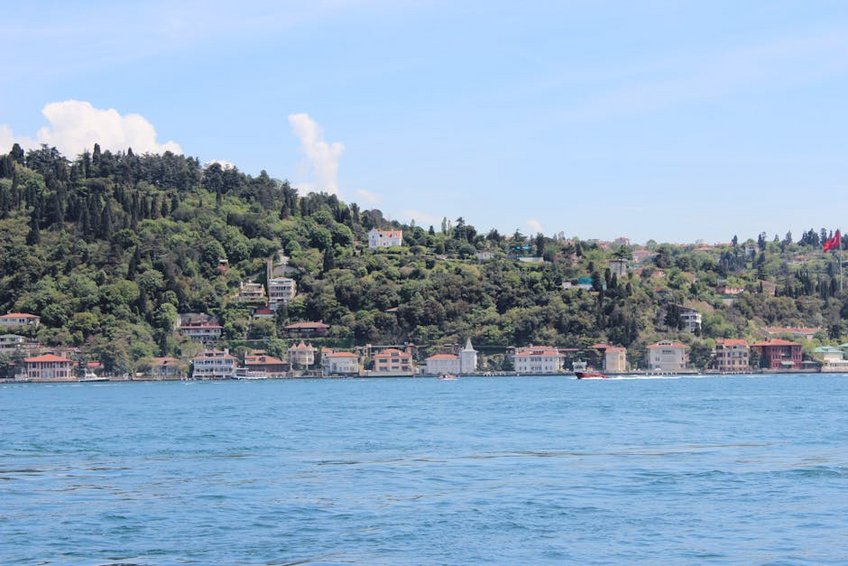
Exploring Wine Routes in the Marmara Region
The Marmara Region of Turkey offers a surprisingly diverse and historically rich wine tourism landscape, weaving together ancient viticultural traditions with modern winemaking innovation. This northwestern corner of the country provides a unique itinerary where you can sample distinctive local grapes like Papazkarası and Şarköy within a few hours of Istanbul. Your journey along these wine routes promises cultural depth, scenic vineyard views, and a genuine taste of a burgeoning wine destination.
Essential Turkish Wine Country Information
Turkey’s Marmara region encompasses the European part of Thrace and the Asian side surrounding the Sea of Marmara. This area benefits from a transitional climate, with Mediterranean warmth meeting Balkan continental influences, creating ideal conditions for a wide range of grape varieties. Viticulture here dates back thousands of years, with historical evidence linking the area to ancient wine production and trade routes that supplied the Byzantine and later Ottoman empires.
Modern Turkish wine has undergone a significant renaissance, with Marmara at its heart. The region is home to both large, established producers and boutique family-owned wineries, many of which have invested heavily in tourism infrastructure. Understanding this blend of old and new is key to appreciating the full scope of your tasting experience, from rustic, traditional wines to internationally styled award-winners.
Key Wine Regions Within Marmara
Focus your exploration on these primary zones, each with a distinct character.
- Thracian Vineyards (Tekirdağ & Şarköy): The heartland of Turkish red wine production, famous for full-bodied reds made from local varieties like Papazkarası and international staples like Cabernet Sauvignon, all grown in clay-limestone soils near the coast.
- Gallipoli Peninsula (Gelibolu): Offers stunning coastal views alongside vineyards. Wineries here often focus on crisp white wines and rosés, benefiting from the maritime breeze, and provide poignant historical context from the WWI battlefields nearby.
- North Marmara (Kırklareli & Surrounds): A cooler, forested area producing elegant, aromatic whites and lighter-bodied reds. This emerging zone is perfect for discovering boutique producers and experimental blends off the main tourist trail.
- Budget Traveler ($70-100 USD/day): Focus on 1-2 paid tastings, enjoy picnic lunches from local markets, stay in guesthouses or budget hotels in towns like Şarköy, and use local dolmuş (shared minibuses) for limited transport between nearby wineries.
- Mid-Range Explorer ($150-250 USD/day): Includes 2-3 winery tours with tastings, lunches at winery restaurants, a comfortable rental car, and stays in charming boutique hotels or vineyard cottages. This offers the best balance of experience and value.
- Luxury Connoisseur ($350+ USD/day): Features private guided tours with winemakers, gourmet multi-course pairing meals at top estates like Suvla or Château Kalpak, a private driver, and luxury accommodation at high-end vineyard resorts or design hotels.
- GoTürkiye – Official Tourism Portal of Turkey
- Wine Folly – Guide to Turkish Wine Regions
Understanding Turkish Wine Labels
Navigating a Turkish wine list involves recognizing key terms. “Şarap” simply means wine. “Yerli Üzüm” indicates wine made from native Turkish grapes, which is a major highlight of the region. “Kalite Şarap” denotes quality wine from a specific designated region.
You will also see “Öküzgözü” or “Boğazkere” from eastern Anatolia, but in Marmara, seek out “Papazkarası” (a light-bodied red), “Şarköy” (a region and a grape), and “Sultaniye” (a seedless white grape). Knowing these terms will significantly enhance your tasting selections and overall experience.
Cultural Context and Tasting Etiquette
Wine tasting in Turkey is a relaxed and social affair. It is customary to pair wines with meze (small appetizer dishes), and wineries often provide local cheese, olives, and bread. Tasting fees are common but usually modest, ranging from $5-15 USD, and are frequently waived if you purchase a bottle.
While reservations are not always mandatory at larger wineries, they are strongly recommended for boutique estates and essential for tours. Dress is generally smart-casual, and it’s polite to engage with the staff about the wines, as they are typically very knowledgeable and proud of their products.
Alt: “thracian-vineyard-tekirdag-turkish-wine-tasting-scenery”
Wine Routes in the Marmara Region – Planning Your Trip
Successfully navigating the wine routes in the Marmara region requires thoughtful logistics. The area is spread out, and while some clusters exist, travel between major zones like Tekirdağ and the Gallipoli Peninsula involves a 2-3 hour drive. Renting a car is by far the most flexible and recommended option, allowing you to visit remote vineyards and stop at scenic viewpoints at your own pace.
For a focused trip, plan to explore one sub-region in depth over 2-3 days rather than trying to cover the entire Marmara area. This allows for relaxed tastings, vineyard tours, and enjoying the local cuisine. Many wineries require advance booking for tours, especially those offering English guidance, so contacting them 24-48 hours ahead is a prudent step.
Best Time to Visit Marmara’s Wine Country
The ideal visiting window for the Marmara wine routes spans from late April through early June and again from September to October. During these spring and autumn months, daytime temperatures range from a pleasant 65-80°F (18-27°C), the vineyards are green and vibrant, and the tourist crowds are manageable. Harvest season (usually September) is a particularly exciting time to visit.
Summer (July-August) can be hot, with temperatures exceeding 86°F (30°C), which can make touring less comfortable. Winters are cool and wet, with some wineries having reduced hours or being closed for tours. The landscape is still beautiful, but the experience is more focused on indoor tastings.
Budget Planning and Costs
A realistic daily budget covers tastings, meals, transport, and lodging.
Essential Preparation Checklist
Secure an international driver’s license if renting a car, and ensure your rental agreement includes coverage for rural roads. Pack comfortable walking shoes for vineyard tours, a light jacket for cool evenings, and a reusable water bottle. Download offline maps (Google Maps or Maps.me) as cell service can be spotty in rural vineyard areas.
For documentation, U.S., U.K., and EU passport holders can obtain an e-Visa online before travel. While not mandatory, travel insurance that covers rental car incidents is wise. Book your rental car and central accommodation at least one month in advance for peak season visits to ensure availability and better rates.
Top Wine Routes and Tasting Experiences
The Thracian wine route, centered on Tekirdağ, is the most famous and accessible trail. This route strings together historic wineries along the Marmara Sea coast, where you can taste robust reds while enjoying views of the water. A typical day might include a tour of a large, modern facility followed by a visit to a smaller, family-run estate for contrast.
The Gallipoli wine route offers a profoundly different experience, blending viticulture with history. Visiting vineyards here is often accompanied by reflections on the peninsula’s past. The wines tend to be fresher and more mineral-driven, perfectly suited to seafood meze enjoyed at a seaside tasting room.
Must-Visit Wineries and Estates
Start with Suvla Winery on the Gallipoli Peninsula. It boasts a stunning modern facility, excellent restaurant, and a wide range of wines that beautifully express the local terroir. Booking a tour and lunch here is a highlight. Another top choice is Château Kalpak in Şarköy, known for its Bordeaux-style blends and panoramic views over the vineyards to the sea.
For a boutique experience, seek out Gali Winery in Kırklareli. It focuses on organic practices and native grapes in a serene, forested setting. Alternatively, Melen Winery near Tekirdağ offers a more intimate visit, often with the chance to meet the winemakers directly and taste limited-production wines not widely available.
Hidden Gems and Local Favorites
Venture slightly off the main roads to find vineyards like Gürbüz Winery, a family-owned operation where you might be hosted by the owners themselves. Their focus on the Papazkarası grape provides an authentic taste of Thracian tradition. In the same vein, ask at local restaurants in Şarköy for recommendations on smaller producers who may welcome visitors by appointment only.
Don’t overlook the “wine houses” in towns like Eceabat or Gelibolu. These are not full wineries but charming shops and tasting bars run by local vineyards, offering a convenient and relaxed way to sample regional wines without the need to drive to remote estates. They often have the best local knowledge.
Combining Wine with Historical Tours
The region’s history is inseparable from its wine. Many tour operators and some wineries themselves offer combined itineraries. You can spend a morning visiting the poignant ANZAC Cove and Gallipoli battlefields with a knowledgeable guide, followed by an afternoon wine tasting that reflects on the land’s resilience and renewal. This thematic connection adds a powerful layer of meaning to your journey.
Practical Travel Information for Marmara
Istanbul is the primary gateway for exploring the Marmara wine routes. You will likely fly into Istanbul Airport (IST) or Sabiha Gökçen Airport (SAW). From there, renting a car is the most efficient next step. The drive to the core wine region in Tekirdağ takes about 1.5-2 hours from European Istanbul, depending on traffic.
Public transportation exists but is not ideal for a wine tour. You can take a bus from Istanbul to cities like Tekirdağ or Çanakkale, but from there, reaching individual wineries requires taxis or local tours. For true flexibility and access to the most interesting boutique producers, a rental car is the clear recommendation.
| Accommodation Type | Best For | Price Range (USD/Night) |
|---|---|---|
| Vineyard Guesthouse/Cottage | Immersive experience, rural tranquility, waking up in the vines | $80 – $180 |
| Boutique Hotel (Şarköy/Eceabat) | Character, local charm, walkable to restaurants and sea | $60 – $140 |
| Design Hotel / Vineyard Resort | Luxury, full amenities, spa, gourmet dining on-site | $200 – $400+ |
| City Hotel (Tekirdağ/Çanakkale) | Convenience as a hub, wider dining options, easier access to car rental | $50 – $120 |