Volcano Tour in Indonesia: An Adventurer’s Ultimate Guide
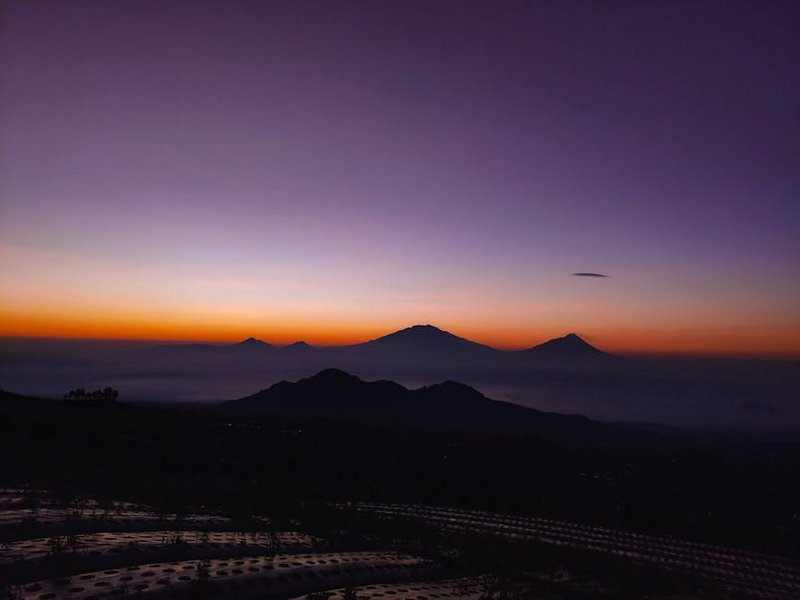
An Indonesian volcano tour immerses you in the dramatic landscapes of the Pacific Ring of Fire, where over 120 active peaks offer treks through steaming craters, sulfurous vents, and vibrant sunrise vistas. This travel experience connects you with powerful geological forces and rich local cultures, from the spiritual heights of Mount Bromo to the serene lakes of Mount Rinjani. Your journey requires careful planning around seasons, physical preparation, and selecting the right guides to ensure a safe and profoundly memorable exploration of these natural wonders.
Indonesia’s Volcanic Landscape
Indonesia’s archipelago sits atop massive tectonic collisions, creating the most active volcanic zone on Earth. This geological drama has shaped the nation’s fertile islands, distinct cultures, and spiritual beliefs for millennia. Travelers witness firsthand the raw power that continues to build and reshape the landscape.
Each region offers a different character, from Java’s easily accessible giants to the remote wilderness expeditions in Sumatra or Sulawesi. The climate varies significantly, with dry seasons presenting the best conditions for summit attempts. Understanding these regional differences is key to planning a successful itinerary.
Understanding Volcanic Activity
Safety is the paramount concern when exploring active geological sites. Indonesian authorities monitor activity levels closely, and access to certain areas can change with little notice.
- Always check the latest alerts from the Center for Volcanology and Geological Hazard Mitigation (PVMBG) before and during your trip, as eruption statuses are updated regularly.
- Respect all closure zones and guidance from local park rangers, who have the most current information on gas emissions, seismic activity, and trail safety.
- Be prepared for itinerary changes; having flexible travel plans and alternative hikes in mind ensures your adventure continues smoothly even if one volcano is off-limits.
- Budget travelers can manage on $400-$600, joining group tours for major peaks like Bromo or Ijen, using public transportation between sites, and staying in basic homestays. This covers guide fees, permits, and shared minivan transport but involves minimal frills and requires flexibility.
- Mid-range explorers should budget $800-$1,200 for private guides on 2-3 volcanoes, comfortable boutique hotels, and private car transfers between trailheads. This tier includes better equipment rental, more personalized itineraries, and often covers meals during multi-day treks like Rinjani.
- Luxury adventurers will spend $2,000+ for fully customized, private expeditions with premium gear, stays in top eco-lodges, and charter flights between islands. This includes specialized guides for photography or geology, porters for all equipment, and gourmet meal support even on remote trails.
- Indonesia Tourism – Official Travel Guide
- Center for Volcanology and Geological Hazard Mitigation (PVMBG)
Essential Regions for Volcanic Trekking
Java is the most popular starting point, home to iconic peaks like Mount Bromo, Ijen, and Merapi that are well-served by tourism infrastructure. Easier access makes these ideal for first-time visitors or those with limited time, offering stunning vistas without multi-day expedition logistics. You can typically visit two or three major volcanoes in a week-long Java itinerary.
For a more remote experience, consider Lombok’s Mount Rinjani or the volcanoes of Flores like Kelimutu. These destinations often require longer, more strenuous treks but reward with incredible crater lakes and fewer crowds. Sumatra’s Gunung Sinabung and Kerinci present true wilderness challenges for seasoned adventurers seeking untouched paths.
Cultural and Spiritual Significance
Volcanoes are deeply woven into Indonesian spirituality, viewed as sacred abodes of gods and ancestors. Local communities, like the Tenggerese around Bromo, perform annual ceremonies called Yadnya Kasada, offering sacrifices into the crater. Recognizing this spiritual dimension adds profound depth to your visit beyond the physical scenery.
Engage with local guides who can share these stories and explain traditional beliefs. This respect for cultural context transforms a simple hike into a meaningful cross-cultural exchange. Your presence supports local economies that have adapted to living in the shadow of these powerful mountains.
Alt: “mount-bromo-sunrise-volcano-crater-indonesia-java”
Volcano Tour in Indonesia – Planning Your Adventure
Carefully organizing your volcano tour in Indonesia is crucial for safety, enjoyment, and value. Key decisions involve timing your visit during the dry season, selecting routes that match your fitness level, and booking reputable local operators. A well-planned trip maximizes your chances of clear summit views and minimizes logistical headaches.
Budget realistically for guided treks, permits, and necessary gear rental. While independent trekking is possible on some peaks, most active volcanoes require local guides for safety and regulation compliance. Allocate funds for travel between islands, as Indonesia’s vast geography often requires domestic flights or long ferry rides.
Physical preparation should begin weeks before departure, with a focus on cardiovascular endurance and leg strength for steep, often uneven trails. Acclimatize to altitude gradually, especially for summits above 2,500 meters. Packing the right layers is essential for temperature swings from hot base camps to freezing pre-dawn summits.
Best Time to Visit Indonesian Volcanoes
The prime window for volcano trekking runs from April to October, during Indonesia’s dry season. June through August offers the most stable weather with minimal rainfall, providing clear skies for sunrise views and safer trail conditions. Temperatures at base camps range from 70-85°F (21-29°C), while summits can drop to near freezing, 32-40°F (0-4°C).
Shoulder months like April-May and September-October present good alternatives with slightly higher rain chances but fewer tourists. The wet season from November to March brings heavy rains, frequent cloud cover, and slippery, dangerous trails, making many summit attempts impractical. However, some lower-elevation volcanic areas remain accessible year-round with proper precautions.
Budget Planning and Costs
Costs vary dramatically based on trek duration, island location, and comfort level. This breakdown estimates per-person expenses for a one-week volcano-focused trip.
Essential Preparation Checklist
Your packing list must address variable mountain weather and rugged terrain. Critical items include broken-in waterproof hiking boots, moisture-wicking base layers, insulated jackets, headlamps with extra batteries, and a quality daypack. Many operators rent sleeping bags and tents, but bring your own for comfort and hygiene on multi-day climbs.
Documentation requires a passport valid for six months beyond your stay; most nationalities receive a 30-day visa on arrival. Purchase travel insurance with explicit medical evacuation coverage for high-altitude trekking. Begin booking guided tours 2-3 months in advance for the dry season, especially for popular routes up Rinjani or Ijen’s blue fire hike.
Top Volcanic Destinations and Treks
Indonesia’s diverse islands offer volcanic experiences ranging from sunrise jeep tours to multi-day jungle expeditions. Each major peak presents unique landscapes, from turquoise acid lakes to vast caldera deserts, ensuring that no two climbs feel the same. Balancing iconic must-see locations with off-the-beaten-path gems creates a richly varied adventure.
Accessibility varies significantly, with Java’s well-trodden paths suitable for most fitness levels while Sumatran volcanoes demand true expedition spirit. Consider combining different types of experiences—a sunrise view at Bromo followed by a challenging overnight trek on Rinjani—to fully appreciate the spectrum of Indonesia’s fiery mountains. Local guides enhance each visit with geological insights and cultural stories.
Must-See Volcanic Highlights
Mount Bromo in East Java delivers Indonesia’s most iconic volcanic panorama, with its steaming crater set inside the vast Tengger Caldera sea of sand. Most visitors take a jeep tour for a pre-dawn ascent to Mount Penanjakan viewpoint, watching sunrise paint the scene in brilliant colors. The final climb up Bromo’s concrete staircase to the crater rim is manageable for most, with horse rentals available for the sandy approach.
Ijen Crater in East Java features a stunning turquoise acid lake and the famous blue fire phenomenon, visible only during a strenuous midnight hike. The sight of sulfur miners carrying heavy loads up the treacherous path provides a humbling perspective on local livelihoods. Hiking down into the crater at night requires gas masks due to toxic fumes, which can be rented at the trailhead.
Mount Rinjani on Lombok presents a challenging 2-3 day trek to Indonesia’s second-highest volcano, rewarding climbers with views of the spectacular Segara Anak crater lake. The summit push for sunrise views over Bali and Lombok is strenuous but unforgettable, traversing loose volcanic scree. Organized tours from Senaru or Sembalun villages include mandatory guides, porters, and all camping equipment.
Hidden Gems and Local Favorites
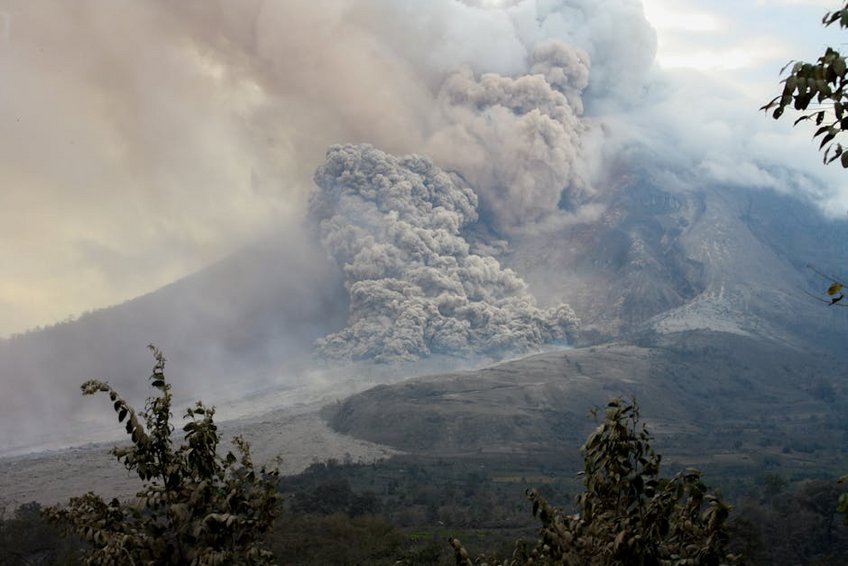
Beyond the famous trio, Mount Semeru—Java’s highest peak—offers a demanding 2-3 day expedition through diverse ecosystems to its continuously erupting Mahameru summit. This active stratovolcano emits regular ash plumes, adding drama to the climb, but requires careful monitoring of activity levels. The trail passes through the beautiful Ranu Kumbolo lake, a perfect camping spot.
On Flores, the tri-colored crater lakes of Kelimutu change colors unpredictably due to mineral reactions, creating one of Indonesia’s most surreal landscapes. The hike itself is relatively easy, making it accessible for travelers of all ages who wish to witness this geological marvel. Combine this with visits to traditional Ngada villages nearby for a complete cultural experience.
Volcano and Culture Combination Tours
Many operators now combine volcanic treks with cultural immersion, such as visiting the Tenggerese villages around Bromo or the Sasak communities on Lombok. These tours often include homestays, traditional meal preparations, and explanations of local spiritual relationships with the mountains. This approach provides deeper context and distributes tourism benefits more broadly within communities.
Yogyakarta serves as an excellent base for combining volcano trekking on Mount Merapi with cultural exploration of Borobudur and Prambanan temples. You can tour Merapi’s devastated lava zones by jeep during the day and attend traditional Ramayana ballet performances at night. This blend highlights how volcanic activity has both destroyed and fertilized the region for centuries.
Practical Travel Information
Navigating Indonesia’s infrastructure requires patience and planning, especially when moving between islands for different volcanic regions. Domestic flights on carriers like Garuda Indonesia, Lion Air, or Citilink connect major hubs, while ferries and fast boats serve shorter inter-island routes. Always build buffer days into your itinerary for potential weather or transport delays.
Accommodation ranges from basic mountain homestays near trailheads to luxurious eco-resorts with volcano views. Booking platforms like Booking.com or Agoda offer wide selection, but for remote areas, arranging stays through your trekking operator is often more reliable. Wi-Fi connectivity is generally good in cities but becomes spotty or nonexistent in mountainous regions.
| Service Category | Options and Features | Price Range (USD) |
|---|---|---|
| Guided Day Trek | Includes transport from nearby town, guide, permits, basic meals, and gear rental (mask, headlamp). | $40 – $100 |
| Multi-Day Expedition | Covers all camping equipment, porters, guides, park fees, and meals for 2-4 day climbs like Rinjani. | $200 – $500 |
| Private Car with Driver | Flexible transport between volcanoes on same island, typically includes fuel and driver accommodation. | $40 – $80 per day |
| Domestic Flight (one-way) | Connects major hubs like Jakarta-Yogyakarta or Bali-Lombok; baggage limits strictly enforced. | $50 – $150 |