Mount Rainier Wildflower Season: Peak Blooms and Alpine Meadows
Mount Rainier wildflower season transforms Washington’s iconic peak into a vibrant tapestry of color from July through August, when subalpine meadows burst with lupine, paintbrush, and avalanche lilies. This annual floral display across Paradise and Sunrise areas offers unparalleled hiking opportunities amid 14,410-foot volcanic landscapes, with trails accessible for various skill levels and photography conditions. Your visit during peak bloom periods combines alpine scenery with wildflower ecology, requiring strategic timing and preparation for changing mountain weather patterns across different elevation zones.
Mount Rainier National Park Essentials
Mount Rainier National Park encompasses 369 square miles of ancient forests, glaciers, and volcanic terrain in Washington’s Cascade Range, established as America’s fifth national park in 1899. The park’s elevation gradient from 1,600 to over 14,000 feet creates diverse ecosystems where wildflowers thrive in brief summer windows between snowmelt and first frost. These subalpine meadows represent some of North America’s most spectacular floral displays, with over 100 native species adapted to short growing seasons and nutrient-poor volcanic soils.
Understanding the Alpine Ecosystem
The park’s wildflower meadows exist in delicate balance with snowpack levels, temperature fluctuations, and pollination patterns that have evolved over millennia. These high-elevation environments face increasing climate pressures that can shift bloom timing and species composition across different aspects and slopes.
- Paradise area (5,400 feet) typically experiences snowmelt in early July, triggering sequential blooms from glacier lilies to magenta paintbrush over 4-6 weeks before autumn colors emerge.
- Sunrise region (6,400 feet) follows slightly later melt patterns with unique east-side species like alpine asters and mountain heather thriving in rockier terrain with different moisture retention.
- Lower elevation trails like Grove of the Patriarchs (2,800 feet) feature separate bloom cycles with trillium and calypso orchids appearing as early as May in old-growth forest settings.
- Budget travelers spend $60-100 daily using campgrounds at $20-30 nightly, bringing food for picnics, and focusing on free ranger programs while purchasing the $30 America the Beautiful annual pass for park entry.
- Mid-range visitors allocate $150-250 per day for vacation rentals outside the park, restaurant meals in Ashford or Packwood, and guided wildflower walks costing $25-45 per person through authorized operators.
- Luxury experiences run $350-500 daily with stays at Paradise Inn or National Park Inn from $250-400 nightly, private photography tours at $150-300, and fine dining at summit house restaurants with panoramic meadow views.
- National Park Service Mount Rainier Wildflowers
- Washington Trails Association Seasonal Hiking Guide
Historical Significance and Conservation
Native American tribes including the Nisqually, Puyallup, and Yakama nations have long harvested medicinal plants and edible berries from these meadows, with cultural traditions tied to seasonal bloom patterns. Early park advocates like John Muir documented these floral spectacles during late 19th-century expeditions, helping establish preservation efforts that continue through current meadow restoration programs.
Modern conservation initiatives focus on protecting fragile soils from erosion, managing visitor impact through designated trails, and monitoring climate change effects on phenology cycles. Rangers implement stay-on-trail policies during peak visitation to prevent damage to root systems that require decades to recover from compaction or trampling.
Wildflower Identification Basics
Distinguishing between similar species enhances your botanical experience while helping park staff monitor population health through citizen science opportunities. Many flowers have adapted specific survival strategies like hairy leaves for insulation or deep taproots for accessing water in rocky substrates.

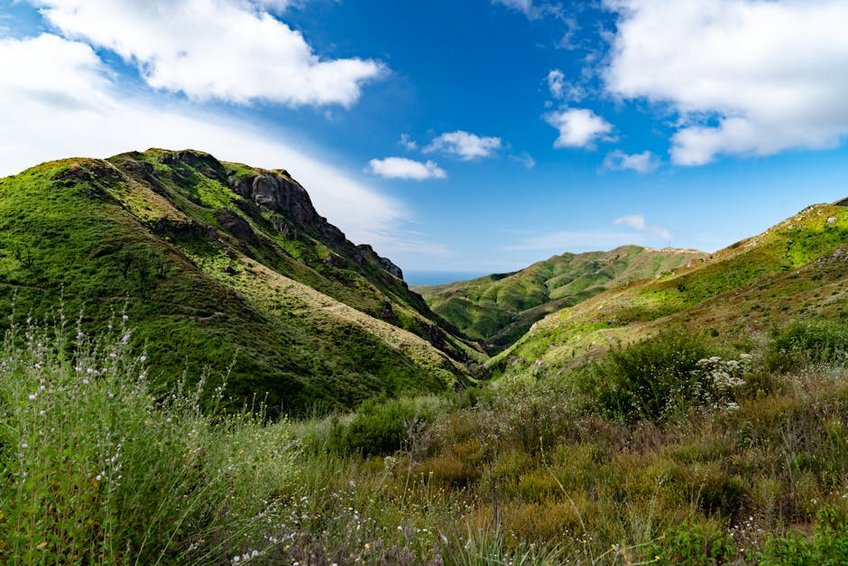
Alt: “mount-rainier-paradise-meadow-wildflower-bloom-summer”
Planning Your Mount Rainier Wildflower Season Trip
Successful Mount Rainier wildflower season visits require balancing peak bloom timing with crowd avoidance, as mid-July through early August brings both floral abundance and maximum visitor numbers to limited parking areas. Your itinerary should incorporate flexibility for weather changes that can obscure mountain views or create hazardous hiking conditions unexpectedly, with backup plans for lower-elevation alternatives during poor visibility. Reserve accommodations 4-6 months ahead for summer dates, especially for park lodges that fill quickly despite premium rates reflecting high demand periods.
Best Time to Visit for Peak Blooms
Prime wildflower viewing occurs between July 10th and August 20th in most years, with exact timing varying by 1-2 weeks depending on winter snowpack depth and spring temperatures. Paradise meadows typically peak during late July with temperatures ranging from 45-65°F (7-18°C), while Sunrise areas reach maximum color 7-10 days later due to higher elevation and later snowmelt patterns.
Shoulder season visits in early July or late August offer smaller crowds with still impressive displays, though you might miss some star species like bear grass or subalpine daisies at their absolute peak. Check the park’s wildflower bloom tracker online for current conditions, as microclimates can create significant variation between south-facing and north-facing slopes within the same area.
Budget Planning and Costs
Mount Rainier visits span budget ranges from camping to luxury lodges, with park entry fees adding to overall expenses during summer months.
Essential Preparation Checklist
Mountain weather changes rapidly with afternoon thunderstorms common in summer, requiring layered clothing systems including waterproof jackets, insulated layers, and sun protection for exposed trails above tree line. Footwear should provide ankle support and traction for uneven terrain, with hiking poles recommended for stream crossings and descending steep sections of popular trails like Skyline Loop.
Documentation needs include the $15 per person 7-day park pass or annual interagency pass, printed reservation confirmations for campgrounds or tours, and digital copies of important contacts. Download offline maps since cell service remains unreliable throughout most park areas, and carry the ten essentials including navigation tools, emergency shelter, and extra food.
Top Wildflower Experiences and Activities
Mount Rainier’s floral displays concentrate in several distinct regions offering varied experiences from easy boardwalk access to challenging alpine routes with panoramic views. The Nisqually Vista Trail provides wheelchair-accessible wildflower viewing, while more adventurous hikers can explore off-trail areas with park guide supervision during designated programs.
Must-See Wildflower Meadows
Paradise area remains the park’s most famous wildflower destination with its historic inn, visitor center, and trail network showcasing paintbrush, lupine, and bistort against glacier views. The Skyline Trail loop spans 5.5 miles with 1,700 feet elevation gain, offering continuous floral displays and possible marmot or mountain goat sightings amid switchbacks through multiple ecological zones.
Sunrise region provides equally spectacular displays with fewer visitors, where the Sourdough Ridge Trail delivers 360-degree mountain vistas alongside alpine aster and penstemon colonies. Tipsoo Lake near Chinook Pass features iconic reflection photography opportunities with miniature wildflower gardens circling its shoreline, accessible via a gentle 0.5-mile loop suitable for all ability levels.
Hidden Gems and Local Favorites
Summerland Trail beyond White River Campground rewards determined hikers with secluded meadows featuring elephant head orchards and gentian blooms rarely seen by day visitors. The trail gains 1,500 feet over 4.5 miles to reach pristine basins where wildflowers continue later into August due to specific microclimate conditions.
Bench Lake and Snow Lake trails offer moderate alternatives with reliable water sources supporting diverse floral communities, while Spray Park via Mowich Lake accesses dramatic displays with far fewer visitors than main park corridors. Local guides recommend early morning starts to experience these areas in optimal light while avoiding afternoon heat that causes flowers to close.
Photography Techniques for Wildflowers
Successful wildflower photography incorporates morning or late afternoon light for enhanced colors, with polarizing filters reducing glare from wet vegetation and highlighting delicate petal textures. Composition strategies include using leading lines of blooms to draw attention toward mountain backgrounds, while macro lenses capture intricate details of individual species like the fuzzy leaves of wooly sunflower.
Practical Travel Information and Logistics
Mount Rainier National Park operates four main entrances with varying services, where summer weekends create significant congestion particularly at Paradise and Sunrise between 10 AM and 2 PM. Parking fills completely by mid-morning during peak wildflower weeks, making early arrival essential for securing spots at popular trailheads without lengthy waits.
| Accommodation Type | Location and Features | Price Range (USD) |
|---|---|---|
| Campgrounds | Park-operated sites with picnic tables, fire rings, and vault toilets at Cougar Rock and White River | $20-30/night |
| Vacation Rentals | Cabins and homes in Ashford and Packwood with full kitchens, often including hot tubs and mountain views | $150-300/night |
| Park Lodges | Historic Paradise Inn and National Park Inn with restaurant dining, gift shops, and guided activity desks | $250-400/night |
| Hotels | Chain properties in Eatonville and Enumclaw with pools, breakfast included, and 45-60 minute drives to park | $120-200/night |