Underground Cities in Cappadocia: Your Guide to the Subterranean World
Carved into the soft volcanic rock of central Turkey, the underground cities in Cappadocia represent one of history’s most astonishing feats of survival engineering. These vast subterranean complexes provided refuge for thousands of people, complete with ventilation shafts, stables, churches, and wineries, all hidden from invading forces. This guide details everything you need for your visit, from navigating the deepest tunnels to understanding the region’s complex history.
Essential Historical and Geological Background
The creation of Cappadocia’s underground cities began in the Hittite era around 2000 BC, with expansion continuing through the Byzantine period. The region’s unique soft tufa rock, formed from ancient volcanic ash, made this large-scale carving possible. Early Christians from the Roman era later perfected these hideouts, adding sophisticated security systems against persecution.
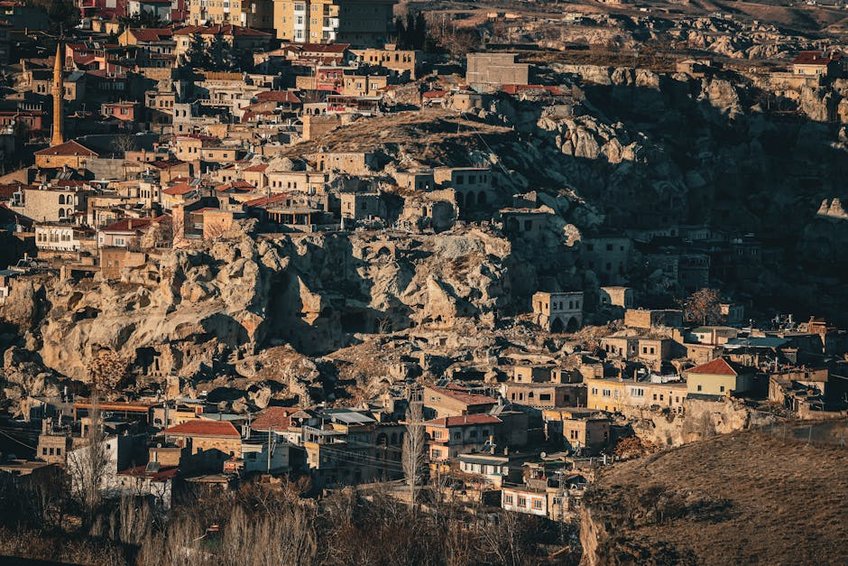
Geologically, the fairy chimney landscape above ground directly relates to the stability of the structures below. The tufa hardened upon exposure to air, creating durable yet workable spaces. This combination of natural resource and human ingenuity resulted in multi-level cities that could sustain communities for months.
How the Cities Were Built and Used
The construction followed a brilliant defensive logic. Everything served the primary purpose of protection and secrecy.
- Massive circular stone doors, weighing up to 500 kilograms, sealed main passages from the inside and could only be opened by those within the city.
- Elaborate ventilation shafts, sometimes extending 80 meters to the surface, provided fresh air and maintained stable temperatures around 13°C (55°F) year-round.
- Intricate tunnel networks were designed with low, narrow passages, forcing invaders to crouch single-file, making them vulnerable to defenders.
- Budget: Self-guided visits cost $10-$15 for entry tickets and a rental car ($35-$50/day). Stay in Göreme hostels ($20-$30/night) and use the regional museum pass (approx. $40 for 15 sites). Total daily cost: $70-$100 per person.
- Mid-Range: Join a small-group guided tour ($50-$80 per person) including transport, entries, and lunch. Stay in a cave hotel ($80-$150/night). This offers excellent value through expert narration and logistical ease. Total daily cost: $150-$250 per person.
- Luxury: Private guided tours with a historian ($200-$400/day) and stays in boutique cave suites with panoramic views ($250-$500/night). Includes special access and curated itineraries focusing on photography or deep-history themes. Total daily cost: $500+ per person.
- Republic of Turkey Ministry of Culture and Tourism – Nevşehir
- UNESCO World Heritage Centre – Göreme National Park
Key Historical Periods of Use
The cities saw most intensive use during the Arab–Byzantine wars between the 7th and 11th centuries. During this time, entire communities—including livestock—would disappear underground for weeks. They were used sporadically as late as the 20th century by locals hiding from Ottoman tax collectors.
Each historical layer added new features; Byzantine inhabitants carved elaborate cruciform churches and wine presses into the deep levels. The cities were not continuous living spaces but crucial emergency shelters, stocked with supplies and connected to surface villages by hidden entrances.
The Discovery and Modern Archaeology
Many entrances were known locally but not systematically explored until the 1960s. Derinkuyu’s rediscovery in 1963, when a resident found a mysterious room behind a wall in his home, sparked major archaeological interest. Modern excavations use laser scanning and ground-penetrating radar, revealing these are likely part of a much larger, connected subterranean network across Cappadocia.
Alt: “derinkuyu-underground-city-tunnel-passage-cappadocia-turkey”
Underground Cities in Cappadocia – Planning Your Trip
Visiting these architectural wonders requires thoughtful preparation due to their physical nature and remote locations. The experience involves navigating narrow passages, steep staircases, and confined spaces, which can challenge those with mobility issues or claustrophobia. Proper planning ensures you appreciate their scale and history comfortably.
Your itinerary should balance underground exploration with above-ground attractions like the Göreme Open-Air Museum and valley hikes. Most travelers allocate two to three days for a comprehensive Cappadocia visit, dedicating one full day to the subterranean sites. Booking a knowledgeable guide is highly recommended to unlock the complex stories behind the stone.
Best Time to Visit the Underground Cities
The ideal months are April-May and September-October, when daytime surface temperatures range from 15-25°C (59-77°F) and crowds are manageable. The underground cities maintain a constant cool temperature of 12-15°C (54-59°F), making them a refreshing escape in summer but surprisingly chilly in winter.
Summer (June-August) brings intense heat above ground but significant crowds and long wait times at popular sites like Derinkuyu. Winter offers solitude but some smaller sites may have reduced hours. Spring and fall provide the perfect balance of pleasant weather and accessibility for a full day of exploration.
Budget Planning and Costs
Costs can vary based on your touring style and access to guided expertise.
Essential Preparation Checklist
Packing correctly is crucial for safety and comfort in the low-ceilinged, uneven environments below ground. Wear sturdy, rubber-soled shoes with excellent grip for slippery stone stairs and paths. Dress in warm, removable layers—a light jacket or fleece is essential for the constant subterranean chill, even in summer.
Ensure your travel insurance covers adventure activities and verify entry requirements; most Western passport holders need an e-Visa for Turkey ($50-$70). Book accommodations and popular guided tours at least one month in advance for peak seasons. Carry a small backpack with water, a flashlight (phone lights suffice), and any necessary medication.
Top Cities and Subterranean Attractions
Cappadocia boasts over 200 known underground settlements, but only a handful are open and accessible to the public. Each offers a unique perspective on underground life, from the mind-boggling depth of Derinkuyu to the ornate religious carvings of Kaymaklı. Prioritizing which to visit depends on your interests, time, and comfort with confined spaces.
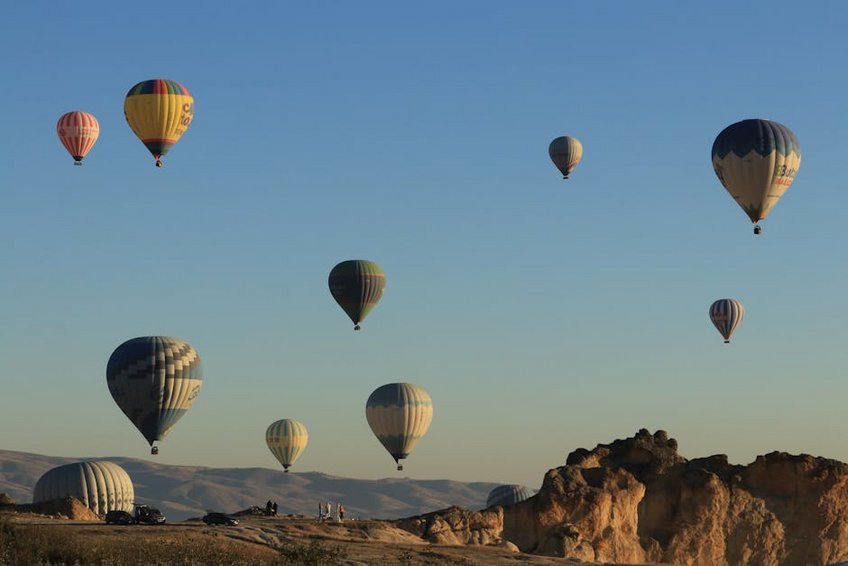
These are not standalone attractions but part of a integrated historical landscape. Pairing a city visit with a hike through Rose Valley or a hot air balloon flight at dawn provides context, showing how surface life connected to the hidden world below. The scale becomes truly appreciable from the air.
Must-See Underground Cities
Derinkuyu is the deepest excavated city, plunging approximately 85 meters (280 feet) over eight accessible floors. Its most impressive features include a massive cruciform church on the seventh level and a sophisticated 55-meter ventilation shaft. Allow at least two hours to explore its sprawling layout.
Kaymaklı, a UNESCO World Heritage site, spreads wider but not as deep as Derinkuyu. It’s renowned for its intricate living quarters, spacious stables, and cleverly designed communal kitchens. The tunnels here feel more expansive, making it a better choice for visitors who are tentative about tight spaces.
Özkonak Underground City is less visited but fascinating for its unique communication system of carved pipes between levels. Smaller and less restored, it offers a more raw, adventurous feel. Mazıköy and Tatlarin are other notable sites featuring impressive storage rooms and well-preserved frescoes, respectively.
Hidden Gems and Lesser-Known Sites
For those looking to escape the tour buses, several smaller complexes offer intimate exploration. The Gaziemir Underground City functioned primarily as a caravanserai, with large open areas for traders and their animals. Its architecture suggests a different commercial purpose compared to the defensive strongholds.
The underground complexes beneath the villages of Güzelyurt and Sivrihisar are often overlooked. They are typically accessed through local guides who can arrange visits, providing a more authentic and personal experience. These sites are less manicured, giving a clearer sense of their original, rough-hewn state.
Connecting with Above-Ground History
The Göreme Open-Air Museum, with its rock-cut churches and stunning Byzantine frescoes, is the perfect surface companion to the underground world. It shows the religious and artistic life that flourished when communities were not in hiding. The Zelve Open-Air Museum, an abandoned cave village, illustrates the continuity of troglodytic living into the modern era.
Practical Travel and Logistics Information
Navigating the Cappadocia region requires understanding its decentralized layout. The main tourist hub is Göreme, offering the widest selection of hotels, restaurants, and tour operators. The underground cities themselves are scattered in towns 20-40 minutes drive away, making transportation planning essential.
Public transportation exists but is infrequent and doesn’t directly serve all sites. Most travelers find that renting a car or booking tours provides the most efficient use of time. The roads are generally well-maintained, and signage to major sites like Derinkuyu is clear and in both Turkish and English.
| City Name | Key Features & Depth | Entry Fee (USD) & Visit Time |
|---|---|---|
| Derinkuyu | Deepest city (85m), large church, ventilation shaft, 8 open levels. | $12, allow 2+ hours |
| Kaymaklı | Wide complex, stables, kitchens, UNESCO site, less cramped. | $10, allow 1.5 hours |
| Özkonak | Unique pipe communication system, smaller, less crowded. | $6, allow 1 hour |
| Gaziemir | Caravanserai style, large communal spaces, different purpose. | $5, allow 1 hour |