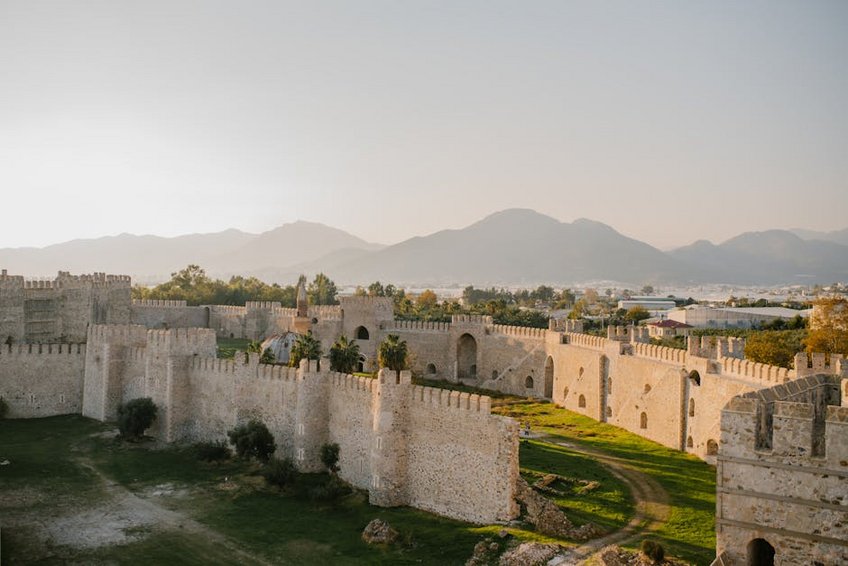
Turkey Kızkalesi Sea Castle: Your Mediterranean Island Adventure
The Turkey Kızkalesi Sea Castle stands as a stunning medieval fortress on a small island just off the Mersin coast, accessible by regular boat tours from the mainland. This architectural marvel dates back to the Byzantine era, offering visitors a unique blend of history, swimming opportunities in turquoise waters, and panoramic views of the Turkish Riviera. Your visit combines ancient exploration with modern beach relaxation, making it an ideal day trip or longer stay along this scenic coastline.
Essential Historical and Cultural Background
Kızkalesi, meaning “Maiden’s Castle,” was originally constructed in the 12th century under Byzantine Emperor Alexios I Komnenos to protect the region from naval attacks. The castle island measures approximately 150 meters from the shore, with its well-preserved walls and towers telling stories of Crusader, Armenian, and Ottoman occupations over centuries. Local legends speak of a princess imprisoned there to avoid a prophesied death, adding mythical allure to the stone ruins.
The surrounding area features additional historical sites like the ancient city of Korykos on the mainland, where you can explore necropolises and cisterns dating to Roman times. This coastal region served as a vital trade hub connecting Anatolia with Mediterranean civilizations, leaving layers of archaeological wealth. Modern preservation efforts maintain the castle’s structural integrity while allowing safe public access year-round.
Key Historical Facts and Timeline
Understanding the castle’s chronology enhances your appreciation of its architectural details and strategic importance.
- Byzantine Construction (1104 AD): Originally built as a coastal defense fortress, with initial walls standing 15 meters high and featuring eight defensive towers around its perimeter.
- Crusader Period (12th-13th Centuries): Expanded by Armenian Kingdom of Cilicia rulers, who added the inner keep and improved living quarters for garrison troops stationed on the island.
- Ottoman Era (15th Century): Converted into a minor naval outpost, with some modifications to accommodate cannons and smaller defensive needs during the empire’s Mediterranean expansion.
- Budget travelers spend $50-80 daily using hostels or guesthouses, public transportation from Mersin, self-guided castle tours, and meals at local lokantas. This covers castle entrance at $5, boat transfer at $8, and simple accommodation at $25-40 nightly.
- Mid-range visitors allocate $100-150 daily for boutique hotels, rental car convenience, guided castle tours, and restaurant dining. This includes $60-90 hotels, $30 daily car rental, $15 guided tour, and $25 daily meals.
- Luxury experiences cost $200-300 daily featuring beachfront resorts, private boat charters, multi-day guided tours, and fine dining. Resort stays average $120-180, private boats $50-100, and premium tours $40-60 including transportation.
- Turkish Ministry of Culture and Tourism
- Lonely Planet Mediterranean Turkey Guide
Location and Geographical Context
Kızkalesi Castle sits 300 meters offshore in the Mediterranean Sea, within Turkey’s Mersin Province along the country’s southern coastline. The castle island covers roughly two acres, with the mainland village of Kızkalesi providing all tourist services, hotels, and beach facilities. This region enjoys a typical Mediterranean climate with hot, dry summers and mild, rainy winters, perfect for year-round cultural tourism.
Accessibility remains excellent, with the castle visible from the sandy beaches and connected by frequent boat departures throughout daylight hours. The area forms part of the Turkish Riviera, known for its clean beaches, ancient ruins, and resort developments catering to international visitors. Nearby attractions include Heaven and Hell caves, Silifke Museum, and the Roman road remnants at Uzuncaburç.
Cultural Significance and Modern Role
This sea fortress represents an important example of medieval military architecture adapted to island defense strategies in the Eastern Mediterranean. Local communities celebrate the castle through annual festivals, traditional storytelling, and cultural events that highlight the region’s diverse heritage. Preservation projects balance tourism revenue with historical conservation, ensuring future generations can experience this unique site.
Modern visitors encounter the castle as both an archaeological wonder and recreational destination, with swimming and photography being popular activities around its shores. The site’s management under Turkey’s Ministry of Culture and Tourism guarantees professional maintenance while keeping entrance fees affordable for all travelers. Educational signage in Turkish and English explains key features and historical context throughout the castle grounds.
Planning Your Turkey Kızkalesi Sea Castle Trip
Organizing your visit to this island fortress requires considering seasonal weather patterns, transportation options from major cities, and accommodation choices along the coast. The Mediterranean climate brings hot, dry summers perfect for swimming but crowded conditions, while spring and autumn offer milder temperatures for exploration. Your Turkey Kızkalesi Sea Castle experience benefits from advance boat tour bookings, especially during peak visitation months from June through August.
Budget planning should account for castle entrance fees, boat transfer costs, and potential guided tour expenses, with total daily spending ranging from $50 to $150 per person. The mainland village provides various lodging options, from budget pensions to luxury resorts, all within walking distance of departure points. Pack lightweight clothing, swimwear, sturdy footwear for the castle ruins, and sun protection for extended outdoor exposure.
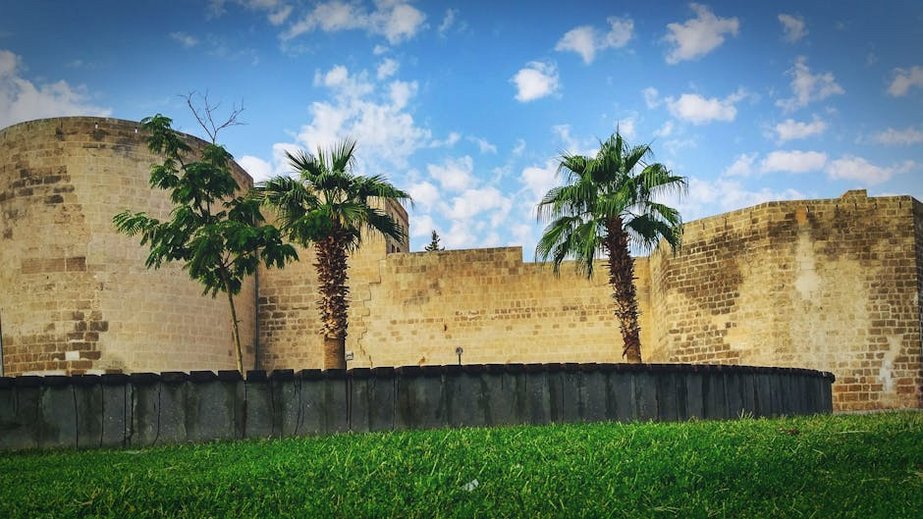
Alt: “kizkalesi-castle-island-mediterranean-sea-view”
Best Time to Visit Kızkalesi Castle
Peak season runs from June to August, when temperatures average 85-95°F (29-35°C) and sea conditions remain calm for swimming and boat access. These months bring larger crowds and higher accommodation prices, requiring advance reservations for hotels and preferred tour times. July sees the warmest water temperatures at 79°F (26°C), ideal for combining castle exploration with beach activities.
Shoulder seasons in April-May and September-October offer pleasant weather between 68-82°F (20-28°C) with fewer visitors and more affordable rates. Late spring features wildflower blooms along the coast, while autumn provides comfortable hiking conditions for nearby archaeological sites. Winter visits from November to March see temperatures of 50-64°F (10-18°C) with occasional rainfall but minimal crowds.
Budget Planning and Costs
Your expenses will vary based on accommodation style, dining preferences, and additional activities beyond the castle visit.
Essential Preparation Checklist
Pack lightweight, breathable clothing for warm weather, plus a light jacket for cooler evenings and possible boat spray during the transfer. Essential items include swimwear, water shoes for rocky areas, high-SPF sunscreen, a wide-brimmed hat, and reusable water bottles to stay hydrated throughout your exploration. Photography equipment should include polarized lenses to reduce water glare and capture the castle’s details against the bright Mediterranean light.
Documentation requires a valid passport with any necessary Turkish visa, comprehensive travel insurance covering water activities, and printed or digital copies of booking confirmations. Reserve boat tours and accommodations 2-3 weeks ahead for summer visits, checking weather forecasts for potential sea condition changes. Health preparations include basic motion sickness medication for boat travel and a small first-aid kit for minor scrapes at the archaeological site.
Top Attractions and Activities
The castle island itself provides the primary attraction, with its imposing walls, central keep, and panoramic viewing platforms overlooking the Mediterranean coastline. Visitors typically spend 2-3 hours exploring the ruins, climbing the preserved towers, and learning about the site’s history through informational plaques. Swimming from the small beach adjacent to the castle remains popular, with clear waters allowing snorkeling around the fortress foundations.
Mainland Kızkalesi village offers additional beaches, seafood restaurants, and souvenir shops featuring local crafts and products. The area serves as an excellent base for exploring other historical sites like the Korykos ancient city ruins just inland from the castle. Evening entertainment includes waterfront dining with castle views illuminated after dark, creating memorable photography opportunities.
Must-See Highlights
The castle’s main gate and defensive walls showcase original Byzantine masonry, with some sections standing 8 meters high despite centuries of exposure to sea elements. Inside the fortress, the central keep offers the best panoramic views, while underground cisterns demonstrate advanced water collection systems from the medieval period. Archaeological remains of garrison quarters and a small chapel help visitors imagine daily life for the soldiers stationed there.
Boat tours typically include circumnavigation of the island, providing unique perspectives of the fortress from all angles and opportunities for photography. Many operators offer combined tickets with nearby attractions like the Heaven and Hell caves, creating full-day excursion options. Sunset cruises provide particularly dramatic lighting for capturing the castle’s silhouette against colorful evening skies.
Hidden Gems and Local Favorites
Local fishermen sometimes offer informal tours to less-visited coastal caves and snorkeling spots near the castle, providing more personalized experiences. The small archaeological museum in nearby Silifke displays artifacts recovered from the castle and surrounding ancient sites, offering deeper historical context. Traditional Turkish breakfast at waterfront cafes in Kızkalesi village lets you enjoy morning castle views before the day-trip crowds arrive.
Early morning visits to the castle catch the best light for photography and avoid peak visitation hours between 11 AM and 3 PM. The mainland castle ruins at Korykos, connected to the sea castle by a former causeway, receive fewer visitors but offer equally impressive archaeological remains. Local guides share stories about the “Maiden’s Castle” legend that aren’t included in standard informational materials.
Water Activities and Marine Exploration
The clear Mediterranean waters around the castle island support excellent snorkeling conditions, with visibility often exceeding 10 meters during calm weather. Several local operators rent snorkeling gear and provide guided marine life tours highlighting the area’s colorful fish and occasional sea turtles. Kayaking tours allow closer exploration of the castle’s sea walls and nearby coastal formations at your own pace.
Swimming from the mainland beach to the castle isn’t recommended due to boat traffic, but designated swimming areas provide safe access to the refreshing waters. Glass-bottom boat tours operate during peak season, offering underwater views of the castle foundations and marine environment without getting wet. Fishing charters depart from Kızkalesi harbor, combining angling opportunities with spectacular castle vistas from offshore positions.
Practical Travel Information
Transportation to Kızkalesi typically involves flying into Adana Şakirpaşa Airport (ADA), approximately 100 kilometers away, then taking a bus or rental car to the coast. The drive from Adana takes about 90 minutes via well-maintained highways, with regular bus services available from both Adana and Mersin city centers. Local dolmuş (shared taxis) connect Kızkalesi with nearby towns and attractions throughout the day.
Accommodation ranges from budget-friendly guesthouses to all-inclusive resorts, with most properties located within 500 meters of the beach and castle departure points. The village compact size makes everything easily walkable, though rental cars provide flexibility for exploring wider regions like Cappadocia or Antalya. English is commonly spoken in tourist areas, though learning basic Turkish phrases enhances interactions with local residents.
| Category | Options/Features | Price Range (USD) |
|---|---|---|
| Accommodation | Beach resorts with pools, family-run pensions, all-inclusive hotels | $25-180 nightly |
| Dining | Seafood restaurants, traditional kebap houses, international cuisine | $8-35 per person |
| Transportation | Rental cars, bus services, taxis, boat transfers to castle | $5-50 daily |
| Activities | Castle tours, water sports, archaeological site visits, boat trips | $5-75 per activity |