Tunisia Douz Sahara Festival: A Guide to the Desert’s Cultural Epicenter
The Douz Sahara Festival transforms Tunisia’s gateway to the dunes into a vibrant celebration of nomadic heritage each December. Known locally as the International Festival of the Sahara, this four-day event showcases authentic Bedouin traditions, from camel marathons and saluki hound races to hypnotic Sufi music and intricate weaving demonstrations. Attending this festival provides a profound, immersive look into Saharan life, far beyond typical tourist experiences, connecting you directly with the customs of North Africa’s desert communities in a dynamic, festive atmosphere.
Essential Festival Background
The Douz Festival was first organized in 1910 as a traditional gathering for regional nomadic tribes to trade, compete, and celebrate. It officially became an international cultural event in 1967, solidifying its role in preserving Saharan heritage. Held in the town of Douz, often called the “Gateway to the Sahara,” the festival marks the end of the date harvest and the start of the cooler winter season, a time historically significant for communal gatherings. Today, it draws participants from across Tunisia, Algeria, Libya, and even sub-Saharan Africa, creating a unique cultural crossroads under the desert sky.
This celebration is deeply tied to the Amazigh (Berber) and Bedouin communities who have navigated the Grand Erg Oriental for centuries. The festival’s events are not performances for tourists but genuine expressions of identity and skill passed down through generations. Understanding this context transforms a visit from mere spectacle to a meaningful cultural exchange, offering insight into the resilience and artistry of desert life that continues to thrive amidst modernity.
The Cultural Significance – More Than a Tourist Show
Every ritual and competition at the Douz Sahara Festival holds specific cultural meaning. The events reinforce social bonds, honor historical skills necessary for survival, and provide a platform for intergenerational knowledge transfer. For the local communities, it is a vital annual reunion and a point of immense pride, making visitor respect and engagement crucial.
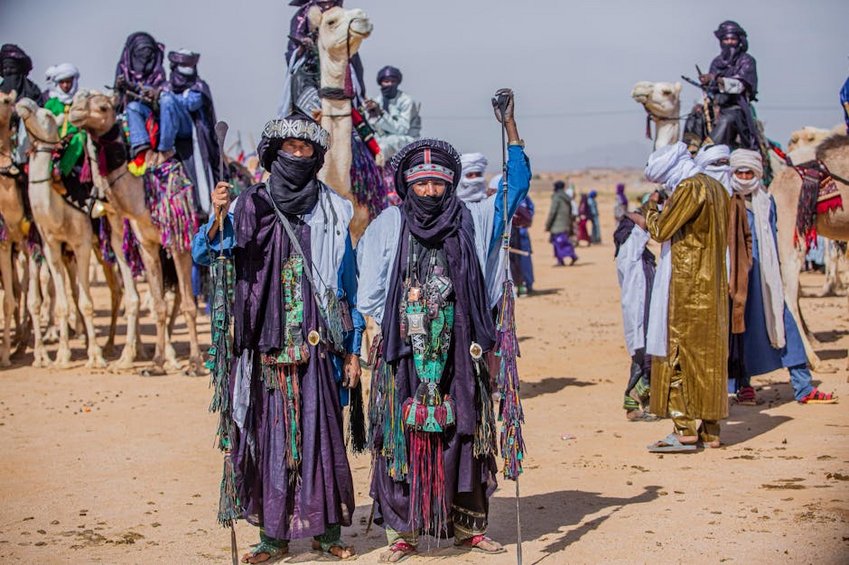
- Camel Marathons (Méharée): These races honor the dromedary’s indispensable role in Saharan exploration and trade. Riders, often wearing traditional blue garments, guide their camels across 10-15 km of challenging dune terrain, demonstrating exceptional skill and partnership with their animals.
- Saluki Greyhound Races: Salukis are among the world’s oldest dog breeds, revered for their speed and hunting prowess in the desert. The races highlight their athleticism and the deep bond between the hunter and hound, a relationship central to traditional nomadic subsistence.
- Fantasia (Powder Game): This breathtaking cavalry charge features riders in historical attire galloping in unison before firing traditional muskets into the air. It reenacts historical battle formations and is a powerful display of unity, coordination, and equestrian mastery.
- Budget Traveler ($350-$550): This covers a shared room in a simple auberge or hostel in Douz, local bus transport from Djerba, street food and local cafe meals, and free festival events. You’ll need to book accommodation extremely early and be comfortable with basic amenities.
- Mid-Range Traveler ($800-$1,200): This allows for a private room in a standard 3-star hotel in Douz or Kebili, a rental car for flexibility, mix of restaurant and local meals, and tickets for premium seating at some festival events. This tier offers the best balance of comfort and authentic experience.
- Luxury Traveler ($1,800+): This includes stays at a luxury desert camp or a high-end hotel in Tozeur with private transfers, all-inclusive guided tours, fine dining, and VIP access to festival ceremonies. This option maximizes comfort and provides deep cultural interpretation through knowledgeable guides.
- Tunisian National Tourist Office
- Lonely Planet Tunisia Travel Guide
Key Festival Dates and Structure
The Douz International Festival of the Sahara typically runs for four days in the third or fourth week of December. The exact dates are announced by the Tunisian Ministry of Culture a few months prior, often aligning with the weekend to maximize local and international attendance. The festival follows a structured daily program, with official ceremonies, parades, and competitions held in the main stadium and public squares.
Mornings usually begin with poetry recitals, craft workshops, and smaller musical gatherings. The afternoon features the main sporting competitions like camel racing and wrestling. Evenings are reserved for the grand musical concerts and folkloric dance performances under the stars. This rhythm allows visitors to explore the festival’s diverse facets, from intimate cultural exchanges to large-scale spectacles.
Alt: “douz-sahara-festival-camel-racers-desert-dunes”
Douz Sahara Festival – Planning Your Trip
Successfully experiencing this Saharan cultural celebration requires specific logistical planning due to its remote location and seasonal timing. Douz is a small desert town, and the festival attracts tens of thousands of visitors, making early arrangements essential. You should secure accommodations and transportation at least three to four months in advance, as hotels in Douz and nearby Tozeur fill quickly. A well-planned visit balances festival events with exploration of the surrounding Chott el Jerid salt lake and majestic dune fields.
The festival’s desert location means weather conditions can be extreme. December days are pleasantly cool, around 59-68°F (15-20°C), but temperatures plummet after sunset to 32-41°F (0-5°C). Packing layers, including a heavy jacket, hat, and gloves, is non-negotiable. Furthermore, while the main events are organized, embracing a flexible attitude is key, as schedules can adapt to weather or other local factors, which is part of the authentic adventure.
Best Time to Visit for the Festival Experience
Your visit is intrinsically timed to the festival dates in mid-to-late December. This is the peak tourist season for southern Tunisia, offering the most reliable (and coolest) weather for desert exploration. Arriving one or two days before the festival begins allows you to acclimate, explore Douz’s vibrant souk, and book any last-minute guided excursions into the dunes.
Consider extending your trip by a week to explore southern Tunisia fully. The weeks surrounding the festival are ideal for visiting the mountain oases of Chebika, Tamerza, and Mides, and the ancient Berber granaries of Ksar Ouled Soltane. Flight and hotel prices will be at their annual peak, so booking flights into Tozeur (TOE) or Djerba (DJE) airports well in advance is crucial for managing costs.
Budget Planning and Costs
A trip to the Douz Festival varies widely in cost based on accommodation style and travel preferences. Here’s a realistic breakdown for a 5-day trip per person, excluding international flights.
Essential Preparation Checklist
Packing for the Douz Sahara Festival requires practical, warm clothing. Essentials include thermal base layers, a windproof and insulated jacket, a shemagh or scarf for sun and sand protection, sturdy closed-toe shoes, sunglasses, and high-SPF sunscreen. For photography, protect your gear from fine sand with sealed bags or specialized covers, and bring extra batteries, as cold temperatures drain power quickly.
Ensure your passport is valid for six months beyond your travel dates. Most Western nationals receive a 90-day visa on arrival. Book international flights into Tunis (TUN) and then a connecting flight to Tozeur or Djerba. Travel insurance covering medical evacuation is highly recommended. Learn basic Arabic or French phrases; while English is understood in tourist areas, greetings in the local language are greatly appreciated.
Top Festival Events and Desert Adventures
Beyond the main stadium spectacles, the Douz Festival atmosphere permeates the entire town. The streets buzz with spontaneous music, the scent of grilling meats, and vibrant market stalls selling traditional crafts. Engaging with local artisans as they weave wool or craft silver jewelry provides a more personal connection to the culture than simply observing from the stands. This immersive environment is the festival’s true magic.
Venturing into the Sahara from Douz is a mandatory part of the experience. Numerous local operators offer 4×4 excursions, camel treks, and overnight camping trips into the dunes. The festival period is an excellent time for these tours, as the cooler weather makes desert travel more comfortable. An overnight stay in a Berber tent camp, complete with traditional music and stargazing, perfectly complements the festival’s cultural themes.
Must-See Festival Highlights
The opening parade is a vibrant explosion of color and sound, with tribes from across the region showcasing their distinctive traditional dress, music, and dance. It’s a photographer’s dream and sets the tone for the days ahead. The camel races are another cornerstone event, taking place on a defined track outside town where you can feel the thunder of hooves and the crowd’s enthusiastic cheers.
Evening concerts at the main stage feature renowned Sufi musicians, Malouf orchestras (classical Tunisian music), and folkloric troupes performing the mesmerizing Guedra dance. These performances often continue late into the cool desert night, creating an unforgettable auditory and visual experience under a canopy of stars, far from any light pollution.
Hidden Gems and Local Interactions
Wander away from the main stadium to find the poetry and storytelling tents. Here, in a more intimate setting, elders recite ancient Bedouin poetry (Malhoun) and epic tales of desert journeys. Even if you don’t understand the language, the rhythmic delivery and captivated audience are powerful. Similarly, the falconry displays on the festival’s periphery offer a chance to see master falconers up close.
Visit Douz’s daily souk, which becomes even more animated during the festival. This is where locals shop, and you can find everything from spices and dates to handwoven rugs and leather goods. Engaging with vendors here is more authentic than at the dedicated festival craft stalls, offering genuine insight into daily life in this desert community.
Douz and Beyond: Regional Exploration
The town of Douz itself is worth exploring. Climb to the top of the old marabout (saint’s tomb) for a panoramic view over the palm groves and the endless dunes of the Grand Erg Oriental. A short drive leads to the breathtaking Chott el Jerid, a vast salt lake that appears to mirage into an infinite white plain, especially stunning at sunrise or sunset.
Consider basing yourself in Tozeur, a larger oasis city about an hour’s drive from Douz. Tozeur offers more accommodation options and its own wonders, like the transcendent medina built with intricate brickwork and the nearby Eden Palm museum dedicated to date cultivation. This allows you to commute to the festival while enjoying a different, lush desert environment.
Practical Travel Information for Douz
Getting to and around the Douz region requires planning. The most convenient international gateways are via Tunis-Carthage Airport (TUN). From Tunis, you can take a 75-minute domestic flight to Tozeur–Nefta International Airport (TOE) or Djerba–Zarzis International Airport (DJE). Alternatively, an overnight train or long-distance bus from Tunis to Gabès, followed by a taxi to Douz, is a more economical but time-consuming option.
Once in the south, renting a car provides maximum flexibility for exploring the scattered oases and attending festival events on your own schedule. Roads are generally good, but having a 4×4 is advisable if you plan serious dune exploration. Alternatively, louages (shared taxis) connect all major southern towns cheaply and efficiently, though they can be crowded and less comfortable for longer distances.
| Accommodation Type | Location & Features | Price Range Per Night (USD) |
|---|---|---|
| Desert Camp (Luxury) | Located in dunes near Douz. Includes private tent, ensuite bathroom, dinner, and guided activities. | $180 – $350 |
| 3-4 Star Hotel | In Douz or Tozeur. Offers private rooms, breakfast, and often a swimming pool. | $80 – $140 |
| Traditional Auberge | In Douz town. Basic private or shared rooms with shared bathrooms, local charm. | $30 – $60 |
| Hostel / Guesthouse | Basic dormitory-style lodging in Douz, ideal for solo budget travelers. | $15 – $25 |