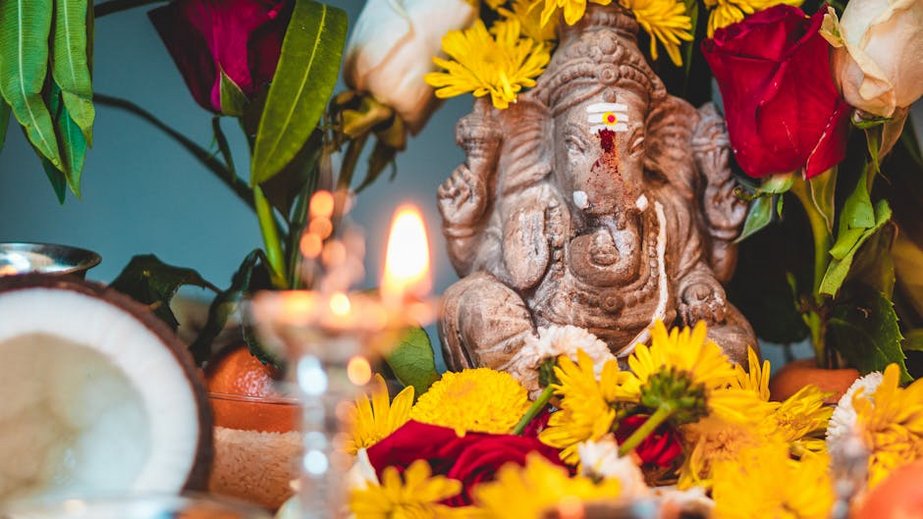
Tajikistan Dushanbe Rose Festival
The Tajikistan Dushanbe Rose Festival celebrates the city’s symbolic flower each spring, transforming the capital into a vibrant, fragrant sea of color. This unique cultural event showcases thousands of blooming roses across parks, avenues, and public gardens, drawing both local families and international visitors to admire the horticultural displays and participate in festive activities. Your visit offers a perfect blend of natural beauty, warm Tajik hospitality, and a deep look into the traditions that shape this Central Asian nation during its most picturesque season.
Essential Festival Information
The annual Dushanbe Rose Festival is a cornerstone of the city’s cultural calendar. It takes place from late April through early June, peaking in mid-May when the blooms are at their most spectacular. The event honors the city’s name itself, as “Dushanbe” translates to “Monday” in Persian, historically referencing its role as a weekly market town.
This celebration is more than just a flower show; it’s a symbol of peace, renewal, and national pride for Tajikistan. The festival’s origins are tied to the Soviet-era landscaping of the city, which involved planting thousands of rose bushes. Today, it has evolved into a major public holiday featuring music, dance, and folk art. Navigating the festivities requires knowing a few key logistical details to make the most of your trip.
Event Dates and Historical Context
Mark your calendar for the prime viewing period. The flowers begin blooming in late April, but the official festival activities are concentrated during two weeks in May. The exact dates shift slightly each year based on climatic conditions, so checking the Dushanbe municipality website in early spring is advisable.
- Peak Bloom Period: Typically May 10-25, when temperatures range from 68°F to 80°F (20°C to 27°C) and the majority of rose varieties are in full display.
- Historical Significance: The festival formalized in the 1960s, commemorating the city’s extensive rose gardens that now feature over 200 varieties, a legacy of botanical planning from the mid-20th century.
- Cultural Evolution: Initially a simple horticultural exhibit, it now includes craft fairs, traditional music concerts, and cultural performances that highlight Tajik heritage, making it a comprehensive cultural immersion.
- Budget Traveler ($800-$1,200): Includes hostels or guesthouses ($20-40/night), local eateries and street food ($10-15/day), shared taxis, and free festival events. This plan requires booking flights well in advance and focusing on self-guided exploration.
- Mid-Range Comfort ($1,800-$2,800): Covers comfortable boutique hotels in the city center ($60-100/night), meals at good local restaurants ($25-35/day), private airport transfers, and a few guided day tours to nearby Hissar Fortress. This offers the best balance of comfort and value.
- Luxury Experience ($3,500+): Encompasses stays at top hotels like the Serena Dushanbe ($150-250/night), fine dining, private guided tours of the festival and surrounding regions with an expert, and domestic flights to the Fann Mountains. This tier provides seamless, personalized service.
- Tourism Committee under the Government of the Republic of Tajikistan
- BBC Travel: Dushanbe – City of Monday and Roses
Key Venues and Festival Zones
The heart of the celebration is Rudaki Park, named after the famed Persian poet. This central green space becomes the main stage for concerts and official ceremonies. Its long alleys are lined with meticulously maintained rose beds, creating perfect photo opportunities, especially in the soft morning light.
Additionally, the Botanical Garden hosts specialized exhibits and quieter viewing areas. For a more local experience, stroll along Ismoili Somoni Avenue, where the city’s most famous rose-lined promenades are located. Each zone offers a slightly different atmosphere, from the festive crowds at Rudaki to the serene, educational setting of the garden.
What Makes This Festival Unique
Unlike larger European flower festivals, the Dushanbe event maintains an intimate, community-focused feel. It’s deeply integrated into the city’s identity. The celebration emphasizes the rose’s role in Persian poetry and Tajik culture, with frequent recitals and art displays inspired by the flower.
Furthermore, it provides an authentic window into local life without the overwhelming tourist infrastructure of more commercial destinations. You’ll witness families celebrating, artists painting en plein air, and gardeners proudly presenting their prize blooms, all within the backdrop of the stunning Hissar Mountains.
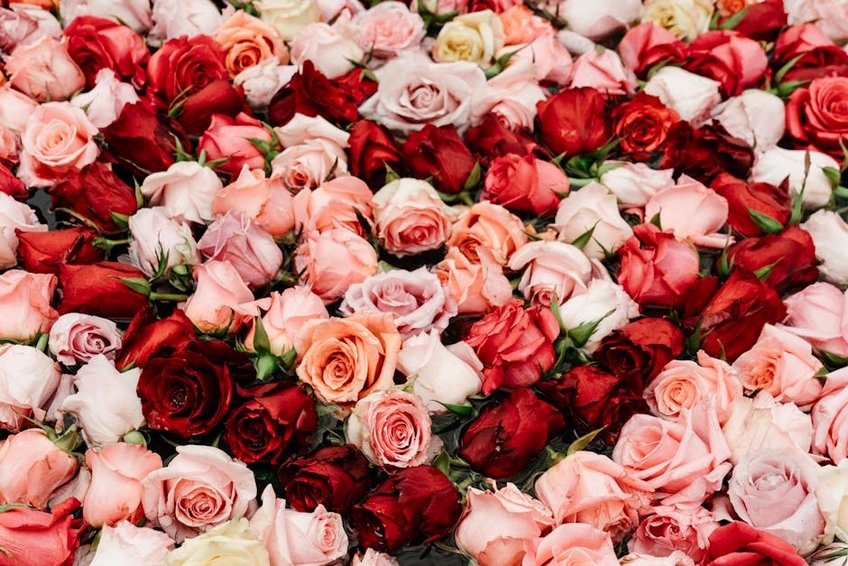
Alt: “dushanbe-rudaki-park-rose-gardens-spring-bloom”
Tajikistan Dushanbe Rose Festival – Planning Your Trip
Attending this floral celebration requires some specific planning due to its seasonal nature and location. You should aim to book international flights into Dushanbe International Airport (DYU) at least three to four months in advance for the best fares, particularly from European hubs like Istanbul or Frankfurt. Visa-on-arrival is available for many Western passport holders, but securing an e-visa beforehand is the most reliable and recommended method.
Your budget should account for the short peak season, which slightly elevates accommodation prices in May. While Dushanbe is generally affordable, planning your Tajikistan Dushanbe Rose Festival visit during these weeks means being proactive with reservations. Focus your stay in neighborhoods close to the action to minimize transportation needs and maximize your time among the blooms.
Best Time to Visit for the Festival
The absolute best window is between May 12 and May 20. During this week, the weather is consistently warm and dry, with highs of 75-82°F (24-28°C) and minimal chance of rain, which can damage delicate petals. The roses are in their fullest, most vibrant state, and all scheduled cultural events are in full swing.
Consider the shoulder periods just before or after this peak. Late April offers fewer crowds and lower prices, with early varieties blooming. Early June sees the tail end of the displays but with even warmer weather, perfect for combining your visit with trips to the mountains. Avoid planning for specific dates in early May, as cooler nights can delay peak bloom.
Budget Planning and Costs
Your total cost depends heavily on travel style and flight origin. A breakdown for a one-week trip from Europe or the US looks like this.
Essential Preparation Checklist
Start by securing your visa through Tajikistan’s official e-visa portal, which typically processes applications within five business days. Ensure your passport has at least six months’ validity remaining. Next, book your accommodation, as quality hotels in central Dushanbe fill quickly for the festival’s core weeks.
Pack for variable spring weather. Include comfortable walking shoes, a sun hat, sunglasses, and a light jacket for cooler evenings. A quality camera or smartphone is essential for photography. Download offline maps and a translation app, as English is not widely spoken outside major hotels and tourist offices in the capital.
Top Attractions and Festival Activities
Beyond strolling through fragrant gardens, the festival schedule is packed with cultural engagements. The opening ceremony in Rudaki Park features traditional music and dance troupes from across Tajikistan’s regions. This colorful spectacle, often led by a “Rose Queen” parade, sets a joyful tone for the days ahead.
Artisans from across the country set up stalls selling handcrafted souvenirs, from embroidered textiles to ceramic ware. Don’t miss the flower arrangement competitions, where local gardeners display their most prized specimens. These activities provide meaningful opportunities to interact with residents and learn about their crafts directly.
Must-See Festival Highlights
The centerpiece is the Grand Rose Exhibit in Rudaki Park. Here, horticulturists present award-winning blooms categorized by species and color. It’s a dazzling display of botanical dedication. Plan to visit in the morning when the light is best for photography and the flowers appear most fresh.
Another key event is the evening concert series at the Navruz Palace or the park’s main stage. These performances feature classical Tajik music, folk singing, and dance, often under the stars. Finally, make time for a peaceful walk through the Botanical Garden’s dedicated rose sections, which offer educational plaques and a more curated, tranquil experience away from the main crowds.
Hidden Gems and Local Favorites
Venture to the smaller “Dusti” (Friendship) Park for a more relaxed atmosphere. Locals frequent this spot for family picnics amidst the blooms. The rose varieties here are just as beautiful, but the setting is less formal and more conducive to casual relaxation.
For an offbeat experience, visit the Green Bazaar during the festival. You’ll find vendors selling rose water, local jam made from rose petals, and even fresh petals for culinary use. It’s a sensory immersion into how the flower is woven into daily Tajik life beyond mere ornamentation. Ask a local to point you to small street-side chaikhanas (tea houses) decorated with their own rose displays.
Photography Tips for the Blooms
The optimal lighting occurs during the golden hours—shortly after sunrise and before sunset. The low angle of the sun creates soft shadows and enhances the vibrant colors of the petals. Use a macro lens or your phone’s portrait mode to capture intricate details of individual blooms against blurred backgrounds.
Focus on compositions that include traditional elements, like a rose archway leading to a historic statue or a child admiring the flowers. Be respectful of people when photographing; always ask for permission if your subject is clearly identifiable. The diffused light of a lightly overcast day can also be excellent for avoiding harsh contrasts.
Practical Travel Information for Dushanbe
Navigating Dushanbe during the festival is straightforward with basic preparation. The city center, where most events occur, is very walkable. For longer distances, Yandex.Taxi (the local equivalent of Uber) is reliable and affordable. Download the app before arrival and use it with a local SIM card, available at the airport upon landing.
Accommodation ranges from Soviet-era hotels to modern international chains. Staying in the city center near Rudaki Avenue or Ismoili Somoni Avenue places you within easy walking distance of the primary festival sites, restaurants, and cafes. This location strategy saves time and simplifies your daily logistics significantly.
| Accommodation Type | Features & Location | Price Range (USD/Night) |
|---|---|---|
| Budget Guesthouse | Basic private room, shared bathroom, often includes breakfast, located in residential areas. | $15 – $35 |
| Mid-Range Hotel | Private ensuite bathroom, WiFi, on-site restaurant, central location near parks. | $50 – $90 |
| International Business Hotel | Full amenities (pool, gym, spa), multiple dining options, concierge service, prime central address. | $120 – $200 |
| Short-Term Apartment Rental | Full kitchen, living space, washer; ideal for longer stays or families; locations vary. | $40 – $80 |